Transcript
[music] Good time zone, internet. Hello and welcome to Design Club, the only game design show on the internet where it's Kickstarter launch day. We're having tech problems, but we're here to talk to you about crunchy historical games. I am your humble design club host, Will, joined as always by my pal Jeff. Say hi to the people, Jeff.
Hi to the people, Jeff. Hey, everybody. Welcome to our third Kickstarter day. But for right now, our design club day. If we're looking a little frazzled, it's because we had a Kickstarter go up this morning. We did a three-hour live stream that I believe for the first time had Twitch and Extra Credits and Extra History all streaming at the exact same time with Will managing multiple guests coming on to talk about it.
Um,
which is no small feat. And then because of course it did. We had weird tech things showed up. My internet decided it
didn't want to internet. But none of that really matters for now. Though being the studio director, I'm going to do my studio director hat for a moment and say we have a Kickstarter live. If you would like one of our beautiful upcoming 2027 history happens everyday calendars to match your collection of our 2025 and our 2026 one.
Yes,
those it is available right now. Um we'll I'm sure there'll be a link in chat or you can just Google extra history Kickstarter.
Y
and if that inspires you to get one of our 2026 calendars, they're currently half off because we're halfway through the year.
Excellent. Excellent. Uh,
and studio director hat off, game designer hat on. Since we have a history thing going on, Will and I chatted and decided it might be fun to talk about historical video games and a particular thing we noticed.
Yeah.
Which is they awfully crunchy.
That is correct.
And we'll get to that. But you wanted to say something, Will, before I said that. Oh, I just wanted to mention to you and to everyone else that while we were having technical problems, we crossed our latest um stretch goal and we are now we are now at $21,264, which means that we have added more digital art, more links, more cool stuff to the calendar. Um,
I am going to bring up a Kickstarter page on my second Kickstarter.
Yeah,
extra history. I want to see how we're doing it after we talk. Um, okay. But the topic for today is historical games. Now, we we got a really great question um before we started uh from Christopher, which was I wonder what the difference is between a historical game and a game that just plays in a historical setting. And how much of that difference boils down to we tried to replicate the rulership stresses of the day versus crunchy mechanics or uh via crunchy mechanics, excuse me. Um, and I think that's a really interesting way to to to discuss this,
right? Because when we're talking about historical games, um, lots of people mention stuff like Hearts of Iron or
Total War Rome or um,
Assassin's Creed,
right? Or
Age of Empires,
Civilization, right? There are there are so many different games that both play around in history, right? Games like Assassin's Creed, right? which play around in historical time frames and games that attempt to simulate the passage of time in some way. Think um either on a smaller scale, Hearts of Iron, or a grander scale, right? Um
any of the total war game literally any of the total war games,
right? Um or civilization, right? Where you are all or humankind, right? the 4X where you're all of the way from, you know, caveman make fire to and then
we launched a spaceship to Alpha Centauri, right? And like everything in between, right? So, um there's a lot of ground there that we wanted to to play around in. Um
and uh yeah and um in in the same vein uh oopsie asked a really great question which is do mythological games count as historical games like God of War, right? Games that are based on mythology of a specific time or era, right? Or age of mythology or um you know any of these other games that are couched in in the mythology of the of a historical era and then they use that as a launching point for what they're doing, right? do those kind of
or how about a literary game,
right?
That is historically It's funny because what was um what was the one that used the song Ain't No Sunshine, which oh, Dante's Inferno, like which was a very mediocre game.
It's a very mediocre interpretation of a very mediocre piece of fanfiction, but I don't have strong feelings about Dante's
Inferno at all.
Right. But it's also, you could say that is a historically based because it ties in and has become part of our historical
Yeah. Yeah. Millu that kind of has stretched across the centuries.
Well, right because mythology is all art, right? Everything we know about mythology is art. And one of the things about art that's inevitable is that it is deeply rooted in the time and place of its creation, right? Then an inevitability of art in the same way that video games are rooted in the time and place of their creation. So like they can't help but be historically based in some way even if they're not directly referencing history, right? Like the the great example in Dante's Inferno is of course that many of the people in Hell are like notable to Dante but not notable to us because one of the reasons that Dante wrote the Inferno was as a um a a a piece to pander to the nobility that he wanted to pay him
for patronage, right?
So things like that inevitably influence, right? Um, so
we wanted to talk about all that and talk about like what those games are and then why why some of them delve so deeply into like the nittygritty crunch, right? They they tend to be Now, not all historical games are super crunchy and not all super crunchy games are historical, but there is a broad overlap between the two that suggests that it is ant it is desired. It is anticipated, it is expected by the diehard historical game fans that the game that many games will have a historical crunch to them, right?
Um, so Jeff,
there's a certain expectation if you're going to do that. Like,
oh, I I was I was grinning at AMP's uh prediction, which is because they're made by nerds. True. True.
But not entirely the point. But yes.
Yeah. Um [clears throat] I was just looking, it's funny, we put some outline notes and chat has already brought up like four of the points we want to get to,
which is always the sign of a topic that is going to be nice and engaging.
Yeah, correct.
Sorry, I'm also copying because it's summer here and my long-haired cat PL
because it's summer
sheds fur. Yeah. And it all floats and yeah,
occasionally collects in my mouth.
Yep.
Is ferocious that way.
Jacob also points out that those games are largely played by nerds who will complain and that is
and that's actually one of the really interesting Let me bring it back to kind of a meta thing. Like if Will if you and I are going to go make World of Warcraft.
Yeah.
Um not Azeroth. What's the name of the um No,
Azeroth.
Okay. I said it Azeroth is going to have
a history. That is part of going to go make an to make a living breathing world is you write history for it and you do the setting.
When we made EverQuest, Norath had a history. Um any number of games that you go make when you actually go when you go play Starcraft, just picking another Blizzard one, Starcraft has a history. You know, the Terran Republic did the things to get to the so and so and met the ter the Zurg and the prototype. Like you you have to as you're making games write history.
You have to back stop it. Yeah.
Backstory. Actually, backtory is a better word. Thank you. But the thing about that is like when I went to go make a zone in EverQuest back in the late 90s, you know, I'd get a tiny design brief and then I'd go make the rest of it up.
Yeah. Like I we worked with writers like every game I've worked on we've worked with writers and creators like as part of the design team to make this but at the end of the day if somebody's like
hey you know frog locks live in swamps and they worship this god and so and so we're like awesome let's go with it. Nobody comes and checks to see if that's accurate because there is nobody to check and see if that's accurate. We are spinning it out of you know making it up out of our own imaginations and therefore it is what it is
right and I I do I do want to call out one point though which which I think goes to Jacob's uh point about nerds complaining um there are absolutely people who have factchecked Blizzard's own backstory like live on stage because they know the all of the things that have been published and like all of the lore and the backtory and the everything for like wow, right? So
that's actually what it becomes the history. Yes.
Like it starts off as narrative and backstory and things that we're writing, but then for the game or for the land or
the world we make, that is its history. It becomes canon.
Okay.
Yeah, I think that makes sense.
So people at that point have every right to be like, "Wait, you said that this city was founded by so and so and now you're saying it's so and so. Why are you contradicting yourself? And that bothers people because for us, history is supposed to be accurate. Like when somebody says, you know, so and so was the 40 or the 23rd president of the United States, that is a thing we can look up,
right?
There's no reason that should be wrong if we're putting that in a thing,
right?
Should Yeah. The same when you go write a game when you're like, you know, if you're playing League of Legends and you're like, yeah, the current king, you know, of Damasia is Jarvin the 6, you're like, no, no, you know, Jarvin the fourth is inherited from his father. Jarvin the fourth is a playable character. We've heard about Jarvin the third. Like these are things you talk about fans. Anybody playing it has a right to be upset when that doesn't when
you break the history. And so when you move into a fully game that where you're like we are setting this in Athens you know 400 BC or you know this is set in you know during the fall of the Byzantine Empire. If somebody's saying that if a group is making a game like that they are setting themselves up to say we are going to go do this research and bring it in. Why else would we be saying this is, you know, 16th century so and so or, you know, 400 BC Rome or Greece or, you know, if you're picking a time period, you're doing it for a reason and you get all of the good and the baggage that comes with that,
right? Well, especially because like there's also reasons that people are more empowered to care when you you're talking about like the Byzantine Empire, right? Nobody lives in Azeroth. Contrary to what trolls on forums will tell you, nobody's mother was a murloc. Right.
Like,
gotcha. Gotcha.
Almost. [laughter]
Right. But th those things, right, are so are divorced enough from our reality that like while people may be passionate about them, it's not a matter of like that person's history or identity to care about Azeroth or Murlocs or Warlocks or the you know the Burning Legion or whatever, right? Um, and so the but in real in games that are historically based, there are people whose lives today are impacted by the fall of the Byzantine Empire,
right? On a daily basis.
Yeah. And whose culture is based on it, whose language is based on it, whose stories are based on it, whose mythology is based on it, whose heritage is based on it. And I think people rightly get upset when those things are done wrong.
Yeah. And so because of that, when you're deciding we are going to do a game that is historically based or set in a historical time period,
like there's a whole bunch you have to do. We used to do videos with World of Tanks years ago. They World of Tanks had at least one full-time historian on staff that was a World War II specialist.
Y
just to make sure that they got their stuff right because the people who played that game would be unhappy if they didn't. Well, that's the War Thunder effect, right? Chap Chap brought it up earlier, right? Like War Thunder has this big problem that's that's like well documented at this point that when they get something wrong, someone leaks classified documents about that vehicle to prove that they got it wrong. And this is like it's it happens so often that it's a rule on the War Thunder forums to not post classified material. Like they had to write that as a rule on a forum for a video game because people got so upset that they kept doing it and it should be self-evident that you don't post classified material on the internet. But they did and they do,
right? Because people care about that. So, you're saying, will that my theory that um War Thunder is actually a R a KGB run front [laughter]
to get classified information
as a long-term effort to fish for classified information is actually not totally off.
Yeah. Well, and and so yeah, I I think Molina Pezant has a really great point, right, as well when we're talking about these.
Battlefield 5
has a British soldier with a robot arm killing people with a samurai sword.
Yeah. Not we're talking about historical games. Many games that started in historical roots have gone otherwise. Looking at you, Call of Duty. Call of Duty started as a historical shooter. And now we have Blops aka Black Ops, but I refuse to call it Black Ops, so it gets called Blops, right? Blops has a zombie mode where you run around killing zombies, right? There's nothing wrong with that. It's just not historical,
right? They have like a mission where you're on a space station and you're shooting guns in zero with none of the zerog gun stuff, right? That's fine. It's just not historical. Right. And that's cool. That like again that's not my primary complaint with Blops. I have others, but Right. So, we're talking about the game, not necessarily the series because that's a really good point.
And some of these too, like you can avoid all that if you want. You can make your game and call it Destiny. and you can have similar kinds of weapons and, you know, throw in all sorts of unusual powers and stuff and that's fine. Nobody then argues with that,
but if you're going to be like, I am Call of Duty, I am a World War II based game, expectations come with that.
Yes.
And I think one of the big things too is it limits limitations from a design standpoint are both freeing and confining, but it limits what you can
put in. If you're like, "We're doing World War II." You don't get to bring in missile launchers. You don't get to bring in drones, but you could pick up a Tommy gun. Like, you could bring in shotguns. There are sniper rifles. Like, it gives you here is the tech of the time that you can play with
and you get to start building around that. And that is part of the allure for a lot of people. What were the German weapons versus the French versus the Americans? What were the Italians using at the time? right?
Who actually still carried swords? Who didn't? Who wore armor? Oh, World War I was famous for this because World War I had calvaryary charges against tanks. Like it was such a mixup of where all the tech was coming in with the old and the new,
right?
Like I know somebody whose grandfather was in a legion of horses, excuse me, in a legion of German tanks that got charged by Polish calvary.
Sure. Right.
Can you That's wild. God, do you know what I really want from a historical
game?
And I'm normally not a fan of games that replicate historical conflicts for a whole bunch of personal reasons that are pertinent to this discussion, but I would break that rule and I would play a game beginning to end that was the story of Jack Churchill.
He's got he has the last confirmed longbow kill
uh in a modern war. Um, and he
Oh, was he the guy that brought his long bow? Was that World War I or two? It was
It was two more recent.
He fought in the Second World War with a long bow and a claymore. Not the mine, the sword.
I would play the crap out of a Jack Church Hill game. Um, I would Yeah. People would claim it was unrealistic. Yeah. Like Yeah. 100%. But that's like there is room in historical games for that I guess is my
point, right? That like history and we were talking about this a bit with um with with Rob and
we should do an episode on him.
Yeah, we should. Um
history is weirder than you think it is.
Yeah.
Like always, right? And so that
I want to Will I want to play on that for a second?
Sure.
You know when you walk like
you walk outside and you go to a park Yeah. You're like, you're walking through and you're like, "Hey, people, people, people people." That's an odd one. Like, this has been going on forever. Like, that's an odd one. When you're just walking through a park, like this has happened all throughout history. People think it's more uniform, but yeah. Guy showing up for World War II with a long bow and a claymore.
Yeah.
Not the weirdest thing.
Yeah. like weird, but like it is with like and that that kind of thing has been happening all throughout history. And you get the other end too, like the acronistic, but also the futuristic, you know, people showing up to conferences
with weird kit bash stuff that was that literally changed the world when somebody's like, "Oh, check this out. It lights up. It isn't a candle." Right.
And so that is part of the fun part of like this weird tapestry.
Yes.
That it's history. And it's also part of the hard part about trying to satisfy people when your game is not in a madeup area.
Yes.
Because guy showing up in Call of Duty with a longbow and a claymore would be like that Battlefield one with the guy with the cyborg arm and the katana. It does not fit our normal notion of what World War II would be.
But also, we did an episode of a guy with a cyborg arm. His name was Gots,
and it's I more he's more than a hundred like it fit in it would fit into the World War. It is preWorld War II.
Yeah.
Like he was a famous he was a famous mercenary who got his arm mangled and
ended up getting a cyber he was
he got a prostesis that worked that he could put a sword in and use. Y
there were people who traveled around the world like that whole Shogun series.
Um actually the books were amazing. Like
a samurai sword could have theoretically made its way back.
It it would not
right. It would not have been historically inaccurate to have a
cowboy, a Victorian detective, and a samurai, and a retired pirate from the Caribbean be an adventuring party in Florida in the United States at a certain period of time. Like, that is that is potentially historically accurate. It's weird and it it it
yeah, it messes with your brain,
right? But like that is a thing that could have happened. And we actually have an episode on steampunk samurai with um at a certain point some of the samurai had both their swords as well as like western pistol gatling guns cowboy boots like
this weird mashup of stuff that all just happened.
Yeah.
And that's one of the hard parts about making a historical game is you if you put stuff like that in,
right,
people would both complain but also not complain. So these games are also you editing history to try and make it understandable and palatable in the format that you're doing it
right because I think what people care about often when they care about historical games is not necessarily full historical accuracy but historical verimilitude that the history that they are being that is being portrayed conforms to their expectations of the history being portrayed. Right? So like a World War II game, right?
While it's entirely possible that you play Jack Churchill,
right? You're more likely going to be playing uh an unnamed soldier on, you know, in a battle, right? And people
care less about that you are a specific soldier and more that your grand sounds correct, right? One of one of my big um hallmarks for uh historical accuracy and a big example that I think is really easy to see and really easy to talk about is the Garand ping. So, if you've never seen this, Garand are loaded with um
well, first off, what is a Garand?
The M1 Garand is a semi-automatic rifle that was the service rifle of the US Army and the US Marine Corps during World War II and the Korean War. Uh it is a iconic weapon. Um, and uh, it is um, it's got a clip, not a mag. So, it's got um, it's there's a very particular way that you need to load it or it's the bolt the action slams shut on your thumb and you get a condition called grand thumb. Um uh and but most importantly
um it has an eight round clip. Not mag, it's an eight round clip. It's an eternal block, but like it loads with a clip. Um and when the eighth shot fires, the clip ejects so that you can load a fresh one. And that makes a very very specific ping. That makes a very specific iconic sound. And if you're playing if you're playing a World War II game and you're using a Garand and it doesn't make the sound, everything is wrong, right? It just immediately like everything is wrong because it doesn't do the thing that it's supposed to do, right? And um that is sort of like one of the big examples of like if you're going to do this you need to get it right and it needs to conform to various military because the the American lines through World War II sound a certain way
right the whole
because of the technology that is getting used at the time which also really doesn't exist anymore in
a meaningful way.
Yeah.
Like but that's also one of the reasons that some of these things are stored historically.
Yes. And I actually know sound designers that have gone out to museums and other places to be able to capture sound from authentic. Not just trying to recreate it, but like actually capture authentic sound.
Yeah. You got to put a shotgun tank or other things to capture what did it sound like when it was going across mud.
Yeah.
Or gravel or like
Yeah.
These are interesting things, right? Cuz like that tank had a certain weight
and the weight based on its tread
and that it sounded differently than things that came before and after it,
right?
And most people would never know,
right?
But some people do,
right? And and it it's not and here's here's the very interesting part as
well.
That might not be a thing that you can consciously even call out, right? or that most players or that even people who know who aren't paying attention for it could call out, right? But if I put a pitch filter on all the Garands, right, and they the firing sounded different and the ping sounded different or it was missing the ping or whatever, people who are familiar with World War II video games would say that it felt wrong, right? that it lacked something of that that vera similitude that we're they're counting on to make it feel like a World War II video game as well as being like in so there's like the intellectual accuracy and then there's the resonance right the emotional resonance the feeling of being there
and this is by the way not just a game problem like I remember seeing something I'm pretty sure it was this movie but years ago um one of our favorite to talk about Robin Hood Prince of Thieves
starring Kevin Cosner and actually starring the amazing cast and Kevin Cosner.
Correct. And Kevin Cosner's wandering accent. Yes.
Not that Kevin Cosner is bad, but it's just the cast around him was exceptional.
Yes.
We'll just we'll we'll leave it with that.
But I remember seeing a review somewhere with somebody talking about how they were thrown off because the bird sounds used for the forest were not those of an English forest at the time. And part of me was like, that's pretty nitpicky, but also part of me was like, this is a big budget movie. They pro, you know, this is obviously like 30 years ago or something.
They probably could have gone and done the research for whoever was doing the sound design to make sure that the birds they were putting in were accurate.
Yep. But you know that that is a historically set movie in a very specific time period in a very specific location,
right?
Like I've had this will. Do you know what my very first actual paying job was out of college? Have I ever mentioned this?
I don't think so.
I had before I went and became a full-time game designer, my very I graduated college, came back to San Diego, the town I grew up in, because my parents were like, "Sure, you can live here until you like find a job and save up money to move out." for which I was very thankful. And I was looking to get internet access. And to date myself, this was in the mid '9s, like when I graduated college. And internet access was not as ubiquitous as it is now. Like
correct. So, I I was looking around and I found a local internet provider and I had bought access to I think I'd bought them the summer before so I could actually I was online early and as I was signing up and looking around I saw that they were looking for help with their tech support
and I was pretty good at that. Yes. Yes. So, my very first job out of college was working for tech support for an ISP, internet service provider from back when
people got mailed AOL discs or would contract with local companies. And how this worked at the time, you had a modem that would call into the ISP which had a modem for every customer that it would connect to.
Right. Call in this case literally means like on a phone line, by the way.
On a phone dedicated phone line.
Yeah. keep going
call in and then that connection from the ISP would then branch you out into the actual internet. Having worked with modems before and especially having worked there, well, I can tell you how fast an internet connection is based on the sound the modem makes when it connects.
For those unfamiliar, which would probably be hopefully be most of you cuz you have no real reason to know this.
When the modem's connected, they would make a series of little noises at each other to say, "Hey, what speed are you talking at?" and the other one say, "I'm talking at this speed." And they'd agree on a speed and that was your connection speed at the time. I can tell that by ear because I've listened to so many.
Can I tell you how many movies I've watched, historically set or modern, that would use modem sounds and they would be the wrong sounds because their sound person had never thought to they would grab generic modem sound and be like, "Wow, that hacker is using a six-year-old piece of technology at this point." hacker would be using it up, you know, a much faster modem than that one and it would throw me out. So like history like knowing when it is and where it is isn't just old stuff like it continues all the way up. Like that weird knowledge still bothers me because I have this mental thing of historically what were the speeds of internet connections based on the hardware for when your movie was set.
Yeah. And so I'm just saying like we can go all the way from nowish back thousands of years and people different people will care about it in different ways.
Yeah. And I think that one of the one of like the sort of things is that because history is so rich and so colorful and
so um complicated. History turns out incredibly complicated. So many things to know, right? So many things you take for granted, right? How did Romans make concrete that was uh ocean resistant? Well, they use salt water. How long did it take us to figure that out? An embarrassingly long time. Um,
so we've kind of laid the groundwork. So, um,
historical games can be complicated. Because of this, Will and I were noticing that they are more often than not crunchy or at least certain kinds. We're going to get into that. And the crunch comes from the fact that I think if you're taking, you know, hey, we're fourth century Greeks that there is a whole bunch of details that you're kind of almost obligated to put in,
right?
And because you're not having to go make these up out of whole cloth, you get all of this information as you start doing your research and it tends to lend you to want to start putting in. It's like, oh, here were the four kinds of weapons the Greek soldiers used in this and their armor was made out of. And you you
start getting this information and almost you can't help yourself. Things start getting crunchy because you have all of this information coming in about you about what was set, what's going on.
Yes.
And to make it feel accurate to get the well, what's the vary word I can never pronounce?
Verisimilitude.
Thank you. Varys militude feel for it, you want to go do all of that. And so it puts on you this kind of imposed crunchiness that you don't get. Like if I'm going to go play Gran Turismo, that is so much crunchier of a game than if I'm going to go play Mario Kart. Like Gran Turismo's coming and be like, "Oh, here is this model of car from this year." And they have gone out of their way to make that as not quite simulation level, but accurate accurate accurate. How does this kind of Porsche handle versus this old Mustang? Like that is a thing they care about.
Yeah.
Mario Kart, not so much. But that's not why you play Mario Kart.
Yeah. Chad's got a really good point. We should probably um now that we've sort of talked about games, can we can we talk about what we mean when we say crunch?
Yes.
Because I think that's a that's a good part as we like go into this. Um, when will and I say crunchy, what we tend to mean is many more details with a higher degree of fidelity.
Um, than you would normally see. And this lends itself to systems interface, how the game works,
right? So,
so Oh, go ahead.
So, I was going to say like in in Jeff's Gran Turismo example, right? crunch might be that you could determine your NOS ratio for for your car, right? Or
you know how much gas is in the gas tank. You know how a car accelerate, the exact way it accelerates versus it turns versus when you shift the gears when it kicks into the higher AR like all of the
things that is all what we would call crunch,
right? What do the tires do? What is the what like how wet is the course, right? like stuff like that. Like those those intense levels of detail that
um give I I'm going to call it texture to the game, right? When you bite into it.
Um Yeah. And this is another great example. Crunchiness is the difference between this is a pistol and this is an M1911 from Colton 1939. Yes.
And some games have this upfront. Gran Turismo has a lot of that upfront. Look at all these things. How accurate we are. Other games put it much further down below. So, for example, a lot of the Pokemon games, you can go play and you can collect your Squirtle, you can evolve him, you can, you know, go catch, you know, wow, I caught a Dragonite. I'm now going to win everything. Or you might be one of those people who starts looking at all of the IVs and
looking at which move best sets it and if there's a stab bonus and really looking at the typing of how your party is set to make sure you have coverage against other parties. You can play Pokemon with none of that. You can play it as a non-crunchy game or you can dive deep down into the spreadsheets and videos and all of the other sites talking about it for this optimized crunchy experience where you're looking at all these numbers and that Pokemon's I think a great example of a game that plays at a very simple surface level and you can keep descending into further and further and further levels of how much do you want to learn about this game and all of the depth and crunch underneath. Yeah, I think that's that's a really good example. So that's that's what we mean by crunch. And we've the our observation is that historical games tend to be on the crunchier end of games. And some some historical games looking at you grand strategy as a category tend to be off the deep end in terms of uh crunch, right? In terms of
complexity of system complexity and the crunch that accompanies that. And so like the why of that is so very interesting because while it's not the sole domain of while crunchiness is not the sole domain of historical games and not all historical games are super crunchy the overlap is significant right is sort of our thesis right that there is a more significant overlap there than there might be in your normal RPG or your normal action adventure right your nonhistorical
part of my theory is the people who gravitate towards Games with a historical setting or nature are also people who want or who are interested in a more detailed game. This is not always true, but my guess is the ven diagram overlap of likes historical likes crunchy slide together fairly well, way more than you would expect from kind of other groupings of people. I also think that
there is um one of the things so if we're Okay, Jeff, we're going to make a game about the late 90s. Okay.
Okay.
You and I have very different experiences of the late '9s
and that you probably remember more of it than I do. Um and
I remember when the album Never came out.
Okay. Like there were certain events that like as somebody who was let's see yeah who was basically in my mid teens
Mhm.
hold on
late teens
late late 90s mid20s.
Yep.
Um early mid early mid20s and the 90s like I was old enough to appreciate things. I had a job. I had therefore an income. I had friends. I was part of the you know early internet. I saw a lot of stuff. My experience of the '9s from my age is different than Will's because of my age,
right? Because I was 11, right? 10 to 11. So, here's my point.
If they're going to make a game that is based on the late If we're going to make a game that's based on the late '9s that's going to feel historically accurate to both of us,
there's not going to be a ton of overlap in the things that we both
Oh, I see your point coming. This is interesting.
Right. So, like for some and that's just for something as mundane as the late '9s, right? Something about something that is very important. The late '90s were a period of great change. And
Matt and I talked about how Doom was recognized as one of the 25 most influential pieces of American um art on breakfast last Friday.
Like whole thing, right? But if we're doing World War II or we're doing World War I or we're doing some
Let's do World War I at this point because
Okay. If we're doing
that in before,
right? Yeah. So if we're doing World War I and we're trying to make it so the greatest number of people find resonance
and various similitude in our game, the number of people who are interested in a World War I game who have different nonover overlapping fields of interest and knowledge in World War I is significant, right? Because there were many different countries that fought in World War I on many different battlefields in many different campaigns with many different kinds of weapons, right? And now we need to get all of it, right? If unless we're doing like a very confined like we're doing this stretch of trench, right, which by the way would be a fantastic historical snapshot.
That's a great name, too.
This stretch of trench trench.
Yeah. Um, okay. Someone could have this one for free. You don't play a character. You observe that stretch of trench in like a tactical way across the course of the war.
Right. And like
trench management. Yeah, it's trench management and like there are there are events, right, that are like care packages from home and other things and then you get to see the Christmas truce and like anyway all this stuff, right?
Um,
over the line.
Oh god, the words no one wanted to hear. Um, so uh there's going to be a very different experience of that. And so if we want to catch as many people as possible, we have to do more research for this game than it is likely any one person has done because we're not trying to fulfill the various militude needs of one person. We're trying to fulfill the various similitude of the community that's going to play it. And that is so much bigger than you think it is, right? And so that becomes a part of the problem, too.
It's interesting. you went the exact opposite direction I was thinking for a moment and I think they could both exist.
Yeah.
Which is you and I talking about the '9s because we are both alive.
Mhm.
Um and we're alive during that right now and have different experiences. It is a trickier thing. Almost nobody who is playing a video game was alive during
World War I.
Yeah.
And so because of that,
you're not hitting people who have different lived experiences. You're hitting people who have different educational experiences.
Yes. Oh, that's very true, too.
So, there's like here's what we learned in school in America. Well, here's what I learned in California or, you know, you learned in New York or somebody learned in Texas or somebody learned in Idaho,
right?
But there's also what was taught over in Japan or in Britain or actually in Tokyo or in London or in Madrid or in Moscow. Like so we're getting what were people taught about it as one level and then there's also for the people interested what else did they go and learn underneath. So you kind of get this
Yeah.
And you know if we went back and we said oh this was siege of Vienna we're going kind of further back like you're going further back. People are taught more World War I than I think they were about the siege of Vienna.
Yeah. Like
I mean
if you're going back, you know, charge of the light brigade from the Crimean War,
right?
Well, if you got like I I don't know how it is for everyone else, but I remember my world history class, we spent like weeks on the world wars and like maybe a day on something like
a a b a war that took place before the 19th century,
right? Like TOPS, right? So like the level and that's also in part because the level of detail that's available about that is different right we have more accounts of things that occurred after the invention of the printing press and even more accounts of things that occurred after the invention of the typewriter and even more accounts of things that occurred after the invention of the internet. Right? Like
this is probably the most well doumented period of history that has existed to this moment and every day becomes more and more documented as more and more cameras and more and more recording happen. But also, there's a lot of history. Like, if your goal is, hey,
we're teaching world history to a group of, you know, 15y olds and we have roughly, let's see, what 200 school days, and we have 200 hours to do it in,
right,
total, including tests, etc. Like, how much can you teach?
Right?
You know, what do you cover?
Right?
And so, it's any interesting. So, I'm not trying to knock the education system. I'm just also saying it's a large task,
right? [clears throat]
And you're trying to deal with kids who aren't necessarily as interested in some of these topics as you would hope,
right? So, and that I think goes back to our topic in that I think one of the things that's very important about the crunch that that people go in with is that because people either um don't know everything or don't know anything and both of those are very possible, right? M
it feels like the most important thing is to pick the most appropriate set of details and stick with them like glue,
right? To stick to this is the version of this historical event that we're going to be telling based on these historical documents which may be contradicted by other historical documents. And
history is like that.
History be like that. a reminder that one of the first histories involves giant ants and also invulnerable Spartans. Um, histories from some periods in time were wild. So that becomes like a thing. And so when we when you stick to that account of history, one of the things that helps is to just double all the way down, right? this is this version of history the way that we uh to the hilt like to the most that we are able to do and that's going to have to be good enough because you're never going to get it exactly right and the best you can do is say well we're basing it on this and that contradicts what you learned but if
you do that your case is better your emotional case is better if you say this is the thing that we're doing right
but also let's actually get into practical yeah game It depends on your kind of game. So, for example, will say we're going to go play Total War Shogun.
Sure. Mhm.
What you just talked about is absolutely like they'll be like, "Okay, we're in Japan. We're in this time period. We're going to, you know, we're going hard. We know the kinds of troops, etc." But also, it still needs to be something the player can understand. When you're drafting troops, it's like, "Here are footmen. Here are archers, right? Like you might not get the fact that there were samurai that were horsemounted with bows but also could then go charge in with their katanas
or that they would shoot one arrow or two arrows or the fact that if you were to be historically accurate when the armies met
it wasn't a big clash. They would pair off to individual duels
and so you'd get all these guys charging each other and then they'd all kind of break up and start dueling.
Yep. like that isn't a thing you can necessarily show in a game as easily. But if you take that same thought, you know, that's Shogun Total Total War Shogun or Total War Rome. But say we move over for a moment to ensemble studios with Age of Empires. We have Rome in there. We have Japan with their Shogunite stuff, but we're also starting basically Stone Age and going up to modern. And they have to get every culture that they want to be a playable grouping. So, and it has to be in a system that you can recognize because for example, say you're going to go play Age of Empires 2. Everybody starts off with basically the community center, right?
Or the town hub and a couple of peasants who will go get rock, chop down wood, and make farms and harvest sheep. And maybe they change out sheep for another appropriate animal of that thing. But you're going to kill them and get meat,
right?
And like that's how you start. So some cultures like if you're starting with a Native America, a Native American tribe,
they need to give you BC version all the way up to using tanks.
Yeah.
Every culture had all of this
all the way through. So there's a certain amount of creative license you have to take, but also a certain amount of streamlining so the player can understand it. I understand this is the progression. No matter what culture I play, I'm going to be starting off with these villagers doing this thing.
Yep.
And maybe the the games like this will break a rule or two per culture. Oh, the like if you're playing civilization, usually you start with a settler that founds a city and like that's what you do turn one and two and two.
Yep.
Um they put in in the last Civ game, there's a race that starts out on the ocean and you get to wander around for a while before making your first city. Yep.
Not like breaks every rule of every other
Pacific Islanders, right?
I think I'm trying to remember.
Not not important, but it's cool,
right? Yeah,
it's cool. But like that's their rule break. This civilization playable civilization gets to do this
or you know there's you can play the Carthaginians and you're allowed to move your capital something no other civilization can do in the game,
right? And so, you know, you have little rule breaks like that, but that's like the exception. That's the flavor. Oh, the Carthaginians, you know, can traverse mountains
in ways that other cultures can't.
Thanks, Asen.
And so, like that's your historical tiein
right there. And so, but again, that meets what you need for that kind of game.
Yeah. And and I think it's um and a lot of the extrapolation is so incredibly wild for Civilization, right? Like Civ is in some ways incredibly historically accurate and in other ways is completely inaccurate because they have to answer the question, what if the Roman Empire didn't fall? And the second
you ask that question, everything after the fall of the Roman Empire is just yeated clean out the window, right? [laughter] Or what if
I don't know what you're talking about. Well, my Roman Empire last time I played built the Colosseum, the Eiffel Tower, the Great Pyramids,
and um
the Great Wall of China, right? It became the Great Wall of Rome. Um, right.
We're using stealth bombers by the end,
right? Yeah. The Great Wall of Rome, but Rome is where it is, so the Great Wall doesn't make any sense, but we'll leave that alone, right? Um,
but that's part of the beauty of some of these games. And I will say I learned more about old historical things from games like that than I think I ever did in school.
Yeah. And because they taught me that and I'm like, "Oh, that's an interesting thing." I hadn't never known what I I'm there there are so many historical things you can build in there,
but um
and I'm blanking on them right now. It's probably because I've been doing staying up really late working on Kickstarter stuff.
Can't imagine why. Um
yeah the
yeah that it's what just one of the interesting things about these games is you have to choose your level and you choose your level of like people don't but it's also the audience people don't argue in civilization that you're being historically inaccurate because they kind of know that's the conceit of the game. It's a mashup. Like this is a weird style of mashup. They might argue about what bonuses a civilization gets,
right? But they're never like, "The Romans shouldn't have guns in the 20th century."
It's kind of like arguing about the fact that Kirby should be able to eat everyone in Super Smash Bros. Like, yeah, but also no, because then we wouldn't have a game. So, we've just sort of accepted some conceits and we're moving on, right?
Yeah. Um, and we've got a lot, by the way, a lot of great examples, uh, flowing in through chat of like, um, these examples
that like games have to answer these whatifs in order to to do it. And I think that this goes back to the the prime concern about crunchiness is
they have to mash up all of these things with things that feel equally plausible, not true
and playable.
Yeah. But plausible and playable, right? Like if if um
if Right. If we're going to get all of the way towards, you know, leaving to for Alpha Centauri, right, then there are many cultures in Civilization. And uh I understand that this has changed in Civ 7. We're talking Civ 1 through six because that's I haven't played Civ 7 yet because much like most Civilization games, I'll get it when it's done and good. Um
usually two expansions in,
right? Uh the um it has to feel consistent and there are going to be a bunch of civilizations that are going to need to make it to the modern age but don't that need to feel mashed up correctly with civilizations
that do exist in the modern era. Right. Uh,
that was actually one of the things I thought was interesting, like humankind was a is a civilization competitor that came out after Civ 6, I think somewhere around that. But like one of their things was your civilization. Every time you kind of hit this new era, you take your the existing civilization and it kind of forms into a new one, but you keep traits of the old one. to kind of be like for if you think of current Rome, Rome has a long history that included the Romans, you know, the Holy Roman Empire. So like so all the way up to like World War II. So they kind of went through this path and it's a game that tries to give you something approximating that.
Yeah.
As you're kind of going through. So that was their differentiating factor. But again, it's a level of crunch in detail that other games don't even think to bring in because that's not the premise of like lead a nation through history,
you know, for 3,000 years,
right? It it just it's it's so fascinating to me. And like, by the way, we're glossing over all of the little details that those games tend to bring with them, right? Because if your pitch is lead your civilization from the first settling into a permanent potentially probably permanent settlement to leaving, right? All of the little details that come along the way, right? The evolution of plumbing, the evolution of public plumbing, the access to fresh water through aqueducts and interior plumbing and water treatment and uh irrigation and just follow the the the history of water is all relevant to the way that that game plays. And then they have to choose whether to leave it all in or take it all out, right? or simplify it like Civ 6 I thought did a really good job like
sanitation indoor there's a whole bunch of actual will upgrades around that
and what they do every city you get it in basically it raises the population cap you can now have more people living together in an area once you have sanitation and other things
um and it kind of represents the way it really happened too which is more people could live in an area without killing each other with disease or other things the infrastructure came in to let them live together And your population could go higher because less people were dying off like they live longer, less people were dying. So there like you find ways of abstracting what did this technology do for a group and how do you represent it in your game,
right?
Yeah.
Which is interesting.
Yeah, I think it is.
But I would love to shift for a moment. Will I want to ask you if some of these games are historical or not?
Okay.
Settings. So Forex games, let's start with that. So Civilization I would say
is almost by def everybody's definition a game with a historical influence like it is crunchy because they are trying to fit in historical style of things.
Sure.
Um a lot of the Total War games, Hearts of Iron,
yes
that a lot of these like they don't get everything right. They're not supposed to because these are often multi-ivilization mashups, right? But their goal is to try and bring in a lot of history into a play the playable parts of the game,
right?
Does that sound reasonable?
Yeah, that sounds reasonable.
Um, there's a lot of historical RTS's. In fact, I would say most, not all, but most of the most popular RTS's have ended up being historically based.
I mean, besides Starcraft,
yes. You take things like Age of Empires um, and Crusader Kings and a whole bunch of those other ones. Actually, Starcraft, I think, is the big and it's weird like Warcraft isn't historically based, but also it is kind of like
medieval England style thing in some ways.
Yeah. Yeah.
Maybe I'm thinking too much about the art like
Yeah.
Blizzard is the exception to this because it was and Command and Conquer was the other like very successful
one. But um anyway, Age of Empires, Crusader Kings, Rise of
Crusader Kings is turn based chat. But yes, tactics like like a like like a tactical strategy game, RTS or uh DBS.
Yeah.
Um a lot of shooter games based themselves or at least started by basing themselves on being historical. Battlefield, the first Battlefield was Battlefield 1942, right?
Was a was actually the first Battlefield game picked a year of World War II. Battlefield 1942.
Yes.
And it was the tech and in some cases the battles
Yes.
of the time.
Yes.
Um Call of Duty, Medal of Honor.
Yeah.
Um
I I think I think those are but I feel like
they're done they feel different than like the RTS and the uh Forex games,
right? And I think part of that is is um uh in line with the fact that all of those have drifted further and further from historical accuracy,
right, over time that they've that they've gone into, you know, Black Ops that they've gone into heck, even by the time I got to
I'm sorry, keep keep going for one sec.
Even by the time I got to Battlefield, uh it was already not historically accurate. I was playing in um 2042, right? Yeah, I was I played 2042, which is not historically accurate at all, as the name might suggest. Um Wolfenstein is an interesting one, but I'm going to I'm going to say it's not. I'm going to say that Wolfenstein is not due largely in part to the robotic clones of Hitler
you fight. I'm g say that's not historically accurate. Um 2042 or 2142. Uh, there was a two and a 42. I could be wrong. It could have been 2142. This is a very long time ago. This was like on discs and I've lost all the discs. Um, yeah. And and and I also want to address there's there's like a question here, right? Um, can something be crunchy without having numbers? And the answer is yes. Absolutely it can, right? like something can have an overwhel like we were talking earlier about the detail and crunch of like tanks or weapon sounds, right? Or the weaponry that's available or how uh medicine works, right? Or how um ammo works or how any number of other systems work that aren't necessarily about controlling numerical details, right? Those can be crunchy as well. the systems can be complex and complete
without necessarily being like adjust the percentage of fat in your peasants's diet, right? Yeah. It's the fun level of crunchy. One of the things I was thinking about as I stretch for a second, um I think one of the reasons that RTS and strategy also feels different from like the shooters, the Call of Duty and the Battlefields is those two groupings before, the strategy and the RTS is you're looking at a civilization level or like a country level thing.
Yep.
Where all of the shooters move you into the individual person level.
Yeah. So there isn't a good excuse to say we had this kind of agriculture or you know let's change governments to this kind of system because the game has nothing to do with that. It's more on the what kind of weapon,
what kind of you know vehicle.
Yeah. Well, I also think that like the level of things that we have to abstract out of the crunchiness because they're not fun or like not the point of the game is also very different in a
individual person versus in a uh in a like a top level view, right? So like the second you are not in you don't care about one person, you don't care about whether that singular specific soldier gets trench foot or not.
Mhm. unless they're a named character in a in a strategy game, right? Or um we tend to
care if you care if Jon of Arc leading your army gets trench foot. Pretty much everybody else not so much.
Correct. Or um the uh the other one that I was thinking about is um the war crimes. Are there war crimes? Are you committing war crimes? What is a war crime in the era that you're dealing with? Right. There's a there's a famous story that's gone around about a dad who let his kid play uh military historical shooters as long as the kid followed the Geneva Convention. He had to learn what all the he had to learn what all the parts of the Geneva Convention were and had to obey all of them, right? So like no
shotguns for you,
right? Um, but like those level of like they don't often feel like they're missing, but they need to be intentional choices about what to put in and take out of the crunchiness at that level in a way that you obviously don't care about them at a higher level, right? And I think that that's
I need the no shotguns thing explained.
Uh, shotguns are banned out of the G convention because they are weapons which inflict undue pain and suffering.
Interesting.
Mhm. Yep. They tear their tear pretty up pretty bad.
Yeah.
So do a
Yeah. No, no, no, no, no, no. We're gonna pretend like the rules of warfare make sense
and we'll leave that for a different historical uh they different day. Um but yes, shotguns are technically banned under the Geneva Convention.
Oh, Germany asked for them to be banned. Uh okay. Anyway,
um, okay. So, shooter games, um, and
shooter games are interesting because most shooter games that do have a campaign, it's about shooting, like the to be a shooter game, your main verb is usually shooter. And a lot of the most popular ones are kind of the head-to-head. There's campaign modes and there's head-to-head modes. But we also have a lot of adventure games that I feel like the adventure games start straying more. Like in if you're doing Call of Duty, you kind of have this idea of what you're doing. But let's take for a moment Red Dead Redemption, Assassin's Creed, LA Noir, Sabotur. Like all of these are historically based games. Oh, Ghost of Tsushima. Um,
and then Right. And so like we start to enter like what I will call the quasi historical games.
Mhm.
Right. Which is we've sort of taken a snapshot of
history and then tweaked a bunch of parameters and then dropped an ah historical character into it and said go. And it also, by the way, reminder, super depends which Assassin's Creed you're talking about, right? Cuz like, yeah, historical fiction, right? Cuz like the different Assassin's Creeds all begin in a weird place. And then I played Odyssey. I don't know about you all. Pretty sure some of those monsters not historically accurate. Pretty sure some of the things I found were not historically accurate, right? So like they they sort of like use his they use it's very interesting to me and I think there there's a good case for this, right?
[snorts]
like the um taking a lot of the research and a lot of the the the parts of historical um record that make it easy to create a realistic seeming world, right? and using that to provide breadth and color and context to the player and then going
away from that enough that you're off the beaten path and can you know do things like this is my home girl talking to Socrates about something that Socrates is never known to have talked about.
Okay. Or
sure
this is Leonardo da Vinci designing you know tools for my assassin.
Correct. Right. So um the like it it becomes quasi historical because there are those historical threads in there and we can see that like based in a real time based in a real place but different and then it's everything after the butt right that gets us further away.
I think there's a distinction. There are games that use history as setting
and there's games that history as let's just call them active active interaction. So like Red Dead Redemption is history as a setting.
Sure.
It is the wild. You know, if somebody showed up with a death robot, that would
feel weird in Red Dead Redemption. Or if a Roman legionnaire showed up like this, those existed in history, but Red Dead Redemption is kind of a certain period in history,
right?
But it's not this is this town on this date with, you know, on this map,
right? So, it's history as setting the same way that Assassin's Creed is more history as setting. Like, they're not trying to design the towns to be historically accurate how they were. They're bringing in a couple of historical figures,
right?
Where
history is backdrop almost, right? Versus like history is backdrop is what I would call it, right? like it you you have some like understanding of the history that's happening around it, but it's not a thing that it's actively interacting with in a meaningful way,
I think, in some cases, right? Cuz like
like Assassin's Creed is almost the one that feels the most like they're trying to still say, "Look, we have interesting historical things in here versus say Red Dead Redemption or like LA Noah is the city of LA in a very certain time
period." Um, but again, I don't think they're trying to go back and recreate local happenings from them. It's the history is backdrop the same as like Sabur where you're um I forget what nationality you are, but you're in the city of occupied Paris during World War II running around trying to basically sabotage not occupying Nazis.
Yeah.
Like it's a time period and a location
Irish. But
yeah, so it's just like some of these are interesting to me because those you could say those are historical games,
right?
But they're also not historical games in the same way we've been talking about for some of the other stuff,
right? And then like God of War, right? We were talking earlier about my mythological games, right? Games that depend heavily on mythology and a certain understanding of mythology to have a
Yeah.
a level of
combined with history.
Yeah. Combined with history to have a certain level of familiarity to the player, right? Like
[clears throat]
It's not utterly critical that you know
who certain Greek and/or Norse gods are before you start playing God aboard dad of boy edition but man does it help it helps a lot right like I was watching someone play it and they were like that's this god right and I was like yeah how did you know and he was like well cuz things also spoilers for dad of boy which you should play because it's amazing anyway um like the it it feels like it's it's one further step removed because it's not it's participating in the mythology the same way it would participate in history which is to say
almost give those more leeway because it's myth like we're expecting tall tales and heroes and monsters and supernatural like we're expecting all of that to be happening around it in a way that Rome Total War doesn't have hydras showing up and stomping around.
Sure.
Like that would feel weird where in God
of War that you open with that.
Yeah. Yeah, that's true. But yeah, it feels like it's trying to be Okay, I'm going to do I'm going to do a weird thing. It's like 300.
Okay, [snorts]
brace. Okay. Un untype the comment.
Hold hold hold untype the comment. All right.
All this is design club.
Right. Um the uh the idea of 300 is does not hold up to historical scrutiny at all. But it does participate in an idea which is that it is attempting to take the place of a myth that might have been told of that event. Right. So, in the same way, when we have games that are trying to participate in the mythology of a of a particular era,
they're not trying to be historically accurate. They're trying to be mythologically consistent with a story that might have been told, right?
And I think that that is kind of a the place that I expect those to sit, right? um rather than being like firmly in the camp of like no the the the the Spartans were aided by this many people from each of the Greek citystates and they actually wore this kind of armor and no they didn't fight rhinoceroses and no Xerxes army didn't actually shake the ground and Xerxes probably wasn't carried around on a golden deis and wasn't actually 7 feet tall right like yeah
but it looks cool
I know that right yeah
I will say one thing for Zack Snider he can do spectacle
oh yeah for Sure. No, it's great. Trust me, 300 is not historically accurate, nor by most standards is it a good film, but it's a spectacle.
It is fun to actually shout out. If they ever bring it back and you get a chance to see it like on an iMac screen. It is
worth your afternoon to go see something like that surrounded by real people on an IMAX screen.
Yeah.
Yep.
It's fun.
Yeah, it's Yeah, it's a good run. So straying one step further, I would say take a game like the mobile game Heroes of History in which you are I believe was it Edison or
somebody Tesla probably
one of the you are a timetraing inventor.
Sure. historically. Oh, I think it's Edison because Tesla's the big bad guy in it. And you roam around Bill and Teddy other historical figures to come fight with you who use their special abilities like you can grab Einstein and Einstein has some super smart ability that does a thing or Cleopatra or other like that's the basis of the game. You go collect them all like Pokemon and it's Bill and Ted kidnap. Well, not quite kid. You're gathering you're gathering heroes
through history to go equivalently be your little god squad and
yeah right
fight against Tesla's minations.
Sure.
Um is it historically accurate? No. Does it use historical figures? Yes. Are they themed roughly around what pop culture would think of as those historical figures? Yes. I mean, in the same way that like an RTS game themes its civilizations kind of like that, but to me, like, you know, as we're kind of going on the history scale, it's fun and that it gets people thinking about historical figures. And I like I'm I'm not knocking the game at all, but like if you're saying, is this a historical game,
right?
I think the answer would be it's history is a trapping,
right? Yeah. Yep. Or or history is sprinkles. Yeah, but honestly like running a history YouTube channel if that gets more people interested in going to learn about that
cool like
but it's just like it's interesting how like wide the range of
but also like with the presentation in that game it's a friendly cartoony style.
I don't think people are expecting a level of crunch in there like that game to the best of my knowledge is not super crunchy
other than in like a Pokemon collector aspect way.
Yeah. But it's also not supposed to be
right. And then we've got the No, no, no. You've gone too far. Go back. Go back. We've got lots of games that like, okay, they're historical games in the same way that Lacros tastes like things, which is at one point it was in a room with it and then they took it away, right? things like Tomb Raider, Uncharted, right? A lot of a lot of other stuff that's like uh
what? Right.
But again, not knocking the game.
There's some those are good games, but like
they're not meant to be historically accurate,
right? Yeah. They're not they're not they're not trying, right? That they they could have been.
Mhm.
But they made a deliberate choice not to.
And I think that that's okay, right? There's nothing wrong with that. It just it it can be it's important to delineate where people like are just like no, we're not trying to do that. We're not trying to be historically accurate. What we're trying to do is tell the story of Nathan Drake and his incredible ability to hang on to ledges for hours on end
and get double crossed
again
and again.
Note it does not matter which Uncharted game we're talking about. Yes. Anyway, um
or you know Tomb Raider where you are an archaeologist running through places shooting and destroying historical artifacts to try and get slashsteal slashacquire the one that you want to bring back.
And when you break into a tomb, there are health packs and lit torches everywhere just waiting for you specifically and ammo that fits your gun specifically. Yeah, sure. 100%. Right. Because and again we've talked about history as trapping
or kind of historical fiction and I guess part of it is there's this range but when you get to games like Uncharted and Tomb Raider those are also games with sign significantly less crunch.
Yeah.
So I think the more you're trying to tie down to we are a historical or historically accurate game that level of crunch goes up. Like I think if we took the spectrum of the games we've talked about and said, you know, down to trapping of history up to trying hard to like get the interpretation right and presentation right,
the level of crunch swings towards this grouping.
Yeah.
And swings away from this grouping. So the Heroes of History and the Tomb Raiders and the Uncharteds
Yeah.
They just they're in it for a good fun time and a different thing.
Yeah.
Which is good. I want to play those kinds of games sometimes.
Yeah. It feels like um if you want to play a game that is if you want to design a game that is really crunchy, it almost behooves you to give it a historical skinning. If you don't care what the game skin is, if you're just trying to build the systems and engine, it behooves you to make it historical because you have so much access to so much of the crunch already.
There's also a level of familiarity. I think while I might have mentioned it once or twice, here's a weird one for you. If you think of RPG games,
like good successful RPGs, my guess is if you're, and I don't know how we're going to define success. I'm just going to say success is a nebulous concept. I bet about 90% of successful RPGs are fantasy and about 10% are sci-fi.
I'll buy that.
And part of that is the familiarity. And actually a lot of the same with RTS's.
If you come in and you're like, "Hey, RPG, you get to be a warrior. You get to be a, you know, healer. You get to be a mage. You get to be a thief." People understand these concepts where when you get into your sci-fi game, you're like, "You're an engineer, you know, you're a guardian, you're a technommancer, and you start going like, cool, what's a techn? Is that a mage?
Is that a healer? Is that actually like a sneaky like the concepts that you're familiar with make it easier to get into and on board and make the game feel familiar enough to go in. And I think history can be used for that too. When you come and you're like you're looking at a World War II game and you're hopping in, you're like, "Oh, that's a so and so tank." You kind of immediately have this idea of what it is that you're getting into or what it should be doing. And it that helps onboard you and get you playing. So part of the joy of doing
the historically accurate game is it also helps you come in with this level of familiarity from your audience that kind of gets them in and doing the thing you're expecting them to do. Yeah.
In a way that if you had to go make it all up, you have to teach them.
Yep. Yeah. I think that's all very true. Uh I saw I saw by the way uh I saw someone we we have successfully gone an hour and 15 minutes in this conversation
and we didn't mention Oregon Trail.
Wait, the zombie one.
No, that's Oregon Trail, not Oregon Trail. And and I think it's
Dysenter.
Yeah, Oregon Trail and all of the trail games. Yes, there are more trail games including Yukon Trail, Africa Trail, there's a South American Trail. There's a bunch of them. I played a bunch of them as a kid. Um are kind of in a weird spot because they
were designed as edutainment. So like the most of the games that we've talked about today, in fact, I think to the best of my knowledge, all of the games we talked about today are entertainment first
versus education first. And I feel like the Trail series is specifically education first. So the drive to create a game that is or isn't crunchy. Like the the historical accuracy is a higher priority when they're beginning to design the game in Oregon Trail, right? Although I'm not sure if Oregon Trail specifically was supposed to be edit to begin with. We were allowed to play it in school. We It was treated It was treated as historically accurate even if it wasn't. But that was probably on our teachers.
Well, part of it, too, is that that I think is one of the few, it's not quite simul I'm going to call it simulation strategy games aimed at like it's something that a six or an 8-year-old could understand. And you know, it's like, hey, you're traveling.
You need to pack food. You need to pack am like it's what are the supplies you need to go from point A to point B and what do you need to do along the way? So, it kind of combines not quite a choose your own adventure, but events pop up and you get to make decisions.
Yeah.
And it helps you understand some of the things in a way that you can't just from a book. Like you can hear about people traveling across the United States on the Oregon Trail, but this lets you experience it, which is something interactive media does well, interactive entertainment like games do well. and you start thinking about, oh, they did have to worry about their wagon breaking down or getting attacked by wild animals or running out of food or catching disease and not having enough medicine. And so even if it's moderately historical accurate, but it what it's doing on like just saying medicine from what I remember in the game, you buy medicine. Medicine is generic. Yeah.
Medicine treats illness or injury,
right? You know, it's not like you're
loading up on iodine or the, you know,
Jeff, it's Oregon Trail. It's whiskey and ladum and nothing else. [snorts]
Fair, but like it's also teaching you about thinking about how people must have in some ways had to do that.
Yeah.
Um, and so that's also part of the magic of games and interactive entertainment is it can give you a new frame of reference for this. Like I would argue that as much as his you know any of the Call of Duties or battlefields are or aren't historically accurate that it gives people an idea of trench warfare and a couple of other things that they never would have thought about or experienced even if in an abstraction.
Yeah.
That you suddenly you know you look I've seen some of the games when you play them. You look around and the explosion and people charging in tanks and you're like, "Wow, this would have been really bad to go through. Maybe I can understand why grandpa doesn't want to talk about this."
Yeah.
And you know, you're getting the good,
clean, fun, sanitized version where you can take a health pack after you've been shot by a bullet,
right? And there's no trench foot and there and you're not hungry and you're not cold and you're not drenched and you're not
the air doesn't smell like corpses and and and and Yeah.
Right. But it's at least starting to put an idea into your head that you might not have ever thought about before.
Yeah.
Yeah. And I think that that's that's a very real aspect of this is too. Well, friends, I think that is a lovely place for us to wrap our discussion of crunchy historical games. We hope you've enjoyed this. I know Jeff and I had a lovely time talking about it. Uh once again, um if we seem a bit distracted or a miss, it is because today is our uh Kickstarter launch day. Our Kickstarter is live right now over uh on you'll never guess where Kickstarter. Um we're currently trending towards our $25,000 stretch goal. Um
how many hours in? We're getting we're closing on five hours in and closing in on 25,000. We our initial funding goal
was 7500. So um we are well and truly past that.
Yeah, we funded in 20 minutes which was amaz Matt and I didn't have time. Were you watching Jeff? Matt and I did not have time to finish explaining the Kickstarter before we funded.
I was Discord messaging with Matt and Cat.
Yeah.
Specifically about
Yeah. So, um,
so, um, if we could throw a link up in chat, um, for anybody interested, um, studio hat or designer hat off, studio director hat back on for a second. This Kickstarter we do because we really like having a chance to make physical things as well and help get out um just an educational well entertaining and educational thing. It's a calendar with a historical happening every day and cool art based on our bean style that's also historically based on famous masterworks. But things like this are part of actually what keeps our studio lights on and that YouTube um and a couple other places like the revenue we
get in is very variable and fluctuates. This is like our one large project every year where we say, "Hey, we're going to get you something really cool or that we're going to sell you something really cool." And the proceeds from that go to help us continue to do extra credits and extra history and our Twitch streams and everything else because it brings in money to pay all the people. Y
so if this is a thing that you would like a calendar,
we have a calendar we would love you to pick up along with the really cool playing cards and frag dramatics and a couple other things this year.
Mhm.
So please check it out and if you like it, consider grabbing one or they make excellent holiday gifts.
They do indeed. All right.
I have given several.
Yeah. Um a quick scheduling note from me. There will be no breakfast this Friday or next Friday. Matt is away um doing other things with his weekends and so we'll be unable to attend. So no breakfast uh this Friday our next stream will be design club next week.
Next yeah and next week if you happen to be attending Gen Con. Matt and I will be at Gen Con. Uh there's two panels at at least two panels that we'll both be involved in. I think James is actually no I think James is going to be out there as well. I know he's on my panel.
Cool. Um, if you're there, come see us. We'd love to say hi.
All right, everybody. I think that's going to do it for us today. So, all there remains is say bye to the people, Jeff.
Bye to the people, Jeff. Thanks, everybody. Have a wonderful week. [music]
[music]
Auto-generated captions from YouTube — names and numbers may be misheard.
Key insights
7 takeaways · ~3 min read- 01Historical games utilize 'crunch'—complex, detailed systems—to achieve verisimilitude, the emotional resonance that makes a setting feel authentic to players even if it isn't perfectly accurate.
- 02Historical accuracy is often prioritized because players have deep, real-world cultural and personal connections to historical events, making them sensitive to inaccuracies that would be ignored in fantasy settings.
- 03Crunch in historical games does not require numerical systems; it can manifest through authentic environmental details, such as the specific sound of a weapon, period-accurate equipment, or complex mechanical systems.
- 04Developers must balance historical fidelity with player accessibility, often simplifying complex historical realities (like the specific combat tactics of samurai) into understandable gameplay mechanics for titles like Total War: Shogun.
- 05Historical games exist on a spectrum ranging from 'history as setting' (e.g., Assassin's Creed or Red Dead Redemption), where history provides a backdrop, to 'history as simulation' (e.g., Gran Turismo), which prioritizes technical accuracy.
- 06Games like Humankind differentiate themselves by incorporating historical evolution mechanics, allowing players to retain traits of previous civilizations as they progress through eras, adding a layer of historical depth not found in standard strategy games.
- 07While entertainment-first games use history as 'trappings' or 'sprinkles' to engage players, education-first games like The Oregon Trail prioritize historical accuracy as a core design pillar to facilitate learning.
Ask AI about this video
Cite this video
Citation
Generating citation…












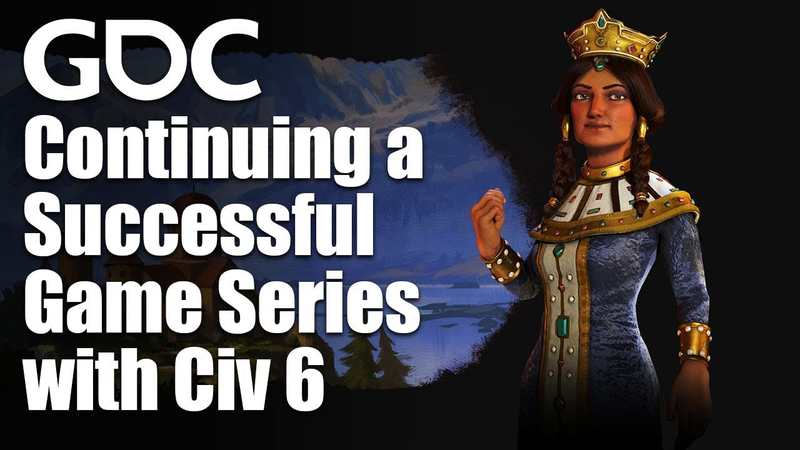



Comments