1 free read left. Create a free account for unlimited reading + AI research.
Create free accountArticle Board Game Studies Journal
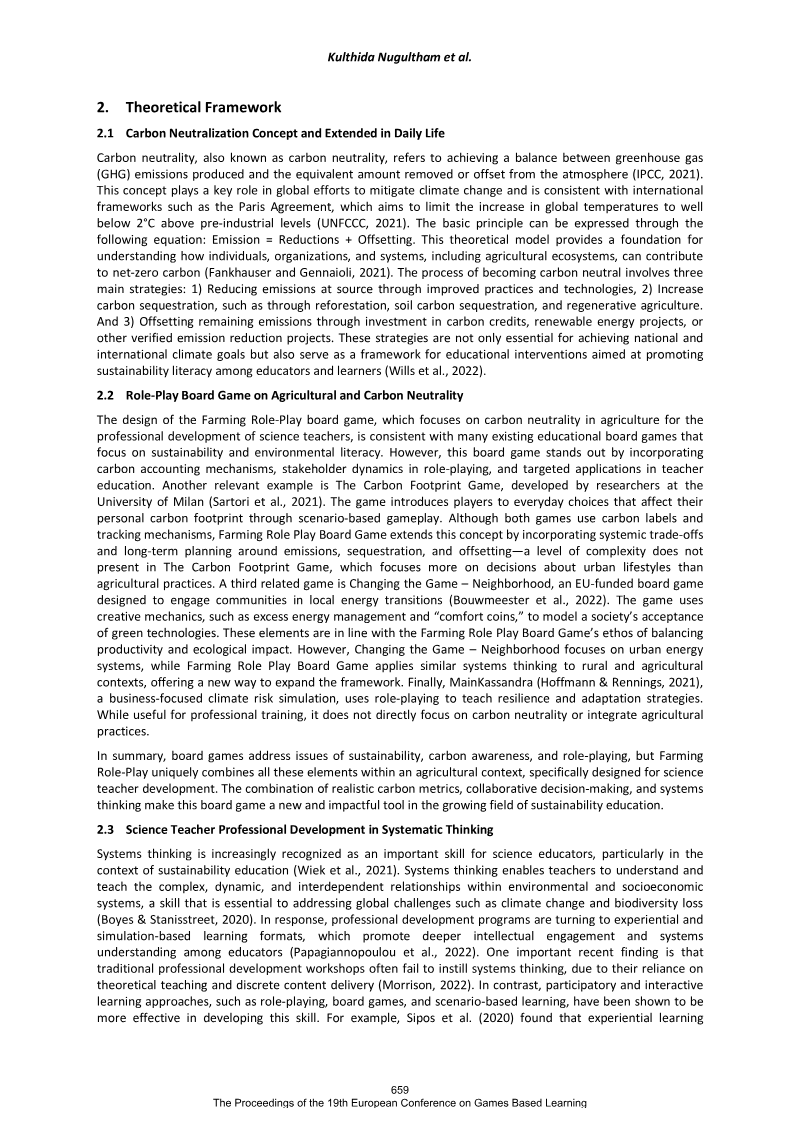
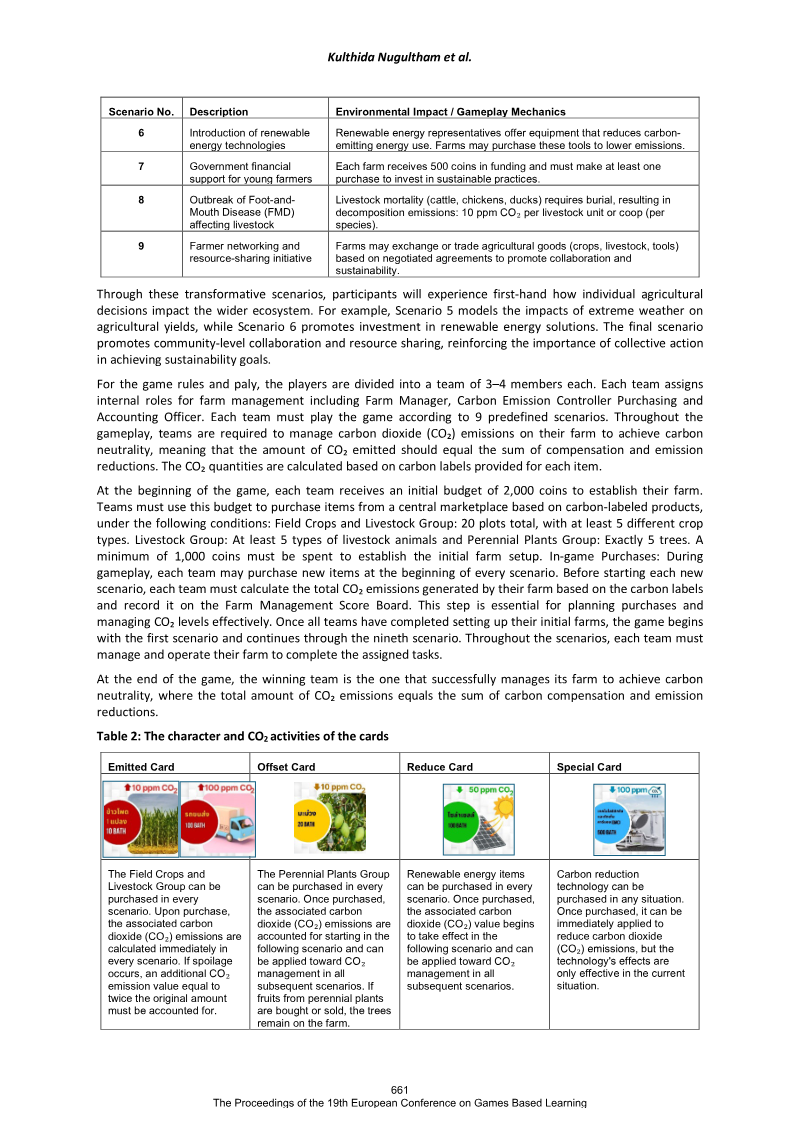
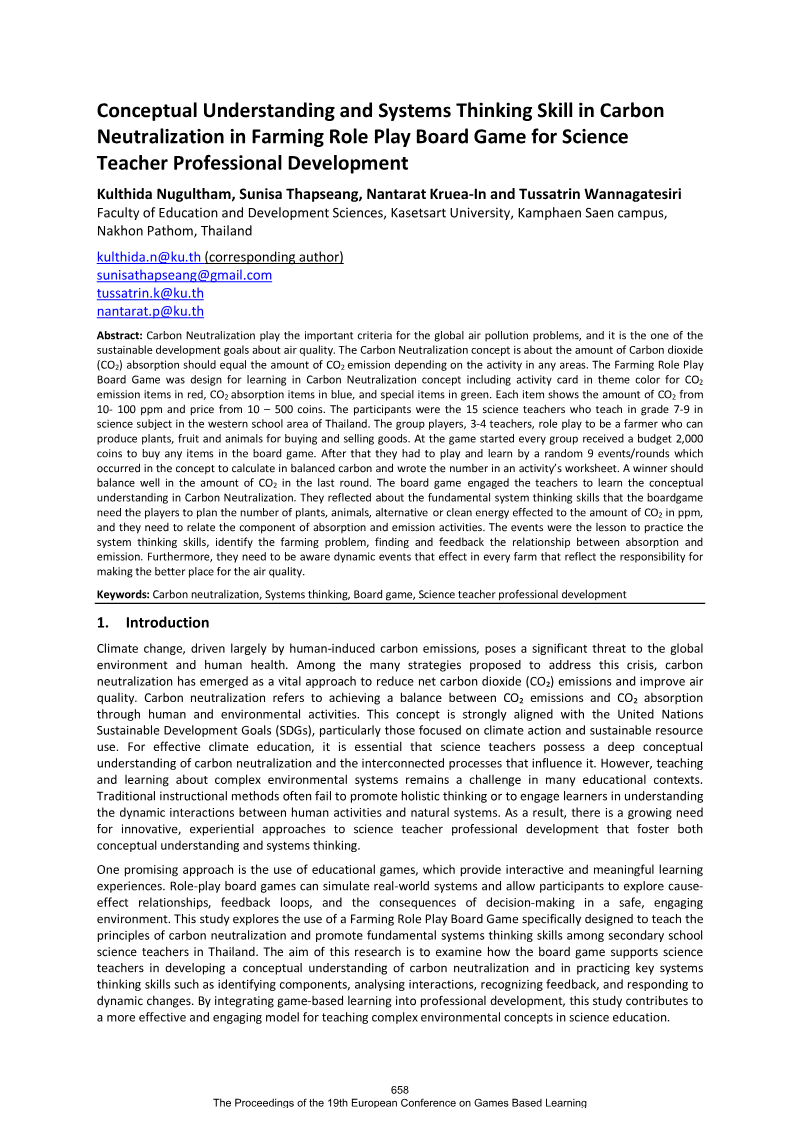
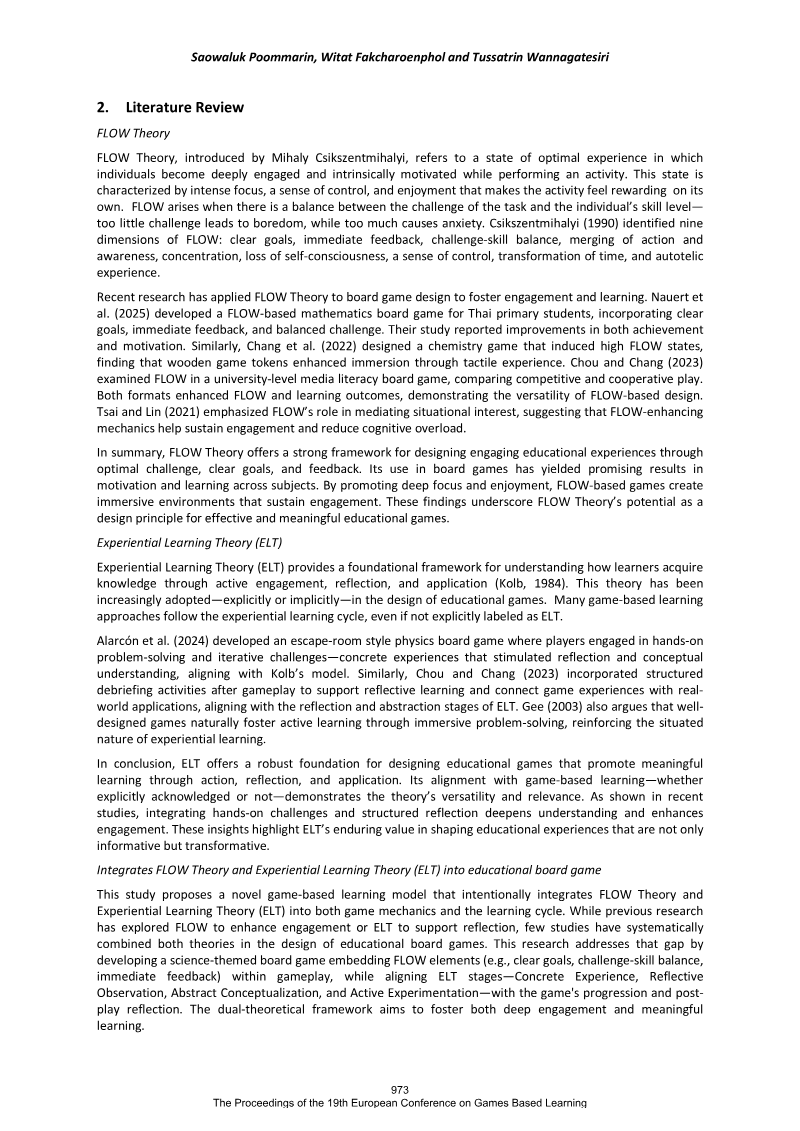
1 free read left. Create a free account for unlimited reading + AI research.
Create free accountArticleBoard Game Studies Journal
The slab belonged to Agate, daughter of the Ostrogothic comes Gattila, and is dated to 512 AD.
The document, a Board Game Studies article by Francesco Muscolino, examines a previously overlooked engraved pattern on the Milanese funerary slab of Agate, daughter of the Ostrogothic comes Gattila, dated to 512 AD and discovered in 1783 near Milan's Duomo. The slab bears an inscription with a consular date of 511 and has long attracted scholarly attention for its epigraphic content and the identity of Gattila. Its central thesis is that a "triple enceinte," a three-ring board of the type associated with the nine men's morris (filetto) or a related tabula lusoria, was incised on the stone yet never recorded in prior scholarship. The author proposes this pattern as a significant feature that calls for reassessment of the monument.
The analysis weighs whether the board predates, is contemporary with, or postdates the funerary text. Technical evidence, particularly the contrast between fine scratched lines of the board and the deeper, broader letter grooves of the inscription, leads the author to conclude that simultaneous execution is unlikely, and that the board most probably predates the 1783 discovery. The study also places the slab within a wider catalogue of reused epigraphic stones from Rome, Trier, and other Roman-era sites, where tabulae lusoriae appear on one or both faces. This evidence demonstrates that the recycling of game boards and inscriptions was a recurrent practice across the Roman world.
The scope thus combines late antique Italian epigraphy with the broader history of ancient board games, and the open questions concern the slab's conservation history and whether the board held symbolic meaning or represents secondary reuse of a stone.
Board Game Studies Journal · 2025
Board Game Studies Journal · 2025
Board Game Studies Journal · 2025
Board Game Studies Journal · 2025
Board Game Studies Journal · 2025
Board Game Studies Journal · 2025
Board Game Studies Journal · 2024
Board Game Studies Journal · 2024
Board Game Studies Journal · 2024
Board Game Studies Journal · 2024
Board Game Studies Journal · 2024
Board Game Studies Journal · 2023
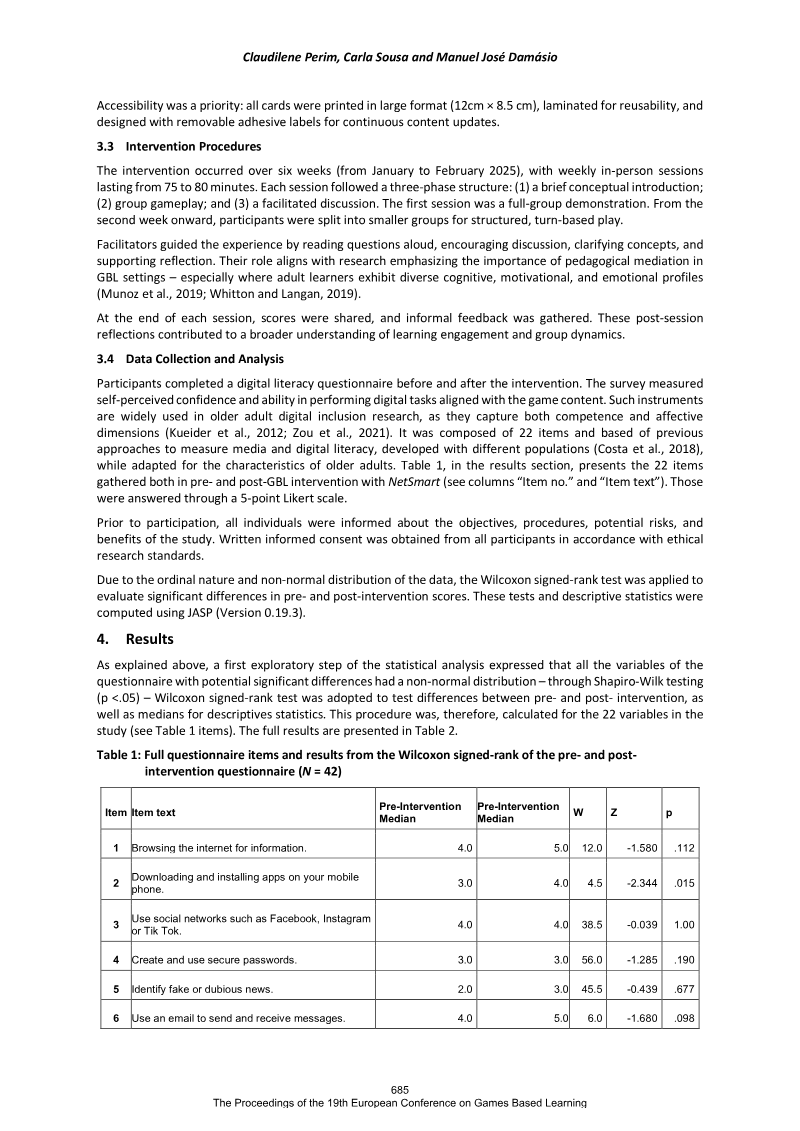
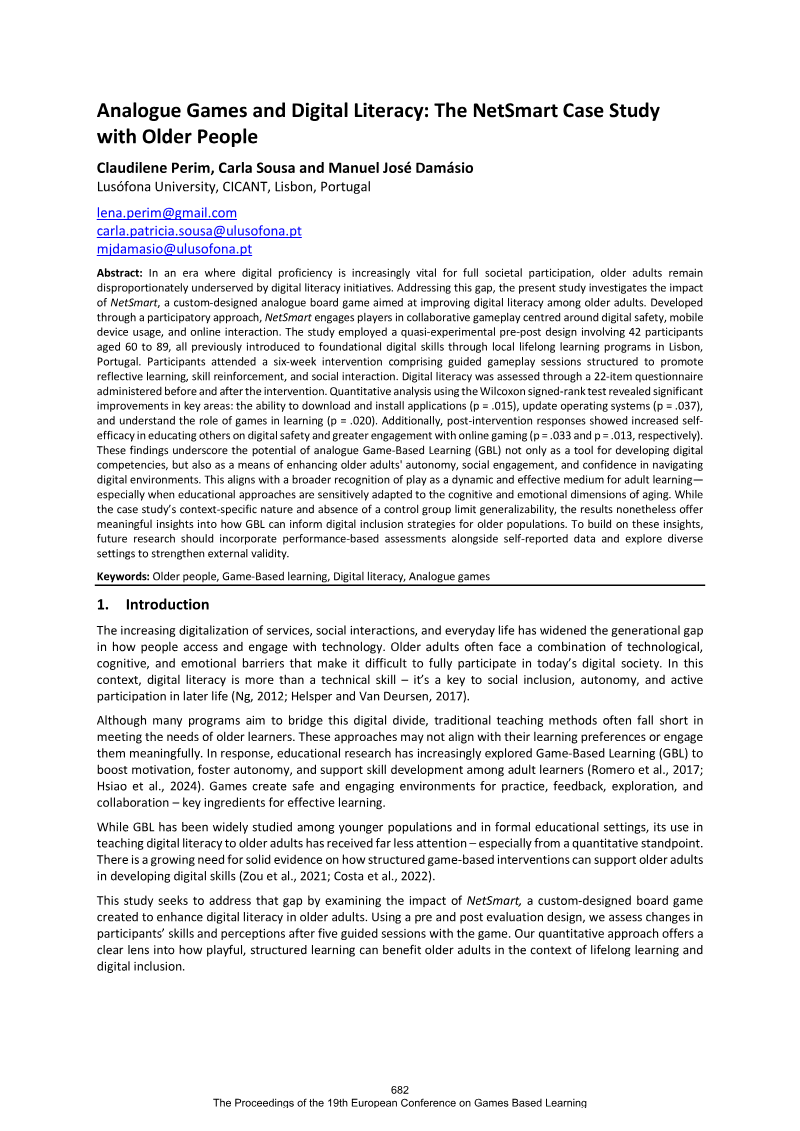
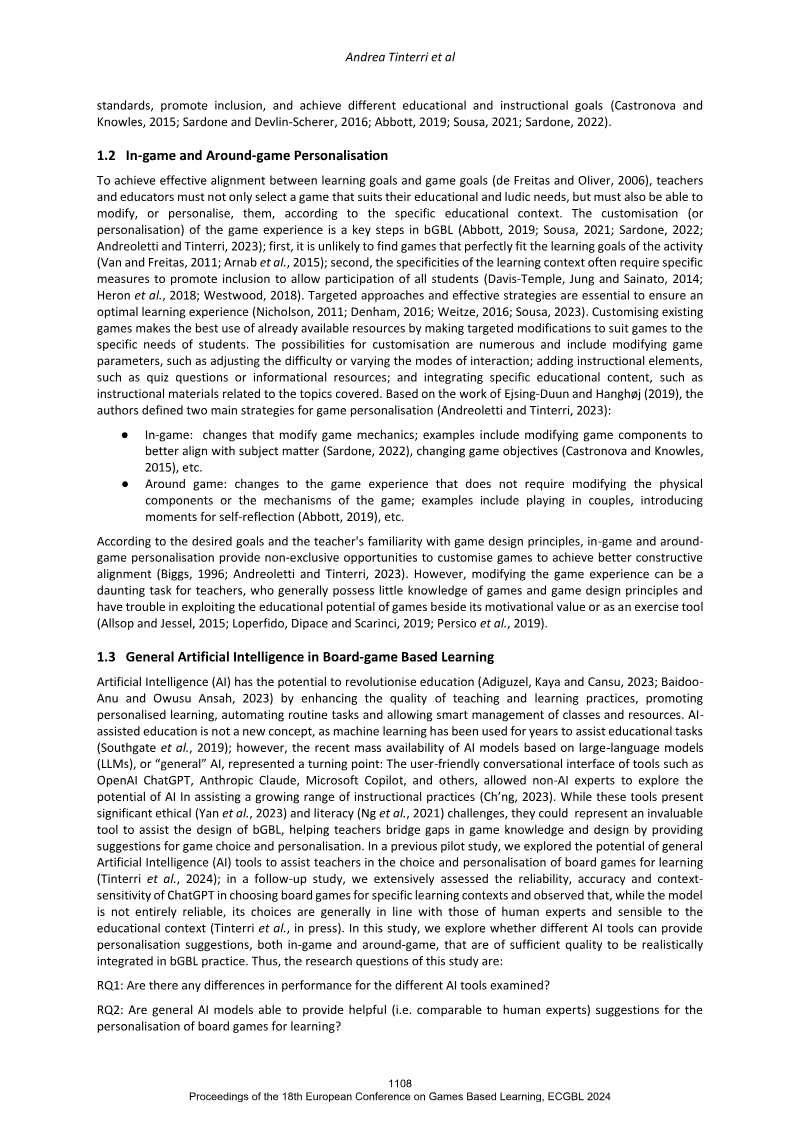
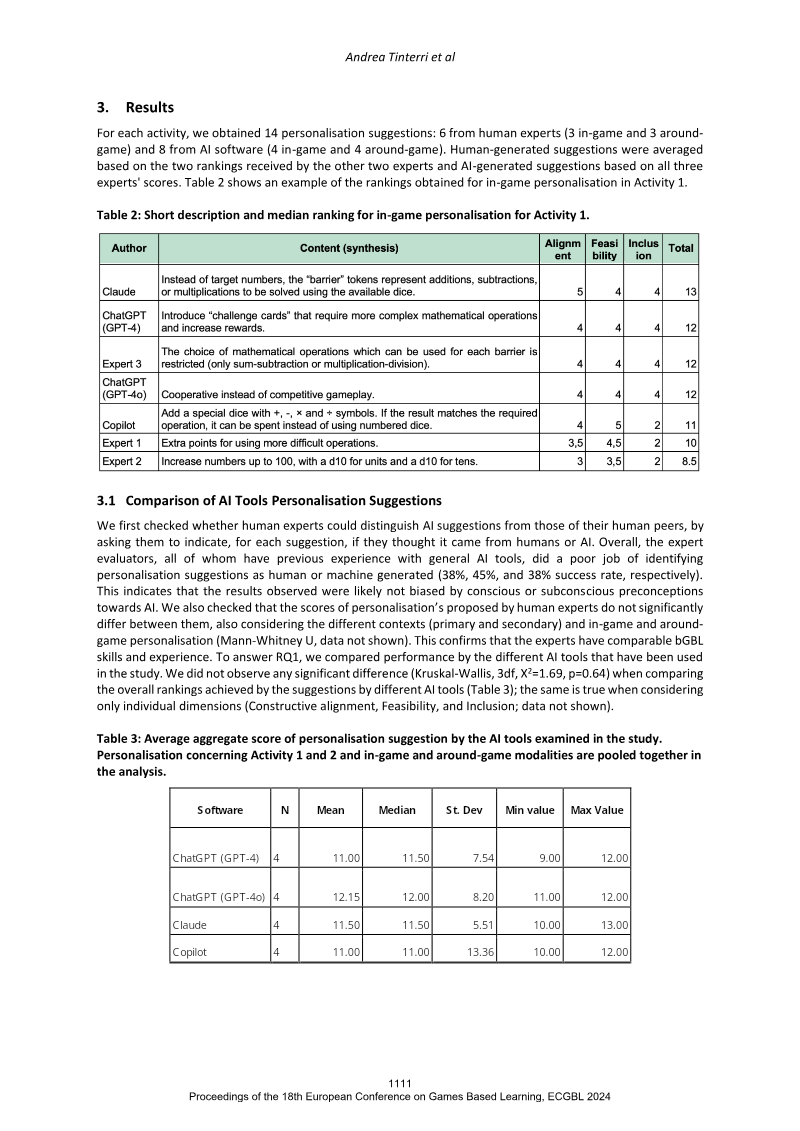
European Conference on Games Based Learning (ECGBL) · 2026