1 free read left. Create a free account for unlimited reading + AI research.
Create free accountWhitepaper DiGRA
1 free read left. Create a free account for unlimited reading + AI research.
Create free accountWhitepaperDiGRA
The authors argue that abstract experiential concepts such as fun, flow, or immersion are difficult to apply in design practice. They propose focusing on how players take part in gameplay instead.
"Understanding the Videogame Medium: Perspectives of Participation" proposes a conceptual framework for designing and evaluating videogames by focusing on how players take part in gameplay rather than on abstract experiential concepts such as fun, flow, or immersion, which the authors argue are difficult to operationalize for design practice. Drawing on Activity Theory's notion of multi-mediation, the framework organizes participation through six perspectives: Playfulness, Challenge, Embodiment, Sociability, Sensemaking, and Sensoriality. Each perspective is grounded in established play theory and player-motivation research, and is analyzed through three focuses: Intention, Artifact, and Participation. The model is primarily theoretical rather than empirical, offering designers and analysts a structured vocabulary for considering how mediators such as avatars, rules, resources, and social structures shape the experiences players actually have.
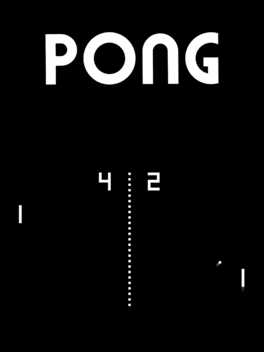
The framework is illustrated through case analyses spanning a range of titles and design approaches, including Noby Noby Boy as an exemplar of Playfulness, Pong for Challenge, Wii Sports for Embodiment, September 12th for Sensemaking, Flower for Sensoriality, and The Endless Forest for Sociability. These examples are drawn from the commercial and independent game landscape and demonstrate how each perspective can serve as a dominant lens for interpreting a game's design and the participation it invites.
The authors conclude that the model usefully rationalizes videogame design decisions and supports the evaluation of player experience. They are candid about its limitations, however. Analyses to date concentrate on a single dominant perspective per game, leaving open questions about how the perspectives interact in more complex designs. The authors also identify a need for better metrics of participation, noting that behavioral measures capture what players do but offer limited insight into the emotional significance of that activity. Addressing these gaps is positioned as the next step for refining the framework's analytical and evaluative utility.
Each row is a game or company this document names, each column a document, oldest first. A mark means that document names it. Select a row to see those documents.
DiGRA · 2020
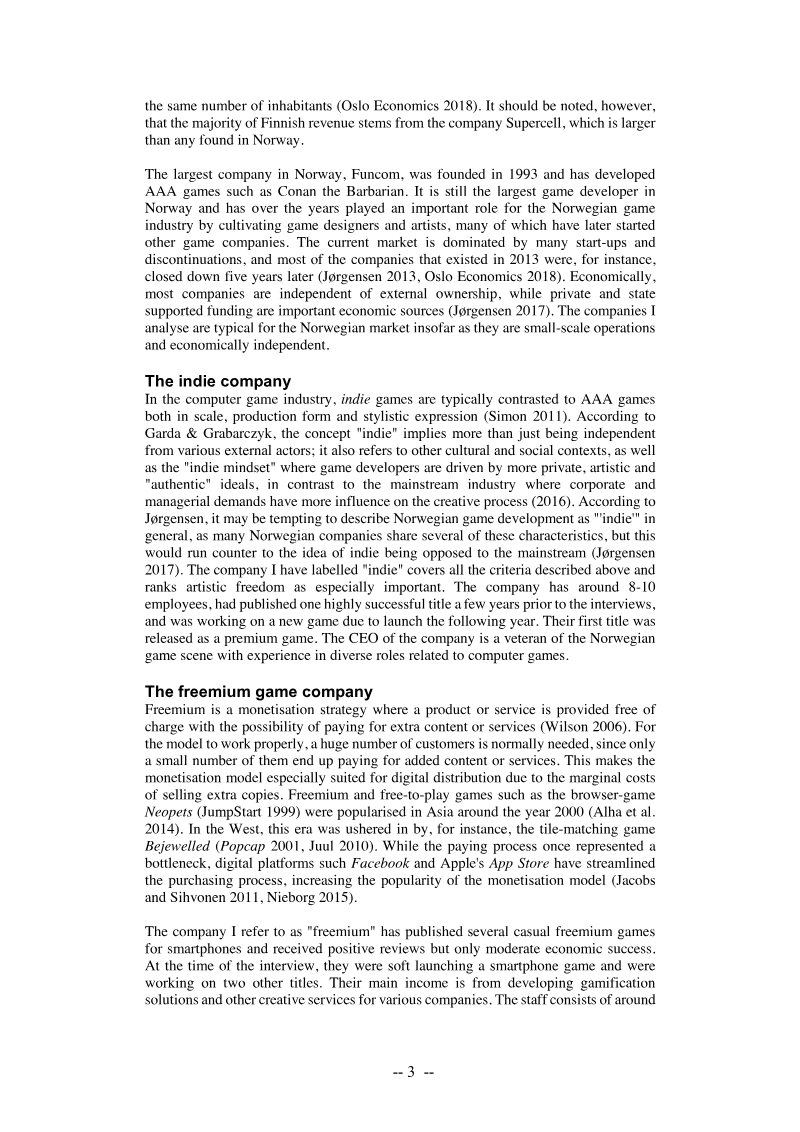
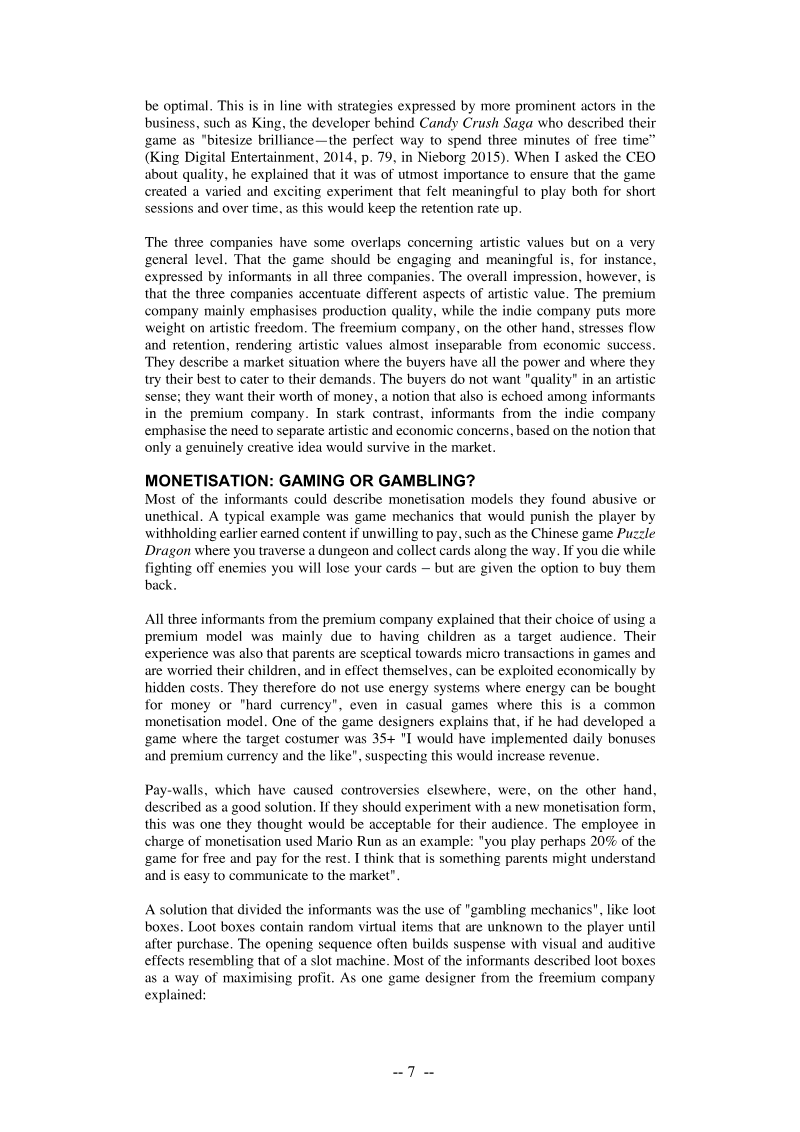
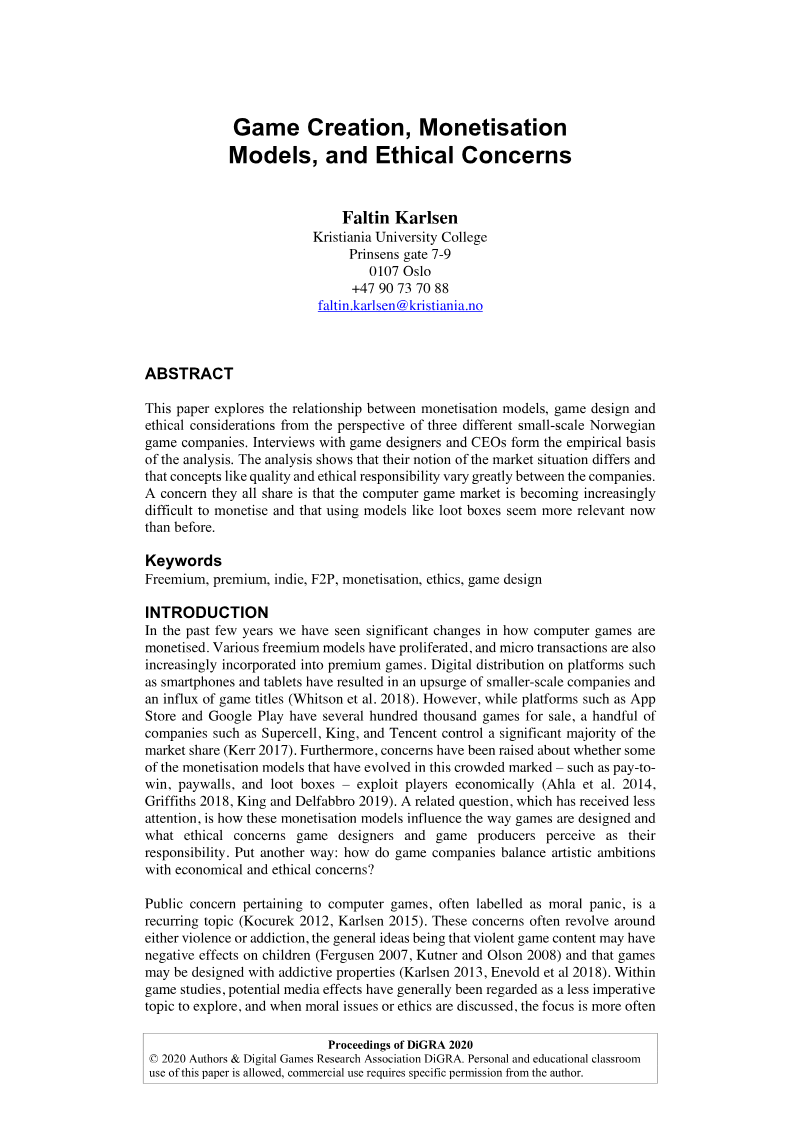
DiGRA · 2020
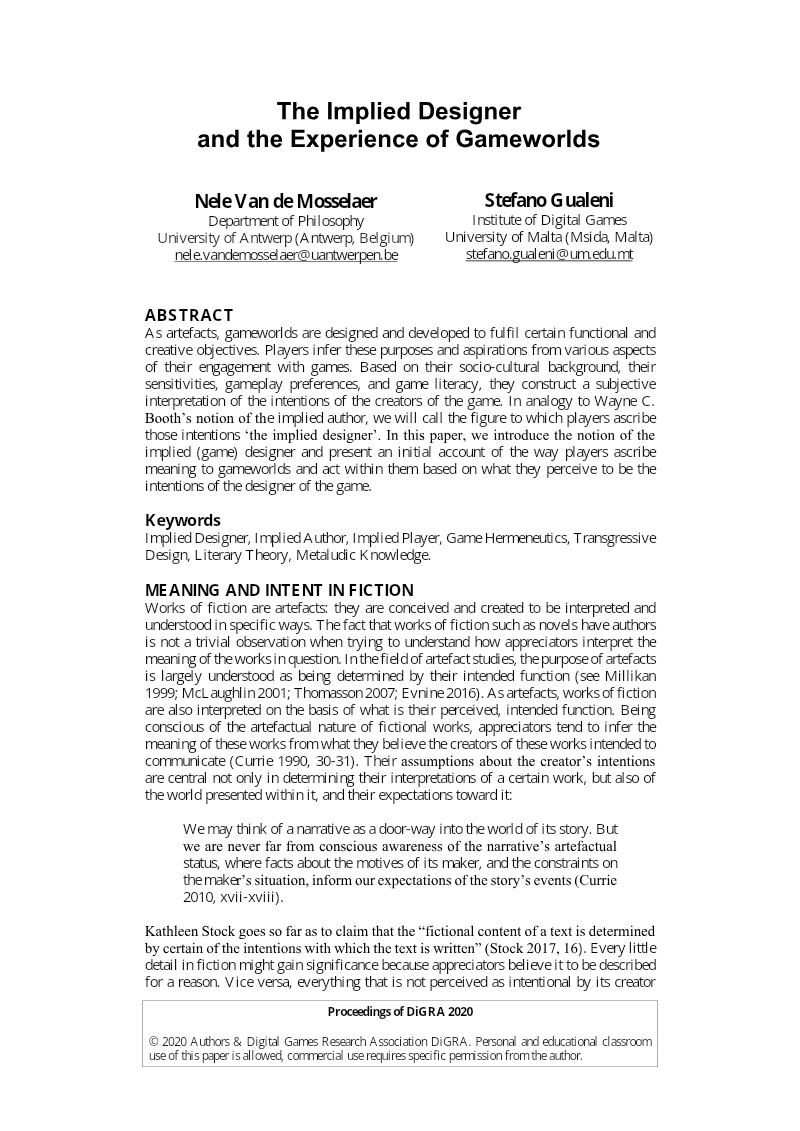
DiGRA · 2020
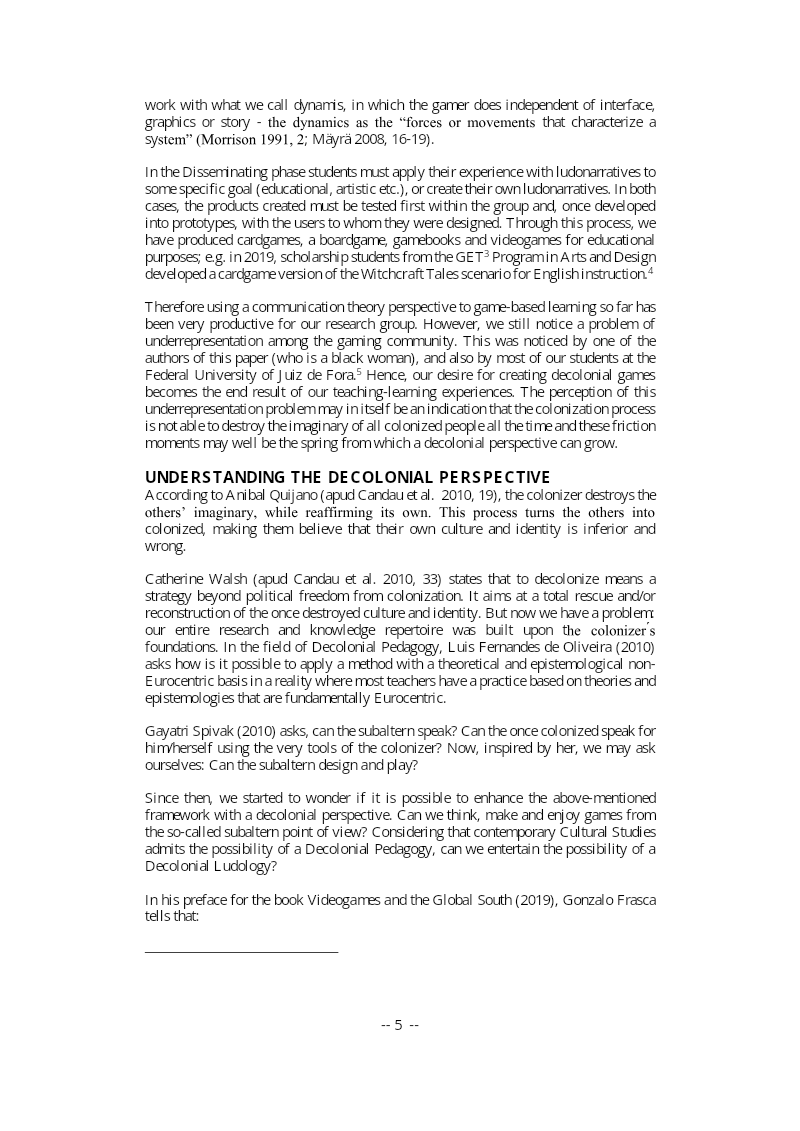
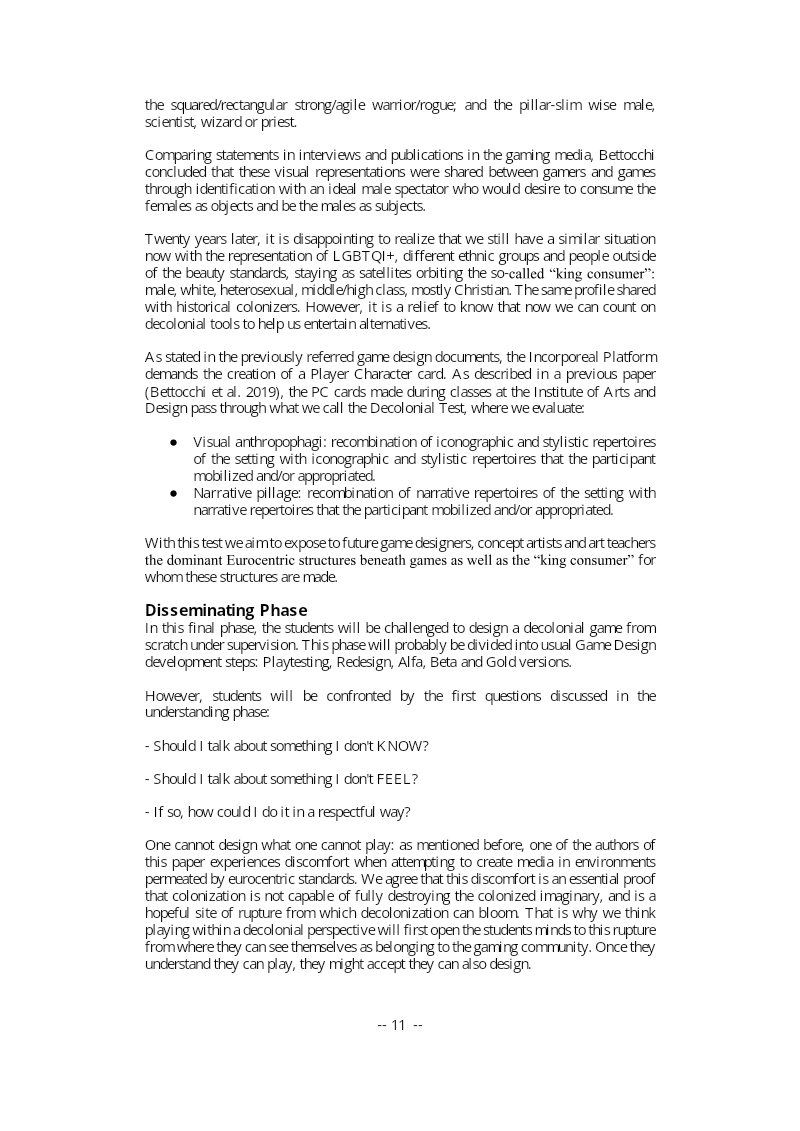
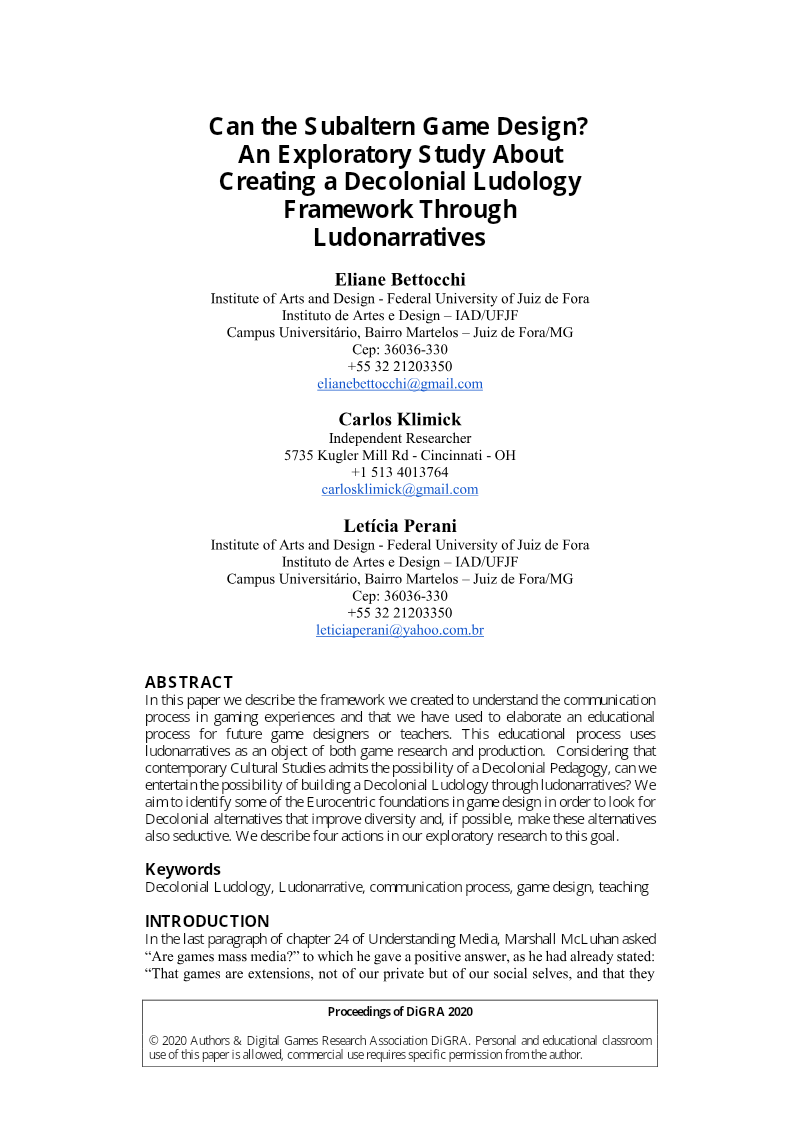
DiGRA · 2020
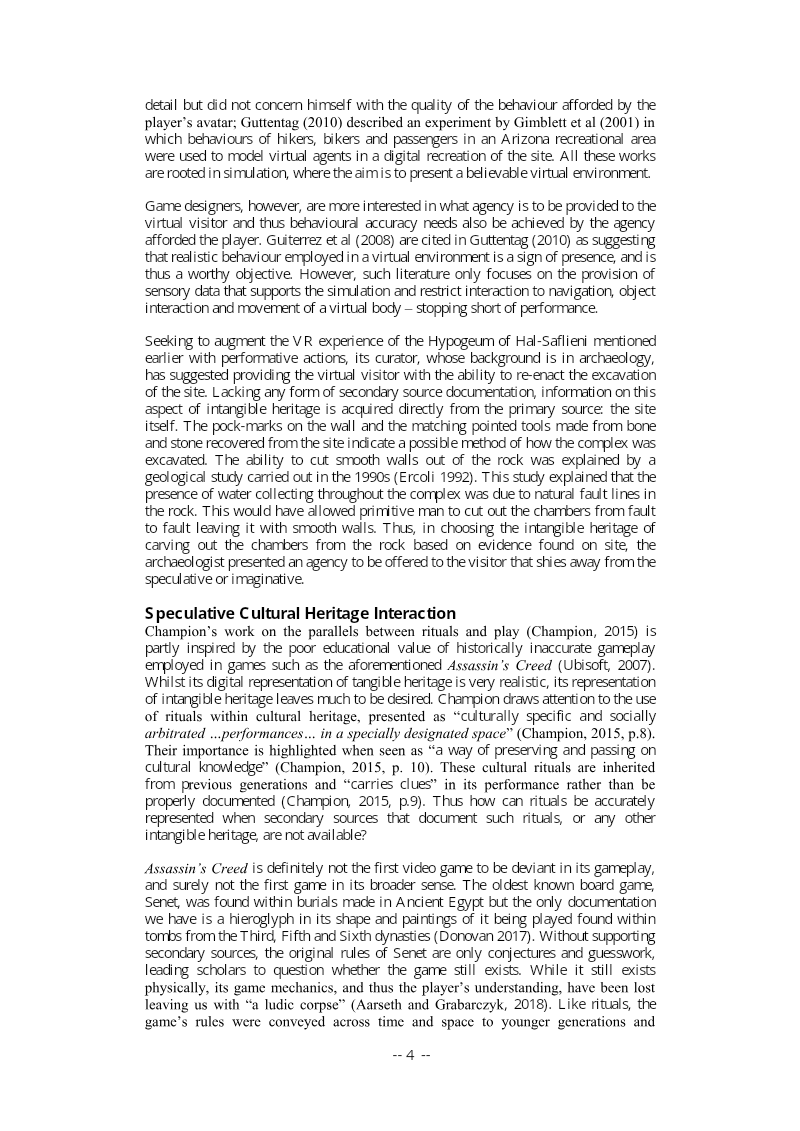

DiGRA · 2020
DiGRA · 2020
DiGRA · 2020
DiGRA · 2020
DiGRA · 2020
DiGRA · 2020
DiGRA · 2020
DiGRA · 2020