1 free read left. Create a free account for unlimited reading + AI research.
Create free accountWhitepaper gamevironments
1 free read left. Create a free account for unlimited reading + AI research.
Create free accountWhitepapergamevironments
The report argues that framings such as the "Dark Ages" and "Romantic Middle Ages" are more productive material for students than strict checks of games' historical accuracy.
This teaching report examines a research-led seminar on the Middle Ages in digital games, delivered at Kiel University in 2023. Its central argument is that modern popular narratives of the medieval period, including the "Dark Ages" and "Romantic Middle Ages" framings, offer more productive analytical ground for students than strict fact-checking of games' historical accuracy. Students selected their own research questions, produced creative media-based projects, and gave and received peer feedback, with eleven groups contributing work, four of them in short video form.
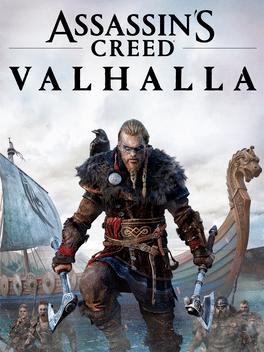
The reported outcomes are primarily qualitative. Student projects were judged at least as strong as those produced through traditional formats, and a speed-dating method for topic selection generated diverse, non-overlapping research questions. Case studies illustrate the approach: one group concluded that the introduction to Assassin's Creed Valhalla immersively frames its Viking setting, while a survey of 20 secondary pupils found that the Stronghold titles' screenshots and music were perceived as authentic yet unappealing, with respondents leaning heavily on pop-cultural stereotypes of the Dark Middle Ages. The authors judge the research-led format more productive than conventional examinations, while flagging time management and the limits of "authenticity" as an analytical category as areas needing further attention.
The scope is focused on higher education in Germany and on secondary-school perception, with the games analysed chiefly drawn from the Assassin's Creed and Stronghold series. The reference base draws on recent scholarship on teaching medieval history through games and on studies of historical atmosphere in digital media. A methodological note clarifies the deliberate use of "authenticity" rather than "authentic," reflecting the authors' concern that pupils might misinterpret the latter term.
European Conference on Games Based Learning (ECGBL) · 2023