1 free read left. Create a free account for unlimited reading + AI research.
Create free accountArticle Deconstructor of Fun
1 free read left. Create a free account for unlimited reading + AI research.
Create free accountArticleDeconstructor of Fun
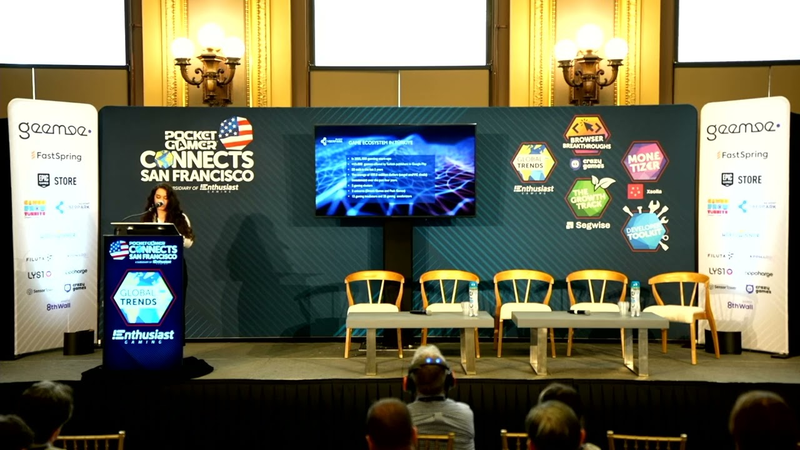
The Turkish mobile gaming sector has emerged as a global powerhouse, characterized by a unique ecosystem that balances high-level technical execution with intense, localized work cultures. The industry’s rapid ascent is largely attributed to the "Peak effect," a phenomenon stemming from the 2020 acquisition of Peak Games by Zynga. This event catalyzed the creation of over 65 new enterprises and established a deep pool of experienced talent, attracting significant international venture capital.
Key characteristics defining successful Turkish studios include a strong preference for in-house development and a reliance on compact, agile teams. These studios prioritize meticulous optimization, data-driven decision-making, and rigorous testing cycles, often favoring on-site work environments to foster synergy and rapid communication. While these practices have driven significant success in saturated genres like puzzle and casual games, the industry faces ongoing challenges, particularly regarding talent retention and the limitations of a relatively small, localized labor pool.
Furthermore, Turkish developers operate within a landscape marked by enduring geopolitical volatility, which necessitates high levels of resilience and adaptability. Despite these external pressures, the sector maintains a reputation for competitive compensation and a strong, multi-generational work ethic. The success of companies like Spyke Games—which leveraged modular development and cross-genre mechanical integration to scale titles like Tile Busters—exemplifies the broader trend of Turkish studios successfully blending creative innovation with disciplined, performance-oriented operations. Ultimately, the Turkish gaming phenomenon is defined by a commitment to self-reliance and a relentless focus on product quality, positioning the nation as a critical hub in the global mobile gaming market.

Deconstructor of Fun · 2026

Deconstructor of Fun · 2026

Deconstructor of Fun · 2026

Deconstructor of Fun · 2026

Deconstructor of Fun · 2026

Deconstructor of Fun · 2026

Deconstructor of Fun · 2026

Deconstructor of Fun · 2026

Deconstructor of Fun · 2026

Deconstructor of Fun · 2026

Deconstructor of Fun · 2026

Deconstructor of Fun · 2026
PocketGamer.biz · 2025