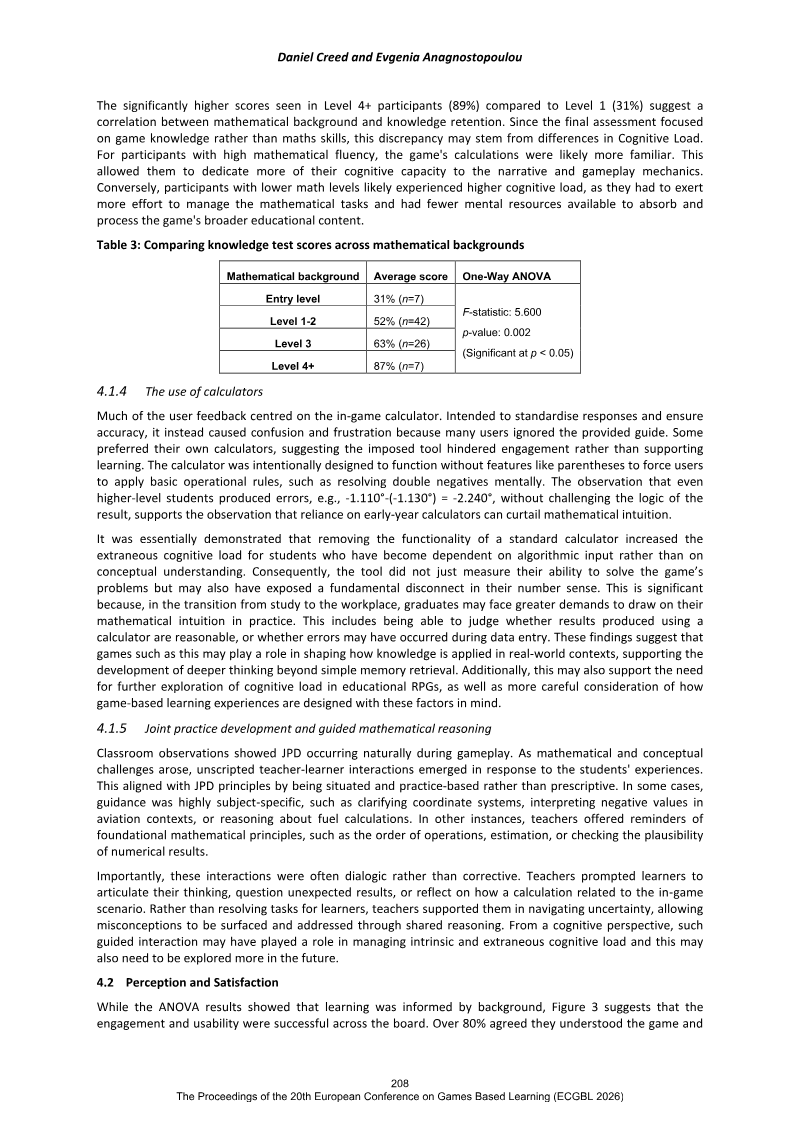
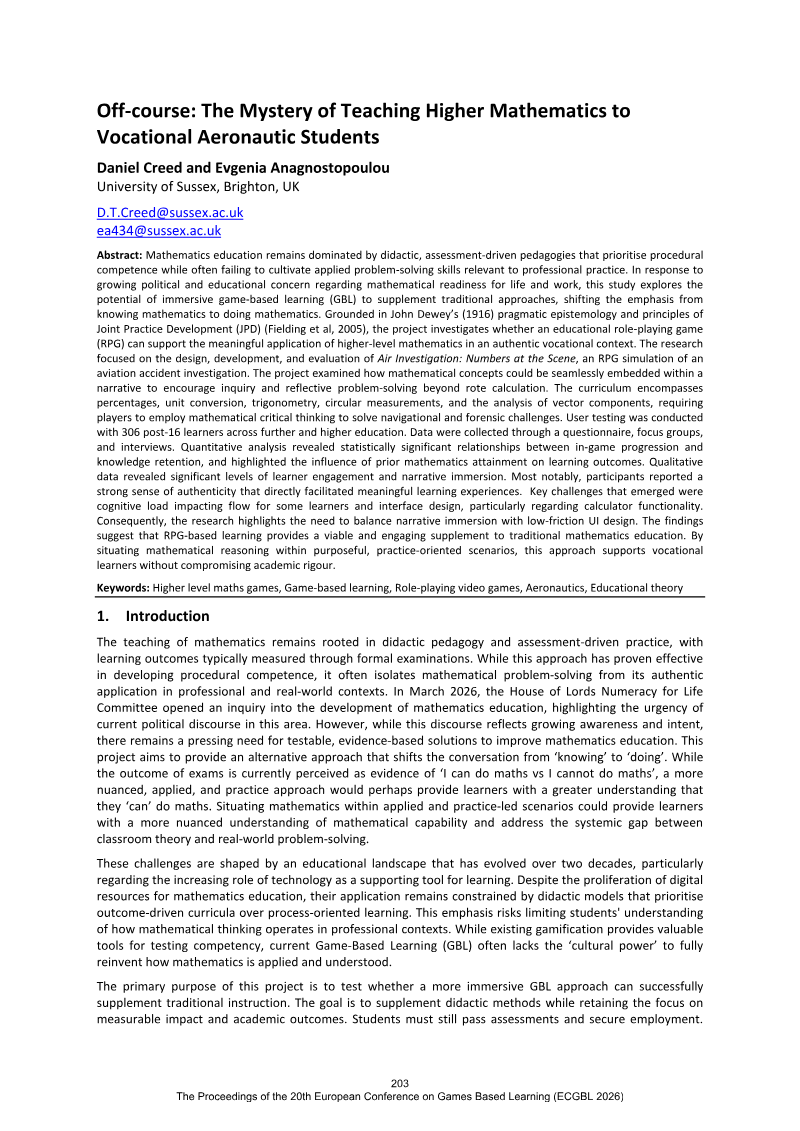
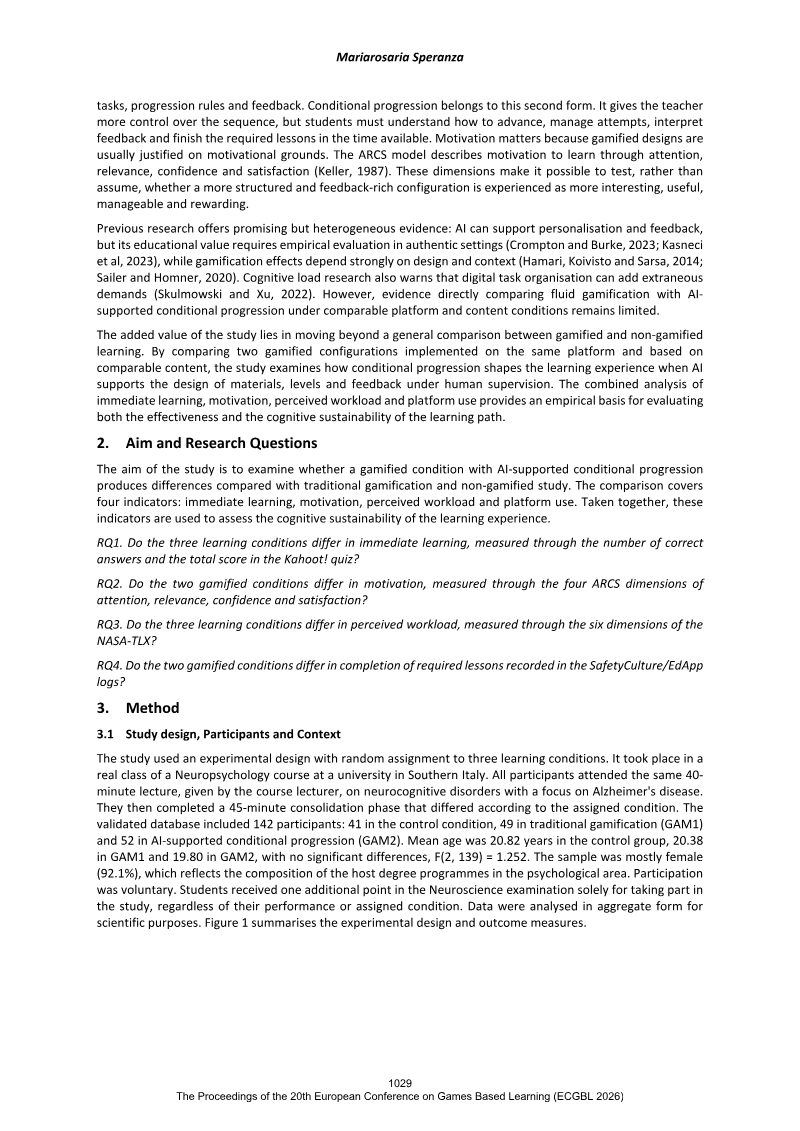
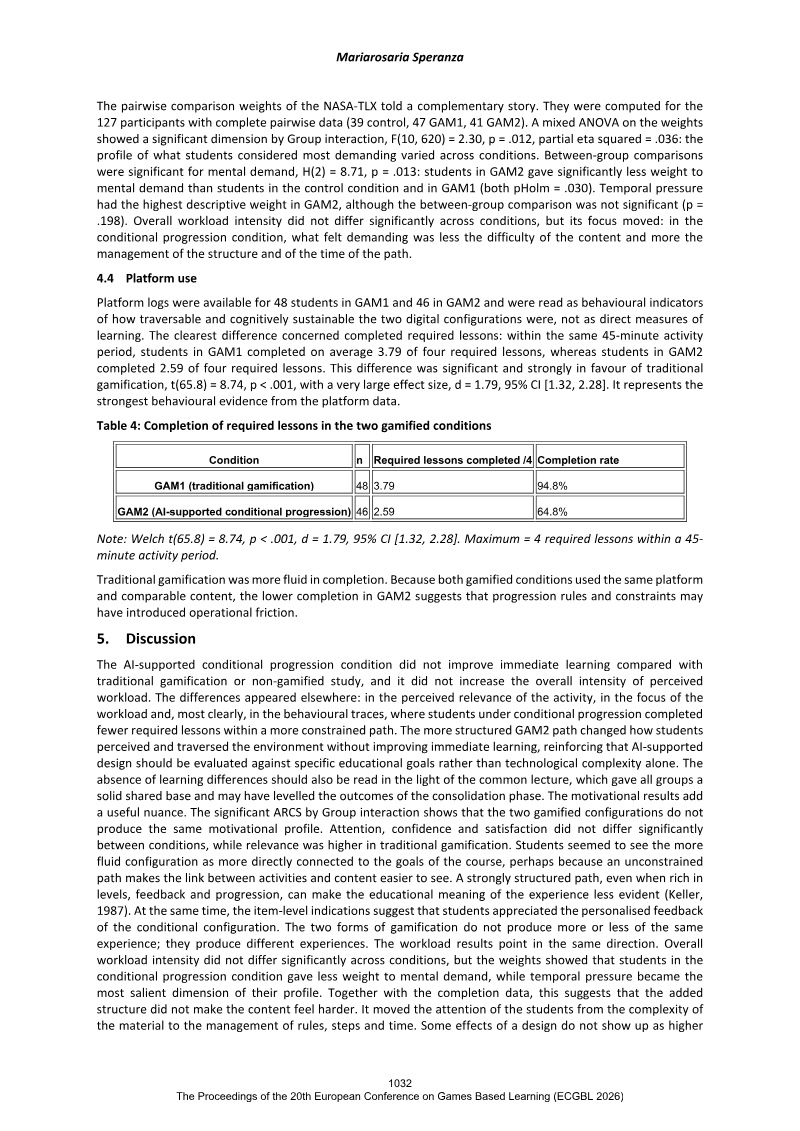
1 free read left. Create a free account for unlimited reading + AI research.
Create free accountWhitepaper European Conference on Games Based Learning (ECGBL)
1 free read left. Create a free account for unlimited reading + AI research.
Create free accountWhitepaperEuropean Conference on Games Based Learning (ECGBL)
The framework argues that a simulation's fidelity is how closely it mimics the aspects relevant to the learning goal.
The Tasks-Interactions-Environment (TIE-SSG) framework proposes a conceptual model for integrating simulations and serious games into healthcare education, with the aim of strengthening practical and clinical competences. Its central argument is that fidelity, the degree to which a simulation or serious game mimics aspects relevant to the learning goal, should be understood in terms of educational purpose rather than physical realism alone. Drawing on instructional scaffolding and the Zone of Proximal Development, the authors build on earlier frameworks such as TAM, TPACK, Kirkpatrick's model, TPACK-G, and CAMIL, as well as progressive realism research showing improved clinical skill transfer.
The framework organizes fidelity into three dimensions: tasks, interactions, and environment, each with its own fidelity focus. A key recommendation is that fidelity should progress over the course of training. Lower environmental fidelity in early stages is proposed to reduce cognitive load, with realism increasing as learners advance, and user tasks and game-generated tasks should align with authentic real-world objectives.
The framework is presented as a conceptual tool to help educators evaluate and integrate serious games, and it has not yet been empirically validated. The authors acknowledge that it concentrates on simulation elements rather than broader game elements, and practical testing is identified as a necessary next step. The supporting literature cited addresses teachers' technology acceptance, ICT professional development, presence and performance in remote virtual simulation training, and fidelity in simulation-based serious games, providing the context within which the framework is positioned.



European Conference on Games Based Learning (ECGBL) · 2026



European Conference on Games Based Learning (ECGBL) · 2026



European Conference on Games Based Learning (ECGBL) · 2026



European Conference on Games Based Learning (ECGBL) · 2026



European Conference on Games Based Learning (ECGBL) · 2026



European Conference on Games Based Learning (ECGBL) · 2026



European Conference on Games Based Learning (ECGBL) · 2026



European Conference on Games Based Learning (ECGBL) · 2026



European Conference on Games Based Learning (ECGBL) · 2026



European Conference on Games Based Learning (ECGBL) · 2026



European Conference on Games Based Learning (ECGBL) · 2026



European Conference on Games Based Learning (ECGBL) · 2026



European Conference on Games Based Learning (ECGBL) · 2026
European Conference on Games Based Learning (ECGBL) · 2026



European Conference on Games Based Learning (ECGBL) · 2026