1 free read left. Create a free account for unlimited reading + AI research.
Create free accountWhitepaper European Conference on Games Based Learning (ECGBL)
1 free read left. Create a free account for unlimited reading + AI research.
Create free accountWhitepaperEuropean Conference on Games Based Learning (ECGBL)
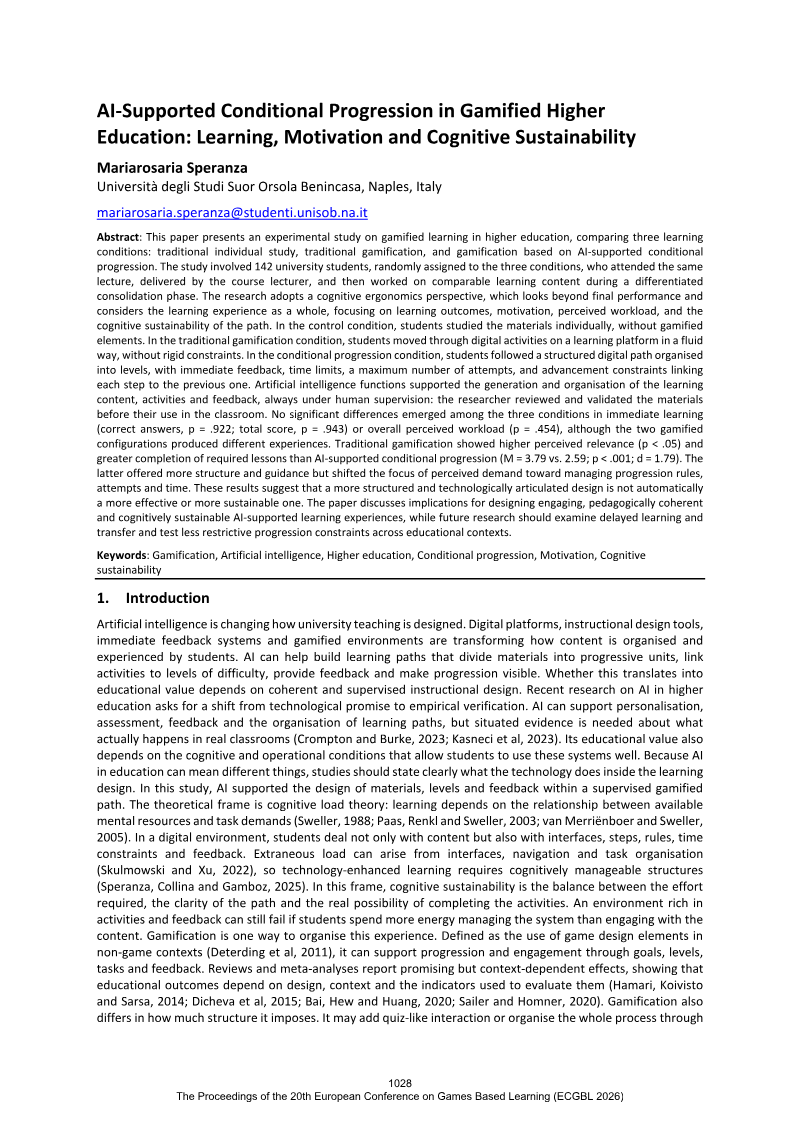
The study compared individual non-gamified study, traditional gamification, and gamification with AI-supported conditional progression. All students attended the same 40-minute lecture before a 45-minute consolidation phase.
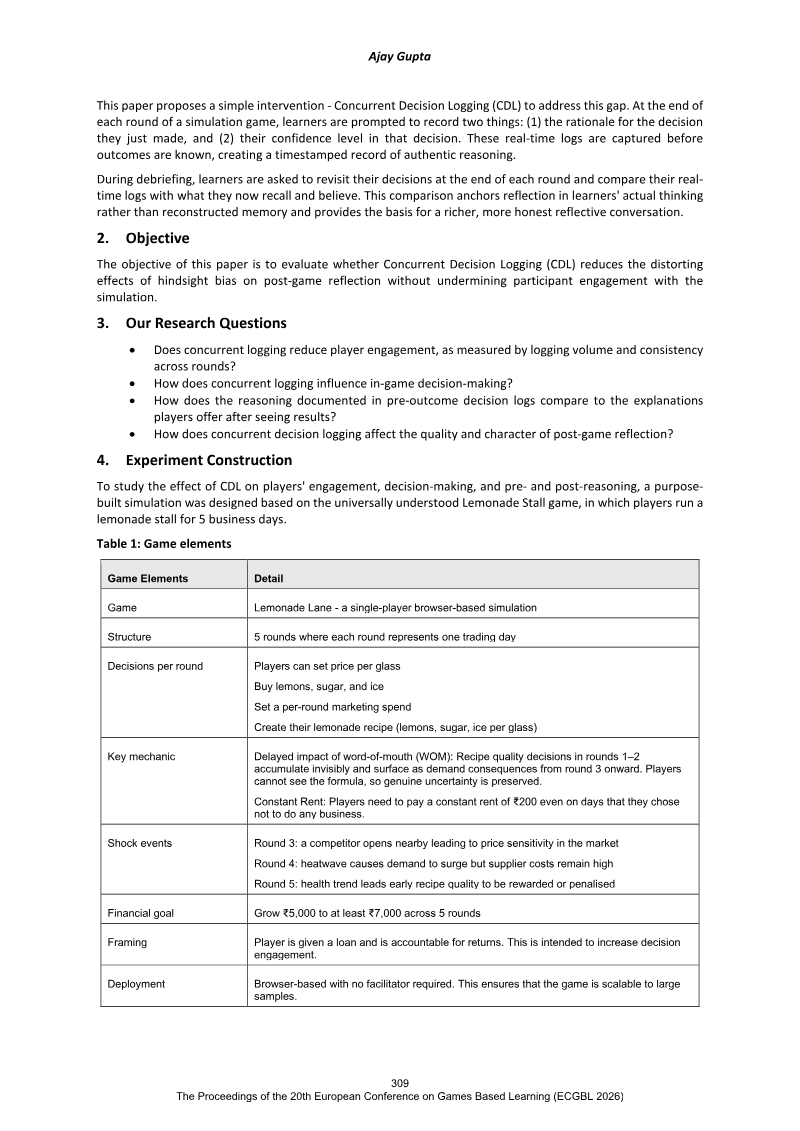
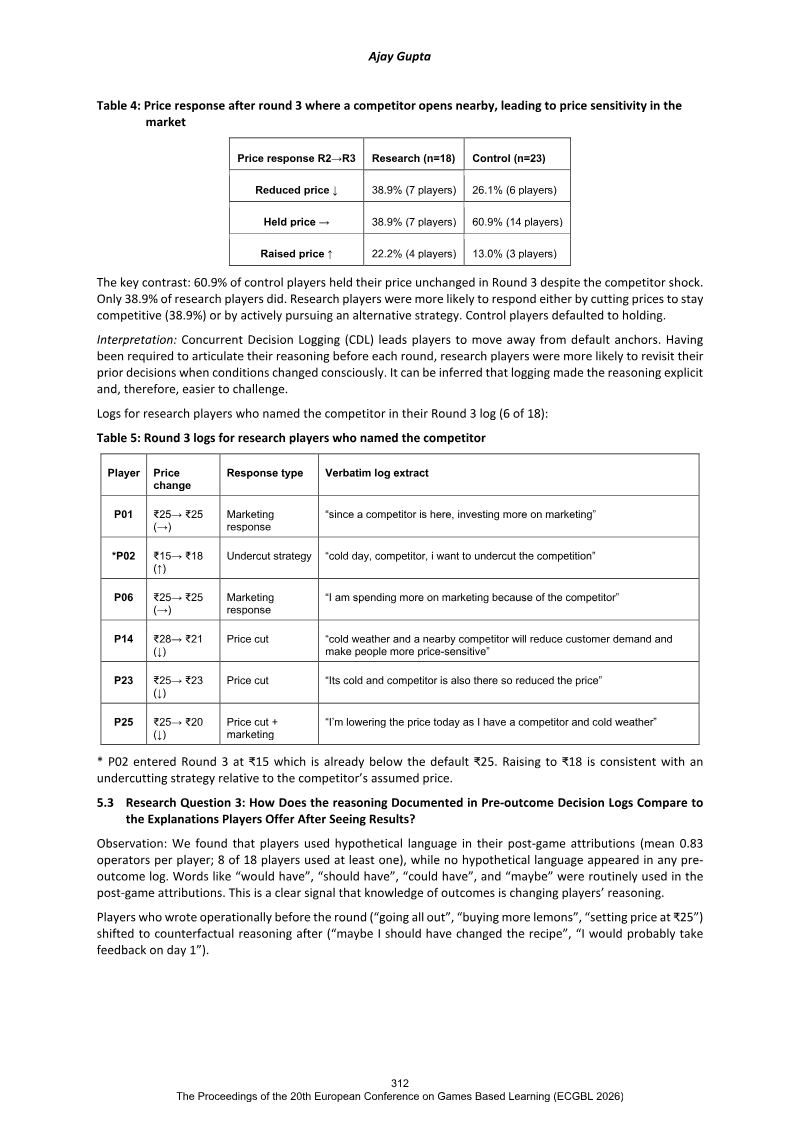
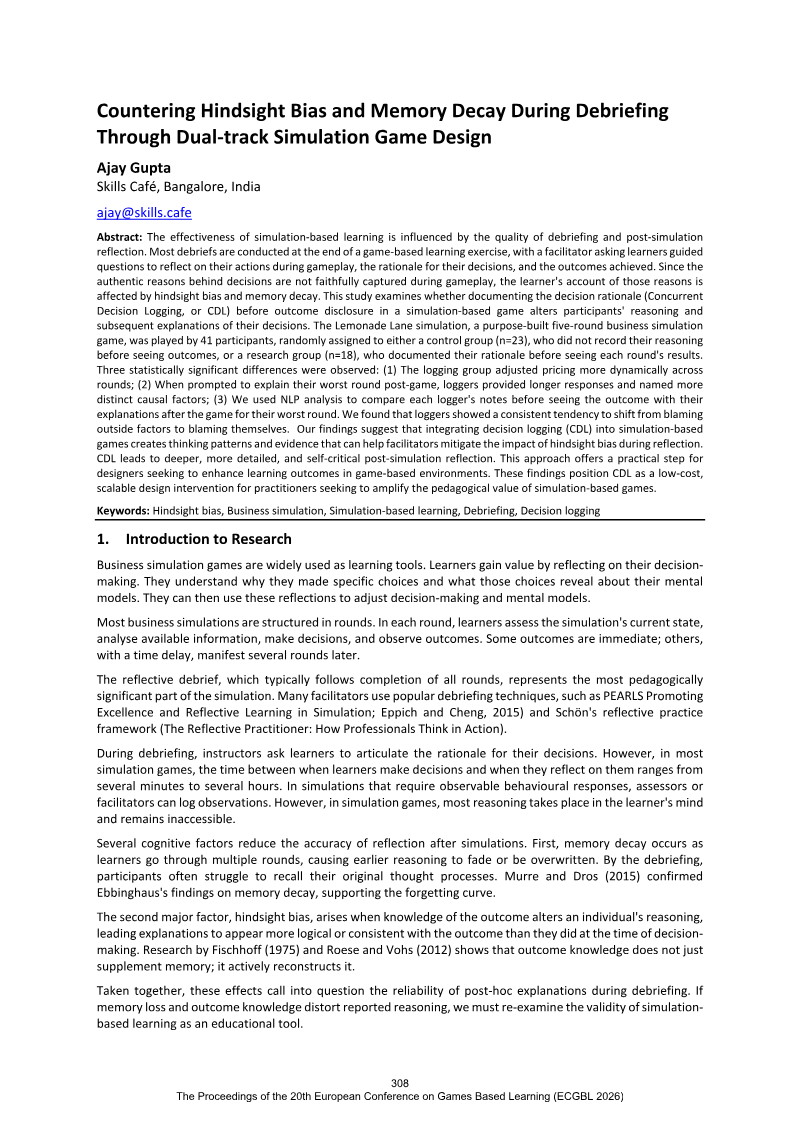
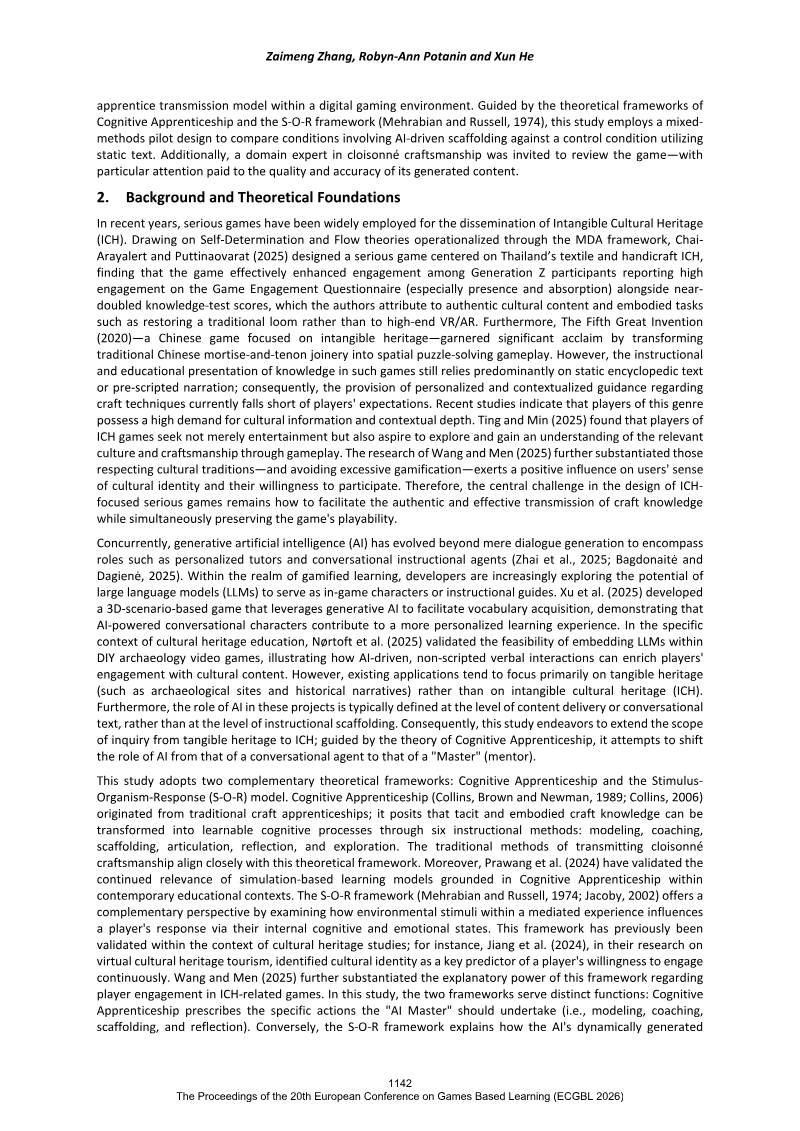
This experimental study compares three learning conditions among 142 university students in a Neuropsychology course in Southern Italy: individual non-gamified study, traditional gamification on a learning platform, and gamification with AI-supported conditional progression, in which levels, time limits, attempt caps and advancement constraints structured the path. All students attended the same 40-minute lecture before a 45-minute differentiated consolidation phase. The research adopts a cognitive ergonomics perspective, assessing immediate learning (Kahoot! quiz), motivation (ARCS model, gamified conditions only), perceived workload (NASA-TLX), and platform completion logs. AI was used to generate materials under researcher validation.
Immediate learning did not differ significantly across the three conditions, whether measured by correct answers (p = .922) or total score (p = .943), and overall perceived workload was also statistically equivalent (p = .454). Motivation showed a more differentiated picture: relevance was significantly higher in traditional gamification (M = 4.09 vs. 3.85, p < .05), while attention, confidence, and satisfaction did not differ. Workload weighting revealed that conditional progression shifted students' attention from content difficulty toward managing rules and time.
The clearest difference was behavioural. Students in traditional gamification completed substantially more required lessons than those in the conditional progression condition (3.79 vs. 2.59 of four; p < .001; d = 1.79), suggesting that progression constraints introduced operational friction. The authors conclude that more structured, AI-supported designs are not automatically more effective or sustainable, and that the sample's predominantly female composition, the single short intervention, and the absence of a power analysis limit generalisability.



European Conference on Games Based Learning (ECGBL) · 2026



European Conference on Games Based Learning (ECGBL) · 2026



European Conference on Games Based Learning (ECGBL) · 2026



European Conference on Games Based Learning (ECGBL) · 2026



European Conference on Games Based Learning (ECGBL) · 2026



European Conference on Games Based Learning (ECGBL) · 2026



European Conference on Games Based Learning (ECGBL) · 2026



European Conference on Games Based Learning (ECGBL) · 2026



European Conference on Games Based Learning (ECGBL) · 2026



European Conference on Games Based Learning (ECGBL) · 2026



European Conference on Games Based Learning (ECGBL) · 2026



European Conference on Games Based Learning (ECGBL) · 2026
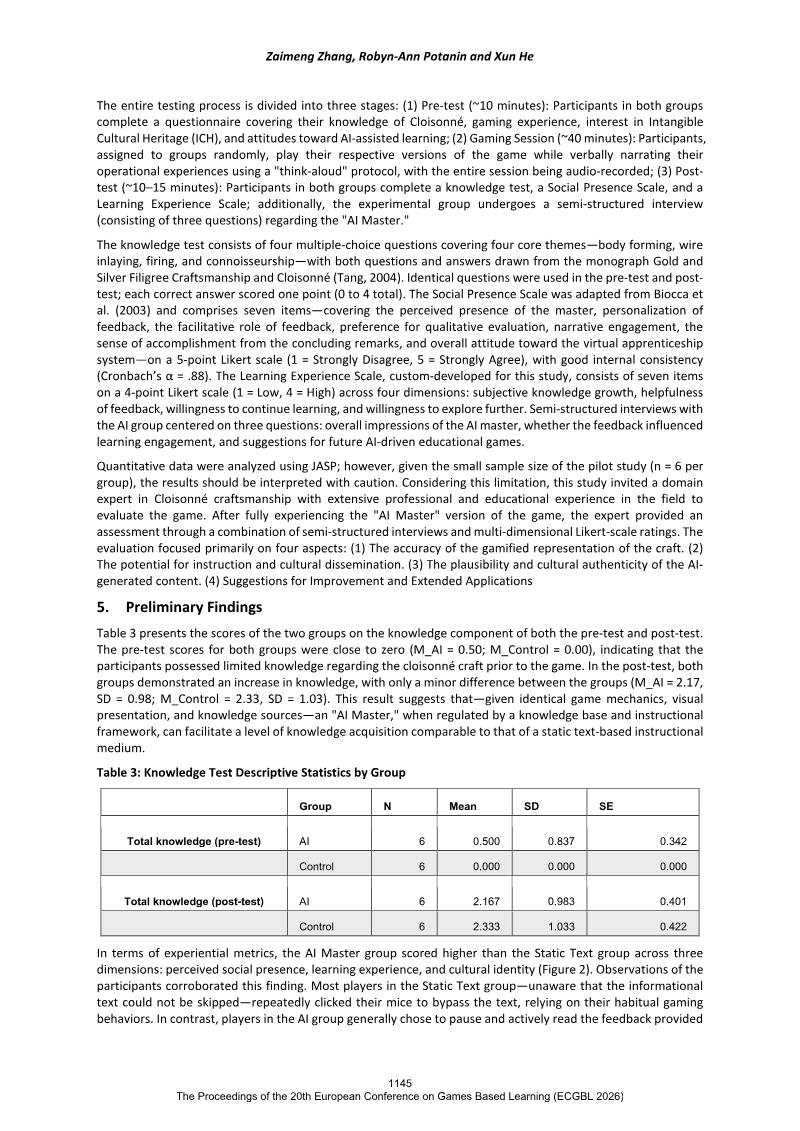
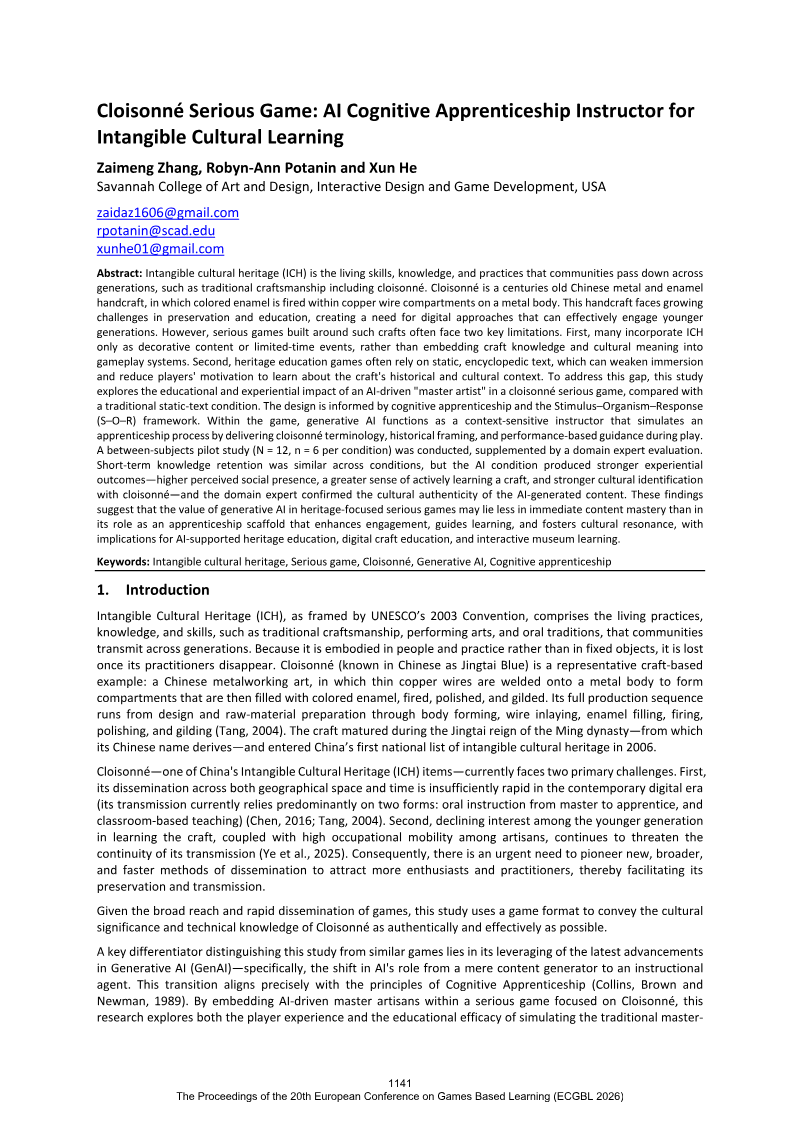
European Conference on Games Based Learning (ECGBL) · 2026
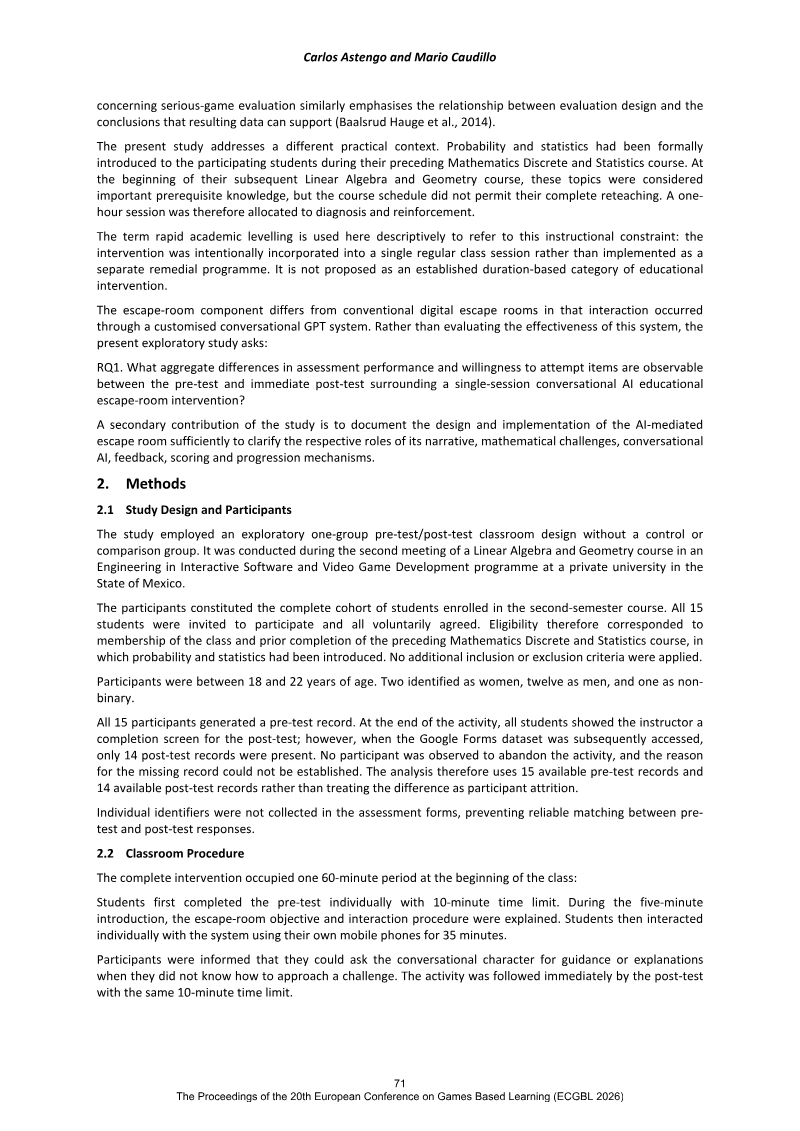
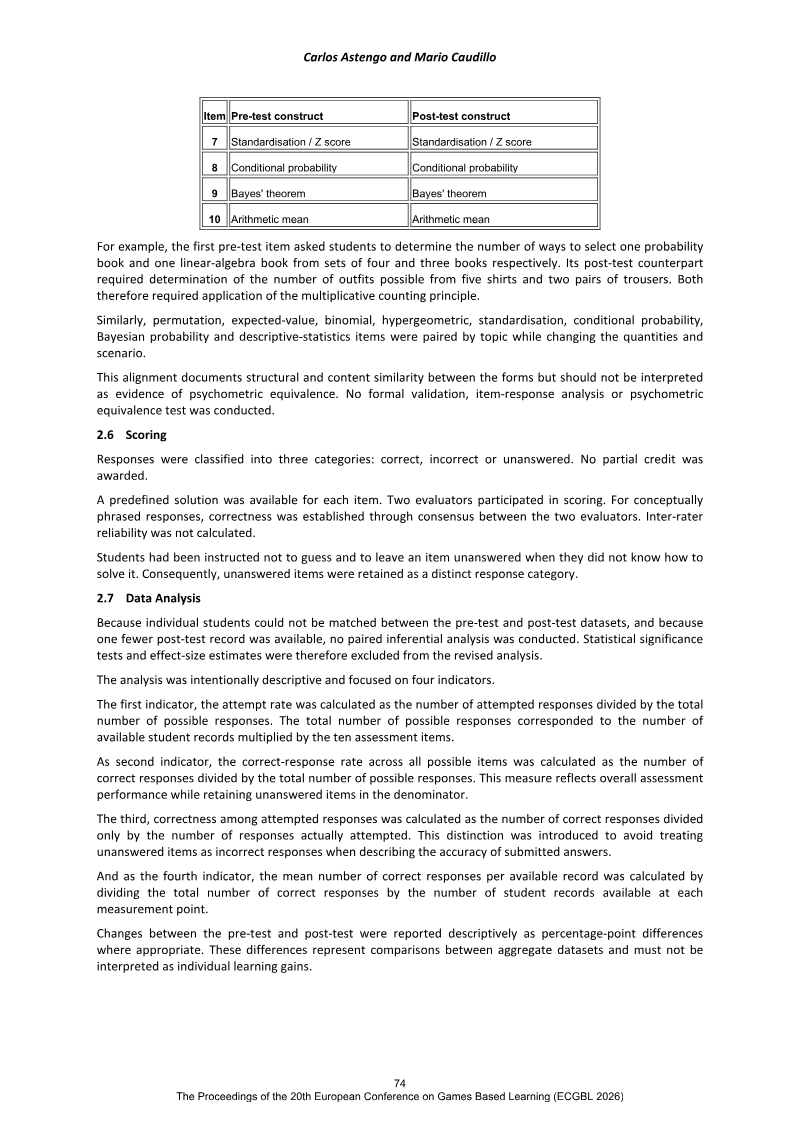
European Conference on Games Based Learning (ECGBL) · 2026



European Conference on Games Based Learning (ECGBL) · 2026