More from Games and Learning Alliance Conference (GALA)
View all
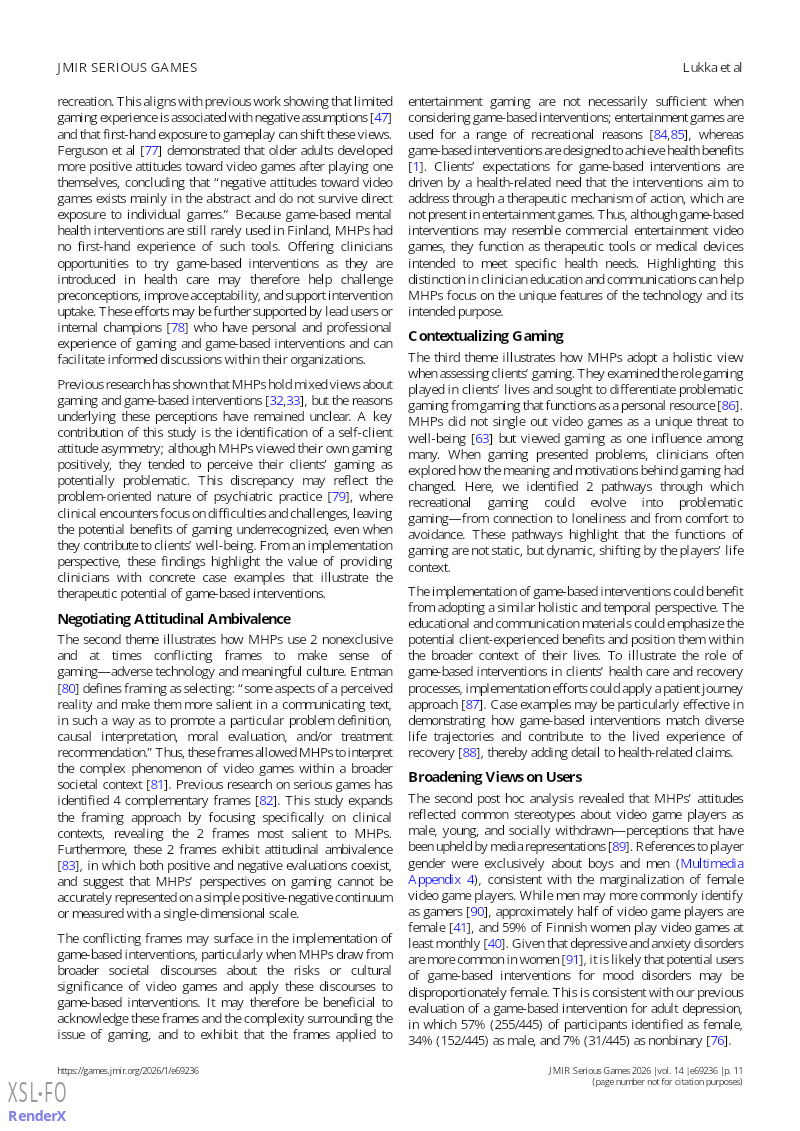
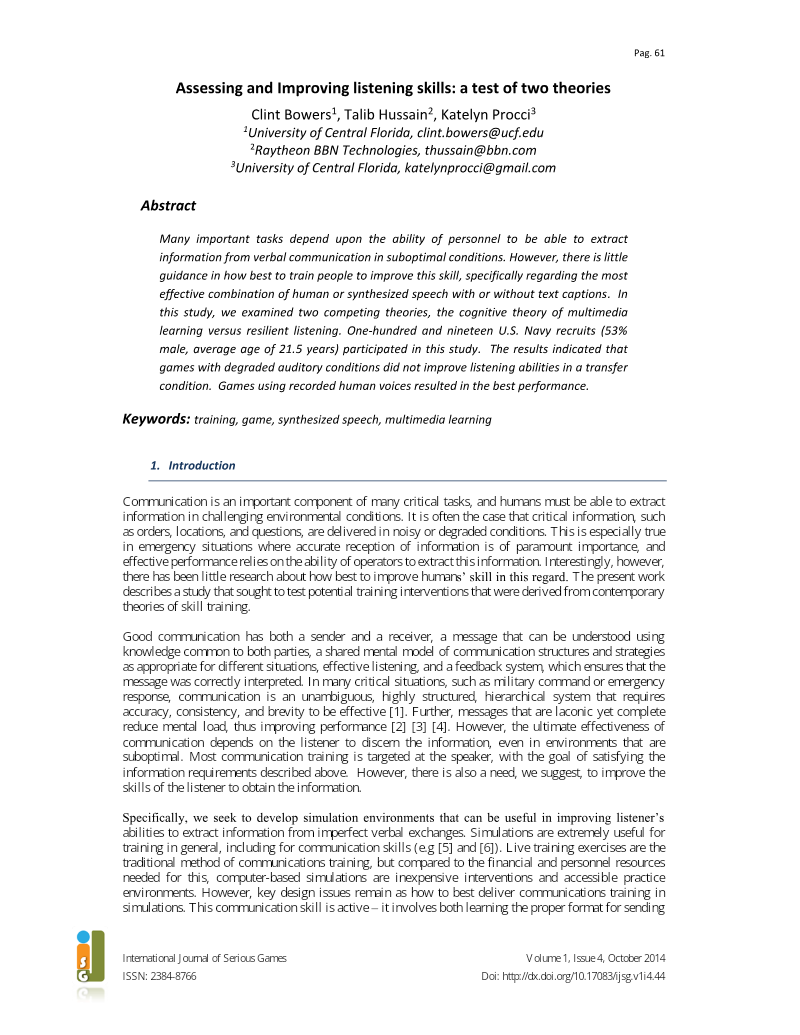
Whitepaper
Online Learning Platform and Gamification Features Preferences: Gender-Based Analysis Among Estonian Students
Games and Learning Alliance Conference (GALA) · 2024
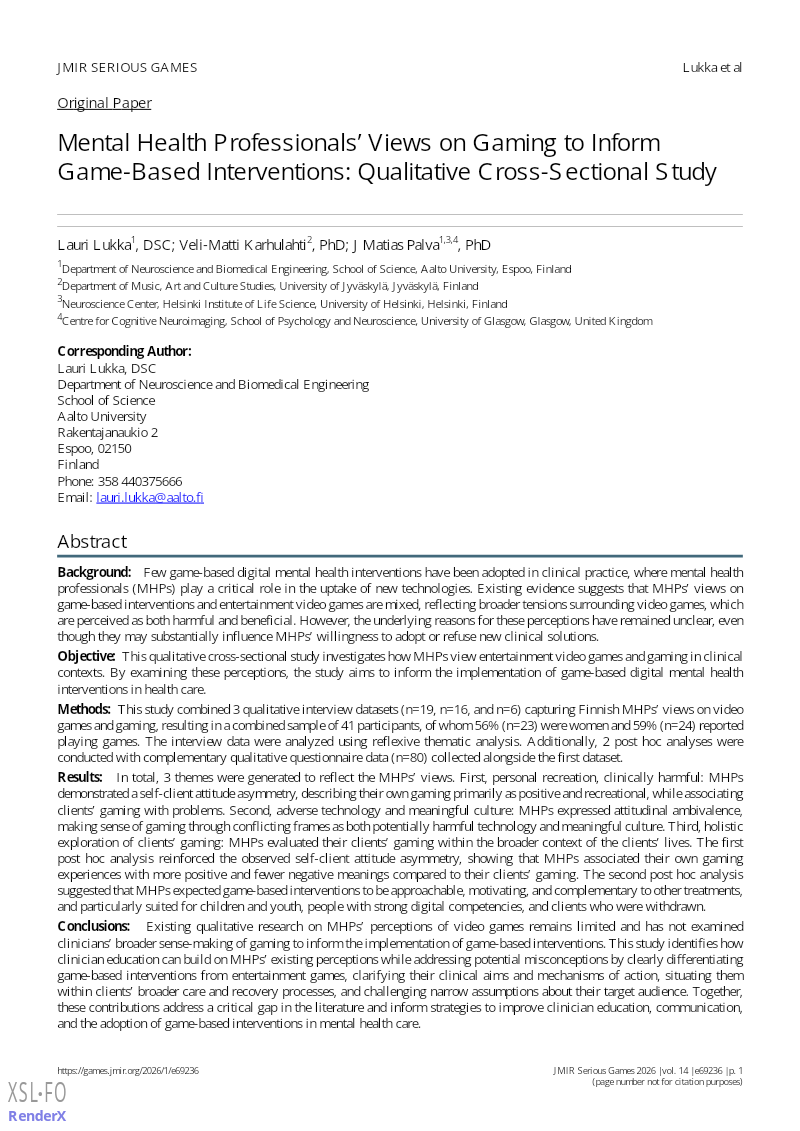
Whitepaper
Cipher in Classrooms: Evaluating Digital Game-Based Language Learning for Irish Vocabulary Acquisition
Games and Learning Alliance Conference (GALA) · 2024
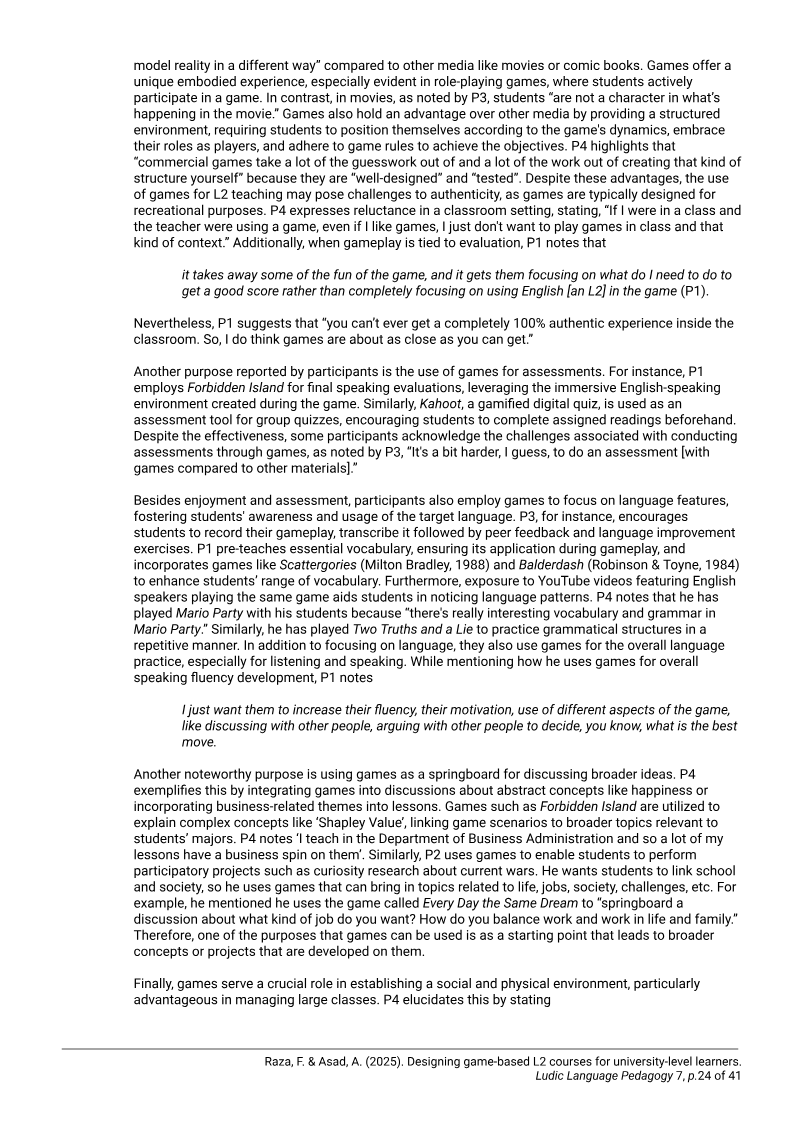
Whitepaper
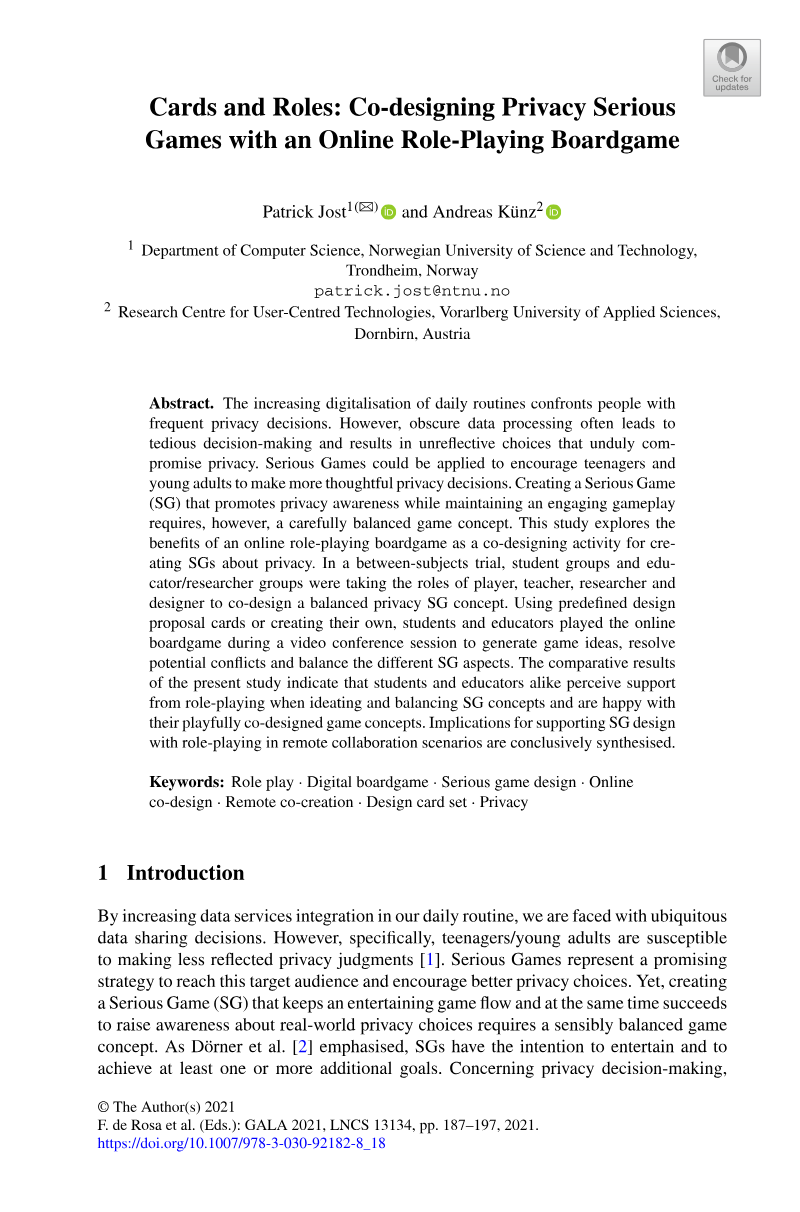
Cards and Roles: Co-designing Privacy Serious Games with an Online Role-Playing Boardgame
Games and Learning Alliance Conference (GALA) · 2021
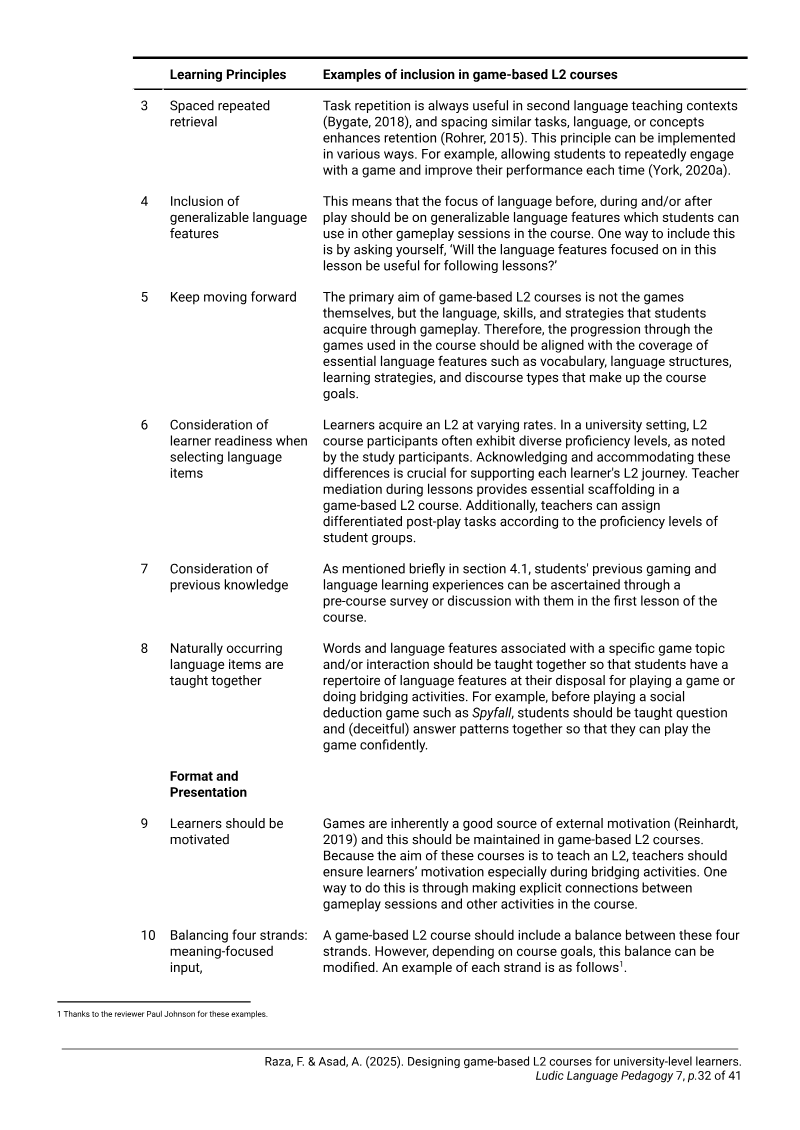
Whitepaper
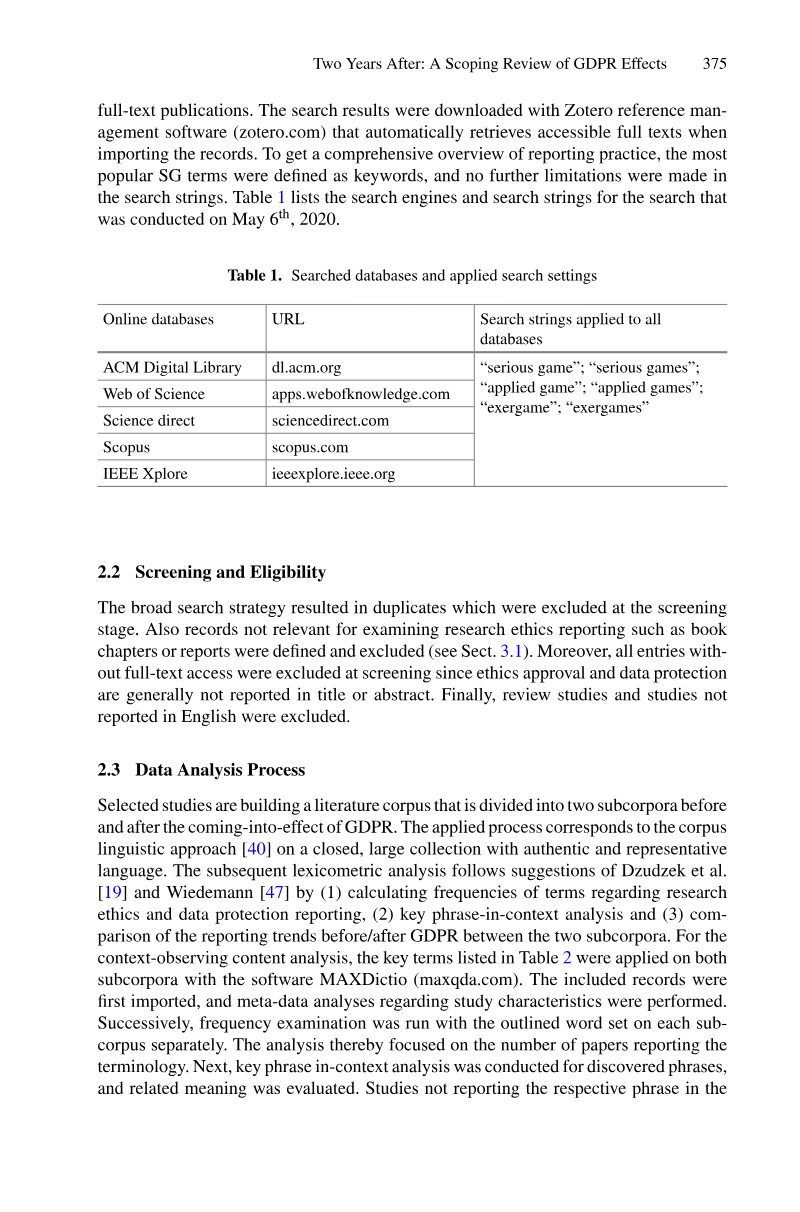
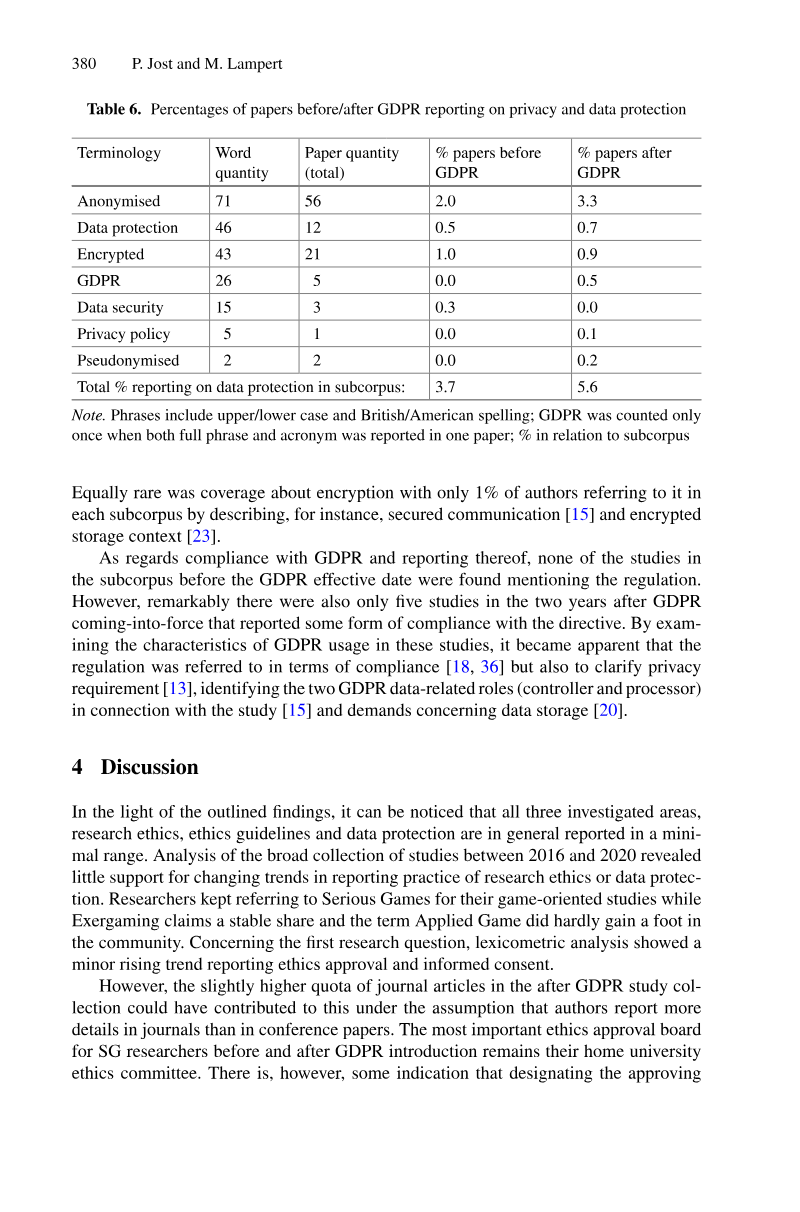
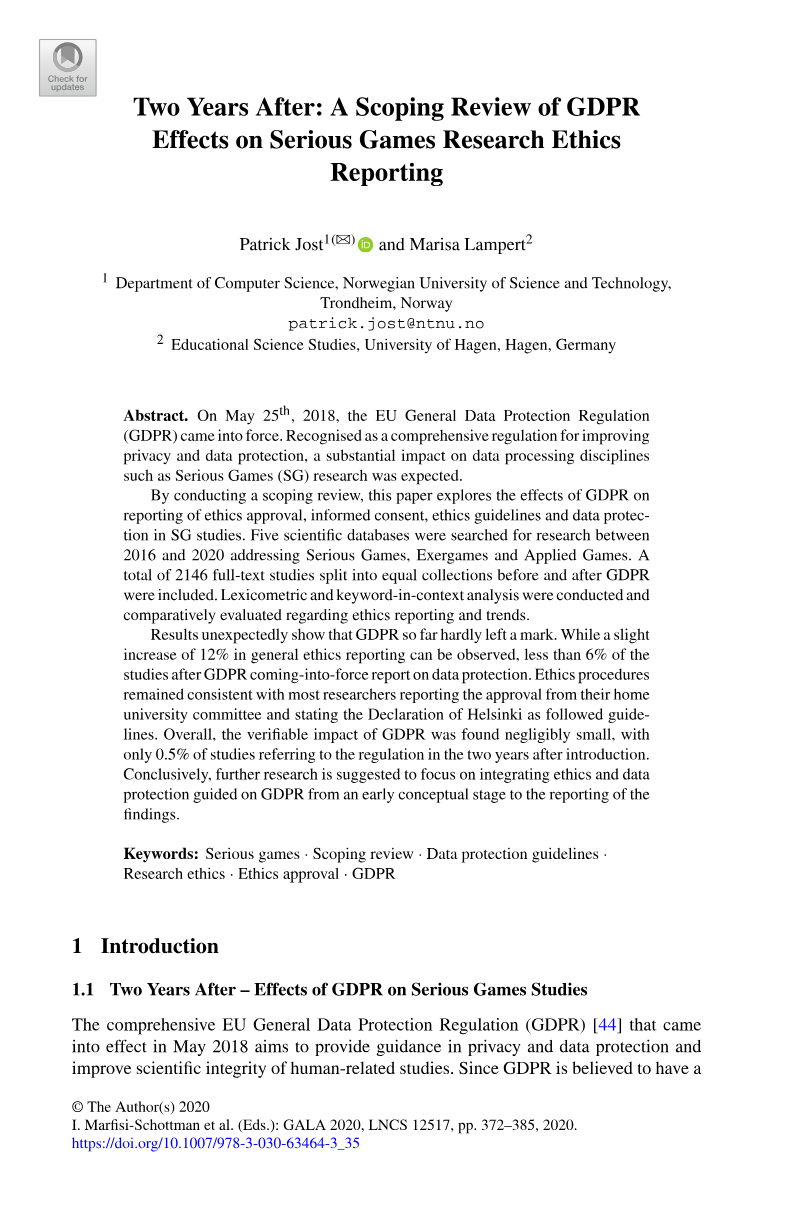
Two Years After: A Scoping Review of GDPR Effects on Serious Games Research Ethics Reporting
Games and Learning Alliance Conference (GALA) · 2020
Whitepaper
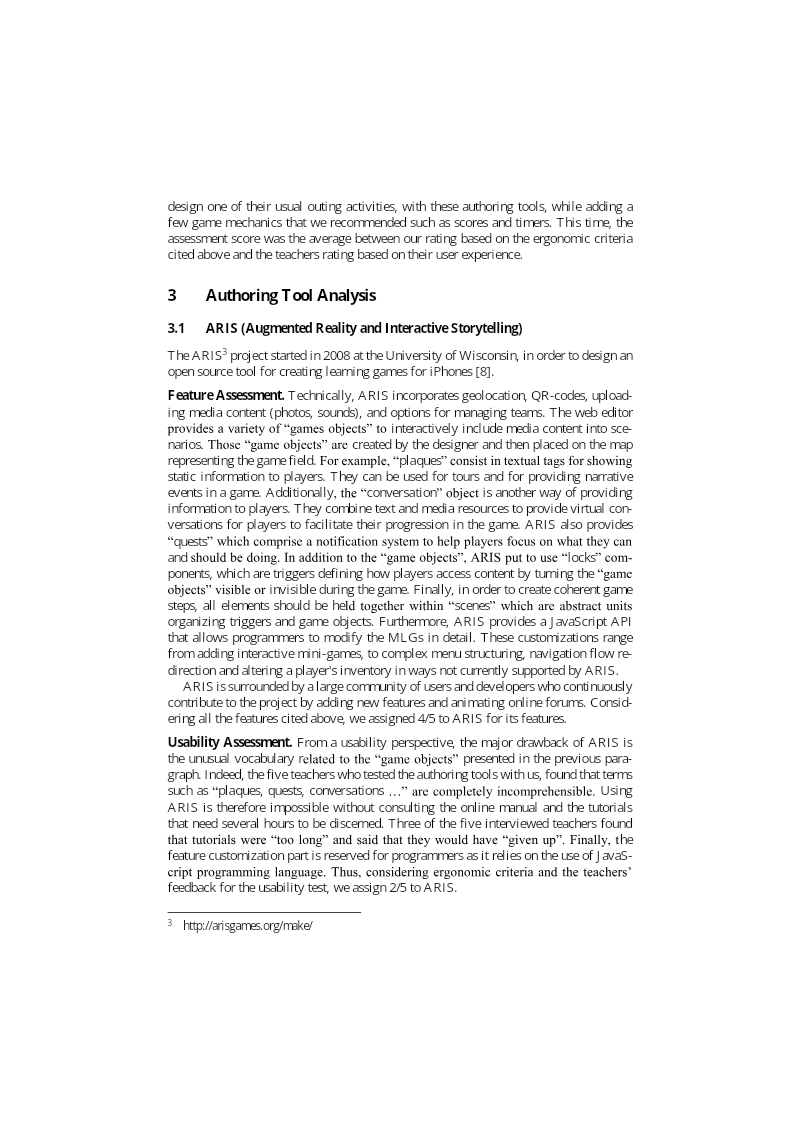
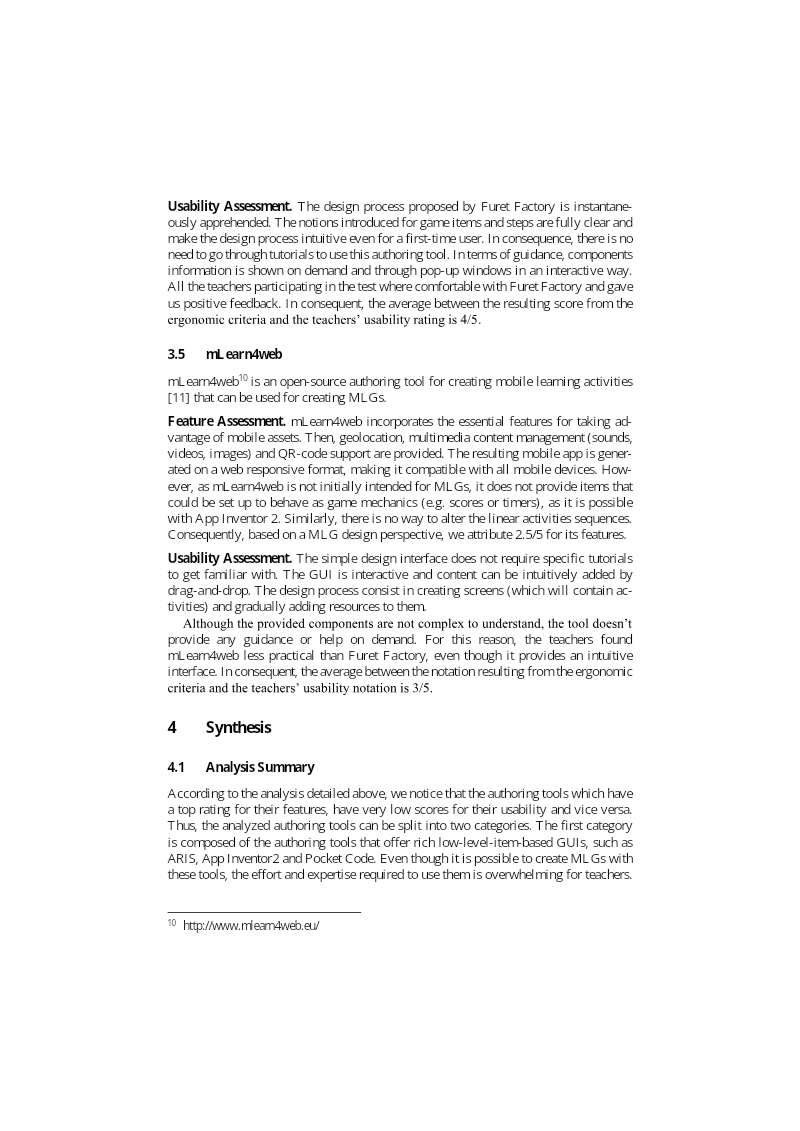
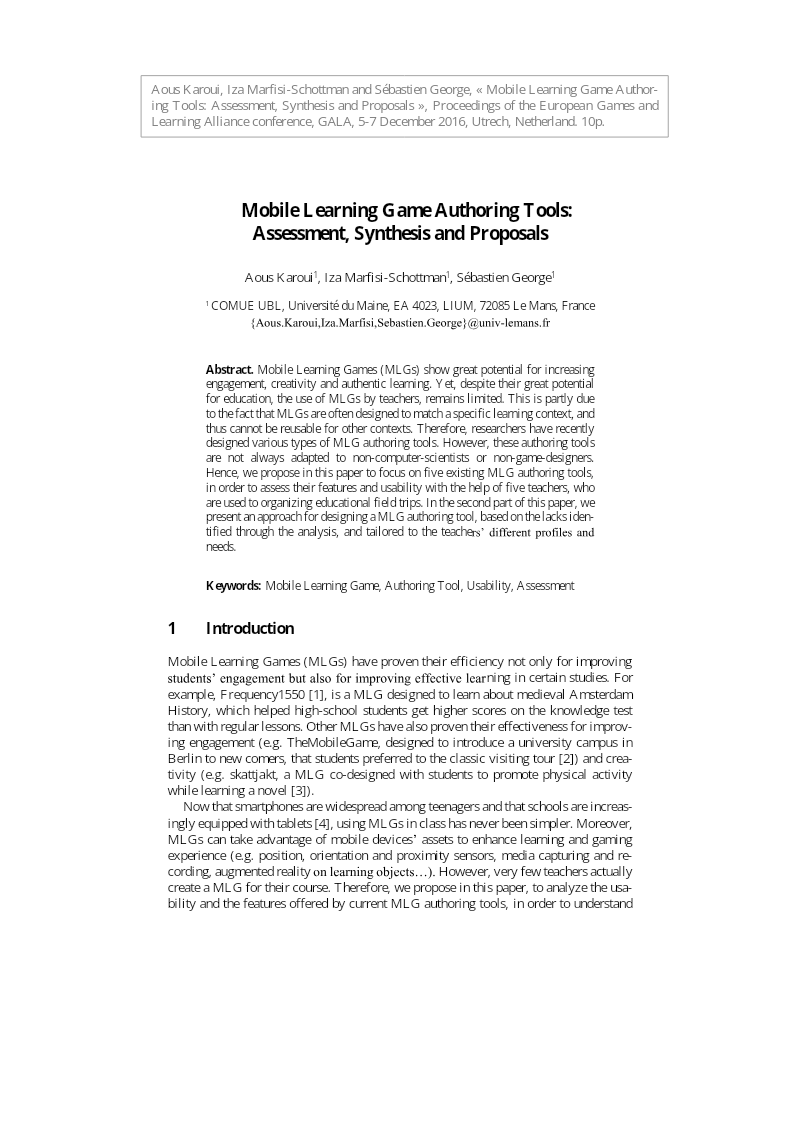
Mobile Learning Game Authoring Tools: Assessment, Synthesis and Proposals
Games and Learning Alliance Conference (GALA) · 2016
Whitepaper
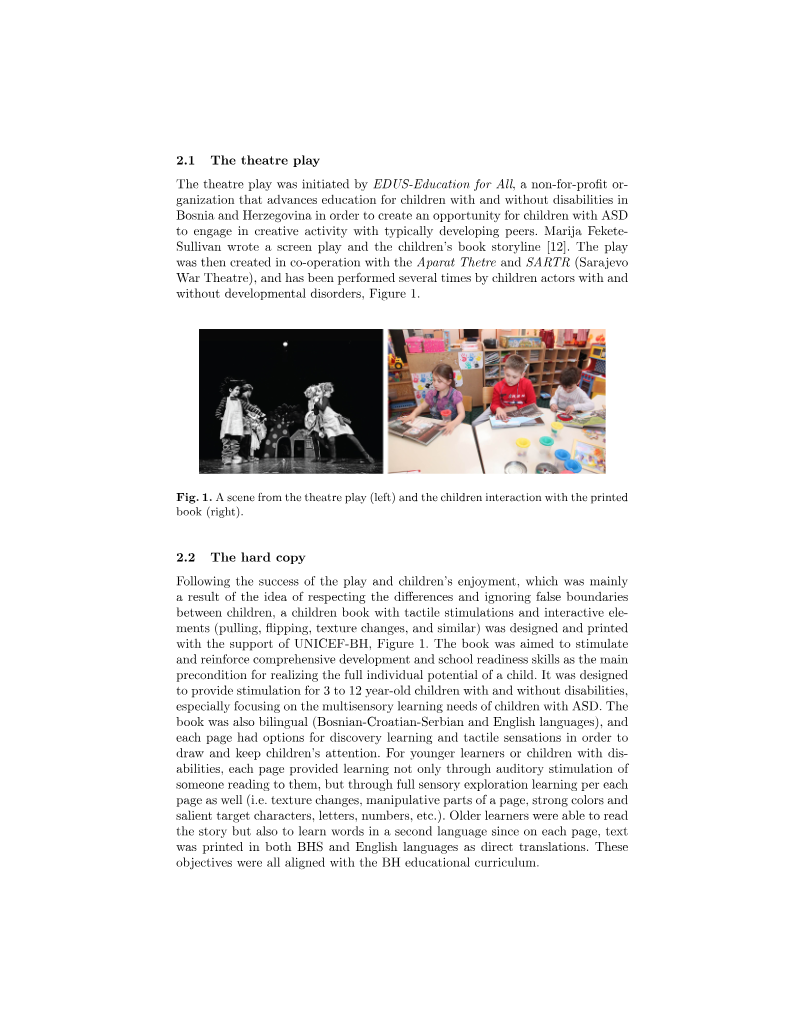
Read, Play and Learn: An Interactive E-book for Children with Autism
Games and Learning Alliance Conference (GALA) · 2016
Whitepaper
What Serious Game Studios Want from ICT Research: Identifying Developers' Needs
Springer-Verlag · 2016