1 free read left. Create a free account for unlimited reading + AI research.
Create free accountArticle Breda University of Applied Sciences
1 free read left. Create a free account for unlimited reading + AI research.
Create free accountArticleBreda University of Applied Sciences
The editorial introduces a 2019 special issue of the journal Water (MDPI). The UPSWING project, funded by SSHRC in Canada, focused on the Great Lakes-St. Lawrence River Basin.
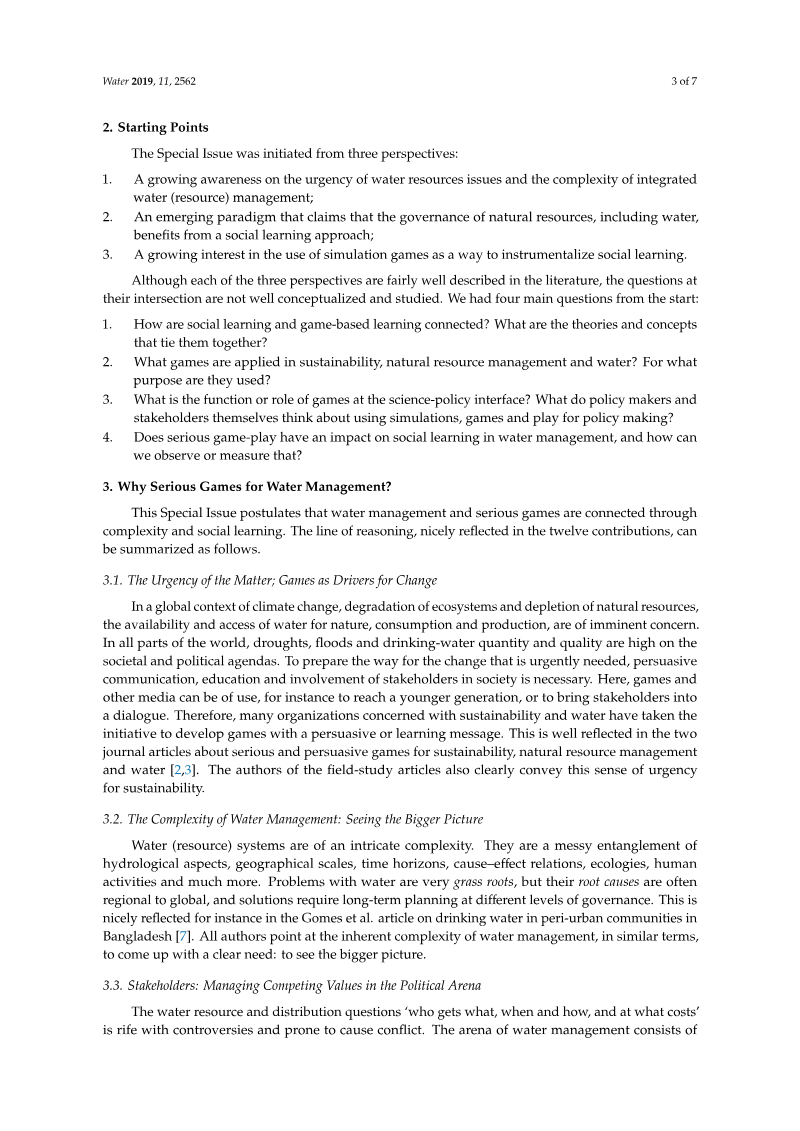
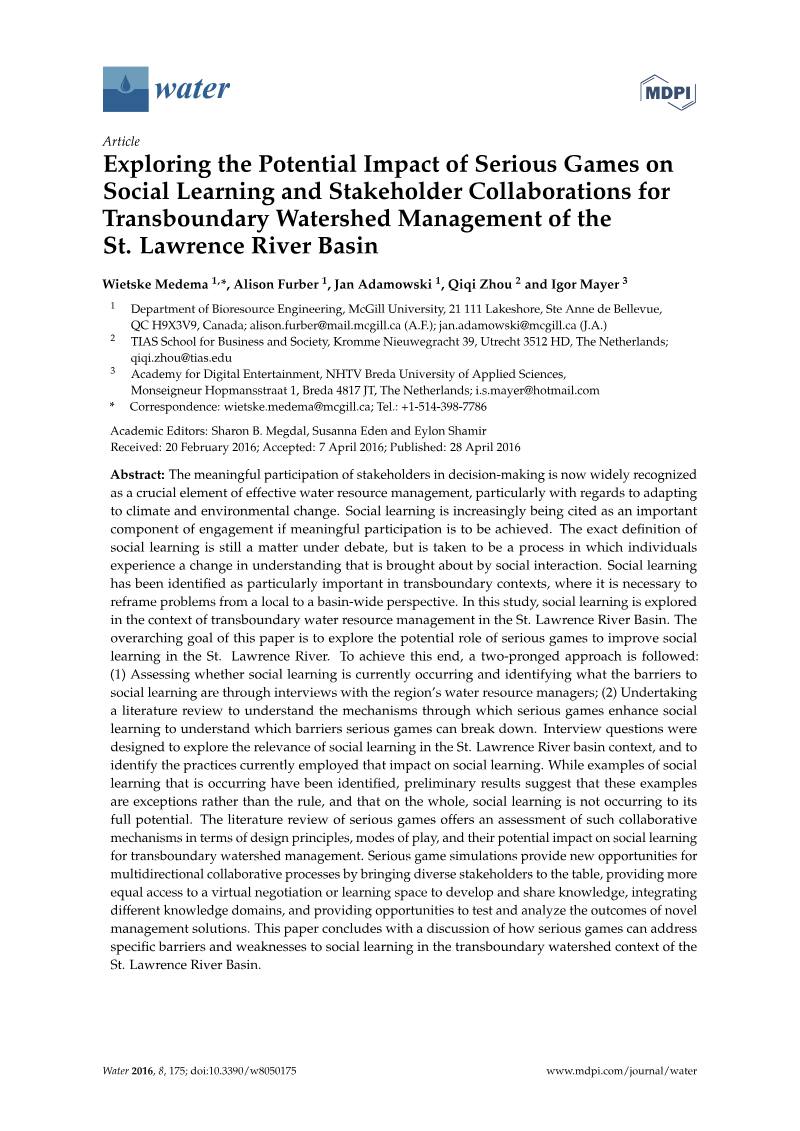
This editorial introduces a 2019 Special Issue of the journal Water (MDPI) on game-based approaches to sustainable water governance, asking what potential serious games hold for solving water problems. It was prompted by the UPSWING project, funded by the Social Sciences and Humanities Research Council of Canada, which focused on the Great Lakes-St. Lawrence River Basin. The authors frame the special issue around the intersection of three ideas: the urgency of water challenges, the value of social learning in natural resource governance, and the growing use of simulation games to support that learning. Their guiding questions concern how social learning and game-based learning connect, which games are used in water and sustainability contexts, what role games play at the science-policy interface, and whether game play measurably affects social learning.
The special issue comprised twelve peer-reviewed articles drawn from more than twenty submissions. Most were empirical case studies, with two inventories of existing games, three conceptual pieces, and one synthesis. The contributions covered a wide range of settings, including a pilot social-simulation game in Poland, a drinking-water game in a peri-urban Bangladeshi community, a role-playing exercise for water safety planning among students in the Netherlands, a multi-case project on the water-energy-food nexus across Europe, and maritime spatial planning games used in Europe and Canada. Board games and role-playing formats predominated, while advanced technologies such as virtual reality and augmented reality were largely absent.
The authors argue that serious games are well suited to water management because water problems are complex, stakeholders hold competing values, and scientific uncertainty complicates policy decisions. They contend that games can reshape the rule-based interactions among players and build the mutual understanding that collaborative governance requires. At the same time, they caution against overreliance on games, noting risks of audience saturation, uneven quality, ethical concerns about who is included and empowered, the possibility that games mask structural power imbalances as win-win outcomes, and the scarcity of rigorous methods for measuring impact or reporting negative results. Their proposed future directions call for more critical evaluation, theory-based research, and attention to ethics and political theory alongside design and engineering.
Breda University of Applied Sciences · 2026
Breda University of Applied Sciences · 2026
Breda University of Applied Sciences · 2026



Breda University of Applied Sciences · 2026
Breda University of Applied Sciences · 2026
Breda University of Applied Sciences · 2026



Breda University of Applied Sciences · 2026
Breda University of Applied Sciences · 2026

Breda University of Applied Sciences · 2026
Breda University of Applied Sciences · 2026
Breda University of Applied Sciences · 2026
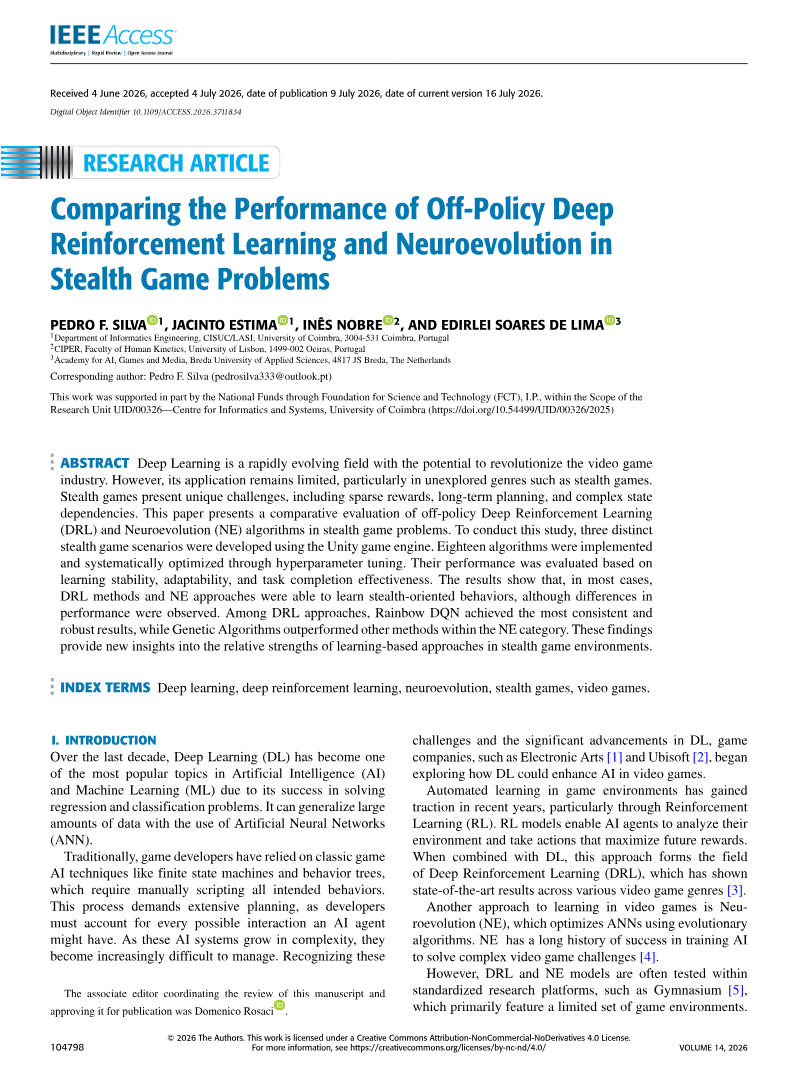
Breda University of Applied Sciences · 2026



European Conference on Games Based Learning (ECGBL) · 2026
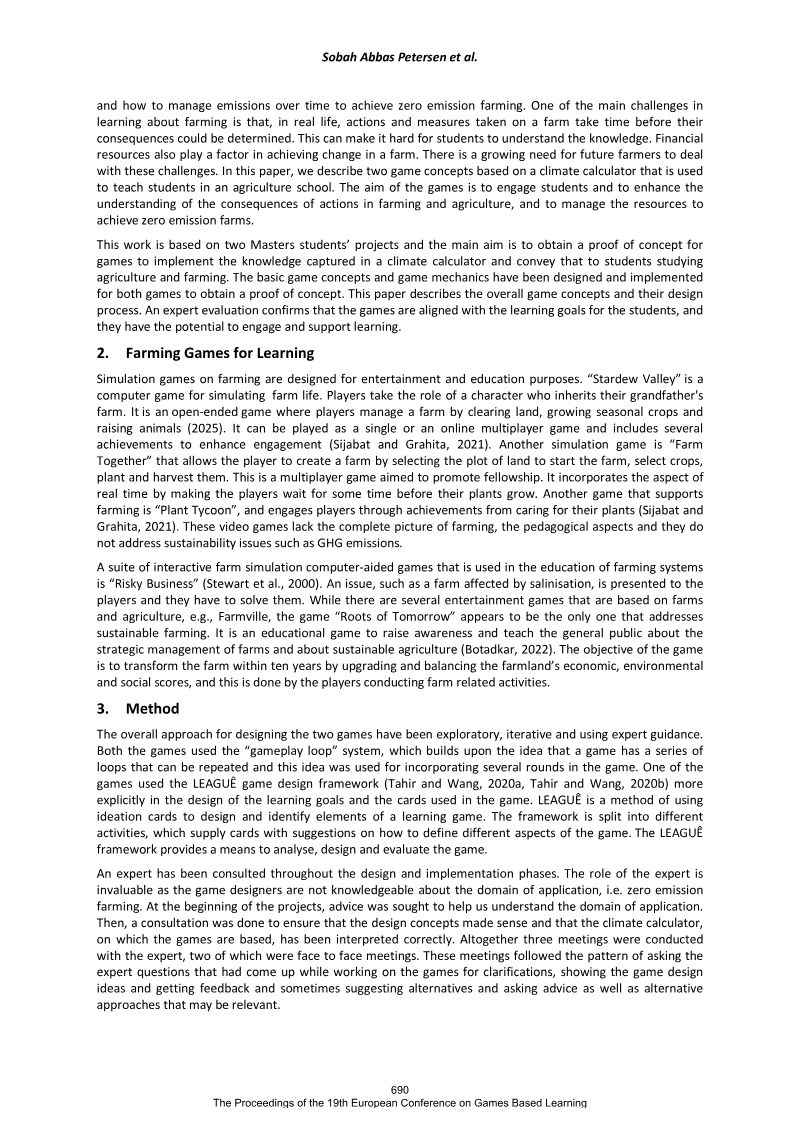
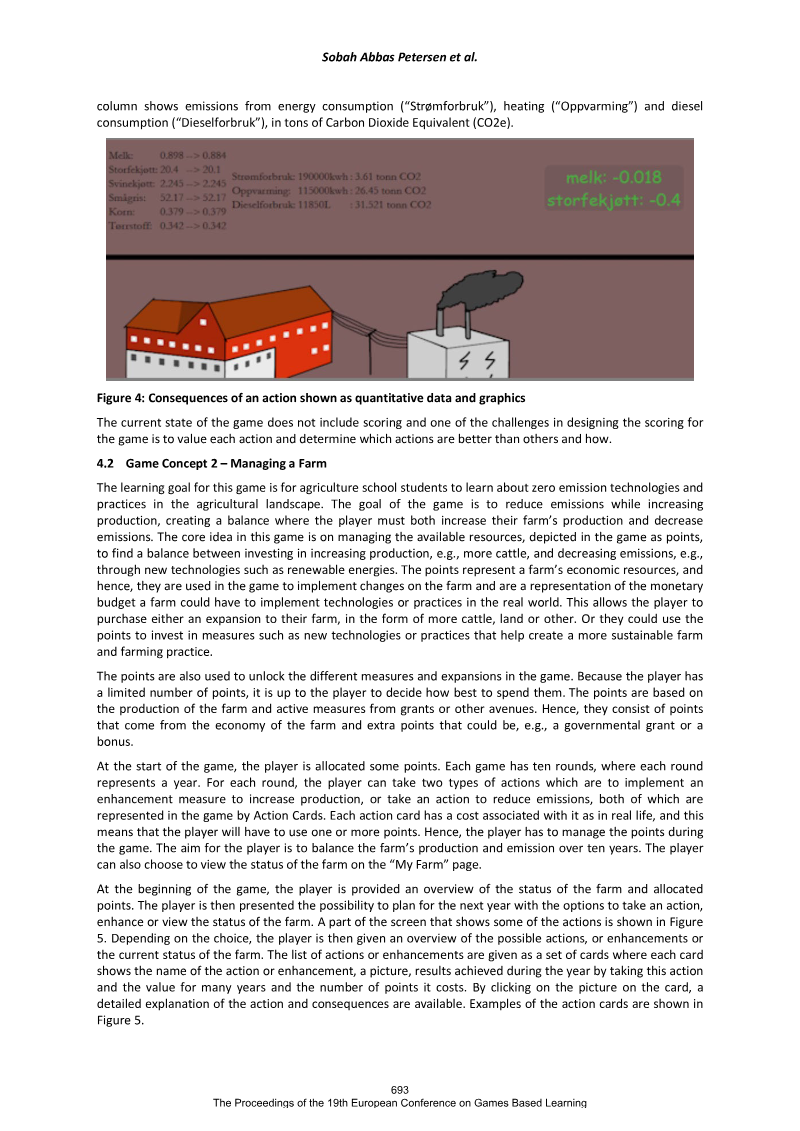
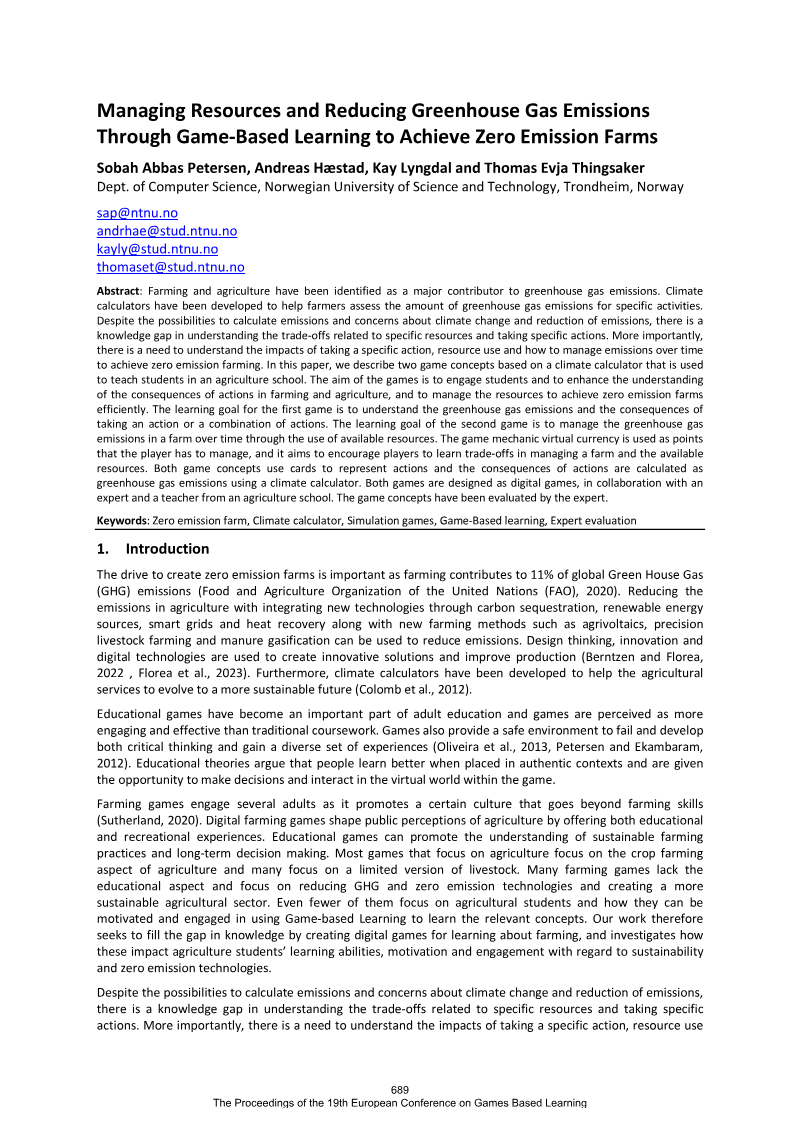
European Conference on Games Based Learning (ECGBL) · 2025
European Conference on Games Based Learning (ECGBL) · 2025