More from MDPI
View all
More on Educational
View all
Report
Total Gamification
DiGRA · 2024
Whitepaper
HurricaneLog: A Humanitarian Logistics Game on Hurricane Preparedness and Response Operations
DiGRA · 2022
Whitepaper
Beyond the Game: Identity, Ethics, and the Transformative Power of Role Play in Business Simulations
European Conference on Games Based Learning (ECGBL) · 2025
Whitepaper
Polimatrix: Conversation Analysis as a Method for Evaluating Performance in Matrix Games
European Conference on Games Based Learning (ECGBL) · 2025
Whitepaper
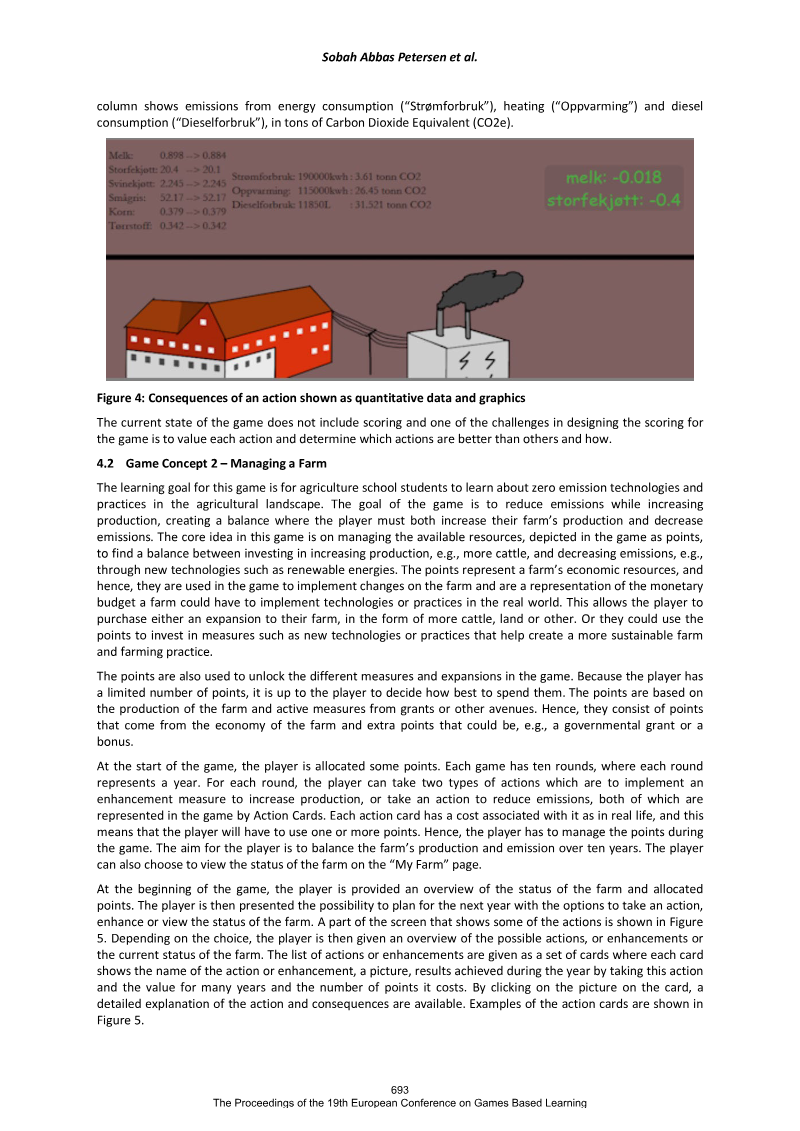
Managing Resources and Reducing Greenhouse Gas Emissions Through Game-Based Learning to Achieve Zero Emission Farms
European Conference on Games Based Learning (ECGBL) · 2025
Whitepaper
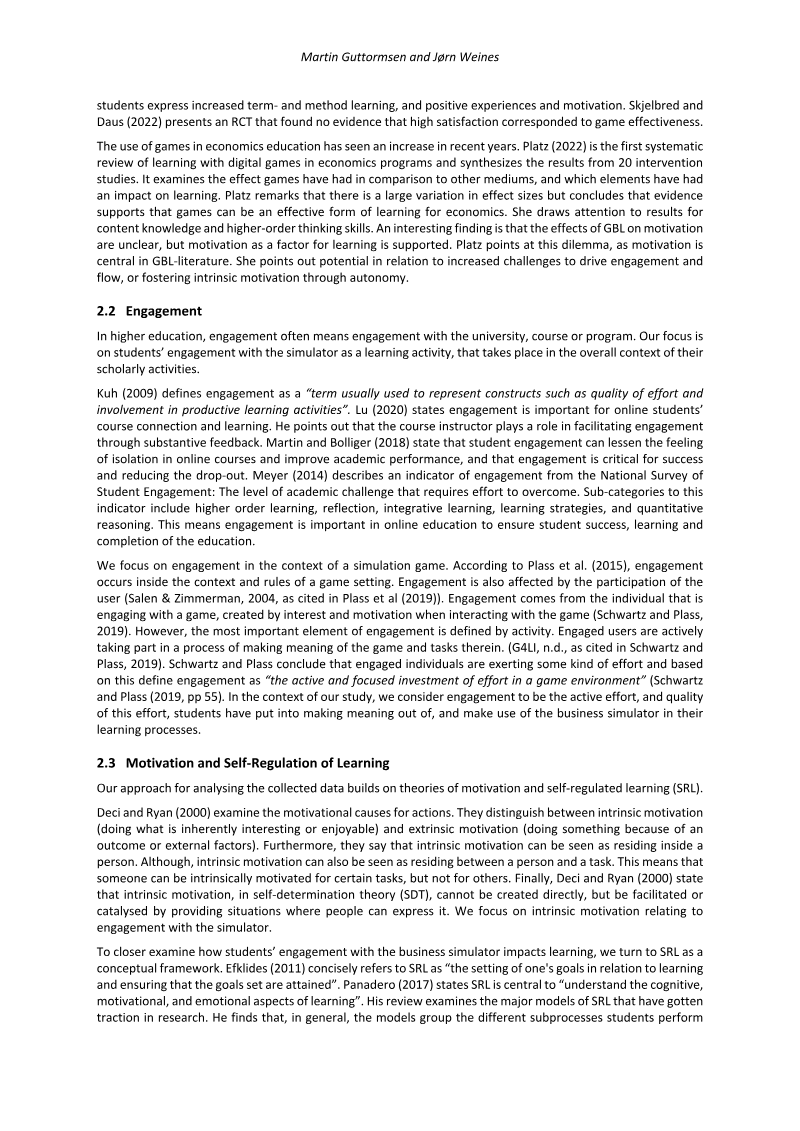
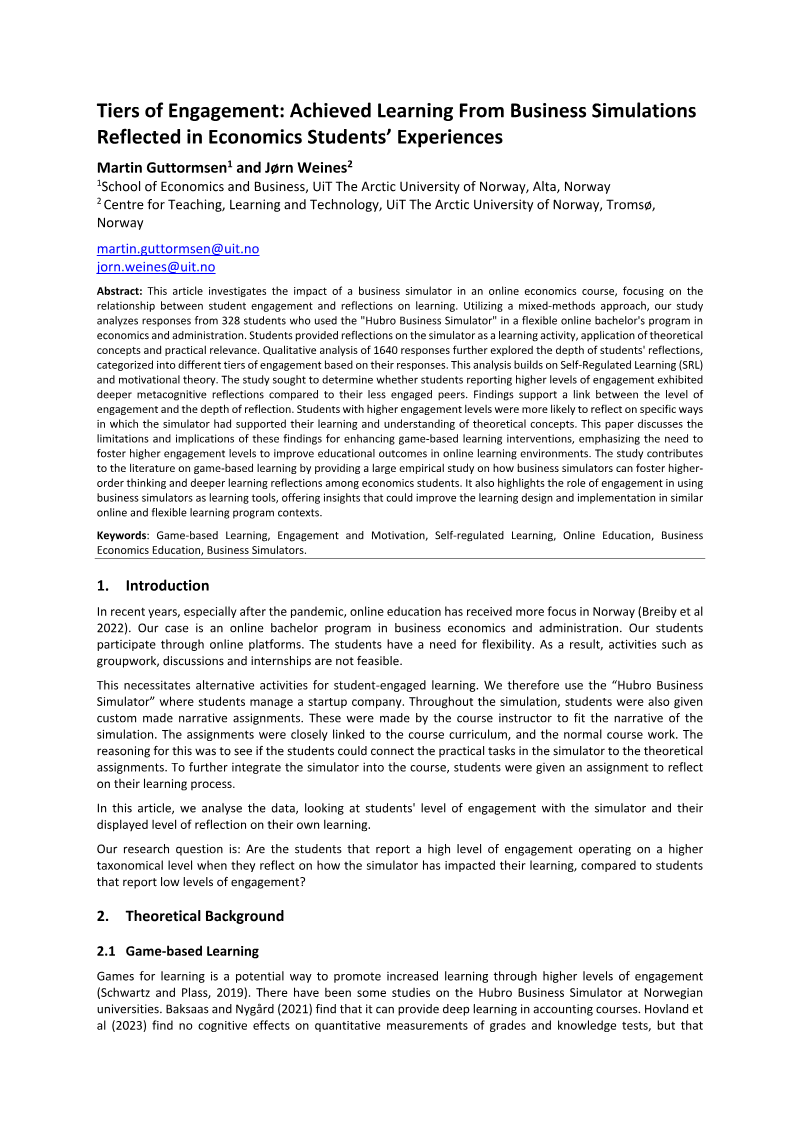
Tiers of Engagement: Achieved Learning From Business Simulations Reflected in Economics Students' Experiences
European Conference on Games Based Learning (ECGBL) · 2024
Whitepaper
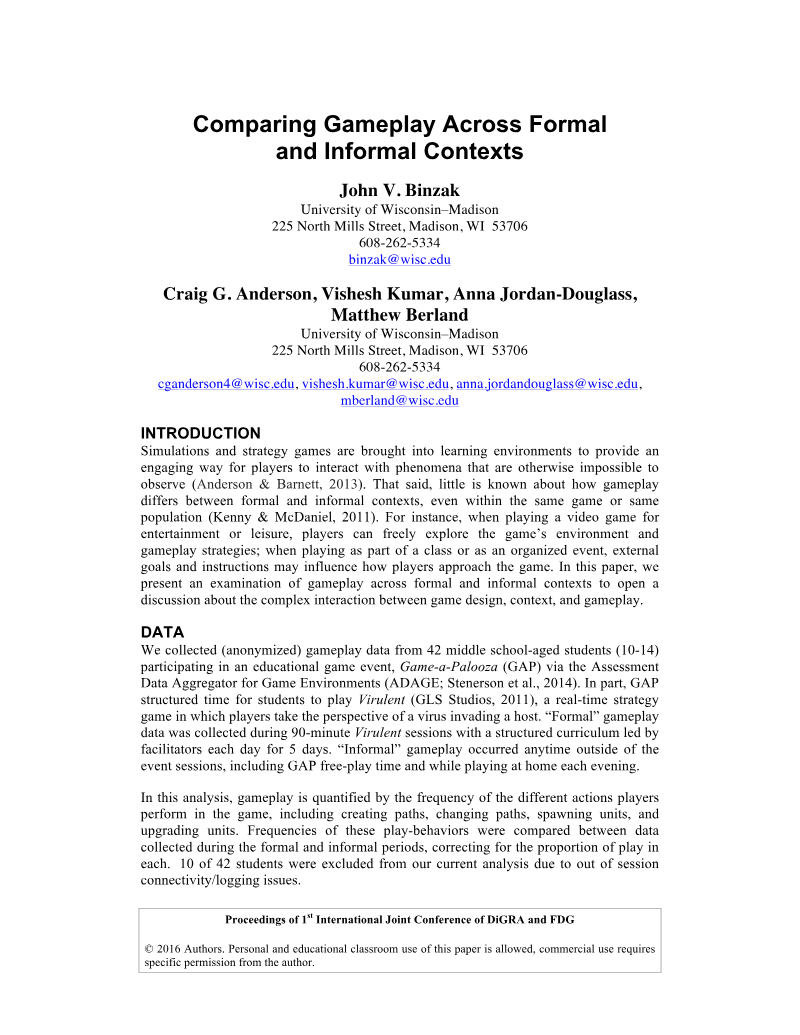
Comparing Gameplay Across Formal and Informal Contexts
DiGRA · 2016
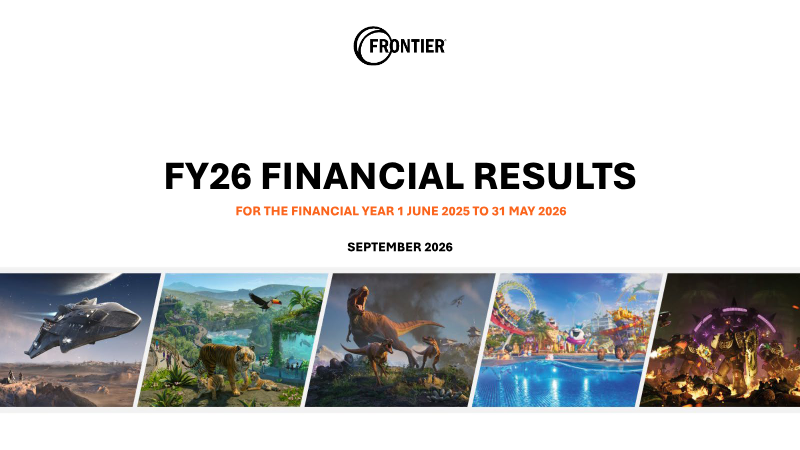
Financial report
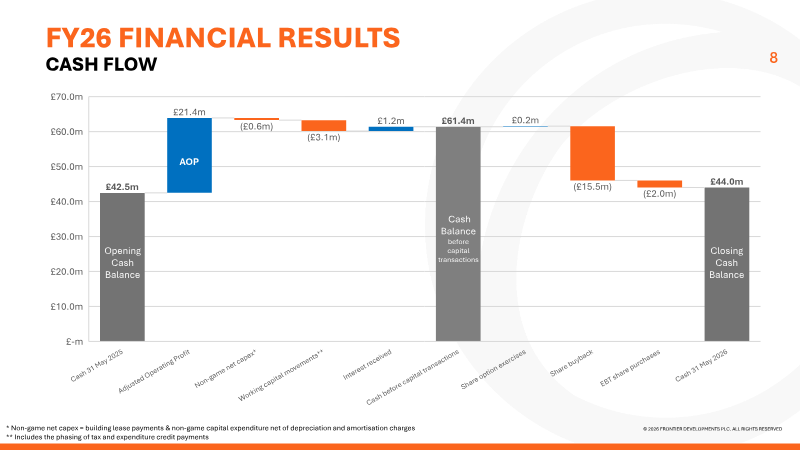
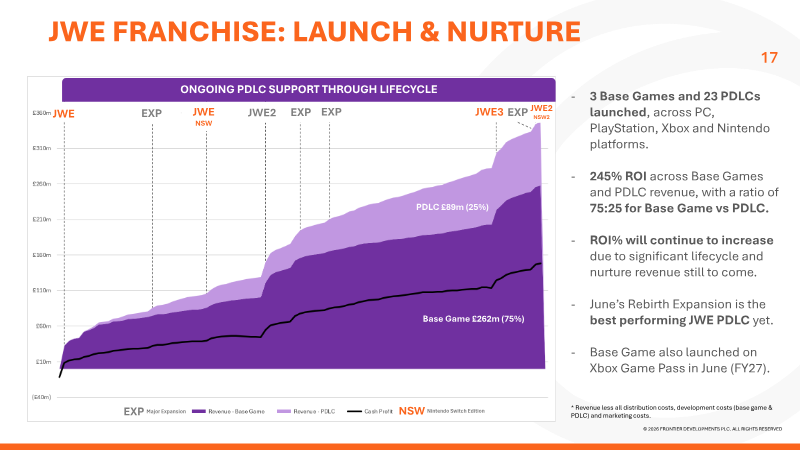
Frontier Developments FY26 Financial Results
Frontier Developments · 2026



Whitepaper
Designing Conceptual Framework of a Digital Twin Serious Game for Climate-Resilient Cultural Tourism Management
Breda University of Applied Sciences · 2026
Whitepaper
Between Pleasure and Harm: Transcreating a Serious Game on Older Adult Mistreatment with Indigenous Communities
DiGRA · 2026
Whitepaper
Pleasure Under Pressure: Laughter, Learning, and Competitive Play in Professional Wargaming
DiGRA · 2026
Whitepaper
Achievement Surfers: A Gamified Runner-Based Learning Tool for Supporting Revision and Reinforcement of Learning Outcomes
DiGRA · 2026