Transcript
[Music] welcome to the novic gaming podcast where it is our mission to explore the business and future of video games we bring together the industry's brightest Builders investors and thinkers to keep a pulse on current events dissect emerging Trends and games share Lessons Learned and have a great time this podcast is also part of novic growing ecosystem which ranges from free and premium research to Consulting and AD advisory services for more information visit [Music] www.nic.edu platform that enables game studios and Publishers to create personalized player experiences it's the only solution that provides a realtime understanding of player actions and integrates life cycle marketing live Ops and remote configuration into a holistic experience
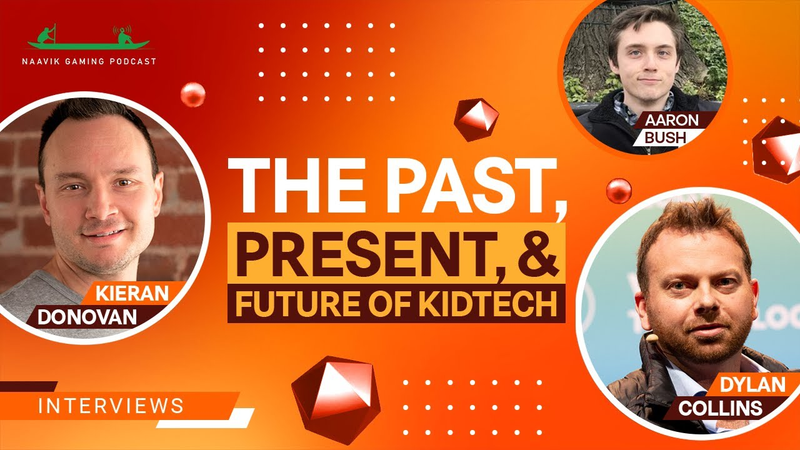
in other words you can maximize engagement retention and monetization through real-time segmentation and targeted offers and you can run liveops campaigns with AB testing push notifications inapp messaging and much more to discover how clevertap gaming can best serve your games team simply visit clevertap tocom gaming or check out the details in the show notes and with that let's jump into the episode I don't want I'm your host Aaron Bush and today I am delighted to be joined by two wonderful guests to discuss the past present and future of Online safety in games kid Tech and Lessons Learned building companies in this space and beyond my first guest today is Kieran Donovan the co-founder and CEO of kid kid just raised a $ 45 million series a led by light speed and inuus and Horwitz in order to build and scale comp
software that simplifies Online safety and privacy management for game developers parents and their kids and he'll tell us much more about that in a moment our second guest is my friend and serial entrepreneur Dylan Collins Dylan built and sold demonware jolt and of course super awesome which has also played a leading role in creating solutions for online kid safety over the past decade and you hopefully remember him from an episode he recorded with us several months ago where we dug into his entrepreneurial Journey o over the course of all of his businesses so anyways what we're going to talk about today really is an important topic is relevant to many corners of the games industry and I think we have the perfect two guests uh to break down Lessons Learned and share where this is all going so with all of that said guys welcome to the no gaming podcast thanks s yeah great to be hereon awesome well Dylan I'll go ahead and start with you you founded super awesome 11 years ago
and for those who don't know it story maybe you could quickly tell it uh most importantly what were you trying to solve for at the time and how did super awesome make a difference over the past decade wow it sounds like a very long time when you say it like that and you actually put numbers to it but um we started super awesome fundamentally to build uh digital tools for companies that were interacting with young audiences online so really responding to the first digital Privacy Law um which came out of the US which was CA about 10 years ago at the time no company be it sort of content um or technology company was really thinking about at kids in the internet and everyone was sort of happy to pretend more or less that they were all adults I think you know and and so we scale super awesome up over over you know the bones of the decade and and was acquired by epic games about three years ago I I think you know sort of maybe
being slightly more philosophical about what we did you know in in 2013 when we started we were sort of to a large degree I think try to tackle the internet's cold start problem around kids right because I mean it was fundamentally like you know there was there was no real sustainable Revenue model for kids content you know um creators which meant there was no real investment that was going into kids functionality which mean in turn meant in turn there was sort of no sustainable Revenue model from kids content so I think we sort of brute like super awesome brute forced its way through that problem by fundamentally um sort of hacking and advertising business model um to be able to finance other areas like community and parent verification so we ended up sort of building a full Suite of tools but I think most people would probably know us for our for our kid safe um advertising um I think that probably it it's our Affair to say that like after the epic game acquisition we stepped up
a lot in terms of what we were doing with parent verification so that that became a completely free service um as part of Epic which was which was a huge huge step and I still think to this day doesn't get enough um Applause you know in terms of what epic we willing to do in terms of literally underwriting um you know every game developer in the world to be able to sort of you know have par verification and to be able to sort of make it easier to support young audiences um and you know I think you know 10 years ago in super awesome was started the internet was an absolute dumpster of fire for kids you know I think today like and this is probably an excellent moment to Segway across to Kieran like it is slightly less of a dumpster far um and I think you know we're we're we're just getting to the point now where like enough conditions are in place where very important and special things can happen you know which is it's it's why it's so cool to see kid doing what they're doing yeah for sure and Karen our our mutual friend Mor Bay Lance at
Lightspeed who's now on your board of directors he wrote a great piece on light speed's blog about why he invested in your company kid and of course A lot of it is built on your team's results so far in the traction that you're seeing but there was also a more heartfelt element to it too like as a new parent he talks about the feeling of responsibility of setting your kids up for Success online and he even noted about how at the world economic Forum there was discussion around child safety measures regarding games and how that's may become a bigger priority on the the world stage so I get the sense that your business actually really matters at a core human element to a lot of people and that people are not just rooting on your business but your mission so I'm curious like does that resonate with your vision or like what's left to be solved from uh you know taking the torch
from from Dylan and super awesome here um and and why chase this specific Vision yeah um I mean that the the first thing that that you said to Dylan there about 11 years ago gives me a bit of a vision of my own future um you'll be quick uh but but you're right look I think um the the philosophical Journey um that we're on is one where we want to empower those spaces that kids and teens already inhabit online and in many cases um with with parent uh approval um but not necessarily in a space where um they're technically permitted today um and those are those are typically the the I confirm I'm over 13 um spaces where you know we we all know that that kids Li about their age to get um in into online spaces we all know that they
click through it and yet as a parent often and and sometimes it's it's licensed kids content that sits behind that um it's it's totally okay it's the only reason that that popup that you know bit of friction exists is because of the regulatory complexity and so if we can work backwards and and help solve that piece um so that developers aren't afraid to to engage with that youth audience um and as you say really take the torch from from everything that that Dylan's built with super awesome I think that's where we see the opportunity to have a lot of impact um and a lot of the conversations that that I've had over the course of the last it and two years typically begin whether it could be a regulator it could be a platform it could be a publisher and it'll I'll hear those those four words I am a parent um and and and and then you know you you just struck that CT and and someone will say well yeah I mean my my son this my nephew this my cousin and this my you
know and everyone's got their stories now um and I think you know there's so much we're so much more aware of the impact of um the communities that that kids are building online now um whether it be through mental health for you know the impact of of things that can happen and so I think there's this there's a cute feeling that something needs to be done yeah and I guess before we go deeper I should ask what exactly does kid do like like what is your product and how does it benefit the various stakeholders here yeah it's a good question so I mean the challenge that um a lot of Publishers in particular face today is once you get say an 11-year-old in Japan onto your game um what are you going to do with their ability to to to add friends what are you doing with with chat what about loot boxes what if it's real money loot boxes versus just virtual currency loot boxes the way that you have to program each of those
different functions differs depending upon where that user is and how old they are um and that the complexity around that today in terms of Regulation is um nothing like it's it's ever be um everybody has picked up what's happened in the US or Europe and in other countries we're seeing more and more of this regulation pop up and so you're a publisher you know whether you're in India or AAA you're staring down this you know really challenging um task of just figuring out like what do I what do I do I I want to do the right thing it's not that I don't want to do the right thing I want to do the right thing um but getting to that answer is getting more and more expensive than it's more and more fra with risk and so that's what our API s um is answering those those questions and why now yeah I mean um I'd be I'd be curious to hear from Dylan about the the same question back when when super awesome was started I mean for us it's really the pain that I think Publishers are feeling both in terms of complexity in terms of cost and
in terms of risk has reached an inflection point where uh it it can't be ignored um or if you do want to ignore it you're sacrificing um a youth audience that is is going to persist one way or another yeah and Dylan I mean maybe you could respond to that too what you were thinking back in the the super awesome days or even just like if you have any interesting observations about what you're seeing right now and how this Market has changed yeah I mean I think when we started um there was it was not a question of like why now because clearly it wasn't then because it took so so much longer to push through like we were we were obviously early um like I think that you know I was sort of ruminating on on this kind of earlier today and I mean I'm probably G to parap paraphrase like half of what Karen just said here but like I think there's you've got like sort of the beginnings of of kind of what I would call a lot or what Charlie mler would
actually call a laaloa effect right where you've got you know this this sort of this emerging new class of young internet users like what is you know who is the genf of today is marketly different from the Gen Alpha of 10 years ago right like in terms of like how empowered they are with payment like their comfort with with with sort of digital tools and devices Etc and and that just makes them like a much stronger internet Force you know secondly completely repeating Ken's point like I think the density like of of of digital laws for children around the world is just I don't think we could have really imagined like that sort of you know even five or six or seven years ago um I think the fact that that you've got you know fairly prominent authors like um Jean twangy and Jalan Hayes who've been writing like a lot about the impact of of sort of Social and and smartphone um on kids and teens like which the you know that's been over the last sort of 18 24 months I think the
fact that you've got like some but probably not all of the main technology companies who are very politically motivated to try and figure out some solutions to this and then I think finally the fact that like I I don't think it's it's just like investors who have sort of grown up and had kids but like I think it's a lot of the founders of of the biggest technology Platforms in the world have become parents and I think all of these things are combining you know um in a way that we just haven't seen before so that there is real not just momentum and and and and not just a sense of need but I think a sense of willingness to actually sort of make some real step changes here so I I I I was saying this before we started recording like I I genuinely think it's probably the best time in history to be starting a kid tech company right now well hopefully that sounds good to you Karen but Dylan another question to kind of tie this together the last time that you were on the podcast we discuss the
complexities of all that's left to solve um kind of regarding issues of of you know kid Online safety and the technology around it all and essentially your your reply was like wow like there's a long list of complexities to still um try to solve for and so I'm curious um you know when you look at kid like how do you see that you know like this new solution kind of fitting into all of the complexities that you laid out before and what whatever might be left but also um you like one of the the potential issues you talked about last time was how these companies can be hard to to fund and incentivize investors to like be excited about this space and clearly Kieran has done something right and I'll get get to you Karen on the fundrais and stuff in a bit but anyways Dylan I'm curious what your Reflections are of kind of connecting the the Dots here well I think I mean my perspective on this which which I I I think is is pretty similar to Kier like is that the
the ideal um you know the ideal way the internet works is that when a kid you know lands on a digital surface like it automatically reconfigures um to whatever age that user is right in the same way that like if you land on a on a on a sort of a non-english site and you're a non-english speaker like Google Chrome today will do an auto translate for you like that's essentially you know sort of the metaphor and um and there's no particular reason that that can't happen right so I mean kod solution you can think of that as as sort of a very important slice like in that stack for developers to essentially be able to enable that magic there's I think last time we talked about I still sort of believe that there's three broad pillars that kind of contribute to this or at least three like I think one like this has got to be support by um you know
sustainable and by that I mean sort of commercially viable kids app stores like you know kids content creators have got to be commercially um viable and I don't just mean Kids Safe advertising like they've got to be able to have sort of real monetization and within there I think there needs to be you know some kind of trusted digital brand for for parents you know to to be able to sort of bridge that sort of knowledge time Gap you know with kids because that's like and it's it's an interesting reflection actually on on what are what are today's parents like versus the parents of 10 years ago but we might come back to to that later and then the last one which which I really do sort of shout about a lot and and again anyone who knows me knows my view my my view of this like there needs to be sort of you know some sort of universal AE API like an actual source of dat of data birth truth like that is probably done at an operating system level you know that is available to and I'm certain this is on
uh I don't know this but I would guess this is probably on kieran's um road map somewhere but like you know the age gate remains probably one of the most powerful incentives to lie that human civilization has ever invented and you know I think I think AIS are now definitely a possibility which which we will get to and again I think that's both sort of a a technology point and and sort of a political Point as well um so you can sort of see how how like kid fits into that stack sort of you know in in a very very compelling way and I I think whether it's five years or whether it's 10 years I think that sort of you know autom magic reconfiguration to age is how we see you know parts of the Internet working Karen would you would you sort of disagree radically with with any parts of that or would you add any others into it I I mean I I totally agree I totally agree and and I think the the a signal piece is the one that is most risk today um with a lot of the
debate around age verification and age Assurance um there's going to be a lot more noise coming into that um than there ever has been I mean if you're just relying on self declaration historically you're doing that once per you know whatever sign up that you're going into a particular platform and so sure like you might use a different data birth or a kid might lie about their age in different ways on different platforms you add to that now that um you know you might have age estimation checks that give you a variable um that will give you either you're you know maybe above a band or below a band or you're within a certain range um you know you're now passing and that's happening at you know extensively the platform level it's it's happening at the developer level like there's multiple layers that are impacted by by that age Assurance piece um age verification I think is a fascinating one because in theory that is you know the the highest confidence signal you would get a true age verif ation and yet what we've seen in markets
that have introduced age verification is that usually the number of optigen Arians playing an online game jumps by in order of magnitude because um kids will go like well I want access to the full experience I want to chat with my friends I want to you know have access to full monetization Etc so they'll go and get like you know Nano or granddad's um ID card and sign up for things so I think um Dylan is right that challenge is I think a really fundamental one because unless you get that age signal right um the rest of it may not may not really be able to to have the impact that you wanted to have and I mean this is why like you know when you look at sort of all the the discussion that you've seen from jeene dang's book and and Jonathan's book like you know when everyone is sort of saying okay well social is terrible and Screen time's terrible than everything else like I I do it's one of those rare moments where I had sympathy for a lot of the major technology companies because again there are like to karan's
point right there are limits to what they can do you know in terms of of of preventing kids from from from lying about their age so I I do think and it probably is a combination of you know technology and law and probably someone managing to sort of um convince several squadrons of lawyers that this is a doable thing because technically it is absolutely doable right at this point um you know but I I I I think I'd be willing to lay down a bet with both you that this has happened within 10 years um I I I think I'm confidence say that out loud in public yeah I I would take that bet I I I would I I would I would within yeah within within 10 years I I think that's right and you're right the technology exists to not just the technology but I think the appetite um exists today to to do something about it
um the question is whether we can coales stakeholders in a way that that we could build that that momentum sooner than than later yes um and and I think that's that's the challenge right now is as where as that first movement come from does it come from platforms does it come from like a like you know we have we've done this with cesam detection right we do we there have been spaces where the industry has coalesced around a mission and Sol huge technical challenges so it's it's something that we the question is where where where does that spot come from I think you know it's funny like one of the things that that you know parents and teachers still sort of corner me in meetings and sort of ask me why the Internet isn't fixed yet and and like but one of the interesting things to reflect on is that like 10 years ago like you didn't have the concept to trust and safety teams like by and large like like so to your point like we have companies now put hundreds of millions
of dollars annually into trust and safety teams like they weren't doing that 10 years ago right so I I I you know again obviously I agree but I mean just to sort of reiterate how much I agree like that this is absolute like not only is this a solvable thing this is going to get solved you know there's no doubt about it Dylan previously you mentioned how parents today are maybe different from they were 10 years ago what what did you mean by that well I think it's like when I think about some of the things that we didn't do and and could have done differently or might do if we were redoing super awesome today or something like that like I I do think that there is a qualitative difference in Parental attitudes to their kids and digital and social today versus 10 years ago I don't know if it's if you'd call it better or you call it worse or whether it's more comfortable or more accepting or more resigned but it's definitely like they have there is kind of you know I suppose you're you're
almost looking at like Millennial parents now right sort of coming through and I do think that there is a like you know when I when I talk about the need for sort of a trusted digital brand like at at kind of the family level I I still believe that's needed but I think it's probably a slightly easier thing to accomplish today because there is there's just a higher level of comfort level that parents have generally speaking with technology like they're much more fluent than you know parents of a decade ago where and I do think you know that that making them which which I think Kieran is like making them part of the solution and part of the mission and sort of building them in to to to sort of the go to market is very important because they can just be more useful than 10 years ago when you know you were still really on on sort of like the first generation of a tablet let's say floating around the household you know and so I I do think that
matters I don't know specifically what the other ramifications are going to be but but but I do think there's a difference there Karan I mean you must be much closer to to to that sort of phenomenon though like is is that do you think that's the case or is it like are there other nuances there oh I totally agree I mean I as a as a kid grew up I mean I remember when Xbox Live first hit and all of a sudden like everybody had their headset and it was complete not chaos um and and that kind of persisted I think in in a big way but people adapt right and I was I was young at the time and then all of a sudden you're like okay right like when I if I go on I'm not going to have my headset on I'm going to switch things off like you people's behavior adapts um as a kid to the toxicity and I think the the risk because you just don't want that you want to you want to have fun with your your buddies online and so I think for me as a as a parent a lot of the parents that we're talking to now they they come you're with that sort of maturity about
it like okay well I I need to educate and equip my kid with one the skills to be able to to react to a lot of that online um but also like I I think there's what what we've learned a lot over the last 12 months is that um really where I think the industry has sort of moved in terms of trust and safety is away from like the nuclear option where you might have like one player report another player and then all of a sudden that player get gets banned or it gets escalated you know in some cases it's you know it's this nuclear option to involve the parent as part of that um because often you you know what we found is that those those social communities online are among friends from school um and so people are chatting with their friends outside of school hours and then all of a sudden someone hits a report and they don't necessarily want this nuclear option where all of a sudden someone's account gets killed um and so just being a little bit more mature about how we we deal with that and involve parents in it I think Dylan's right there's um there's
a different attitude to it now cool well before we get into some more reflective topics um Karan I want to talk about your recent fund raise as I mentioned in the intro you raised a 45 million doll series a um maybe you could just take a moment to explain why go so big um like your company is pretty new like how are you able to go so fast and you know like like what are you planning to to do with all of this so I think three things one is um we hit the market knowing that it it felt like the right time um you know I I've been an attorney for 14 years I've advised and CED clients in the gaming space on these issues for a long time so you know I I took a pretty good bet on myself that now was the moment where companies were really feeling it and it had moved beyond that point of being able ble to call your lawyer and you
know pay them 800 bucks an hour to to kind of give you the answers and set it off to an engineer um the second one is it like I think genuinely that to the point we we met earlier the mission resonates um in a way where everybody is feeling the the pain somehow everyone's reading about the pain somehow and so if there's an opportunity to get behind someone who wants to try and take that challenge on I think I think a lot of investors are willing to take that bet um and so we were certainly able to ride a lot of that momentum that yeah okay this feels like the right perfect storm for someone to take on this challenge um I think the third one is we we didn't plan on on raising 45 million out of the gate um I don't think anyone ever does um I think the sort of historically the sort of the the tactic is you know pivot yourself to a much lower number and then you know see where the market kind of lands and I think we knew what we would need to take on the challenge but as we
had more and more these these conversations and um and bigger checks got thrown at us we realized that there was an opportunity to do something um pretty meaningful and much faster than we had thought um and rather than tirelessly working away for sort of three or four years and and shipping away at the problem there were some things you know you have that wish list right where you're thinking well if I had this I would I would go and do this I would go and do that and being able to bring a lot of that forward all of a sudden it's almost becomes a self-fulfilling prophecy right because then by your you know 12 investor meeting that forms part of the pitch that yeah I'm going to go and do that rather than like oh well you know in a in a moonshot I'd love to go and do that um and it builds and builds on that cool and it sounds like I mean clearly you've had pretty great traction in the short time that the the company
has has been operating which I get the sense is part of why um you know your your company was in such a hot deal and I I get the sense too that like you know because of that you probably were juggling a lot of inbound you had to put your lawyer hat on to you know figure out how to Wade through and negotiate you know like what's what's what are the best terms what's best for for your company and such um any Lessons Learned for kind of finding yourself in this situation like from the entrepreneur side at such a scale for for the first time that maybe like you would look back and do something different or you would at least give his advice to someone else in a similar position so I I can say this now that I'm on the other side of the fund raise right um but I I wasn't you know I'd never done Venture before right I'd never um i' built a legal team but I you know I certainly haven't founded a company um or or done um that's that sort of of anything close to this but I think it meant that I I
didn't go in with any preconceived notions of what was or wasn't right um about the the challenge about the way we were going to approach solving it um and the team that we wanted to build around solving this this um sort of monumental issue um at a soet societal level so I think I the naivity actually served me quite well um because I wasn't yeah I mean you know we didn't we didn't have an investor deck that's that's kind of crazy to say now but um be because we had this momentum when we got pulled so hard by the market um you're able to genuinely hand on hard say listen I haven't had a chance to to go through and you know work on my 12-step slide and and what that looks like um because things have been moving so fast and then all of a sudden people people poke up uh like whoa all right okay if it's moving that quick what's going on um um so I think again I like the naivity served me quite
well um but we were highly intentional about everything like who who do we want to work with what was going to ultimately accelerate our go to market what was going to help in terms of the the problem we were solving at the scale we needed to solve it because this is such a big issue and I think we recognize the the strength of having Andre and light spe and OCTA as part of this journey with us um was was was was critical Dylan uh you you've started a handful of companies that have worked out pretty well um I don't think we've talked about the fundraising side before uh in our last episode do you have any Battle Scars or things that have been that have like stuck on your mind after all these years of like what you what you wish you could have done differently looking back with any type of fundraising I mean that is like that that is a five hour long podcast Aon right there good Lord I mean
I think we were building with a little bit of a trojan horse model and that it was it was sort of like a you know a product based kind of land and expand and that we were sort of solving for an ascending hierarchy or descending hierarchy of needs right with you know so we were resolving for kids Save ad modernization and then community and then paration so we sort of had to go and like it it sort of worked well and worked badly in the sense that like people love the idea of the mission but then they were like oh you look like an adtech company so there's absolutely no way we're giving you money um and you know it it it got to a point you know towards shortly before we got acquired where we'd finally hit the stage where like people were rolling in um saying as they were to Kieran from the uh saying hey can we give you money for this because we we we love the whole idea of it um so I think it was you know like that's that's just sort of a a timing
thing and there's a different strategy there and like I do think from a capital strategy point of view that like it's the right thing to sort of raise a boatload of money because you know you have got you have got you know much much stronger momentum I think you've done the right thing in terms of going for Quality like you know at the end of the day I mean capital is kind of an API to influence the network Le that's kind of how I think about it right you know and with with with you know I think I I think it's it's sort of the right I mean I like I I I I so rarely give general advice because I think there is so much survivorship bias like in this whole game and AR we talked about this like you know I I I think it's it's so hard to know you know what actually happened because of the stuff you did versus what you didn't do um you know so I would be I would be reluctant to to to to say too much generally other than like look we're we're in a weird
time where like even in the Venture space like you know you've got to be growing and you've got to be delivering sort of to unit economics as well um I think it feels like there's maybe a little bit more appetite for sort of a more aggressive growth model that's sort of trying to sneak back in which is which is sort of interesting and good um but I think that that that um you know we're we're in general we're seeing sort of healthier companies emerging you know from this sort of you know post poster um environment um but yeah we we should we should just do a whole other episode on Lessons Learned around around capit because we we rais sorry I will just I will just finish with one final um final point which is like with with super awesome we ended up raising Capital through the entire Spectrum so we did um we did Venture we did death we did private Equity we did strategic um
uh it was it was an absolute like the whole thing um on on our journey well um and I I don't know which I would do again or which I would not do again I shouldn't I shouldn't say too many things too many mean things about VCS on a podcast okay I gotta yeah maybe that can be a a deeper conversation for another day um but back to you Karen what one thing that you did note is that like you really felt the pull of the market and so they're probably is an element here of you know trying to keep up and ride the wave and you know scale as quickly as you reasonably can and you've done a lot in a year or so how have you been able to keep up in such a short amount of time and get so much done so quickly yeah I mean I think because our team team is just so incredible um and so hardworking
and so Mission driven um you know every minute every hour is not created equal um right and so you know everybody rolling the boat feeling very very Mission driven that that hour I think is is like a 3X on what a typical hour is and it has been for the last um year certainly feels like it given given the the exhaustion at this point but yeah look I I think um the market was ready um I I'd socialized it with with a few game Publishers before I before I quit my job um just to to get that pulse check right one is this something you would be willing to Source from a third party and not build is this something that you would be willing to to pay for um and is the sort of playing that that tape forward is there something that you know you could see evolving in ways that would be pretty cool and meaningful in
in my view for for parents and for for kids and teens and so I think it was all positive signaling around those three questions and so when we leapt off it was like we leapt off into a speedboat and so things are moving moving super quick um and yeah I look it's been it's been one heck of a ride to to try and uh stay a top it I think I was going to jump in and sort of pretend to be a VC for a second like the the you know the the one of the one of the fascinating things about sort of the kid space and kid Tech space like historically right is that like for the sheer number of eyeballs and the sheer amount of influence that is there right to find more or less however you want like there have been very very few big big exits you know coming out of them like coming out of that space I mean you you go back and you've got Club Penguin and you've got moonbug and you got super awesome and you've got like um epic learning and like a couple of those there haven't been like crazy crazy big like in Venture big right title of
outcomes but when you look at sort of what clearly has to be done here at like almost an infrastructure type of level and when you think about like sort of you know a a sustainable um safe economy of young internet users like that is a multi multi multi multi- billion dollar space right so like you know if you can sort of see like because I suspect some people listening will be like hey like this was just BCS having fomo and throwing money in it's like no there there is an actual like okay was probably that but like and but but no like straight up I mean there there is there is we we are at the point where like these types of opportunities do become very tangible and there is a very real sort of addressable Market here and like you know VCS are in the business of chasing those specific things that's exactly why LPS give them give them invest Capital into their funds you know so there is like you know there is a
real logic in terms of why Kieran you know raised 45 million and why he will probably be able to raise more on the basis that this Market is like it is by definition it is only getting bigger you know Kieran for companies that aren't working with you yet or or still maybe just aren't that familiar with kid yet is there anything else that you would want them to know just based on the results that you've seen so far with your existing clients or anything that you're working up next as a team yeah I mean I think one thing is you know we're super uh reactive um to to what uh Publishers are very excited to build for their youth communities and so what we discovered we've almost stumbled onto these wish lists as we've had a lot of these conversations you know you meet the trust and safety team you meet the legal team you meet um you know the the product team the game team and they're like oh I've always wanted to do this I've always wanted to do this you know I've wanted to bridge that that space
between a parent and a and a and a child in this particular way or that particular way and so we we've kind of stumbled upon these these um extraordinary wish lists that we've been able to to start building on top of so I think while you know Dylan's right like the infrastructure that we built is kind of like the um is the I don't want to say the boring bit but it's it's it's the really hard bit which is to like maintain all the regulatory infrastructure so that all the apis and the signaling going in means that you know to Dylan's point when that user that's 11 lands on the web page lands on the game it adapts that's that's step one everything that happens subsequent to that is the exciting bit because then you're like well how can we Bridge what you know that that parent maybe wants to be more involved in their child's gaming maybe the parent wants to game with their child maybe you know there there's all these sorts of opportunities that um I think when you do the infrastructure right um it opens up really exciting things and so I think our willingness to
explore that and pursue it as our sole focus is is our superpow I don't know to what degree you can talk about what your team has planned but is there anything on the road map that you're most excited about that you'd like people to know about so I can speak to one in particular as a parent um which is uh having to to approve you know my my kid entry into like game after game after game even within the same publisher right like um even if I can avoid having to rify because of all the the great work the super awesome has done um just having to pick up my phone and like okay what are they going into now what are they going into now what are they going into now um we've got a pretty a pretty neat um solution that'll be be hitting in the next few months um to help with that and help parents manage multi-game approvals um within ecosystems which I think is pretty cool sounds cool well let's go ahead and shift gears um you know we're
getting towards the end of the conversation and I kind of want to spend the the last 10 20 minutes just kind of talking reflectively uh about Dylan maybe some lessons learn that you've had across your companies and then we can kind of go off path and talk about some other stuff in in the games industry some other things we're excited about but um D you started touching on this earlier but I'm I am just curious like if you were building super awesome or something like it today how how would you go about it differently from the past you named one element but curious if there are there are more yeah I I think I alluded to this or or mention it maybe overly like I think I would bring in strategic investors much much earlier like I think when you were trying to sort of build something or or solve for something where you have a lot of people that care about it but but you have like part one of the biggest challenges we always found was
sort of the sales cycle you know with with with a compliance product right because it doesn't have a defined budget right it doesn't have a defined champion no one knows who's meant to sign it off legal thinks they should own it there's a product person who probably definitely thinks they shouldn't own it but also doesn't know who else should take it like you've got all of these things like you know when when when you're battling through that and to some degree like part of the sales proc process and sort of you know just try to hack an organization and sometimes the best way to do that is sort of literally get them on your Capt right so it's kind of like it's sort of a phas a compete um you know or at least you know it maybe sort of gets you there in in in in a few less meetings um I think like I I mean I talked about I I talked about the parent thing already but like I I do think I don't quite know how we would go about doing this but like I do think we would take much more
of an active parental approach and I think thinking about sort of Parental Champions you know within a lot of the customers um you know for for for these types of Solutions in these types of vectors I think to be honest we would probably also have an office in in in DC like I think this has become it was never not a political topic but like it it now is much more a political topic and and I think it sort of feels again going back to that sort of notion of it being kind of a moment in time it feels it's not just like everyone's looking for a solution some like everyone is looking for like the figurehead to sort of drive this home because for various political reasons like meta can't do it because they want Apple to do it Apple aren't going to do it because of whatever number of other things like you knowes I mean there there everyone would like it to happen but it just they don't want it to be them so I think we would probably spend a bunch of money um on
that I think we would absolutely have to raise a lot more capital and I think we would probably be more acquisitive like to some degree that reflects my own personal bias because I I sort of like to look at m&a and I tend to think in Tech at early stage Tech is a little sort of underestimated um I mean we acquired a couple of things when we were when we were scaling and invested in a couple of BU places too but like I think we would look to get more aggressive because at the end of the day like scale matters here right like people people will want to do business with with with with the main partner with the biggest company in the space and sometimes I I say this with caution but like packing your way into being number one just opens all the doors and it can save you money it can save you time um so I think those are are definitely areas AR that that would sort of resonate in in how we might do this differently um but it's I mean look this is why I'm I'm going full Fanboy on on on like K and the team like it's this is
going to be so so interesting to to to watch the counterfactual play out like it's awesome yeah I mean that's a great answer and it seems like a lot of what you said is what kid is doing Kier any any plans for the DC office that's maybe like the one thing we haven't hit on yet it it will yeah if Dylan if Dylan's willing to go and head the office and we can we can definitely have the chat awesome um well well Dylan similarly um in our last conversation I asked you for your top lesson learned in each business that you founded and just to quickly recap what you said for demonware you said you sold too early for jol you learned that if incentive structures in the acquirer's executives are not aligned with the acquires Mission it's probably not going to work out as well as it could um and then for super awesome you talked about the importance of not just dying you know obviously um
and but also about how Tech leaning investors often underestimate um great sales teams and I guess I have a a question to that maybe connects to this which is like do you have a top lesson learned about scaling a business in this specific industry segment that maybe would be helpful to Kieran as he's kind of thinking through his his next steps or um you know anyone else who's listening I mean I don't I don't think K needs any lessons for me but like I mean and and to be clear I think that last one super alome was about not dying rather than dying and important Distinction on that but um oh yeah yeah my bad the the um I think like you know we built a reasonably good I mean I've sort of talked to this a little but we built a pretty good flywheel like I
mean again I think to to the degree that like super awesome had a dirty little secret like you know it it was the fact that we sort of built it around an extremely talented media sales team you know L was co-founder like he ran Global sales um and we were able to use that as our go-to Market getting into all of these customers and you know it sort of becomes a combination of sales and and and like you know information gathering and I think we were we were doing like you know to some degree like if you refine super awesome right down like it really was an education business because we were going in and we were educating the entire space on what you could and couldn't do or should and shouldn't do and and and again like you were just battering and battering and battering and it was a constant battle to try and sort of increment like by degrees sort of like a general sort of sense of of understanding around that but that but
that was fundamentally a sales driven motion so we had these very we super awesome still has today like you know a very uniquely cultured sales team which are yes on one hand they're they're they're sort of Enterprise sales and Enterprise like media sales at that but like we we put people through a lot of training a lot of onboarding like these are folks that can speak to digital privacy laws you know and and most media sales folks you know perhaps not totally unsurprisingly um you know cannot and I I think we probably went through like two two main phases when I think about it like first was was was what I'm describing right which was sort of knowing more about about compliance than our customers and being the perfect partner and being the literal educational resource and then it gets to a stage you've got traction and you're going in or your your your the products
are being used and it becomes more of a like a a customer success motion and that's when you have to know more about the company than the company does itself know more about the customer than the customer does itself right you have to know where their skeletons are buried right and and and I think those were sort of two discreet phases that we went through um but I I think this like Aron again this done canny ability to ask questions that I would happily speak about for three hours like because I do think like sales like sales in a compliance based Market is such an interesting and nuanced um sort of strategy so I you know I think those are like in so much as that was that was kind of a coherent response I mean those are those are things that that that that jump to mind cool I think I think the uh the interesting thing about about what you just said D is I the compliance driven sales motion and the uh the the
internal Champion that that you know you want to find that's the truly gonna to to push it Forward I I think yeah that that that resonates and I think that resonates even in my my previous career um as an attorney where ultimately you know as an attorney it's a very re reactive business clients are coming to you because they're already acutely feeling some sort of pain right um and now it's flipping it the other way around and you're saying like before you feel the pain want to help you know inoculate um against that risk I mean one of the one of the just small anecdote like when when epic made when epic games made um uh super 's parent verification service available completely free for developers like it obviously moved you know completely all the pricing friction right and our initial assessment was going to be this is incredible like you know we're going to just sign up the world and everyone's going to come rolling in and to a certain degree that was true so what happened was that like
it REM but it removed all the friction from top of the funnel but what it didn't do was solve for who had to sign off the thing right so even though you were rolling in which with what was fundamentally a free product like the sales Cycles were possibly still are quite long because you've got to go through all of these approvals throughout the company so it's it's it's just fascinating the things the things that you learn um you know as you go and do this so again it's it's battle against other other companies or structures well I don't envy the compliance heavy um Enterprise sales that you guys have had to had to tackle um but before I take us over the the Finish Line um I just want to you know offer up the opportunity do either of you guys have a question for each other about either what you're working on or thinking about or any other Lessons Learned From the Past Kieran when you like going you've raised
one of the the the the the largest rounds in kid Tech History and or safety Tech History either depending on on sort of what you're defining it as how do you think that the Venture world is thinking about this more broadly than kid like because to some degree like you know K very much appeals to you as an investor if you're a parent or at least you can relate to some of it right like but but how much of do you think that was you and sort of the the company everything else versus like more broadly like do you see a general sort of like is is Roblox having an impact because like you now have sort of much bigger platforms that are sort of very youth Focus say more so than than maybe 10 years ago like what's the general sort of temperature do you think I think when we first approached um The Venture Market Q2 last year there was resistance confusion uh maybe a lack of Education
around how complex the space was and what was coming down the pipeline that's that's totally changed um and the recent you know I was going into meetings and and folks we even using terminology right you you say well okay we've looked at these four providers in age Assurance like how where where do they fit in your St that level of um intellectual engagement is like totally different to eight months ago so I I think the investors the the the the ones that are interested in this space um know that there are um macro challenges to to be solved but also individual challenges that are popping up because a lot of the the regulatory push in various different directions and not one it's not going to be that one one company solves it all and I think that's that's kind of the more mature thing that I've seen more recently is like no we get why how you're different to that and how they're different to that and and whatnot cool well I will go ahead wrap up with one
question kind of the same for for each of you um Dylan the last time you were on we talked about your growing interest in all things ugc ugc uh gaming is that still what your head what you're thinking about most excitedly about today or is there you know other corners of the market where that have a grip on you now well it's sort of concentric circles radiating out from from that ugc space right I think it's like you know very interested in what's going on in the ecosystems of you know Roblox fortnite Discord partially because I I I think a lot of the Venture Market doesn't quite get it I think some of it does but a lot of it doesn't and that's it's always interesting to me when people sort of write off spaces um so I like to sort of go and play there and also because like you know it's it's it's where gen Z and and and specifically gen Alpha like are are spending their time um so yes I've been looking at a lot of companies and doing
a couple of things haven't spoken publicly about anything might at some point you do your best to try and get me to say things like this on this podcast like I mean but I'm not quite I'm not although although I will say that like I don't what I I don't know when this is actually GNA air but uh I did actually sign a term sheet for something a few hours ago um so that's pretty excting I will I will leave you on that Cliff I will leave you on the cliffhanger maybe we'll learn more next time uh Kieran besides the world that you operate in what else in the games industry are you most excited about right now I look I I think there's a lot of optimism um just across the industry um about a lot of the the next generation of games that are coming through um I think a lot of the there's obviously you know ufn and and and what's happening on Roblox but also some of the the Indies that I've been talking to over the last sort of 6 12 months with some of the the vision that they have for
building games and um platforms knowing the audience that's going to be coming through the Next Generation I think is is pretty cool it's pretty exciting I mean they're building it from the ground up for an audience that are going to build more of their identity in the community online at an at a younger age than has ever been done before which is which is really really cool and that that kind of brings me to to the question I have to dealan actually which is um you know how in terms of you know and I ask it selfishly for myself um the the Next Generation that that we're building for not so much in terms of parents but in terms of um kids um how how do you feel that they are going to be different from the the generation of kids who who came through um the technology that that super awesome initially built um to to ultimately service them and Empower them and and what you know to the extent you think that the the next generation is
going to be any different how how do you think that um they'll be using um games differently to how they have a decade or two decades ago well I think this is partially why I'm I'm remain very interested in the ugc space because I mean again I don't think this is exclusively true of gen Alpha it's true of gen Z as well to a large degree like I mean they're all default Creator rather than default consumer right and I think that maybe for Gen Alpha coming through they are sort of like you know default um capitalist right in terms of like being very comfortable monetizing things early on you know so I think I I you know it's it's it's kind of going they're becoming sort of like you know full stack digital citizens by the time they're eight right like whether they are whether they are you know creating and selling skins in some shape or form um you know or the or or or something else like I I
think I think one of the interesting things that we didn't really talk about but which which which has been a factor and I don't think that many people have really sort of thought about it too much is that we've had a very very successful um roll out over the last 10 years of um payment tools for kids right whether it's sort of prepaid or sort of like what Apple's been doing family accounts and things like that and you really have like a fully sort of like e-commerce and abled younger generation like which is just there right and and that that that's created a real gap between parents and kids which is very very interesting and and you know so I think that is um a a a huge difference in a lot of ways um Kieran to to the generation that's come through before and this is kind of my point around like the size of the opportunity here because you know like kids have been buying stuff forever obviously you know but now they're they're they're they're doing it online and they are doing it like of their own valtion and they have their
own influence and they've got their own methods of doing so so I I think that's going to be one of the one of the big big changes coming through awesome well final final question for you guys if anyone wants to learn more or reach out uh you know see what you guys are up to what your companies are up to where should they go Karen I'll kick this to you first yeah you can check us out uh kid.com um can find me on um LinkedIn by searching my name um and then uh I'm on Twitter KJ Donovan um typically posting on observations around um gaming and and Venture investment awesome Dylan where can everyone find your your musings and anything else you're working on um most consistently on Twitter I I write a newsletter you can get it at Dylan collins.com and um which is very rough approximate
Parts um read no I like it I'm a happy to reader awesome well guys let's go ahead and wrap up here thank you both for joining me today um and best wishes to everything you're you're working on and to all of our listeners and viewers thank you as always for tuning in and we'll catch you all next time if you enjoyed today's to's episode whether on YouTube or your favorite podcast app make sure to like subscribe comment or give a fstar review and if you want to reach out or provide feedback shoot us a note at podcast nov. or find us on Twitter and Linkedin plus if you want to learn more about what novic has to offer make sure to check out our website www.nic.edu and advisory Services again that is www.nic.edu [Music]
Auto-generated captions from YouTube — names and numbers may be misheard.



















Comments