1 free read left. Create a free account for unlimited reading + AI research.
Create free accountArticle Naavik
1 free read left. Create a free account for unlimited reading + AI research.
Create free accountArticleNaavik
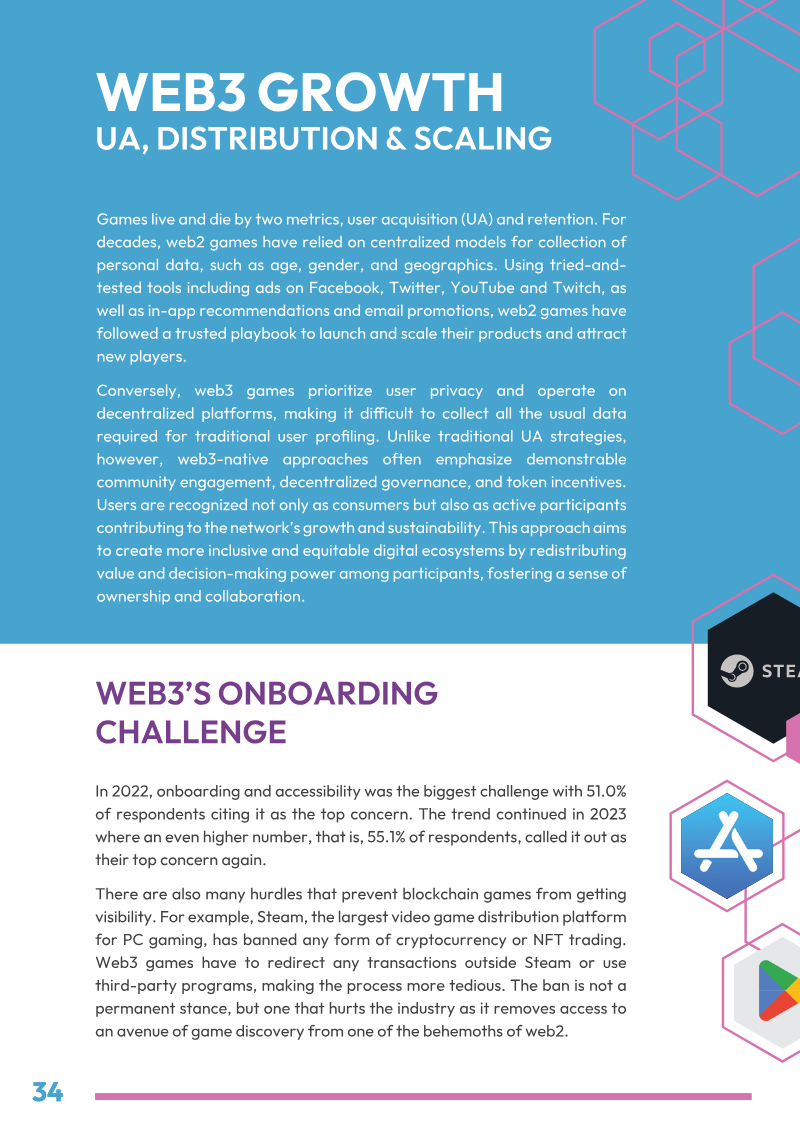
Centralized storefronts like Steam, Apple, and console manufacturers maintain restrictive policies on blockchain integration. This forces developers to choose between sanitized versions or bypassing traditional gatekeepers.
Web3 game distribution currently faces a critical impasse as major centralized storefronts, including Steam, Apple, and console manufacturers, maintain restrictive policies regarding blockchain integration. These barriers force developers to choose between releasing sanitized, non-blockchain versions of their titles or bypassing traditional gatekeepers entirely. Consequently, the industry is shifting toward direct-to-consumer strategies and specialized web3-native launchers to reach players, prioritizing the development of robust content and existing community engagement over reliance on mainstream distribution channels.
The PC market has emerged as the primary battleground for this transition, with platforms like Epic Games, Sky Mavis, and Ultra leading the charge. These distribution hubs are evolving beyond simple storefronts by integrating asset-focused marketplaces, tournament infrastructure, and token-powered metagames designed to align the incentives of developers and players. However, the long-term viability of these platforms depends on their ability to balance complex tokenomics with user-friendly infrastructure. Overly technical barriers risk alienating developers, suggesting that success in the web3 space requires a seamless synthesis of traditional gaming experiences and decentralized economic models.
While mobile and console segments remain largely constrained by platform-holder policies, the current landscape indicates that the future of web3 gaming lies in building independent, self-sustaining ecosystems. By focusing on player-centric engagement tools and decentralized distribution, developers are attempting to mitigate the risks posed by centralized gatekeepers. The industry is moving toward a model where content quality and community ownership serve as the primary drivers of adoption, effectively decoupling the success of blockchain-integrated games from the approval of traditional, restrictive storefronts.
The games and companies this document names on the inner ring, other documents about them on the outer one. Select a cover to see it up close and open it in a new tab; drag to move, pinch or Ctrl + scroll to zoom.
Naavik · 2026
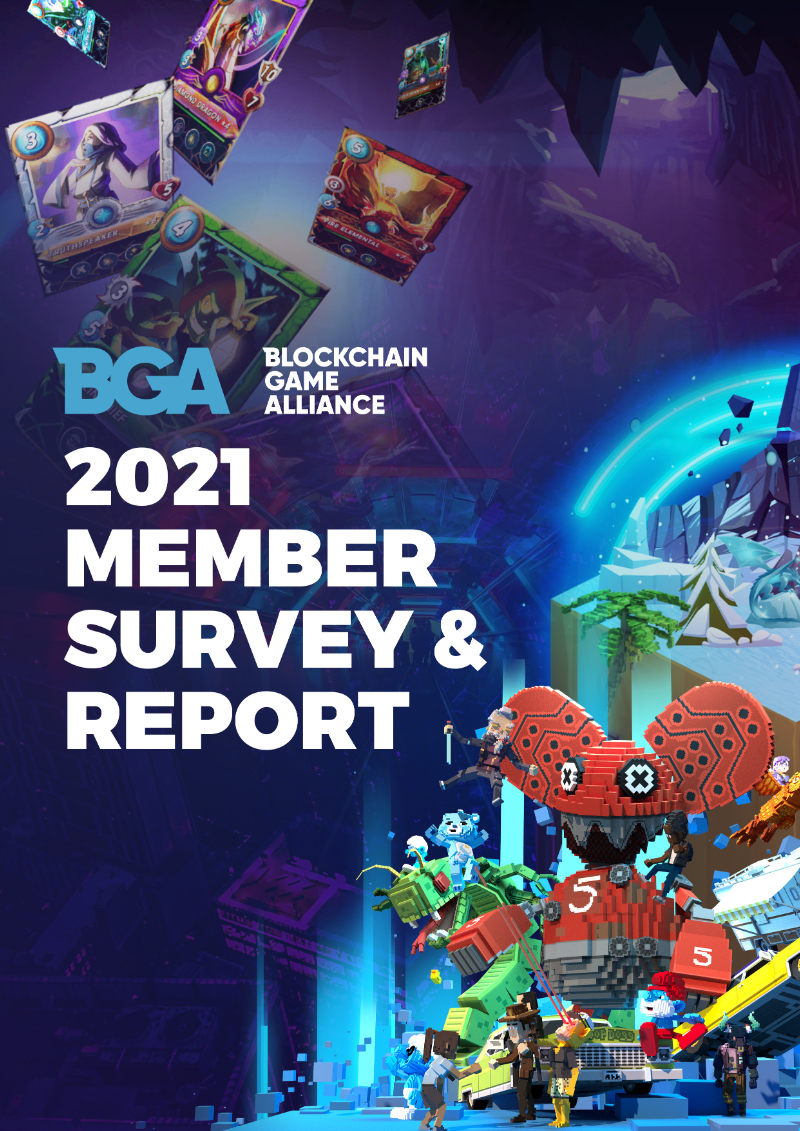
Blockchain Game Alliance · 2025