ArticleThe Esports Advocate
The Final Hurdle Mobile Esports Must Clear in the West
7 Aug 20261 pages~12 min full read
Key insights
7 slides
Asian Dominance
Mobile esports has achieved significant scale in China.
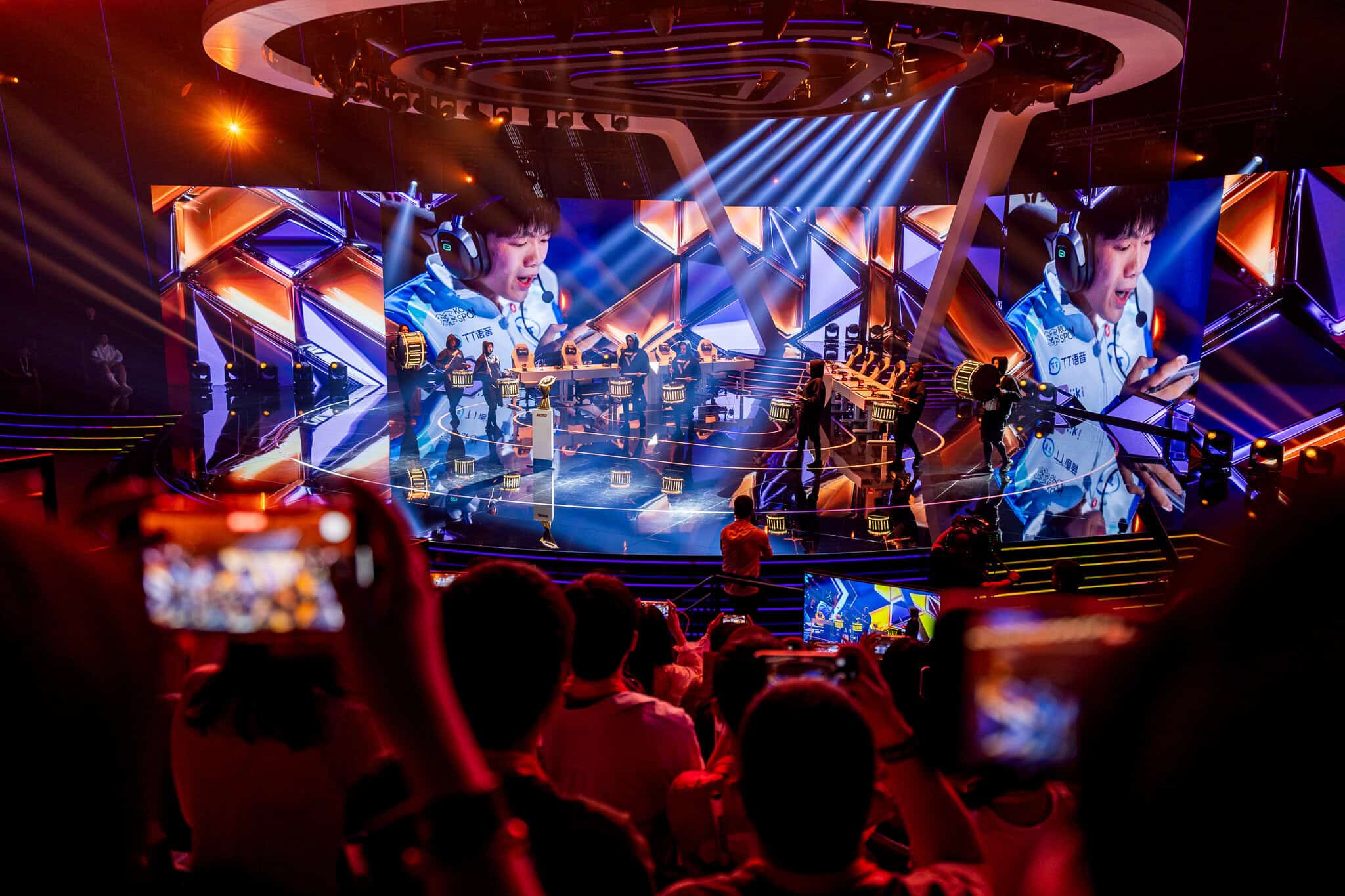
Honor of Kings set a record of 139 million daily active users in late 2025. Its grand finals drew 62,000 live attendees.
Cultural Roots
The dominance of mobile gaming in Asia is driven by socioeconomic factors.
These factors include limited access to high-end PC hardware and widespread mobile connectivity. Cultural habits like short-duration gaming during commutes also contribute.
Western Perception
Western markets currently view mobile gaming as secondary to console and PC platforms.
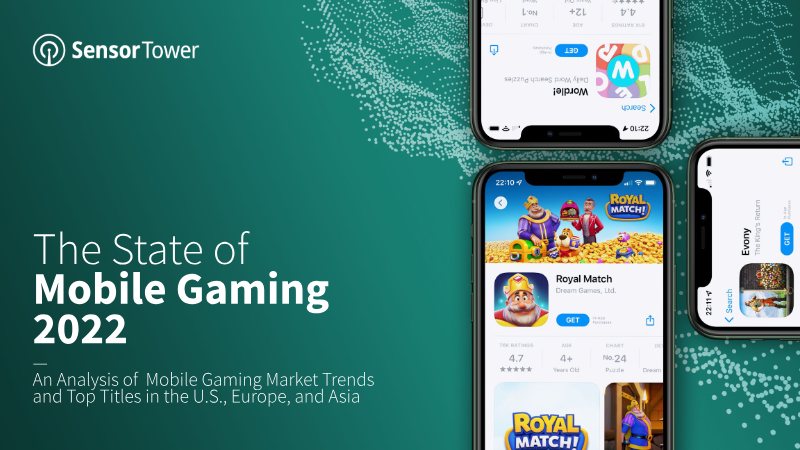
App charts are dominated by casual titles like Monopoly GO and Candy Crush. Competitive esports titles do not dominate these charts.
It's like comparing a quick snack to a full-course meal.
Hardware Impact
Rising memory chip prices driven by AI demand are threatening the availability of budget smartphones.
This could impact market growth in regions like India. Low-cost devices are the primary entry point for new gamers in these regions.
Optimization Strategy
Successful mobile esports titles in Asia rely on 'light' optimization.
This ensures smooth performance across a wide range of hardware. This includes both entry-level and high-end devices.
Player Engagement
To gain traction in the West, mobile esports developers must prioritize low-friction, in-game qualifier systems.
These systems allow for seamless participation. This is similar to models used by PUBG Mobile and Free Fire.
Future Outlook
Future growth for mobile esports in the West may depend on a generational shift in hardware preference.
This shift could be accelerated if rising GPU costs make personal PC gaming less accessible.
1 / 7
Ask AI about this report