1 free read left. Create a free account for unlimited reading + AI research.
Create free accountArticle DiGRA
1 free read left. Create a free account for unlimited reading + AI research.
Create free accountArticleDiGRA
The study treats the XCOM reboot trilogy as a case study in how games engage international relations theory, with particular attention to liberal internationalism.
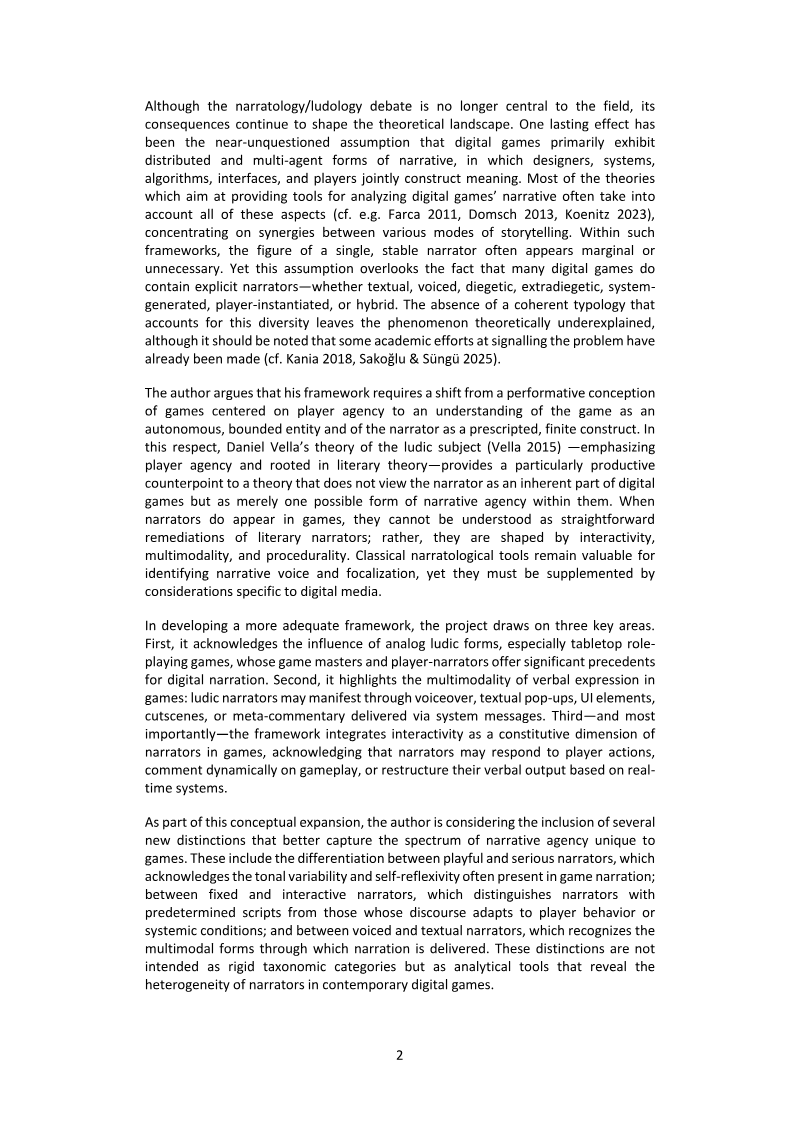
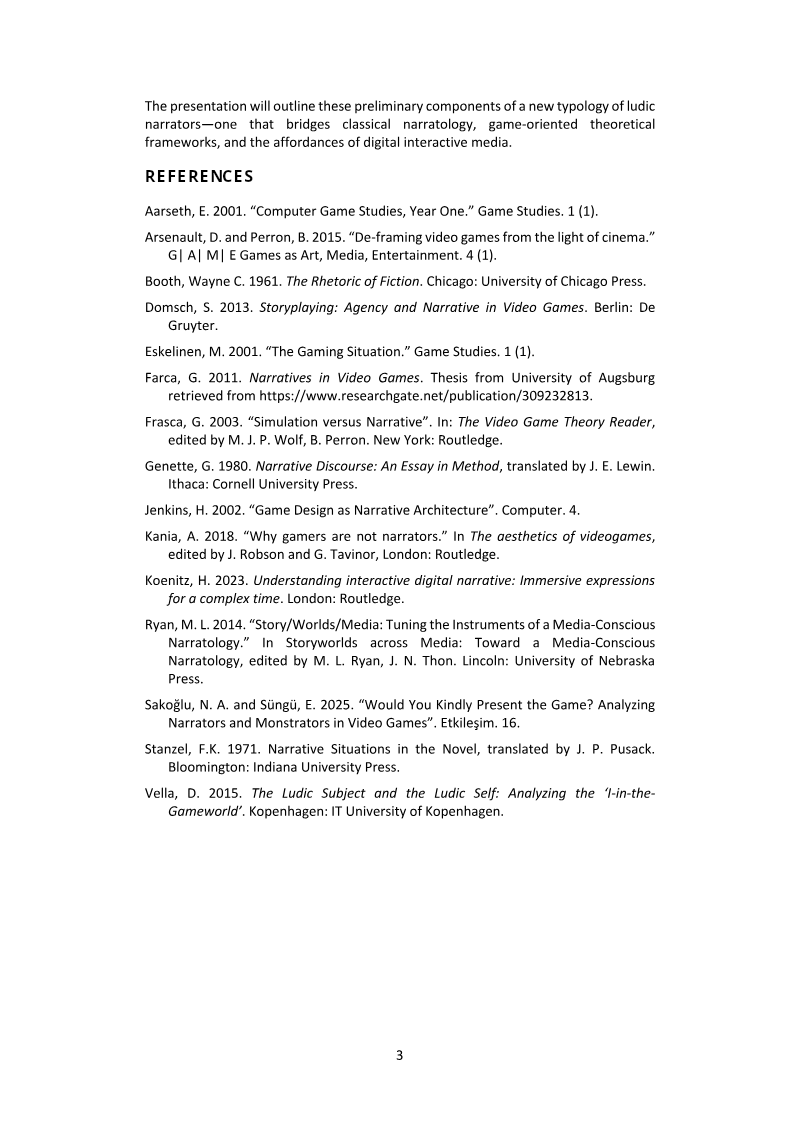
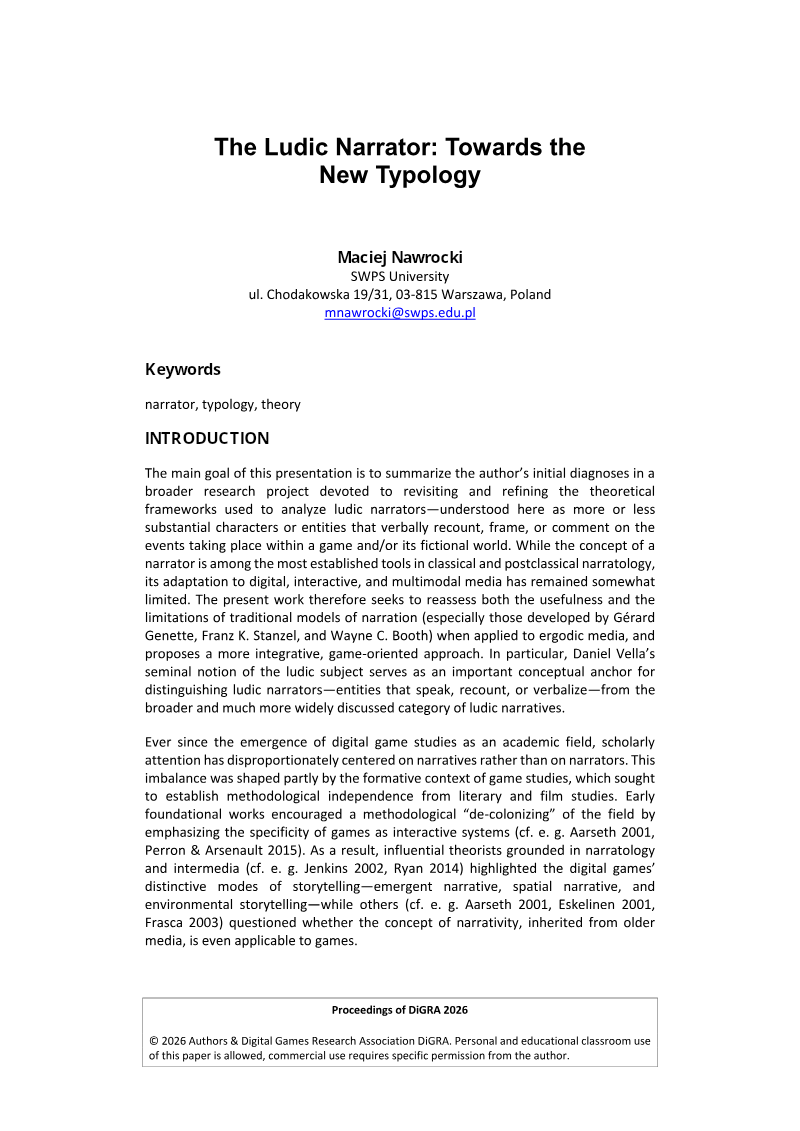
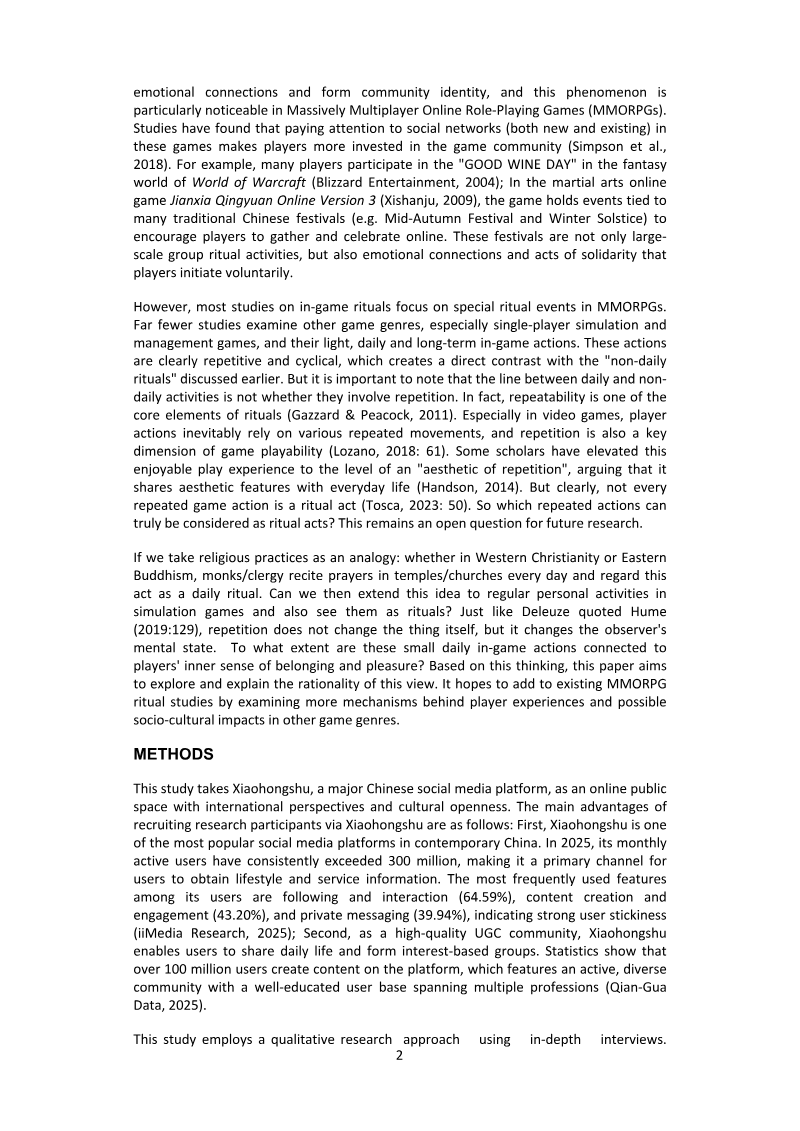
This paper examines the XCOM franchise reboot, comprising XCOM: Enemy Unknown (2012), XCOM 2 (2016), and XCOM: Chimera Squad (2020), as a case study in how games engage international relations theory, with particular attention to liberal internationalism. The author argues that the trilogy traces a liberal arc: from global cooperation against a shared external threat, to the collapse of that cooperation and the rise of a totalitarian order, to eventual liberation and a subsequent turn toward domestic vigilance in defense of a pluralist society. The analysis draws on close reading of the three titles and uses John Mearsheimer's distinction between liberal optimism and realist pessimism as its theoretical frame, while excluding spin-off titles and postcolonial readings that fall outside the study's IR focus.
The paper contends that the franchise departs from the realist logic that its turn-based strategy mechanics might suggest. Instead of framing conflict as a permanent condition of anarchy, the first entry depicts sixteen major powers uniting under a council to confront an alien invasion, while the narrative substitutes generalized global threats such as climate change for the colonial anxieties often embedded in alien-invasion fiction. The second entry presents the failure of this liberal order through the surrender of the council and the establishment of the authoritarian ADVENT regime, with refugee-rescue missions reinforcing the climate metaphor. The third entry relocates to a multispecies settlement facing separatist and terrorist threats, which the author reads as a fictional parallel to contemporary concerns about democratic backsliding, released in 2020.
Methodologically, the study is a qualitative textual and close-reading analysis rather than an empirical survey, and its conclusions are interpretive. The author situates the work within existing scholarship on video games as sites of IR argumentation, citing prior studies of Mass Effect and broader calls to treat games as a mirror for the discipline. The paper's central claim is that such games offer a valuable window into public attitudes toward security, cooperation, and domestic political stability, subjects that may otherwise seem remote to ordinary players.
DiGRA · 2026
DiGRA · 2026