Loading the document
Key insights
5 slides
The research question
Privacy settings do not significantly change overall social presence in location-based mobile games.
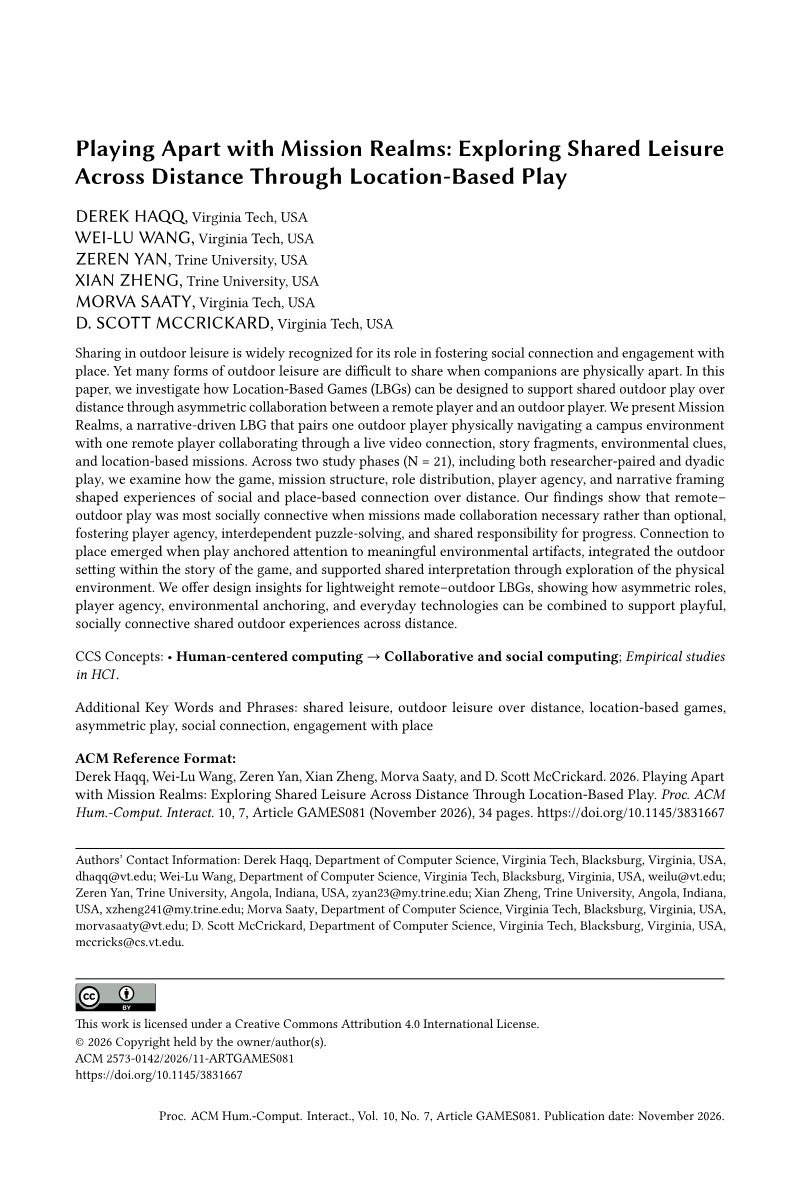
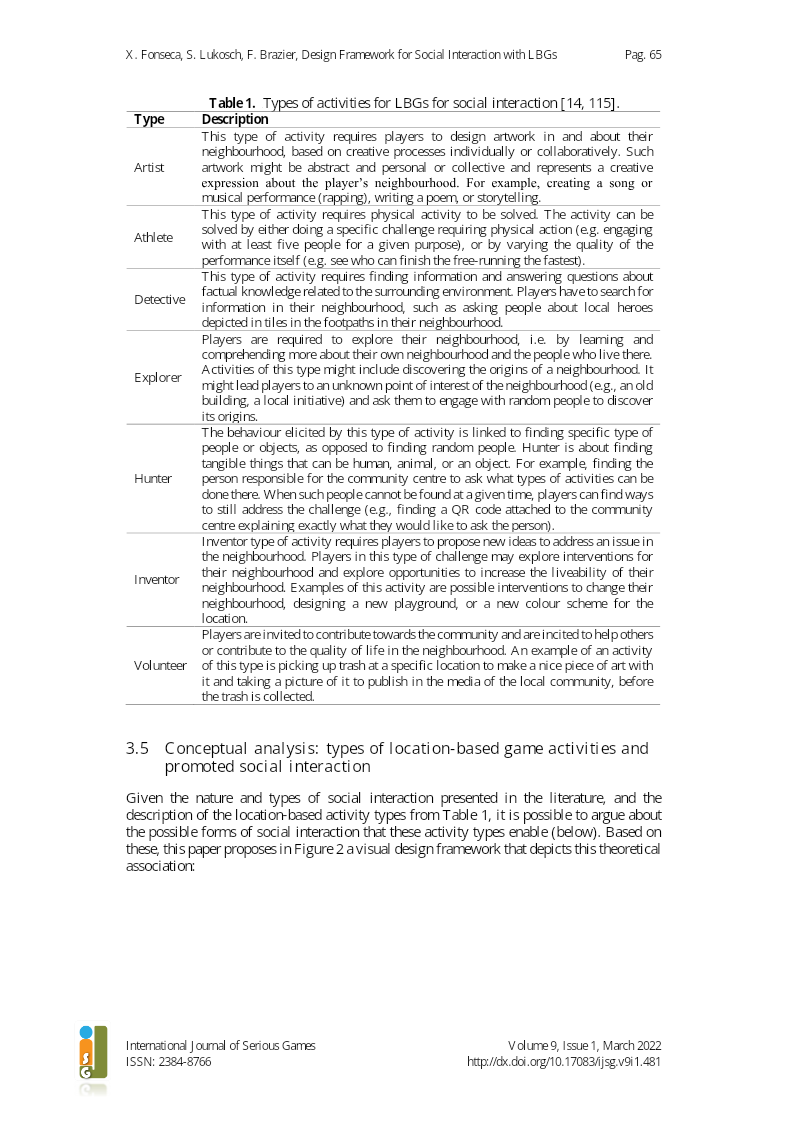
The study investigated how avatar realism and location awareness influence perceived social presence.
1 / 5
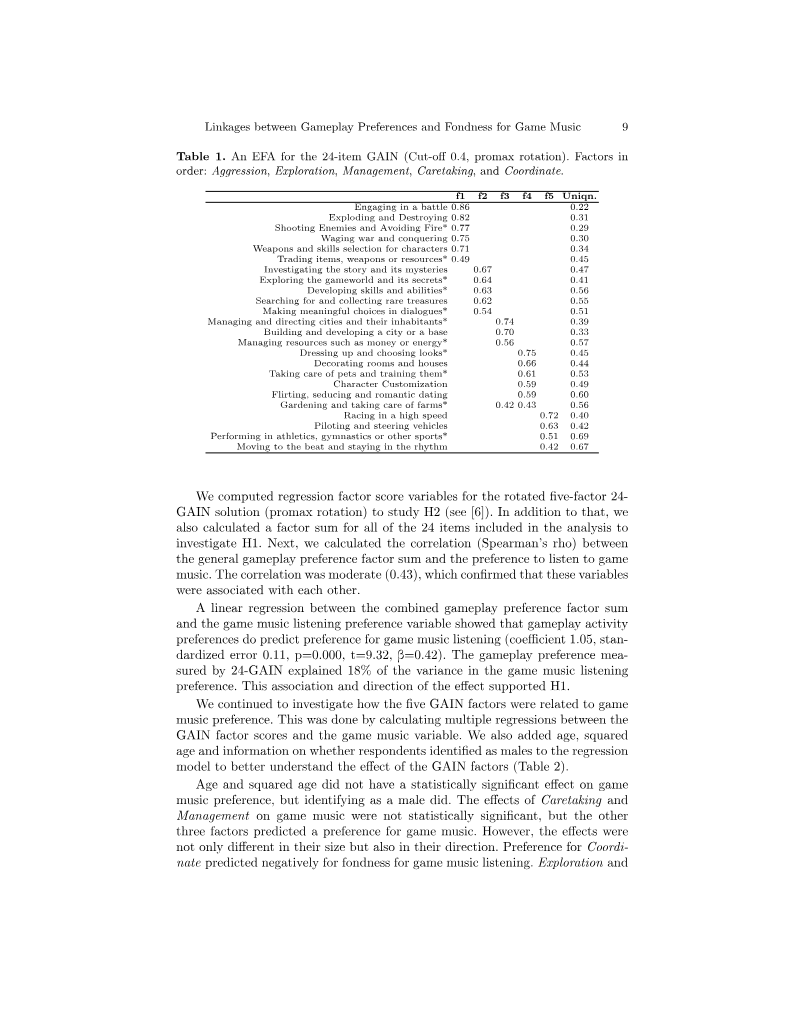
- 0185% of players prefer configurations that enable location tracking, indicating a willingness to trade location privacy for competitive advantage and enhanced engagement.See it on page 10
- 02High levels of game engagement effectively mitigate privacy concerns, as players prioritize task accomplishment over the protection of personal information.See it on page 10
- 03Photorealistic avatars significantly decrease players' negative feelings toward others, suggesting that avatar realism can positively influence the social experience.See it on page 9
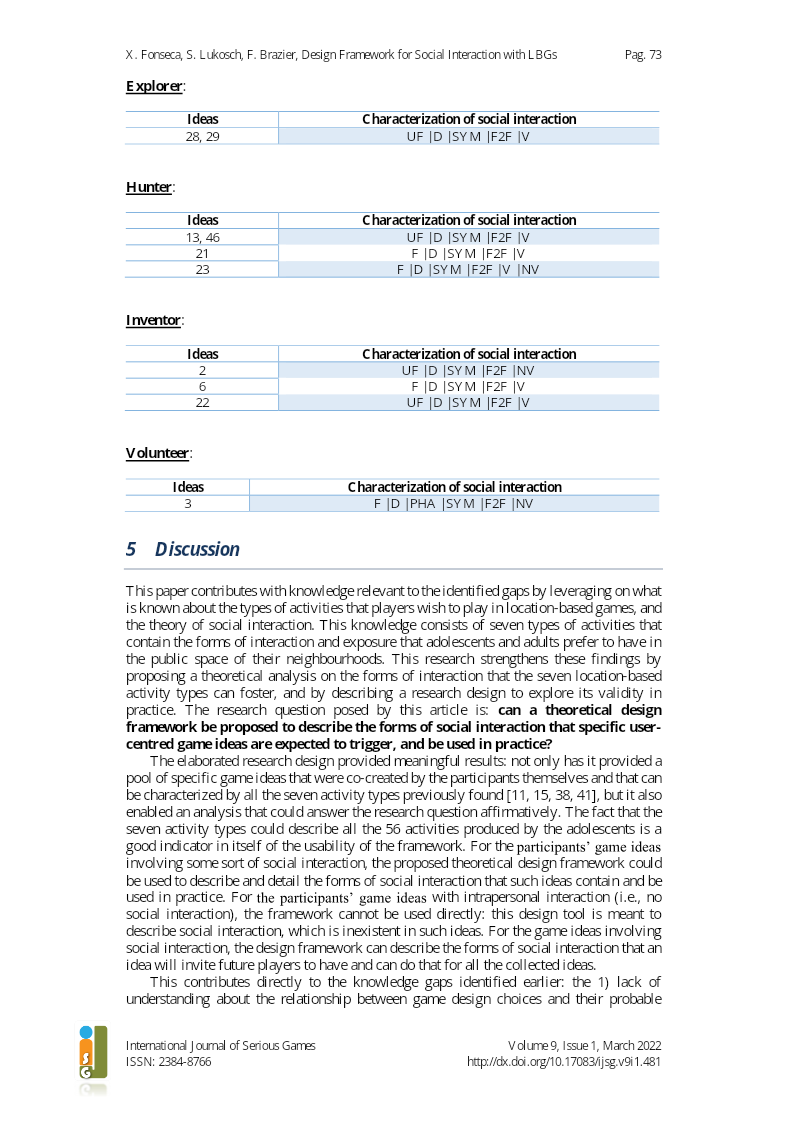
- 04Privacy configurations involving avatar realism and location awareness do not significantly alter overall social presence, though they do impact specific sub-components of the experience.See it on page 1
- 05Developers of location-based games should prioritize the creation of compelling, task-oriented gameplay to reduce user apprehension regarding data sharing.See it on page 11
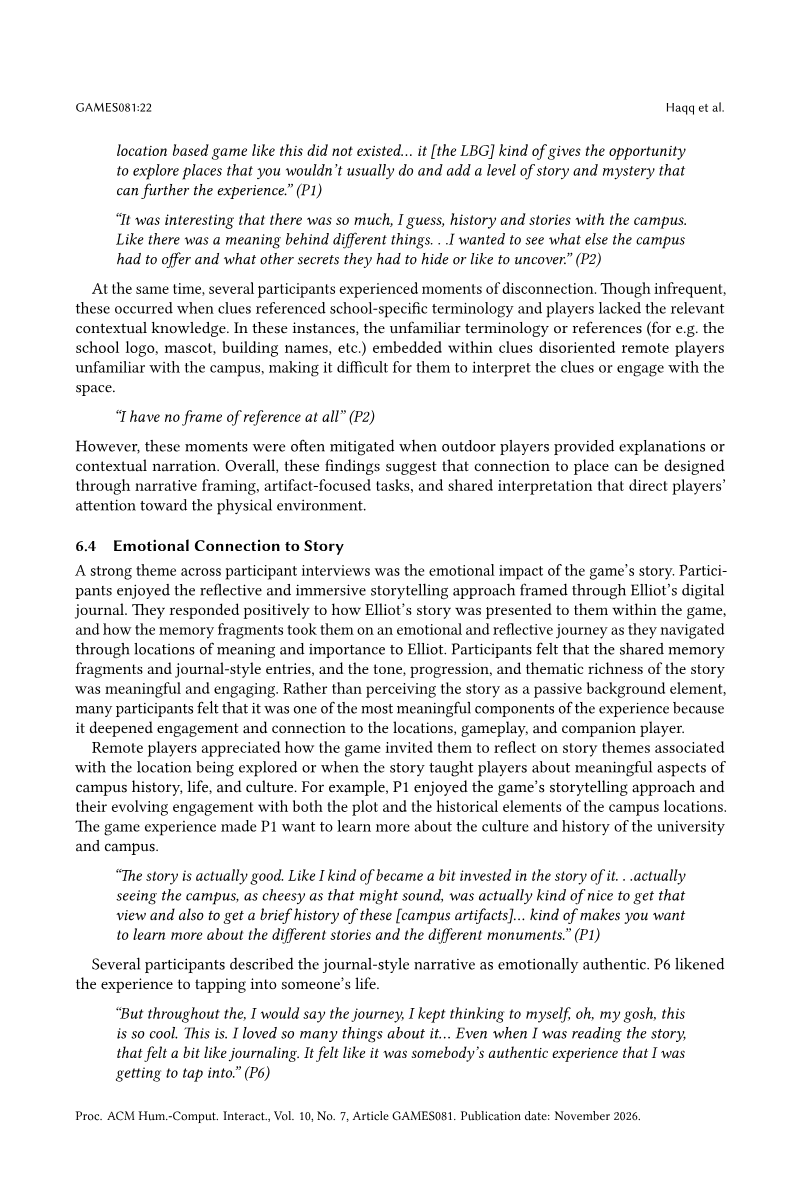
- 06The study, conducted with 27 participants aged 19 to 30, utilized a custom treasure-hunt game to test the intersection of avatar realism and location awareness.See it on page 5
Ask AI about this report
Summary
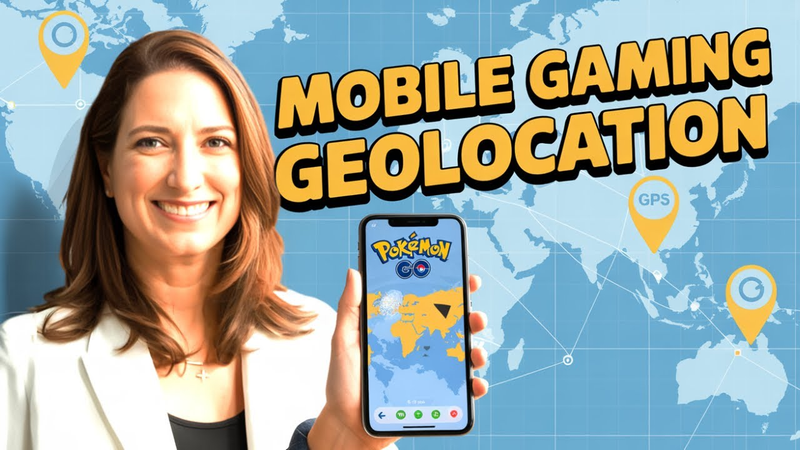
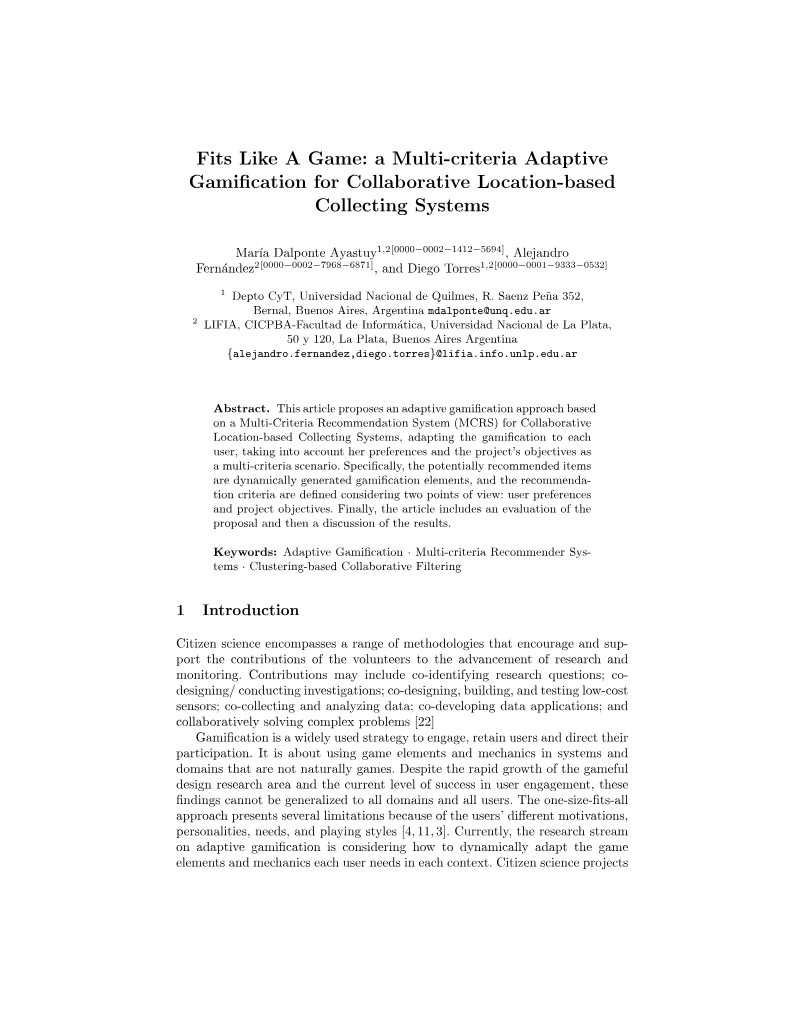
This study investigates how privacy configurations—specifically avatar realism and location awareness—influence the perceived social presence of players in location-based mobile games (LBGs). The research aims to determine whether privacy concerns regarding the disclosure of physical location and personal identity erode the social experience within these games. The study utilizes a custom-designed treasure-hunt game on the iPhone platform to test four distinct privacy conditions: combinations of avatar realism (photographic vs. iconic) and location awareness (enabled vs. disabled).
The methodology involved 27 university students, aged 19 to 30, who competed against simulated AI opponents to ensure consistent testing conditions. Data was collected through the Social Presence Gaming Questionnaire (SPGQ) and post-study interviews. The findings indicate that while privacy configurations did not significantly alter overall social presence, they did impact specific sub-components. Notably, the use of photorealistic avatars significantly decreased players' negative feelings toward others. Furthermore, the study reveals that 85% of participants preferred configurations that allowed for location tracking, suggesting that players are willing to sacrifice location privacy to gain a competitive advantage or enhance game engagement.
The research concludes that high levels of game engagement can effectively mitigate privacy concerns, as players prioritize task accomplishment over information protection. The results suggest that developers of location-based games should focus on creating compelling, task-oriented gameplay to reduce user apprehension regarding data sharing. While the study is limited by its small sample size and focus on competitive play, it provides evidence that well-designed game mechanics can foster trust and reduce the perceived sensitivity of sharing personal location data in mobile gaming environments.