More on Game Design
View all

Whitepaper
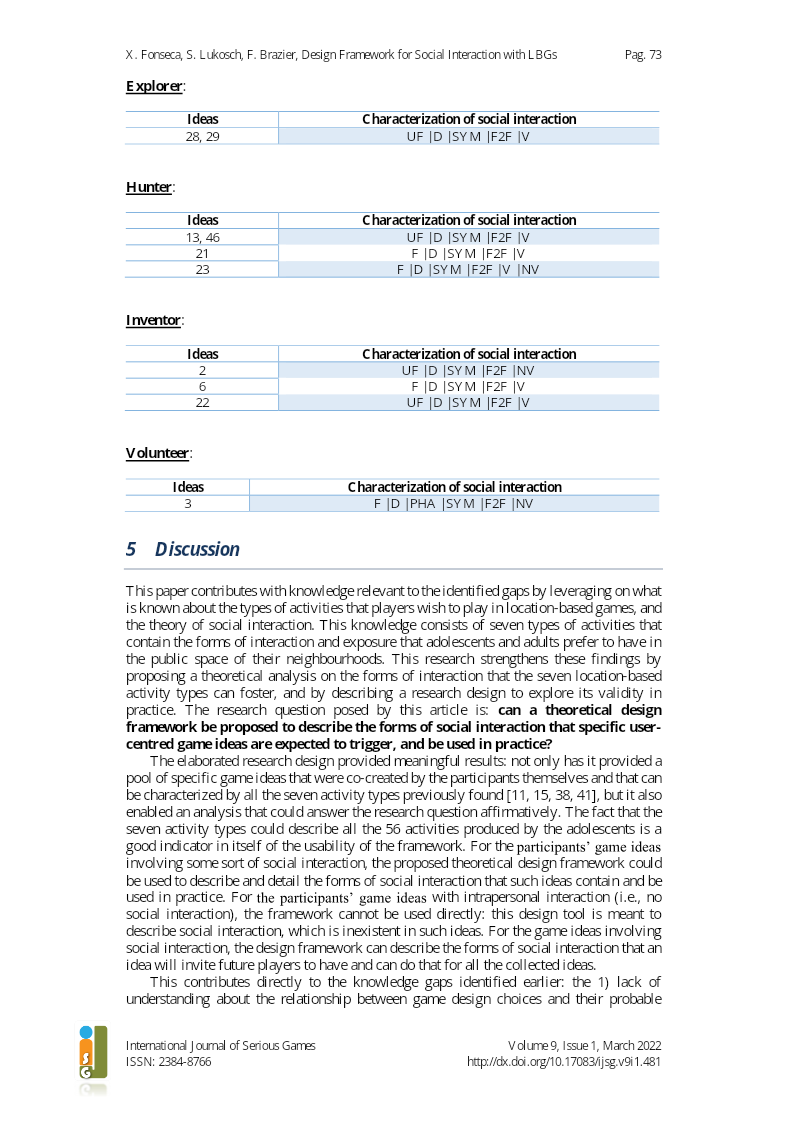
Design Framework for Social Interaction with Location-based Games
International Journal of Serious Games · 2022
Whitepaper
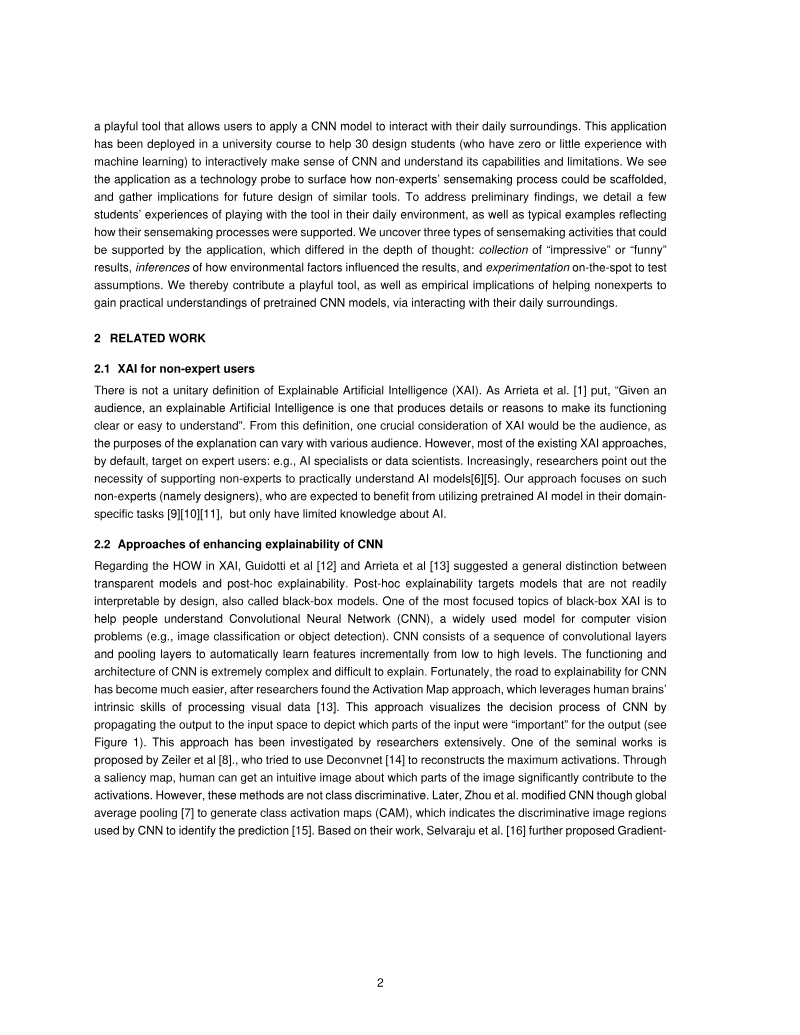
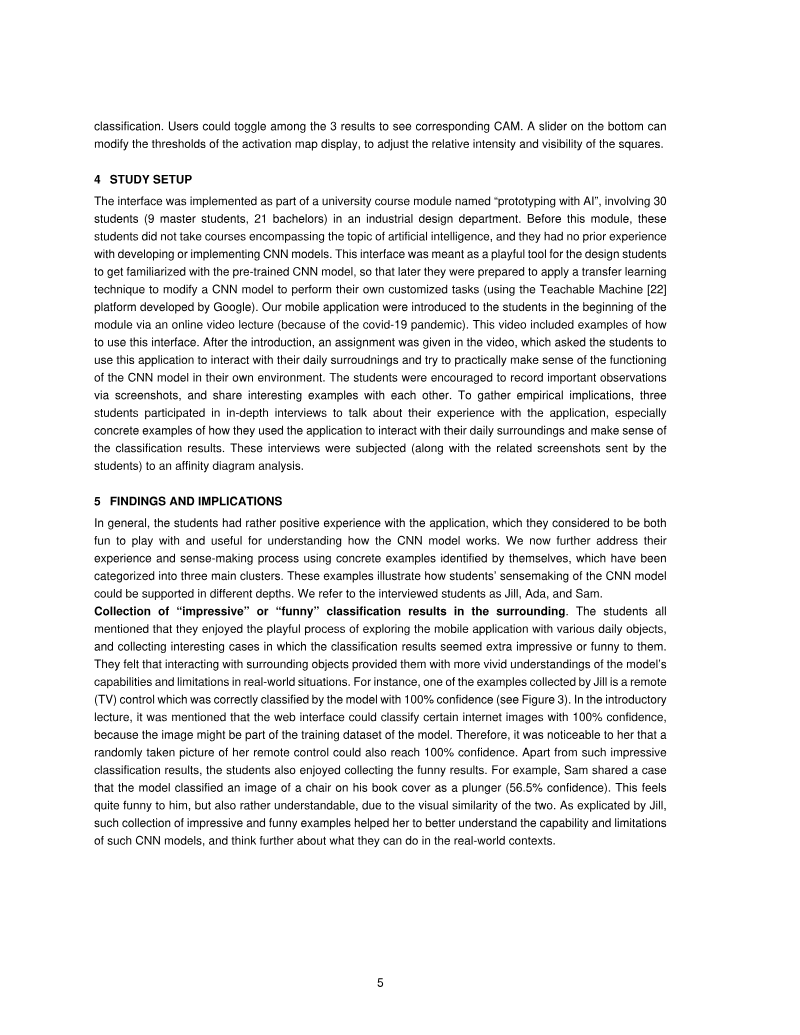
Explainability via Interactivity: Supporting Nonexperts' Sensemaking of Pretrained CNN
Honda Research Institute Europe · 2021


Whitepaper
Location-based Games as Exergames: From Pokémon to The Wizarding World
International Journal of Serious Games · 2020

Whitepaper
Realizing a Mobile Multimodal Platform for Serious Games Analytics
Technical University of Darmstadt · 2019

Whitepaper
Data Analytics of Mobile Serious Games: Applying Bayesian Data Analysis Methods
International Journal of Serious Games · 2018

Whitepaper
Prime Example Ingress: Reframing the Pervasive Game Design Framework (PGDF)
International Journal of Serious Games · 2017

Whitepaper
A Framework for Research in Gamified Mobile Guide Applications Using Embodied Conversational Agents
International Journal of Serious Games · 2015

Whitepaper
Mobile Application for Noise Pollution Monitoring through Gamification Techniques
IFIP International Conference on Entertainment Computing (ICEC) · 2012

PocketGamer.biz
Block Blast Hit 300M Players — And Kills 95% of Ideas
PocketGamer.biz · 2026


Whitepaper
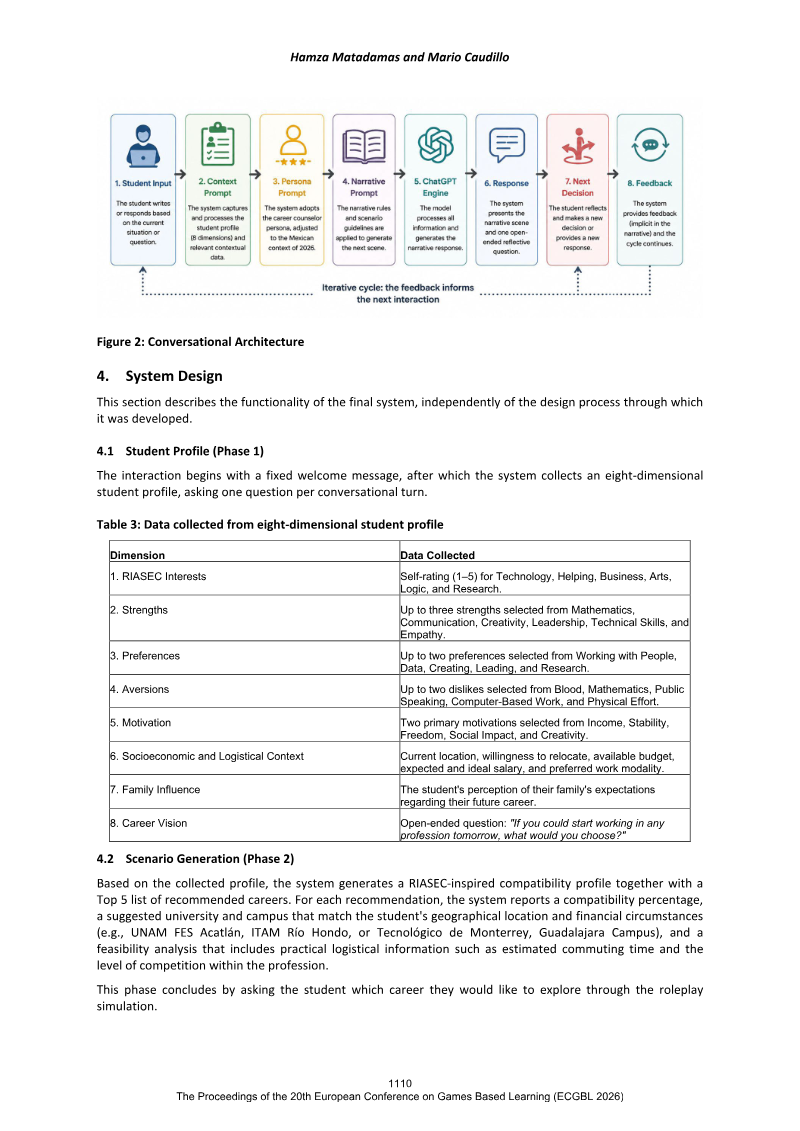
Designing an AI Roleplay System for Contextualized Career Guidance in Mexico
European Conference on Games Based Learning (ECGBL) · 2026


Whitepaper
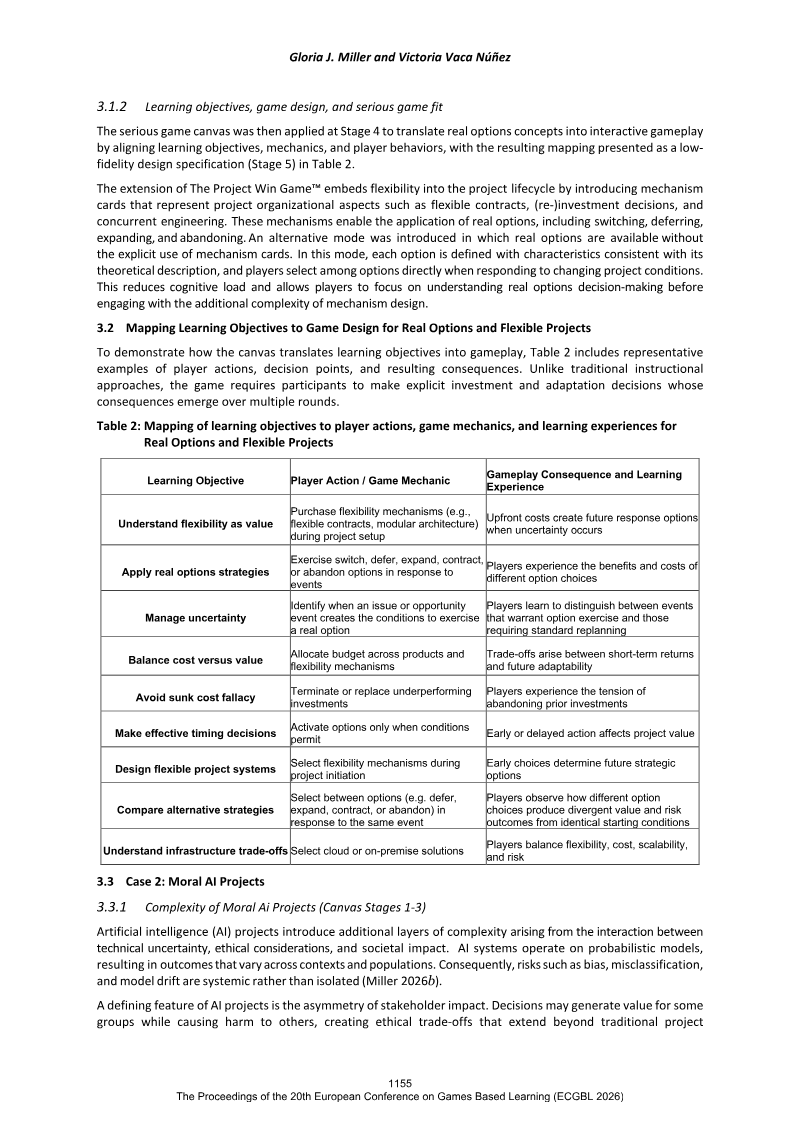
Extending The Project Win Game: Teaching Real Options and Moral AI Project Decision-making
maxmetrics · 2026



Whitepaper
An Early-Stage Feasibility and Usability Pilot for an Immersive Serious Game to Support English Spelling and Semantic Skills
European Conference on Games Based Learning (ECGBL) · 2026