
ArticleGames Industry Africa
The Cultural Gravity Model: How African Gaming Can Build Its Own Global Market
11 Mar 20261 pages~17 min full read
The Cultural Gravity Model proposes a strategic framework for African game studios to achieve global success by prioritizing authentic local identity over the imitation of Western gaming trends. The thesis argues that African developers should emulate the growth patterns of successful cultural exports like Afrobeats, K-pop, and anime, which built massive international followings by first establishing deep, resonant roots within their home cultures. By focusing on lived experiences and cultural specificity, studios can create products that naturally attract global interest rather than chasing it through derivative design.
The framework outlines four essential stages for development: identifying a unique cultural rhythm, activating local and diaspora communities as a primary launchpad, building immersive worlds that foster long-term fan identity, and pursuing strategic partnerships only after achieving internal market strength. The analysis highlights that while the African gaming market is currently valued in the billions with a 12% annual growth rate and a massive, youthful population, no African-made game has yet reached the global top 1000. This is identified as a strategic failure rather than a lack of talent, emphasizing that sustainable growth requires leveraging the spending power of the 200-million-strong African diaspora to fund long-term continental infrastructure.
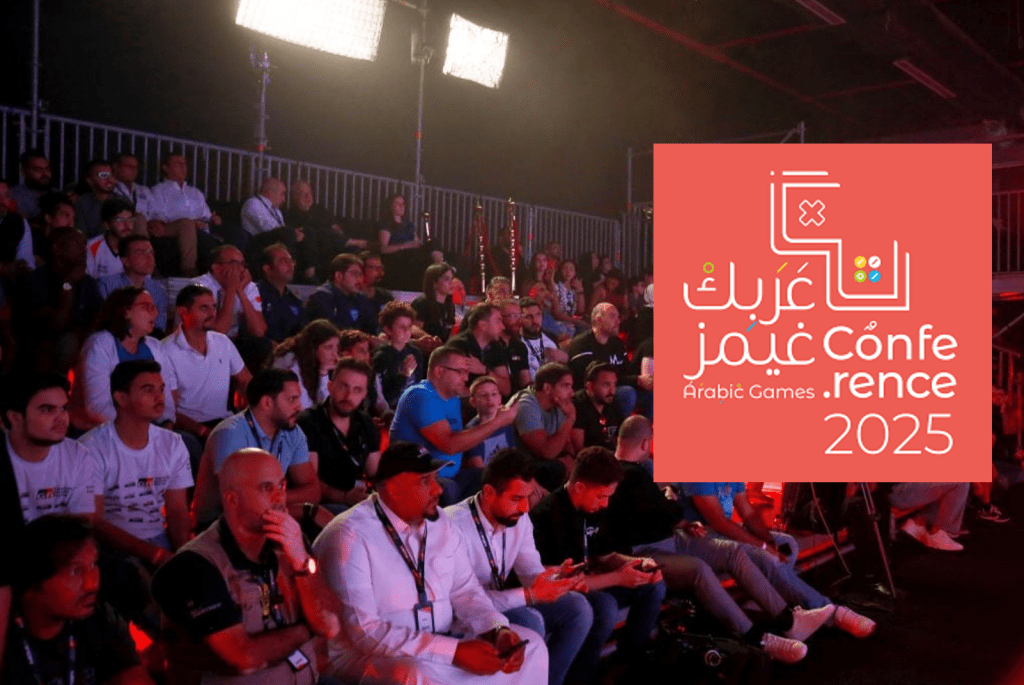
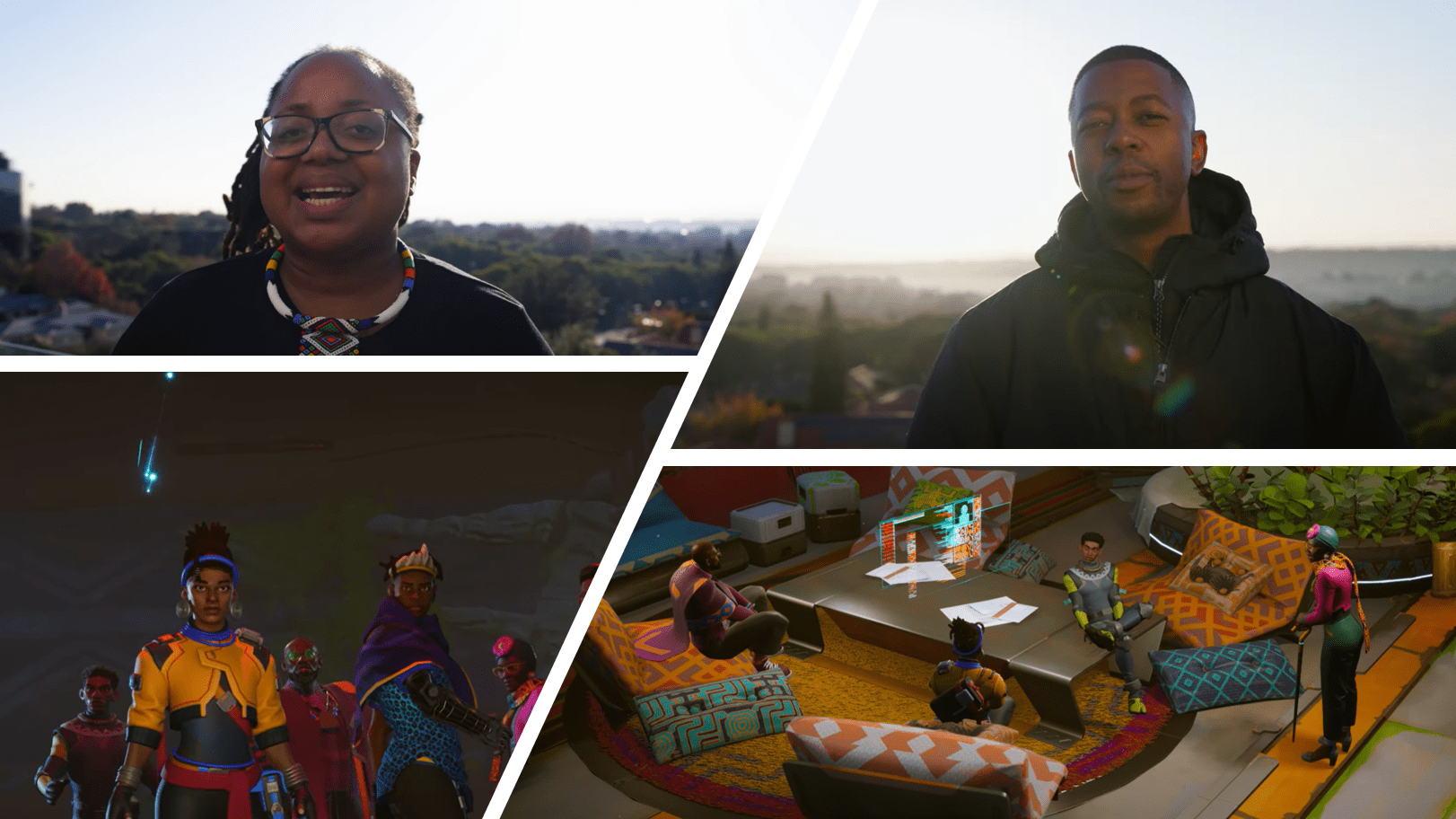
The methodology relies on qualitative analysis of successful global cultural movements and case studies of African studios, such as Nyamakop, Maliyo Games, and Dimension 11 Studios. These examples demonstrate that authenticity—such as incorporating Yoruba mythology or Afrofuturist themes—is a competitive advantage that attracts international backing from major industry players. Ultimately, the model advocates for a shift from survival-based business practices to a proactive, community-driven strategy that treats games as cultural movements rather than mere products.

Games Industry Africa · 2026

Games Industry Africa · 2026

Games Industry Africa · 2026

Games Industry Africa · 2026
Games Industry Africa · 2026

Games Industry Africa · 2026
Games Industry Africa · 2026

Games Industry Africa · 2026
Games Industry Africa · 2026
Games Industry Africa · 2026

Games Industry Africa · 2026

Games Industry Africa · 2026
Everplay Group · 2026

InvestGame

GungHo Online Entertainment
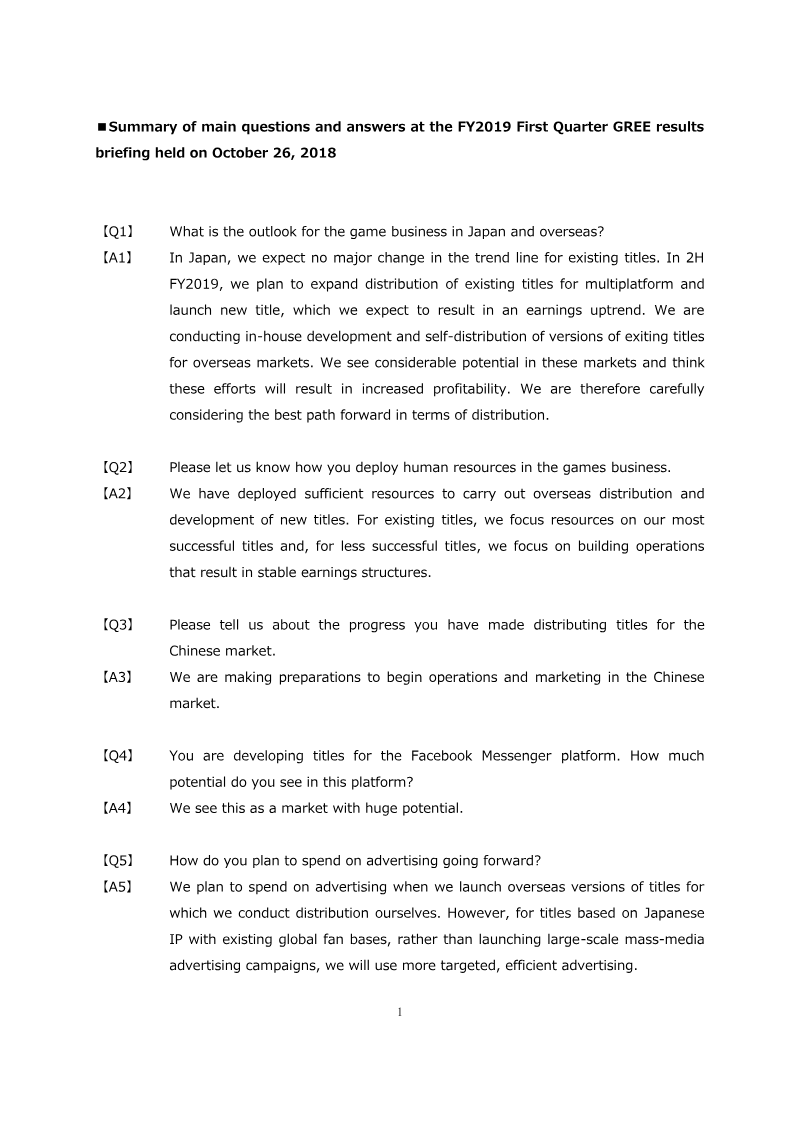
GREE

Frontier Developments
Frontier Developments
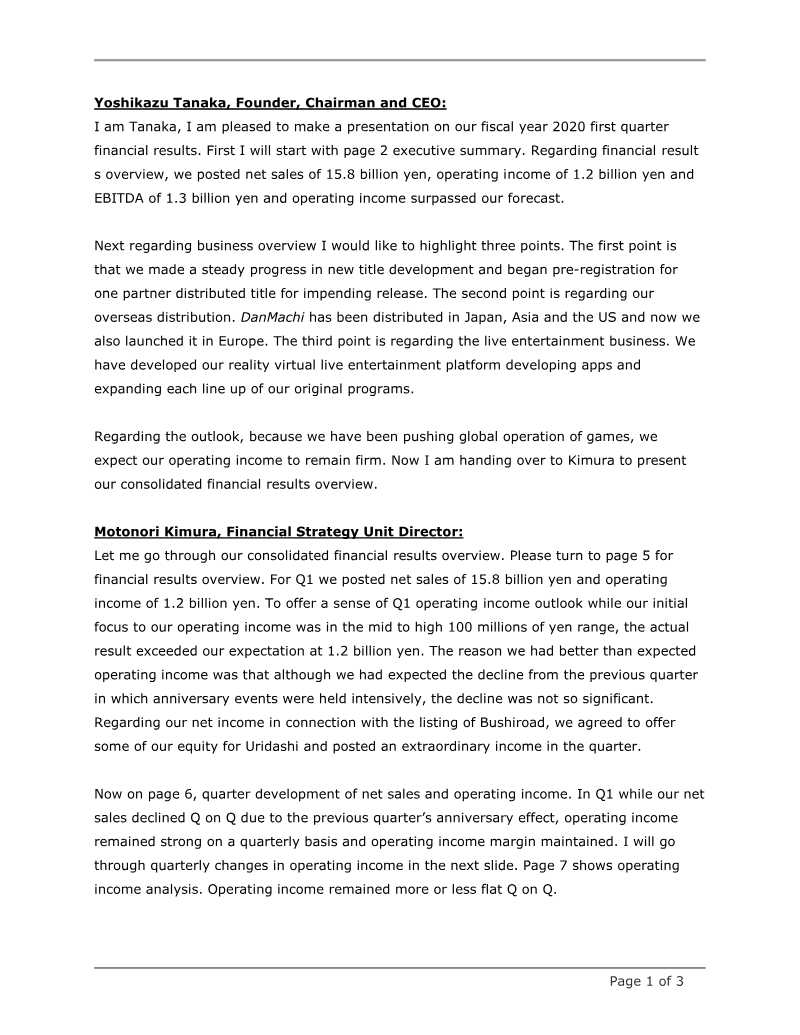
GREE

IGN Entertainment · 2026
Poki · 2026
Capcom · 2026

Square Enix · 2026
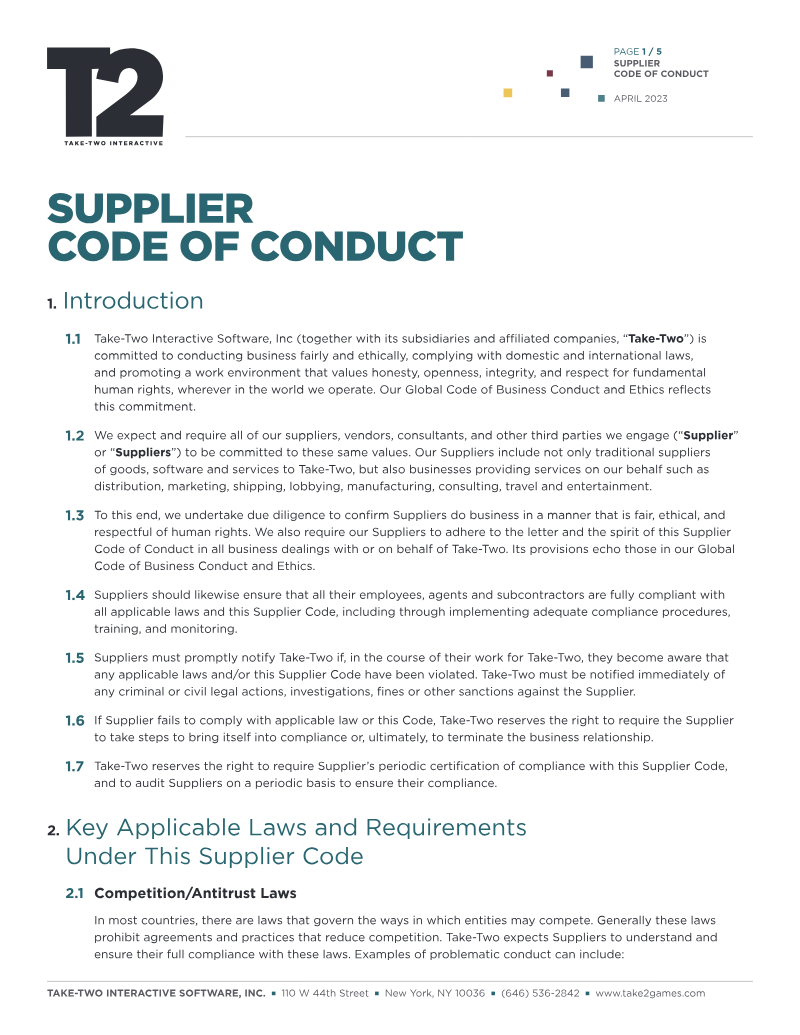
Take-Two Interactive · 2026