1 free read left. Create a free account for unlimited reading + AI research.
Create free accountWhitepaper Ludic Language Pedagogy
1 free read left. Create a free account for unlimited reading + AI research.
Create free accountWhitepaperLudic Language Pedagogy
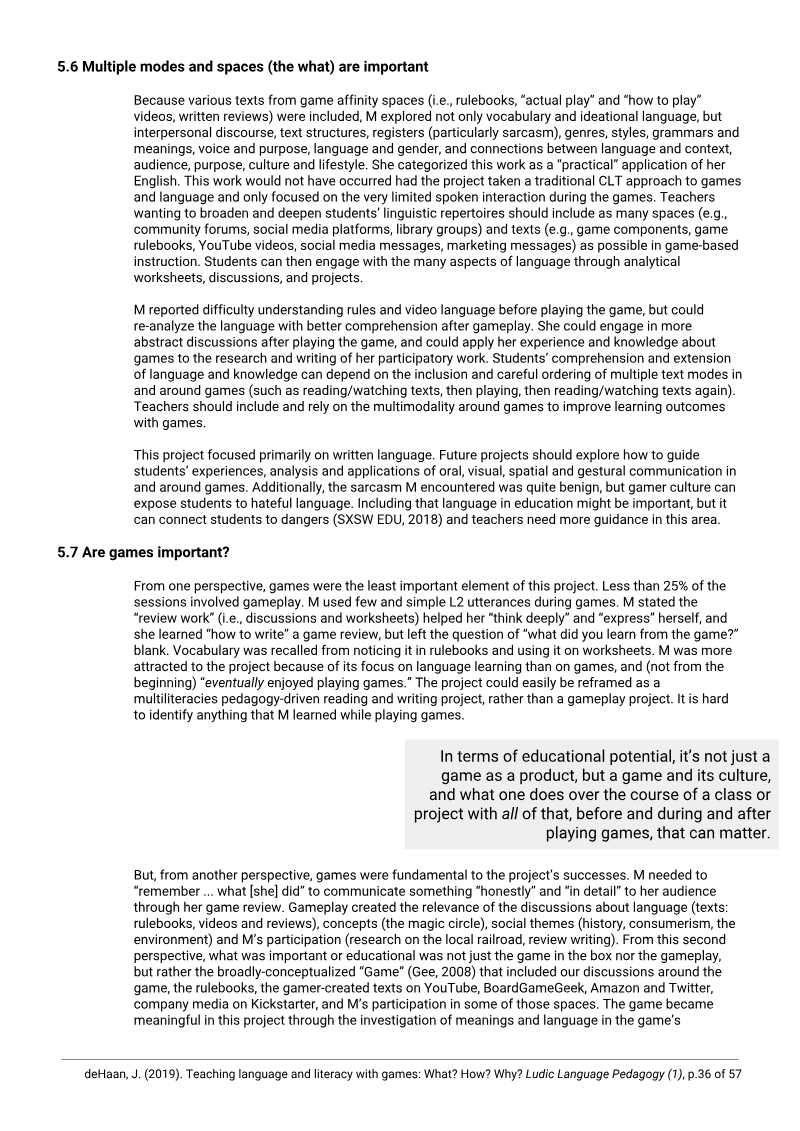
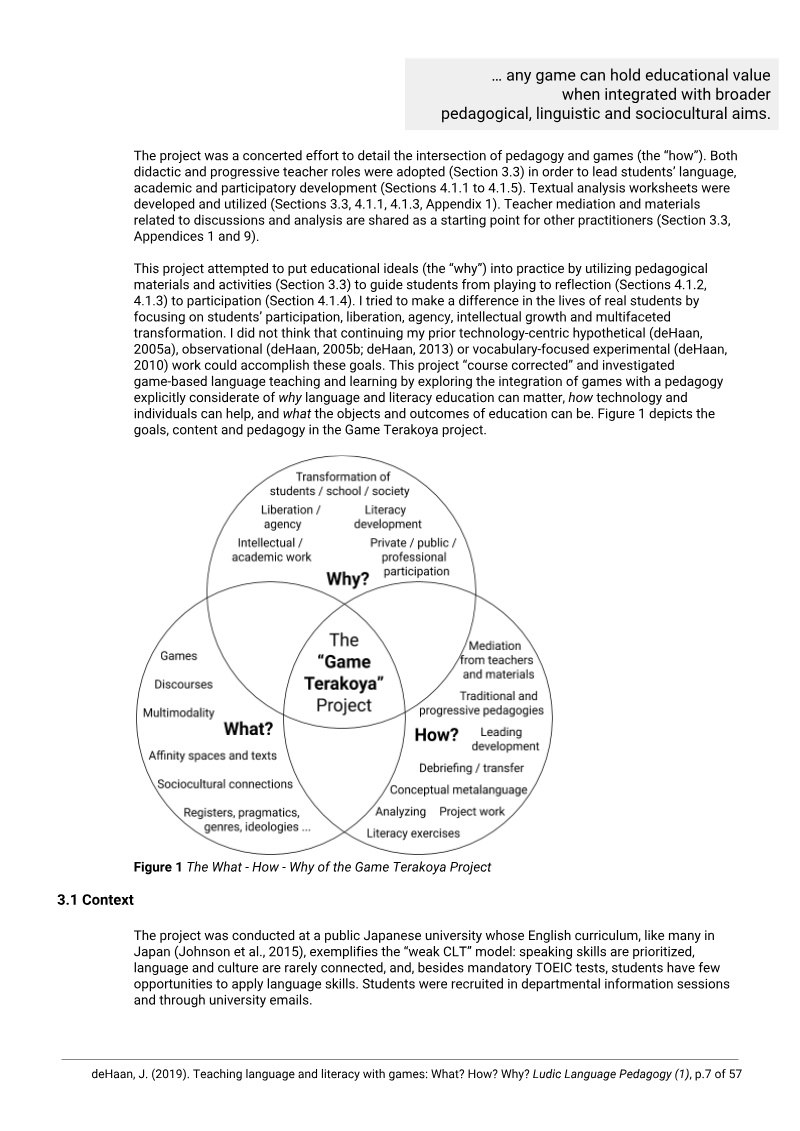
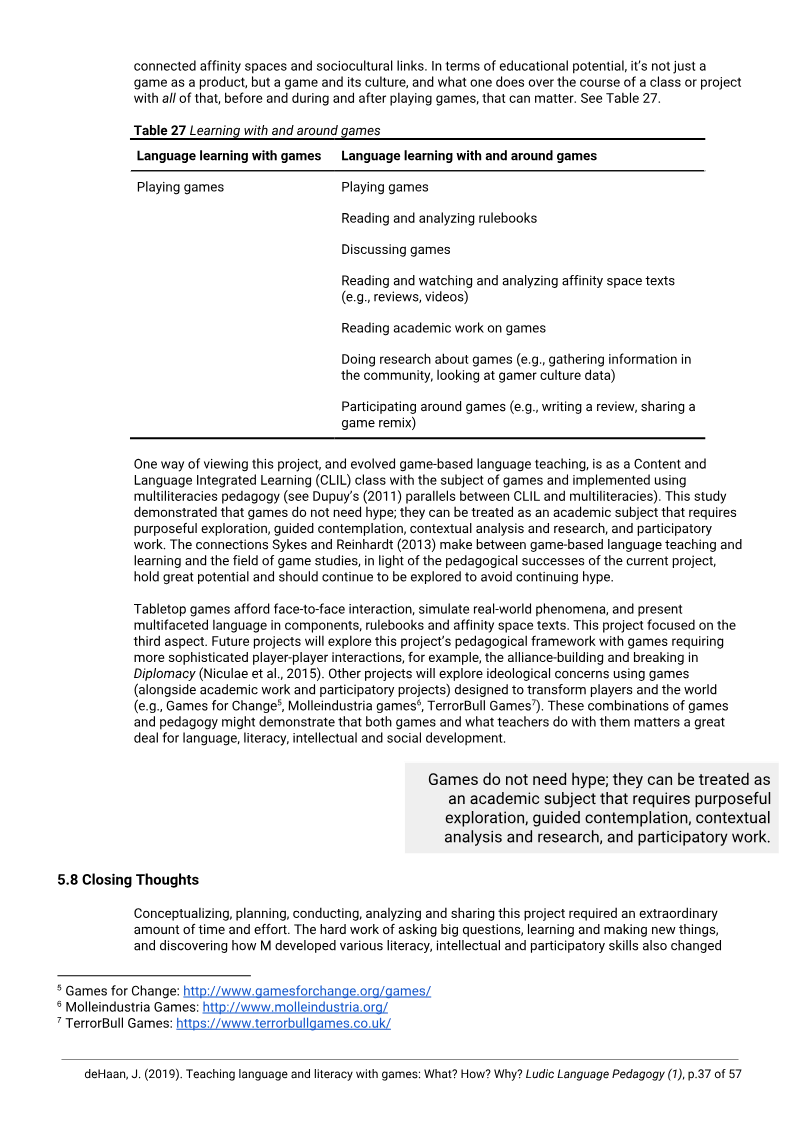
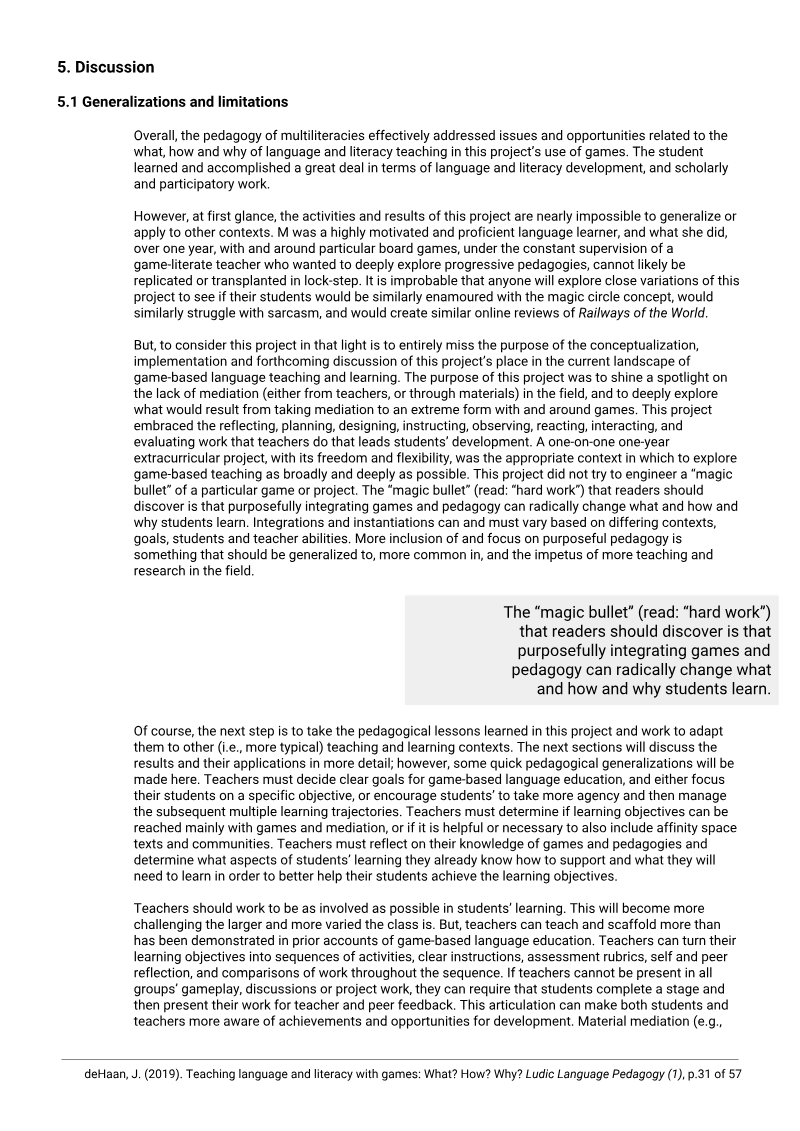
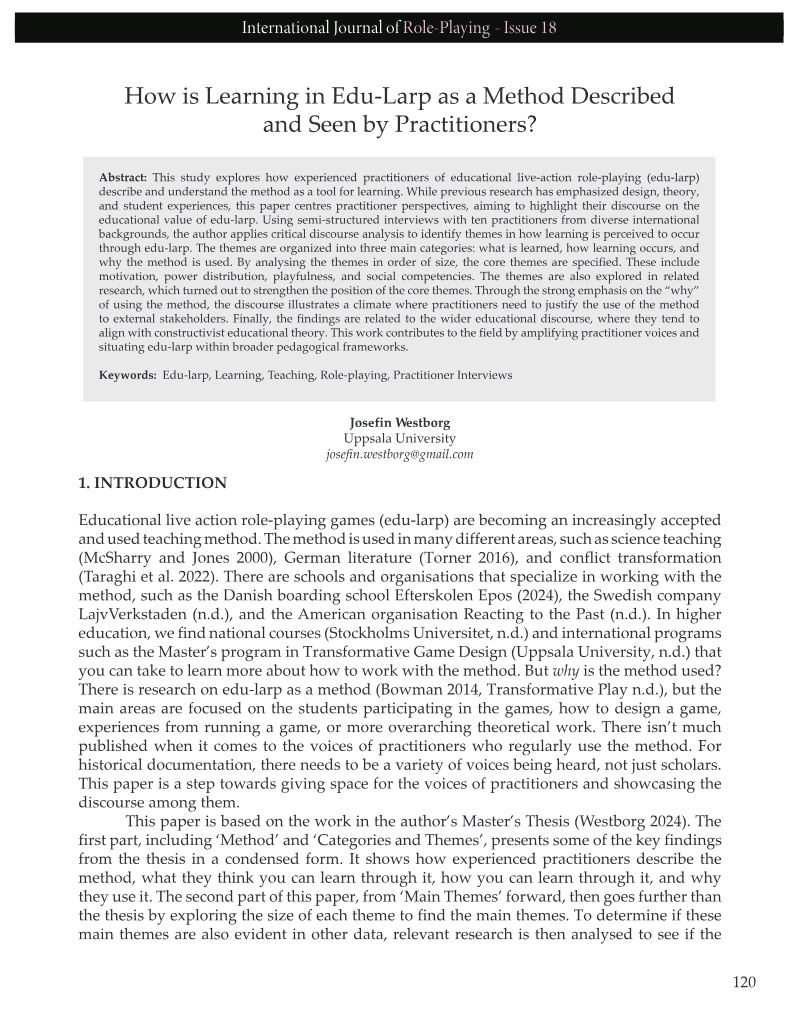
Pre-game research, rulebook analysis, and post-game critical reflection are key to unlocking learning. These activities transform games into catalysts for development.
Key insight. Educational value in games is generated through structured, teacher-mediated activities.
The integration of multiliteracies pedagogy into game-based instruction transforms games from simple entertainment into powerful catalysts for language and literacy development. The core thesis posits that educational value is not inherent in the gameplay itself, but rather emerges from the structured, teacher-mediated activities surrounding the game. By shifting the focus toward pre-game research, rulebook analysis, and post-game critical reflection, educators can foster significant intellectual, social, and linguistic growth that transcends basic vocabulary acquisition.
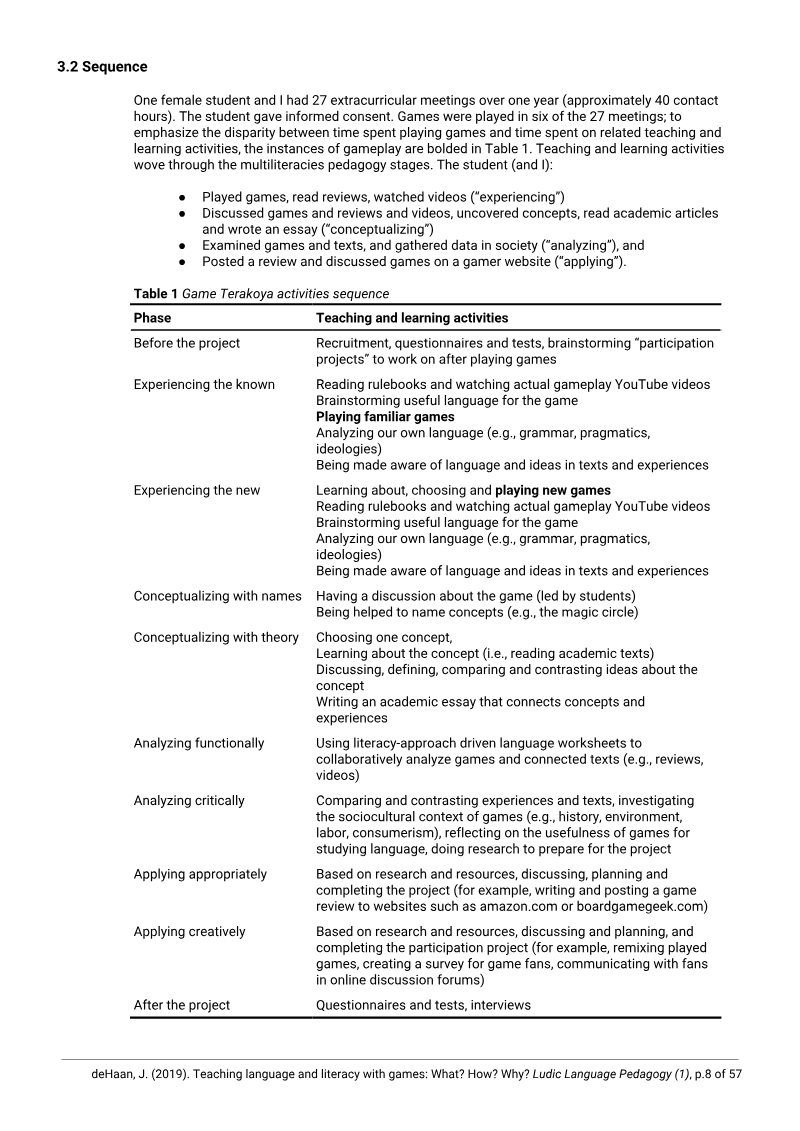
Evidence from the Game Terakoya project demonstrates that when students engage with the broader gaming culture—including online forums, reviews, and community affinity spaces—they develop essential 21st-century skills and New Media Literacy. Case studies involving university-level learners show that this scaffolded approach leads to measurable academic improvements, such as significant gains in standardized English proficiency scores and the ability to produce sophisticated, perspective-driven critiques. These outcomes underscore the necessity of moving beyond techno-utopian hype toward a goal-oriented framework where teachers act as active mediators, guiding students through the complexities of textual analysis and social interaction.
Ultimately, the effectiveness of this pedagogical model relies on a four-stage process of experiencing, conceptualizing, analyzing, and applying. By treating games as an academic subject rather than a passive activity, instructors can leverage the inherent mechanics of decision-making and information management to facilitate deeper critical thinking. While the specific results of such projects are context-dependent, the overarching conclusion remains that purposeful, scaffolded instruction is the essential component for transforming games into effective, sustainable tools for language education. Educators must therefore possess both pedagogical expertise and a nuanced understanding of gaming culture to successfully navigate the unpredictability of student-centered, game-based learning environments.
Ludic Language Pedagogy · 2026
Ludic Language Pedagogy · 2026
Ludic Language Pedagogy · 2026
Ludic Language Pedagogy · 2026

Ludic Language Pedagogy · 2026
Ludic Language Pedagogy · 2026

Ludic Language Pedagogy · 2026

Ludic Language Pedagogy · 2026
Ludic Language Pedagogy · 2026
Ludic Language Pedagogy · 2026
Ludic Language Pedagogy · 2026



Ludic Language Pedagogy · 2026
International Journal of Role-Playing · 2026