ArticleSuperJoost
Sega's $776M Rovio Bid: Prickly Critters Team Up in Tough Mobile Market
20 Apr 2023~6 min full read
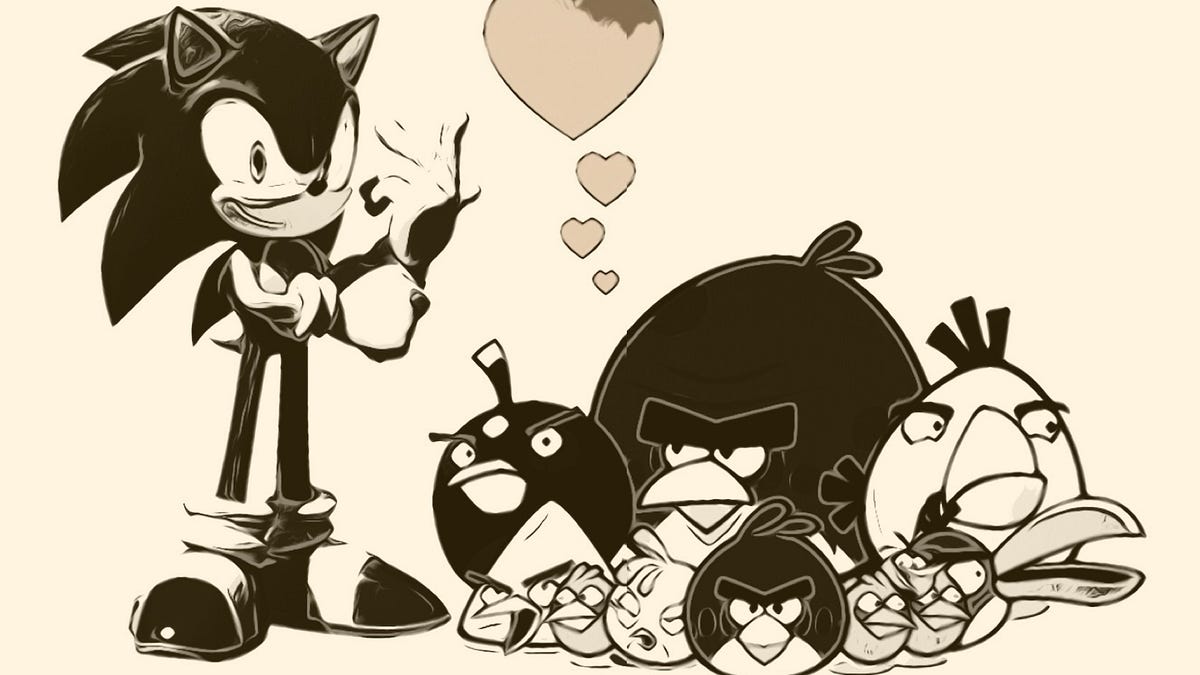
Sega Sammy’s $776 million acquisition of Rovio Entertainment highlights a strategic shift toward consolidation as the mobile gaming sector faces significant headwinds. The deal, valued at approximately €706 million, represents a premium over a previous failed bid by Playtika but remains below Rovio’s 2016 IPO valuation. This merger aims to leverage synergies between iconic intellectual properties, such as Sonic the Hedgehog and Angry Birds, to mitigate the rising costs of user acquisition and player discovery in an increasingly fragmented market.
The broader mobile industry is currently grappling with the deprecation of Apple’s Identifier for Advertisers (IDFA) and stricter platform privacy regulations, which have diminished the quality of downloads and slowed revenue growth. Major genres, including RPGs, shooters, and Match-3 games, are experiencing declines, with analysts forecasting an annual market contraction of five to ten percent. In this environment, established franchises are viewed as essential assets for maintaining an active player base without relying on prohibitively expensive performance marketing.
Beyond mobile consolidation, the industry is seeing a diversification of audience engagement and regulatory scrutiny. The success of the Super Mario Bros. Movie, which surpassed $700 million at the global box office, underscores the immense value of cross-media flywheels for legacy gaming brands. Simultaneously, the market is expanding to include older demographics; research from the AARP identifies 52.4 million gamers aged 50-plus who contribute roughly $5 billion annually to the sector. These trends suggest that while the mobile market faces immediate structural challenges, the long-term industry trajectory favors multi-platform intellectual property and inclusive design for aging populations.
SuperJoost · 2026

SuperJoost · 2026
SuperJoost · 2026
SuperJoost · 2026
SuperJoost · 2026
SuperJoost · 2026
SuperJoost · 2026

SuperJoost · 2026
SuperJoost · 2026
SuperJoost · 2026
SuperJoost · 2026
SuperJoost · 2026
Modern Times Group · 2026
Aream & Co · 2026
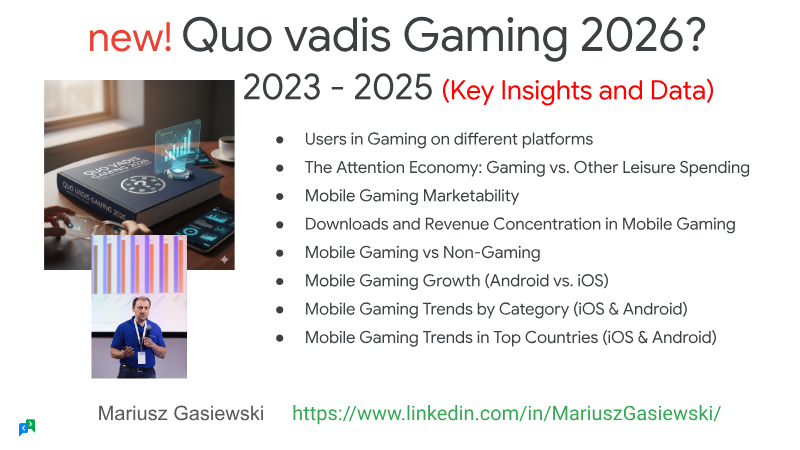
InvestGame · 2026
Epyllion · 2026
Sensor Tower · 2025
Take-Two Interactive · 2025
Newzoo · 2025
Xsolla · 2025
Aldora · 2025

Sensor Tower · 2025
InvestGame · 2025
Aldora · 2024