Loading the document
1 free read left. Create a free account for unlimited reading + AI research.
Create free account
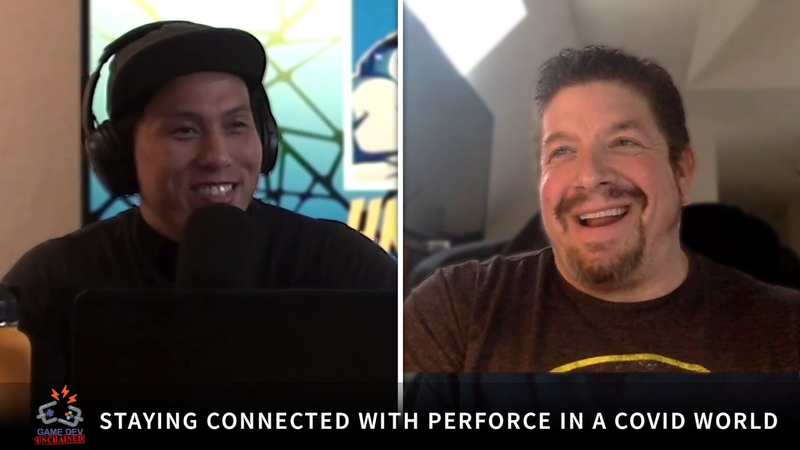
Staying Connected with Perforce in a COVID World with Brad Hart | Game Dev Unchained Episode 225
Key insights
6 takeaways- 01The primary operational challenges of the remote shift include hardware limitations for senior staff and increased strain on IT departments tasked with managing distributed infrastructure.
- 02Studios are increasingly replacing physical server hardware with global replication tools, which allow teams to maintain high productivity levels regardless of their geographic location.
- 03The shift to remote and hybrid work has fostered a results-oriented culture that improves employee well-being and sustains output by eliminating daily commutes and providing flexible work arrangements.
- 04The game development industry has successfully transitioned from centralized, office-based workflows to distributed, cloud-reliant models, proving that physical proximity is not a requirement for creative collaboration or security.
- 05Long-term success in the post-pandemic game industry is now tied to a studio's ability to maintain high-performance, location-agnostic workflows through operational innovation.
- 06While larger studios have experienced project delays due to entrenched meeting cultures and remote quality assurance challenges, smaller developers have gained a competitive advantage through early cloud adoption.
Ask AI about this video
Transcript
I [Music] what's up everybody welcome to another episode of gain dev Unchained the number one podcast about game development in the lifestyle thereof I am your host Brandon Pham and this week a special guests he's been on the show before and I'm gonna cue in Brad Hart how you doing Brad for me again good to hear from you man so for people who haven't listened to the last episode can you give them a quick reminder of who you are where you're from and where you're hidden yeah absolutely so Brad Hart I'm the CTO at perforce was a specific focus on the helix core version control product which is a lot of you folks in the gaming industry are probably very familiar with I'd also run the ALM hand saw product
which is for project management and a lot of very popular in game space as well and now taking on a new product called rebel which is a java accelerator for people doing Java development backgrounds kind of always been in version control in large-scale enterprise development organizations started a company a number of years ago that was sold off to microphone in the same version control space used to actually compete against perforce back in the day which is kind of fun to be here now but yeah super excited to be back on the show and talking to hopefully some of the people that are using our products ever you know every day or hopefully will be at some point yeah so since the last time we talked a lot has happened I guess the last three months especially yeah I know right what were we doing at home all the time well uh what I liked gonna start off with with all our guests is kind of asking how the kovat 19 has affected the business your personal routine and all that to kind of give an update out there
of where you're coming from from your specific industry yeah I mean it's uh you know I'm sure it's no different than what a lot of folks are dealing with for me personally it's not a whole lot different I 10 I work out a remote location anyways I live in New Hampshire and our you know corporate offices in Minneapolis and we you know development sites are in Alameda California and what can ham UK etc we have a number of different sites so if I'm on the road visiting customers or going to GDC things like that I'm typically working from home so for me personally the routine is pretty pretty normal for the company it's definitely been a change you know all of our teams all you know finance marketing development everybody's made the shift to work and remote and we've handled it really well I mean I think we kind of got ahead of it a little bit we kind of anticipated it so we made sure our infrastructure was ready and you know so the teams you know our development teams are I think they're actually going
faster than before I think people you know it tend to when they're home you almost tend to work more I think the traditional negative connotation of people working from home is that they're not going to work as much they're gonna hang out with their family and friends they're gonna goof off whatever but I think the reality is to get your opinion or based on what you hear and is that people almost tend to work hard as they tend to work longer because work never really there's no break point so work never really stops nights weekends etc so it's actually on our minds and the management team of how do we keep you from burning out right how do we make sure they're taking the break of you know work versus life I don't know if you hearing similar things or yeah definitely I think there's a correlation I and again I think a lot of it comes from training I mean it sounds like you have a lot experience with remote working but I feel like and I've been kind of doing it for the past year myself but before then I was kind of
doing a lot of side hustles in and in things my nine-to-five that helped train me into that position and so the last time I mean the few guests and the people that I know in the industry that are transitioning aside from their company kind of uprooting their IT infrastructure to kind of get everyone we're talking about like huge companies with huge amount of individuals that was a certain lien challenge but people themselves adding the component the X Factor that maybe even with me and you being experienced working from home and being efficient the kids said only not having the rest of the school year to go to is another level of working from home that I don't think anybody anticipated so I think a lot of people are sort of struggling even without these kind of barriers mm-hmm but with it extraordinarily difficult because they're being asked parents are being
asked to be teachers as well now to which is another factor yeah I mean I know people certainly some of the folks that are on my teams where they you know like my case my wife isn't working right now because she works at a surgical center and she works with mostly elective surgeries so that shut down so she's able to take care of the kids where I know some of the people that are on my team they're both still working and their kids are home to your point who watches them when who's teaching them and so there's a lot of the interesting side effect of a dad I've been seeing people are sort of doing like a trade-off routine right all right you get the first couple hours and I'll switch off and what happens is it's funny the I don't my interaction and my workload has increased because of people doing that there the overall day gets longer cuz not everybody on my teams following the same schedule so it's early morning till very late at night
you don't know who needs what when so it's it's very different like you said you're not really prepared for me personally to your point I love that you said side hustle I've always had a side hustle right especially when starting a small company it was like money wasn't huge right so you know I was always taking on projects on the side and doing this and working on smaller companies and helping people out so you know the the late-night hours the weekends the doing things remotely has just been second nature to me but this is new this is new with the families and the schedules and it's so you know as a company - we're trying to be very sensitive to that you know my thing is in managing my teams is like you're gonna get your stuff done when you get your stuff done right we're just gonna work together on the results and we're gonna focus on what's important and making sure we're there to help our customers all right I mean that's kind of part of what we've done to is really put a focus on especially in the gaming space right the you know you're dealing
with certainly with people in their day jobs and the larger companies they're dealing with you know massive amounts of files and huge files and lots and lots of people so you know we've been reaching out to our customers and you know kind of teaching them some best practices about sort of scaling out that infrastructure moving some of that to the cloud using our tools products and the right way to help support people that are working remotely right so we we've got a lot of that coming in people saying like how do I take my six thousand users and use your software to build our games when we're all remote and so we've been working with them very proactively there's been a dramatic shift into that sort of mode for our for our teams to support our customers and it's it's gone great unfortunately we're designed for that that's really some of the strengths of our software but it's true like I come believe I lost you for
a second there they got a little weird lag there yeah well I mean we'll cut that out no one will know let me see yeah I see I hear your voice but I'm not seeing your whip oh there we go perfect so kind of moving on to that I think you were somewhat prophetic the last time you were on talking about having people source up to - perforce 10,000 companies is less impressive than having 10,000 people on - on superforce at the same time from the same company and that was almost a year ago yeah it was almost like crazy that you kind of four see this type of near future issue for perforce that you've been warning it everybody about and it is so much happening I mean the game industry themselves who are the hugest proponent for using perforce for over two decades now art are still having a lot of issues just thinking at a different angle with everybody being
remote I can't imagine other industries at this point who are ten steps behind learning learning where they were I mean how's that handling all that cut the questions coming in at this time yeah I mean it's interesting like you said with it's kind of been you know scale across the globe and thinking about remote teams and all that has kind of always been in our wheelhouse so we we designed for it part of the vision that I've had with the product is that that's only going to increase and it's going to get more difficult as you know for k8k all that you know comes to fruition it's not getting easier to work in these environments right with the size of the data so we're we're always trying to stay ahead of that curve and build that culture in our company to support those kinds of environments and we have stuff in our roadmap that's gonna just take
this all to a new level from a scalability perspective for people work and remotely work and locally it really doesn't matter to us I want it to be ubiquitous where wherever somebody's seat is in the globe they should experience the same performance and the same ability to do work regardless of where they're located so that's really driving the strategy on you know a lot of our products so we're well suited for unfortunately so uh aside from that though like um as this was happening around the globe and finally hitting North America I think about a month delay you guys were already set up for this type of situation were you even with the preparedness were you ready for the whole world to kind of plug in and and kind of use the number-one files file management system out there I mean I can't think of any other type of product out there that is allowing teams
to kind of coordinate cooperate and work with each other at this scale literally every company in the world right now is is needing this type of file management system to talk to each other essentially aside from you know video chatting all the time ya know I mean it's it's been it's been from an infrastructure perspective on our part we are ready because we saw sort of the it's kind of the mold that people were working in anyway so we're you know you can use perfect like the perforce products anywhere but where we really shy right where we really stand out is when there's some dimension of scale right whether it's you know lots of files huge files lots of products lots of product variants or you know lots of people working on it or certainly teams distributed across the globe so we it's been always it's just been part of our messaging right and part of our enablement is to allow this sort of
global spread of data and collaboration regardless so a team in the UK can just as easily contribute to the same set of code or assets that a team in California or Boston that's right and there's literally no difference there's no restrictions that are slowing them down and so it's just it just really fit in a line with how we work anyways and you know we've been seeing the trends as well where people are moving their infrastructure using our platform where traditionally you know certainly across all across the board ten years ago and earlier it was all local right so massive files large servers you know all the people are working locally and if perchance somebody was to do something remote it would have to be through some sort of VPN kind of situation or you
know remote access etc whereas we've seen some of our biggest customers are now looking to move and I've already started moving a lot of their infrastructure of perforce into the cloud they've already started that and they're looking at and being very attentive to the different regions where they set up servers and with our products they're setting up the the different replication technologies we have again so that somebody on this side of the globe we don't want to have a positive experience and somebody on the other side of the globe they have a negative experience so with our products and our replication capabilities which we've been working with customers for years with they replicate that day and all across the globe so it really doesn't matter where you are we're gonna give that same sort of local like experience whether it's local hardware or it's in the cloud it doesn't matter what sort of ubiquitous with us so that's kind of this situation is just sort of right in our wheelhouse
for what we're what we're doing anyways so we've been fortunate and it's and it's shown to the certainly with the gaming market with people at home and you know some people aren't working unfortunately or even people that are working but can't go out to dinner or go bowling or go to the movies gaming their demand is up right I'd love to get your take on that we're certainly seeing it I don't want personally you know me and my wife play like you know golf on the ps4 every night right after we put the kids to bed I didn't wasn't doing that before and it's it's kind of an interesting you know trend so our customers are there they're under the wire they've got to deliver software and you know games because they're seen a lot of pressure to produce content for people what are we using there no I I definitely agree I think at first when people were anticipating how many we're gonna be at home interning usually due to entertainment to kind of ease the time suffering basically a lot of people
were kind of guessing that they won't be spending as much money but more like going towards freeware or mobile games neon on a cheaper side me but data are in saying that people are spending more money towards game industry stuff which is great for us for everybody essentially because there's only so many times that getting lap in my backyard very liberated space before I have to go back in the house and do something and so uh and not knowing how long this will be people are saying summer or even this is 2020 basically right a lot of people are adjusting to the new normal and everything something that you touched on a bit that has been somewhat controversial and I just want to know your opinion on it since it kind of correlates you know to your company but
also to the industry overall has been data cap right that is a very new concept in the last year and a half and more than ever thankfully recently a lot of the internet companies have relaxed their measures on data cap letting people actually spit up more time how do you see that conversation returning after this kind of subset because that's a pretty insane thing to think that we should limit any of that Charlie yeah I think you know from a personal consumer perspective I mean I'm completely against that right and the data throttling and all that and I think it would be a you know to your point it would be a horrible look in today's climate you know for them to be enforcing that and trying to garner more dollars out of the consumers I think it's interesting to see how that will play out moving forward once we're kind of out of the out of the fray here even if it's
late this year or next year whatever when things are back to whatever normal we're gonna have it's gonna be interesting I think you know I heard something like you know people people were kind of talking at the beginning of all this like you know you can learn a lot about your company or the people that you do business with the people the restaurants the stores the you know your own employment you're going to learn a lot about companies and people based on how they treat people during the situation right so I think the company that are being you know empathetic towards you know the situation where people are home a lot of people aren't working you know and then how they deal with it now and how they you know how quickly do they kind of go back to business as normal and try to try to try to squeeze right I mean everybody's in business to make money but you know it's gonna be I think there's gonna be a
chance for some companies to sort of separate themselves based on their approach right you're seeing it with the airline industries right like so you know I fly Delta a lot and they kind of came out and basically just said your status whatever you had is good till 2021 right like don't worry about it Marriott did the same thing so it's like some of these companies are they're thinking about what the daily person is thinking about and what life's going to be like when they go back to normal and it's just as just one example right so you know I know my cell phone carrier they're increasing the amount of free hotspot usage you can you can use right now I think those are good things to do I mean a little bit of good grace and goodwill and it goes a long way they don't like to your point though I don't have a forecast on what they're gonna do once once they can kind of start to leverage things again it's gonna be interesting but I think it's an opportunity to sort of separate out a
companies mindset and their persona you know once once things kind of loosen up a little bit yeah this line I mean after all this for sure well during this I kind of I'm thinking like how much how much they really needed it's kind of charged over just now that you know within a short amount of time they could just like Oh we'll forgive we're from you at all the data casters use all you want it seems to be somewhat not as expensive as they were kind of making it out to be huh so maybe I'm dating myself here but back when when you used to have to with cell phones you used to have to pay for text messages right I remember it was like 10 cents a message and you know the funny reality was so what your cell phones used to do is they would send a message to the tower every you know X number of seconds and just to kind of always you know communicate and let the cellphone know where it is and all that jazz well that message the reason why your text messages were limited to a certain
number of characters was because that was the size of the message that was being sent to the tower so all they did to allow you to send text messages and charge you ten cents a message was allow you to customize that message right so was it costing them anything these are messages that are already being sent you're just allowed to change the content so it was kind of a nice win-win for them for a while until everybody kind of got bullied into you know unlimited text messaging but you know to your point was a constant of anything I don't know I don't know I don't run those businesses but it's a way to leverage money and if they all kind of do it then you know I wouldn't call it collusion but if everybody's doing it then they can all get away with it but all it takes is you know it takes one company to kind of lead that that that path of no we're gonna charge a fair price for a fair product and then it kind of you know kind of forces the other people to follow suit you know and
we definitely saw that when all the internet companies came together and say that yeah it was definitely controversial because last year if anything I don't remember a single consumer agreeing to it and it was kind of fun and kind of seeing it get passed anyways and it was disappointing but if anything I think that conversation will be revisited revisited somehow after all this nor be people are seeing the usage of internet and the democracy of it being pretty important and sure will be very very among other things a very interesting place to kind of pick up the mantle and talk about it again you mentioned oh yeah yeah you mentioned before about helping these companies putting their data in the cloud server right so being in the industry myself for for many years and dealing with big companies that's like the biggest
horrific thing to suggest to these guys because of right IP protects an NDA they just have this bad image about the cloud because once is up there that's free to grab for everybody but now we're in a forced situation not just about the cloud but the idea of remote working is very new to these big companies right so I was love to kind of hear your insight about that well you know it's funny too because it's like you know people are realizing that you know you got people that have sort of old-school mentality right and you know years ago when I was first in the you know sort of the version control space back one of my clear case days you know nothing was ever even remotely possible with putting anything in the cloud right you barely even if you were you know it was it was painful getting two sites to work together like they wouldn't even allow VPN connection you would have to you know to get direct access a lot of
times you would have to sort of remote shell in or you know use like a remote access software so you weren't actually physically holding any of the data you could just see it through a terminal window right and you know we started to see a transition over time where things that are viewed as maybe less critical like issue tracking right if you tracking all of a sudden requirements management project management some of those things started to move towards the cloud because it was easy to administrate etc and easier to share globally we're but we're like the IP the source code IP certainly gaming semiconductor finance government you just they were very slow to move to the cloud but you know I think situate like but even before the situation there were some forward thinkers even in these large companies traditionally that would
have no zero leverage points to be able to go do anything in the cloud especially with the IP there were leaders right we have customers that are very large in both of those markets that you would be surprised that are working with us to move all of their infrastructure in the cloud because a they see it is you know they see the obvious benefits will go into the cloud around not having to manage your own iron and B M's and all that kind of stuff that's the obvious benefit there is the geographically distributed you know a collaboration benefit you could set up multiple zones and all that which they don't have to deal with all that themselves right and it's enabling people to work you know for all around the globe it'd be able to turn up and down resources at the push of a button being able to do you know disaster recovery easier etcetera so they see the advantages and then you get some of these forward-thinking leaders in these
companies and they've been pushing this agenda and it's an expensive costly transition and that's what we're there for to help you know reduce risk and make it easier it's what we've been working with some of these companies for right along but now in this situation you're seeing people forced into it they're forced to look at it how do we open this up remote working has in a lot of companies kind of mentioned it earlier has a pretty negative connotation in a lot of companies again it's you know the the thought process is if you're not you know holding hands with your neighbor you're not gonna be working hard you can't have teamwork you can't collaborate but in the reality is you know it was great as it is to to sit next to the person you know the team of people that you work with you can you can collaborate just fine I mean I've had people that have started working for me during this time that I fully ramped that I talked to I you know slack we do
zoom meetings we still do tea meetings with some of the folks from the different offices where it's not just meetings we do happy hours every Thursday night and it's a blast and it's kind of neat you get to see people's homes and you you know see their dog or their kids or their spouse pop in and it's it's it's actually I think in some ways gotten us closer as a group of co-workers and I think through this environment companies that were against both cloud and remote work are forced to sort of see the light that it is not only okay in some ways it can be very beneficial now they might not be set up and enabled for it and that's where you know they have to be able to look you know learn to use collaboration tool zoom WebEx etc they have to you know maybe their VPNs are getting stress and they're looking at alternate solutions and maybe less costly open-source solutions to be able
to help with sort of scale that out to their environment we actually have some products that help with that as well in our portfolio so it's it's they're looking at things a different way so IT ops right the CIO so these companies are now being put in a position where it's not choice it's they have to find a way to make it happen the questions gonna be in my mind it's kind of like the tide comes in and the tides gonna go back out but it's a question is this how far is it gonna go back out how much is gonna be left behind right so what's the permanent effect of this right there working from home you know once this is over next year we might have some CEOs that are gonna still say this is no good this is unacceptable everybody's got to get back 100 percent in the office because that's the way we work which is okay that's fine and then I think there's gonna be some percentage though that are gonna either fully embrace this you know the the work
remote thing or they're gonna certainly be more tolerant of hey you know twice a week people can work from home you know whatever pick certain days whatever I think it's gonna leave a permanent mark on the remote working and I think it's gonna be a very positive thing I think people's work-life balance just stress of commuting etc I think it's gonna leave a positive impact and then the cloud thing I think once that train starts running it's not gonna go back right and so you know I know that the big three providers of the cloud we work with partners with all of them and they're all seeing you know tremendous uptick in you know a resource requests and all that as people are moving you know infrastructure under the cloud over the even the last two months yeah definitely and I think the old ways of game developers having a server room it's about they explode the studio has to go I mean it just sounds so unsafe as is and the like you said the many
benefits of working in the cloud and geographically and the accessibility for developers around the world to work together and your rate you touching on the point that I was gonna ask you about you know what does it look like when things return to normal what is the new normal and I do agree with you how a percentage will see the benefits or release have by that time adjusted to the benefits of remote work and I have a hard time believing that they're just gonna blow up all that infrastructure that is set up for months and return the old ways so there's gonna be some remnants of it for sure if we're not like a clear choice for the developer to either work on-site or off-site but at least allowing us a slight small percentage of the workforce to have that choice during the week or even better invite and not having to
relocate out of country developers or out of location developers that's a huge that's a huge advantage to our industry for sure because a good look I think you're about to say it but like the reason why we like remote working is that I like living in a certain area and not having to move for my career which I've done and I'm pretty sure you've done many times it gets very tiring to kind of uh proof and get new friends essentially yeah it's it's a-you know for me it's it's all about the right person right and it doesn't matter where they are right and if you can enable and attract the best talent you can and that's how you win in today's world right you need the right people you don't need to but the right volume of people you need the right players and if you can get eight players and support them even if they're not all centrally located in one place and again there is
tremendous benefit to having a team centrally located there's a lot of a lot of great stuff that happens but if you have some knobs you can turn where there's certain people or certain groups of people that you can support because you need them and they're just not they don't happen to be located where everybody else is or again the you know people are working in the city and it takes him an hour and a half to get into work and point I'll tell you a one or two days a week where you don't have to do that and pull your hair out in the car that's that's a big win from a personal standpoint you know mental sanity standpoint so I think just having more knobs that companies can turn to kind of fine-tune the way they work I think it's a great thing I totally agree I always associate office politics with being in the office if it's so having the ability to work from home I think it solves a lot of issues I really do it solves a lot of
problems even the idea of crunch being like he always liked it front page topic for the game industry in the past few years I feel a lot of that can be eliminated by being at home I mean just if not the the transitional Stepan's for a healthier lifestyle right III mode would you rather work more at home than actually in a different location and have to do that crazy commute that you were talking about and I was reading a lot of these topics as I have people feeling that well this we already know about people who are experienced with remote working you know the day feels longer in terms of you getting more work done because essentially you are having a longer day you're limiting about three hours right going rather than from the office and then that lunch period essentially where you kind of step away from your desk but yeah I like the fact that everybody is kind of experiencing
this from both the employer and employee yep mine Stefan and I think if anything there is going to be a conversation when there's a return the office both have seen how this has worked and I don't think people will be completely thumbs up okay with like well I mean we've been doing this for six months what do you mean it hasn't been efficient we're still here you like us enough there's Gabby saw some of this back and forth right yeah you know we just we tend to look at things based on results right so you know our development teams we've got a schedule and we're shipping on time through all this you know our builds are all happening you know I work with the sales teams we're still hitting numbers it's like the train keeps moving right and to get to your point people are actually more productive I think because they're they're not working less right that commute time they get back
there they're actually working during that time and in producing things and it's actually tough to get them to shut off right it's a tough it's a tough thing when you don't have to get in your car and go home to turn it off so people are working a ton and you have sort of the the distractions of the hallway conversations which are perfectly fine and fun you don't get any of that right I work in my office and my wife and the kids are there running I mean I'll go down and get coffee like six seven times a day but that's all I see them I'm I'm like having co-workers come by and talk and shoot the breeze whatever which is nice I enjoy that but I'm cranking all day and that's a for me it feels good I like to be able to just constantly want some in a mode just keep pounding right especially if I'm right code or something like that I just want to I just want to go yeah totally I think coworkers are fun and if anything we are seeing the aspect of being around people we are social creatures and so when this is all over we're gonna hug our friends more and enjoy that time
for sure but when it comes to work and we're being at work you know friends are distractions we're trying to get through the day how many times do I get up how many times do I really need to eat Doritos right I mean these are kind of breaks that were you're taking throughout the day to kind of get through the day but when you're at home you're focusing you're trying to get the work done so that you have more time to yourself and it's a different type of afraid it's a different type of motivation for sure going back to what you were saying before and there was a few points that you were saying that really is resonating with a lot of people that even with myself there's there seems to be a lot more empathy now since all this is happening we were more we're prefacing or even ending with conversations asking like how are you doing and really meaning at this time so I think yeah actually that's a very positive positive perspective of this
yeah aside from that though you were also talking about now that your your company yourself are helping a lot of these major companies from major industries kind of get into the cloud see the benefits and you know helping their force thinking and kind of comforting them at the same time what were the myths the common misconceptions about remote working that you were constantly having to maybe explain or or that keeps being brought up with new customers that are totally squashed at this point but like what are people coming to you and being resistant about it at first that you feel like keeps coming come so like within our company or with our customers everyone everywhere yeah so I think well so I think you know the there's a cup of that falls in a couple buckets around the misconception this is just from
everything I'm hearing from different companies from talking to customers etc it's kind of some of the things I touched on before to like you know we're not gonna be able to maintain a culture right without having people sitting next to each other people aren't gonna work as many hours they're not going to be as productive because they're home and they're gonna get distracted and you know their family's gonna be there or you know the couch is looking awful good Netflix happens to be available 24 hours a day you know we're not gonna have the infrastructure that we need so that they can be productive you know our VPN is gonna get overloaded we're not going to be able to give them access to the data etc and I think in large part those you know as we've seen with our customers etc I know even internally those are you know really all been debunked the team collaboration is there we I think if anything I know I have personally proactively tried to amp up my reach
outs to people to your point with how you doing and you really mean it you really mean it right like you know I can remember back in my lifetime you know walking down the hall and you know yeah somebody hey how you doing and you're like please don't actually answer that question I really don't want to know how you're doing I I just try to be polite man but but now it's like you really want to know like I hey are you hanging in there cuz it can be stressful and I think the collaborations been great and again this isn't like 20-30 years ago right we're very fortunate it sounds weird to say that we're fortunate right now but we're very fortunate with the infrastructure and the capabilities and the tools that we have to collaborate right like like I said the slacks and the zooms and the web access of the world it's far more efficient than email for collaboration and you know the real-time talking and you know see somebody throw something up on the board you know I was training a new new employee recently and I'm a big
whiteboard guy when I'm trying to explain a concept and I was trying to like kind of go through what the development world looks like and how our you know perforce she looks core product up so large enterprises etc and I tend to do this a lot with a white board training and I don't have any materials or anything I kind of just run through the concepts I've always been like that and you know I found some tools online and with screen sharing and my tablet it wasn't you know as good but it worked right I would not have been able to do that 15 years ago right so we you know the the concerns that people have going into this or valid but they're valid from a previous time line point of view the infrastructure is there with especially with the cloud services that we have you know for people to take their existing data room in server room and start opening up ports and all that other stuff to give access to the outside world that's risky you know you brought up security earlier in this conversation that is so much easier to
set up I believe I've written my own you know you know you know IP chains you know rules and things on Linux servers to try to lock things down and it's you know you got to do it right and it's a pain right and you can make mistakes if you don't do it every day you know with the cloud providers right it's all there it's click point this you're only going to allow this from these people from these IP ranges it's pretty darn easy to set up and to do it right and to keep your data secure so getting the infrastructure available sharing access allowing teams to collaborate we we happen to be working in a world where it's it's very easy to do that and you know certainly our products at perforce leverage the infrastructure that's out there to be able to then provide that sort of application layer for people to do their job more efficiently so I think a lot of that those were really the four buckets where I saw the concerns going into it but
it's really proved to be you know quite doable quite doable is that similar to what you're we've seen yeah definitely definitely I think um I think with the with the training we've had a lot of remote workers and we kind of mentioned this before a lot of people are it there's a transitional period that we have to go through to kind of get used to it you know especially if you have a family and other people involved within the household you got to sit some house rules to kind of prepare my buddy and for me personally you know I've been doing this for a year but but the side hustle that definitely helped but now we're going with core hours right not everyone is asleep during when the Sun is out so there's like a different different type of aspect of it and it took me about I think two months to finally get into the groove of things and and send some house rules that people abide to and and at the same time having some flexibility within those
house rules to take away and take advantage of the situation so you know I am at home and my kid wants to play a little I can spare you know 30 minutes or 20 minute or 20 minutes to 30 minutes kind of throw the ball around and not have when I seen the kids today exactly know I mean I I mean normally I would not be able to do that right so that's like an advantage and these kids are gonna grow and that was my lunch time right I took a walk and it was a half an hour and it was great you know that's not something I normally get a chance to do and that that gives me a lot more juice you know to keep cranking through the day you know I had a question for you I would love to know what you're hearing we know at least we've seen that demand right and it makes sense it's all logical the demand from the you know for the gaming industry is has certainly spiked during this time as people are home what's so there's there's work to do right that is a good thing what's blocking them you know things like you
know I've heard you know certification of a game on one of like you know on a ps4 or whatever it's like or the new PS 5 it's gonna be difficult because there's some in-person stuff that has to happen like what along those lines is you know with this demand that's there what's what's what's concerning you know the game development industry what's getting in their way during this time well the whole idea with remote working is definitely the first wall that everyone is hitting right now I think when this first happened there was a good month or two where IT as you can we kind of discuss you know we're trying to set everyone up with computer the thing with especially in triple-a industry with senior developers right unless you do a side missile you don't have a really nice rig at home to kind of work on stuff you can write your 9 to 5 you go home and then live your life which ideally should be the case right and be a happy happy person but a lot of developers I say a large percentage on the senior and lead staff don't have a
really nice set up at home so that was the first barrier into this there was a huge delay and at the same time you know you're you're talking about companies it's super expensive to kind of get the set up especially with the team size motor people at a lot of these game companies it's a nightmare scenario because most IT departments at these even with 300 people are like two people like cover it in wires it's just like this two guys or person that has to figure this out right and they have the the the know-how it's just it's a lot to do and so I think we're finally I think at the beginning this month I was hearing from companies and industry friends that they finally passed that barrier mark and now they're dealing with essentially deadlines right and so this is a phase and I think we're still in that phase where because at the same that Sun all the kids are at home now
time management is a huge personal issue with a lot of these developers and so what normally they would get done and having like a core 68 hours of work people are basically just getting three hours and it's not even straight right it's just sporadic yeah yeah so that's another factor in which is why we see a lot of games that are not out yet delaying and I'm seeing a cascade of delays for big titles for this year and then the different phases that you were talking about getting certification I mean that's a whole new it's a whole new way of thinking of things I'm pretty sure there are ways around it I'll wait it's just a problem that needs to have a solution right it's just we revoking people to think a different way to do it and it's kind of good it's kind of good to kind of think be forced to think of a solution during this period because it it allows more flexibility
later and I think that was just simply not the case before people had so many options just go straight to the office and and figure this out and have meetings right and on top of that I see a lot of companies and I think it's a newbie mistake with a lot of companies to remote working there's a total influx of calendar invites on your scheduling now like everybody has to meet every second of the day to make sure that we're good right and so these yeah they're having a tower street I was listening I was knowing someone else from a different industry who's in like the kitchen appliance industry she had like a six hour meeting scheduled for a day not just separate meetings one whole meeting for six hours which is inhumane right like you had at least seven learns anymore success exactly so like I right now that's the phase
that the game ministry is that with a lot of these companies that are not set up or prepared for this they are doing that new mistake of just meeting too much and not getting enough done and just too too much Sauron watching which is understandably you know you can get it where you you can you feel like management has to be hands-on all the time and how to do that you do it through eating's but that's another part of it for sure but like like on from what I've heard like you know Naughty Dog's just finally postponed to to a date of July right the game was already done right it was just in the testing phase but they had the same same issue where we were QA testing Department normally they don't like QA Department to kind of have these consoles at home right so that was another challenge on top of just being
in house where a lot of them were just not trusted with to continue their job the bug fixing which in turn delays the developers actually fixing the bugs right so we're seeing every phase being figured out right now for game development and if the rumors are true this being until the end of summer even late to next year even when we return it's gonna be a different thing like people are not gonna sit next to each other right right really I think this whole cycle is gonna eventually be figured out but there are gonna be the lace in terms of the original deadlines it would be silly to think that we're everyone's gonna hit the same deadlines as before without yeah I agree makes sense it's you know to your point to people gonna have to figure it out right Mike my thought process going into this whole situation was you know even thinking about our own company is this
is an opportunity it's a terrible situation but it's an opportunity to carve a path and be a leader right so some of these companies they're gonna figure it out and they're gonna forge ahead and they're gonna come out on top some people are gonna you know cross their arms they're not going to want to change the way they do things and they're gonna struggle and potentially fail so it's it's really it's really going to be a test of leadership of these companies and the you know all the employees and their their management of can they be creative can they find a new way right with you know problem when problems occur that breeds the chance for you know ingenuity to come through and to find a unique way to attack a problem and so to me I you know I don't like the situation but I like that opportunity right because that that's that's more of a chance to sort of rise above so it's gonna be interesting to see some of these companies react and you know where they're at in the air I completely agree small and big businesses the one that are gonna come
out of this not only surviving but thriving are the ones that are adopting a new method and evolving their business to kind of work in this type of world because for people who are mistaking this as just a seasonal flu I think it's a huge mistake for sure it is completely things have changed things are very different and there's gonna be more gloves and face masks than ever before word at least anything in North America and I have a hard time believing that any of these companies if they don't if they return back to their old ways that they're gonna not suffer in some way either through competition or through their own doing right right totally you know so another question I have in this time was um would like halt what what kind of demand are you seeing
from smaller mm-hmm smaller to mid-sized developers right so obviously the big fishes are very in uh in need right now but the small and medium size I think in the opposite way they've always been more perceptive of remote working I have some low short infrastructure decided I would love to kind of hear your thoughts about that that size of the industry yeah no I mean it's it's actually kind of it's a good point so I mean one of the things that we've done is we've promoted our our indie studio pack which is our helix core which is a version control product and our handsaw product which is for doing you know managing projects large projects agile projects etc very popular with game companies and we basically have a free version of the combination of those two products that you know we've had it and we've been promoting it now and seen a lot of uptick recently where people are saying
hey we're you know to your point I don't have to commute anymore so my free time I'm gonna maybe work on a game with some other people that I know or a couple people I work with the previous lives whatever and we're not all co-located so we have to do this remote you know we need the tools and the infrastructure to do that we have that and we you know provide you sort of that starter pack for free to people whether they're a small company or it's a handful of folks that are are just getting going obviously the hope for us is you know hey it looks great to help people and then hopefully their their product takes off and they become a you know a big paying customer that's all great for us but your point that you're just for a lot of reasons they're more inclined to do that they don't have an office right VP if it's a side hustle or you know a small company just getting off the ground they don't you know have the money to go pay for an office space and a dative room they've got their putting stuff in the cloud on Amazon or Azure or you know Google you know Google cloud
and they're using whatever tools they can cobble together so we want them if they're gonna start down that road don't use something that's free and inferior start using something that you can get for free again with a limited user base but get the best product you can possibly use right the perforce suite that we have and so we want to get people off on the right foot so they can get rolling and it again natively supports you know sort of this remote environment whether you're small or you're big so we've we've always had a lot of popularity there and you know a lot of times these folks like that as well because they're used to using our products during their day job and then when they're you know at night it's nice to use products that they're already familiar with that are integrated with the tools that they use so it just makes their sort of their their job easier they can focus on you know their content creation what they're trying to build versus you know the setup of their infrastructure and all that so it's
it's a pretty nice size a pretty I'm saying that's what they've been doing fantastic you're already starting this but oh I think your image disappeared deist you hear me yeah like I can hear you my videos burning oh no worries well I mean it's uh my videos broken - oh my god everything's breaking that's the quarantine has gone work we're gonna forget everything I said last night get everything all right well I'm gonna leave it off with this right everyone can look at my still image it was nice quarantine with you for the last hour of the podcast I want to thank you Brett for for coming on I want to thank you for forgiving sage advice to a lot of people out there who are looking at ways to kind of hit their deadlines and not any without any further delay this is the time where I actually hand the mic over to you to kind of shout out give
attention to and you already starting this but in any last words before we end to our listeners and viewers out there yeah I mean I mean just overall just hang in there right you know I really am a big believer in kind of what I mentioned is during these times it's when you get creative get innovative right look for problems that you can try to solve you know work with work with what you got you know use your time productively and if you're working whether at your main company or your side company where you know our company is here to support the game development industry it's always been a big part of what we do and we will continue to do so love the feedback that we get always looking for new challenges that we can help solve with with you folks so you know again we we've enjoyed you know great partnerships with some of the the biggest and smallest gaming companies in
the world and it's it's a great privilege for us to be able to surprise them with supply them with the you know products and tools that they need to do their job you know we love what we do we love what we create but our job is not for us to be shiny our job is to enable you know your community to do the one things that they're doing and provide provide products that bring joy and for a lot of people so it's a it's definitely a pleasure it's been a joy to talk to you again this is always fun and I appreciate it well on behalf of the game dev community I want to thank you for what you guys are doing yourself read and in enabling all these great entertainment that we're enjoying during our corn feenin time otherwise we'll be just circling around our house and going crazy for sure so enabling these developers that what they're doing yeah keep them coming exactly right so games yeah I'm definitely playing a lot more games more than ever during this period and it's
just feel productive and healthy so I want to thank you again Brett for coming out back onto the podcast and spreading the love out there for everybody that needs it for sure yeah great great targeting all right man have a good one [Music] you [Music]
Summary
The global game development industry has undergone a fundamental transformation, shifting from centralized, office-based workflows to distributed, cloud-reliant models. This transition, accelerated by the COVID-19 pandemic, has proven that remote operations are not only viable but often superior for maintaining productivity. By leveraging robust version control and cloud-based infrastructure, studios have successfully mitigated the logistical challenges of off-site development, effectively debunking long-standing industry myths regarding the necessity of physical proximity for creative collaboration and security.
While the shift has introduced complexities—such as hardware limitations for senior staff and the strain on IT departments—the long-term operational benefits are significant. Companies have moved away from a reliance on physical server hardware, embracing global replication tools that allow teams to remain productive regardless of location. This evolution has fostered a more results-oriented culture, where the elimination of daily commutes and the adoption of flexible work arrangements have contributed to improved employee well-being and sustained output levels, even amidst increased market demand for content.
The industry’s future is now defined by a permanent move toward hybrid work models and digital-first infrastructure. Although some larger studios have faced project delays due to entrenched meeting cultures and difficulties in remote quality assurance, smaller, more agile developers have demonstrated the competitive advantage of early cloud adoption. Ultimately, the current landscape serves as a critical test of leadership, favoring organizations that prioritize operational innovation. As the industry matures, the ability to maintain high-performance, location-agnostic workflows will remain a primary determinant of success in a post-pandemic environment.













Comments