1 free read left. Create a free account for unlimited reading + AI research.
Create free account
Speed Panel: The Real Costs of Cheating on Studios, Mobile Games & Mobile Gamers Communities

Key insights
6 takeaways- 01Cheating is categorized into three primary forms: server-side hacking, client-side tampering, and the exploitation of game design loopholes.
- 02Cheating directly correlates with a game's success, as popular titles with competitive player bases become primary targets for bad actors.
- 03The presence of cheaters severely damages long-term viability by eroding player trust, reducing retention rates, and discouraging in-game spending.
- 04A large majority of players are immediately deterred from continuing to play a game once they encounter cheaters, making security a critical factor in player acquisition and retention.
- 05Studios must treat the fight against cheating as an ongoing arms race, utilizing a combination of internal monitoring, bug bounty programs, and third-party anti-cheat technologies to adapt to evolving exploitation techniques.
- 06Security must be integrated into the development process from the earliest stages rather than treated as an afterthought to effectively mitigate threats.
Ask AI about this video
Transcript
now we have a panel we've had two q and a's and we're going to have a speed panel which means things are going to go fast it's going to be fast and furious intriguing topic and title as well the real costs of cheating on studios mobile games and mobile gamers communities and that's going to be something where you're going to want to have some straight talk straight answers so we have that from our veteran in digital media 20 years editing publishing and events dave bradley ceo of steel media he's going to be moderating he wrote his first professional video game review way back in 1997. he's been with steel media since 2016
where he observes he oversees rather teams including the event marketing crew the editorial staff of course on pocketgamer.biz and blockchaingamer.biz he's often found hosting panels at conferences that's why he's here he's the right person to speak with also about press coverage of your game so make a note of that he's leading our speed panel and i have to say aptly name that as well because i have a fun fact about one of his panelists uh steve heun cmo of irdato walks the talk this is going to be exciting he gets up to get this 300 kilometers 180 miles on his motorbike on hockenheim ring racing circuit pretty cool stuff because i'm nearby i'm a fan of norberg ring personally but that's beside the point i'll give it over to you dave and your amazing panel to introduce them and kick it off thanks peggy what a great introduction
appreciate it thank you very much for welcoming us here and uh hi everyone so yeah i'm dave bradley i'm the ceo of steel media and i'm going to welcome to the stage my speed panelists uh so we're going to try and cover this topic of the real costs of cheating on studios mobile games and mobile gamer communities and so i'd like to to welcome uh now we can we can unmute them i'm going to dive in there and uh and bring them to the stage then we're going to try to rattle through the questions i've got this is a great panel so let's start here i can see we've got uh let me start here with the order that they're on my screen so hussein who's business development manager at miniclip how you doing zaya um hey dave good to see you yeah you too it's been a little while we uh i haven't seen you in person since uh petra in our jordan event about a year and a half ago uh let's also bring to the stage uh p of shkolati from ubisoft abu dhabi uh if you can just there that's great and uh and so we're nine years out in the united arab emirates uh pierce joins us from from there and of course we've got steve heuing who is
from uh odetto danova odetto how you doing steve you and i spoke last week yes hi look thank you very much for joining us we've got um we're going to talk for probably about 20 minutes with my questions and then i'm going to invite the audience to submit some questions folks if you're watching this and you have some questions on this fascinating topic uh about cheating drop them into the uh q a box at the bottom of the window there and i'll help curate those at the end of the session okay we'll leave some time for that we're we're doing okay for time because we're gonna run right up until five o'clock so let me just dive in with the speed panel as always i've written way too many questions for you guys we're going to try and get through as many as we can so let's just dive in steve i'm going to come to you first if i may um what exactly are we talking about here right it's a big question we're talking about the real cost of cheating what does cheating mean what does it look like in practice well it uh it usually means uh taking uh finding a way to to gain an unfair advantage against everybody else uh in order to
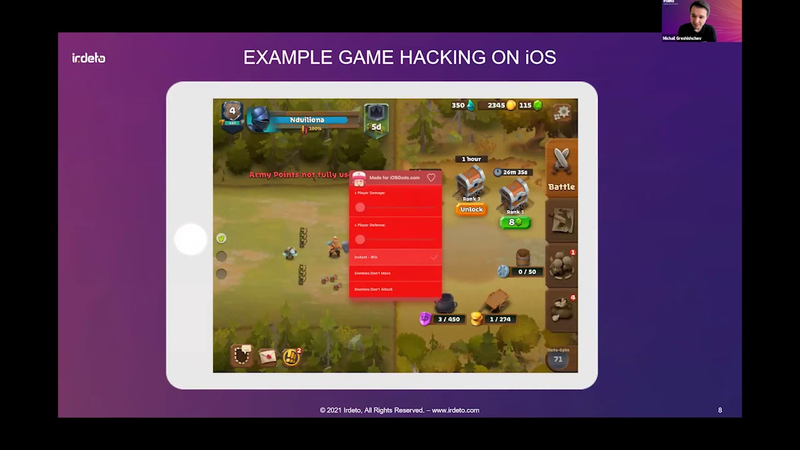
to be at the top in order to make things easier for uh for a given player at the expense of everybody else and uh how does that sort of manifest uh zaire from your experience of working at a mini clip what what is what sort of uh cheating do you experience well throughout the game industry like not even specifically for miniclip there's usually three things that go into cheating either you're hacking the server which is very rare right i mean it happens but it's very rare in many clips it's unheard of um colloquially people also when they say hacking they sometimes mean tampering with the client that means the device that's actually in your hand the thing you're playing with right and getting it to fool the server because it has been tampered with which is a lot easier to do and i think that's mainly what we're talking about here i'm going to guess and the third thing is just loophole exploitation uh you know like if there's something in the code of the game itself that usually doesn't happen when a game has been heavily qa tested and then put
in beta and then whatever but it can happen right like if there's some loop hold it um but it's not a glitch exactly it's just an exploit and that happens again not just mobile gaming it happens across the board uh in gaming everywhere always has less so now i feel like with the with more testing but that can also be a way of cheating right okay that's interesting and we'll come back to the the widespread nature of it um uh do you concur with that is that is that your experience as well yes absolutely uh dave to add further to it there there are more forms of cheating that are being widely used especially even talk about mmo or cheating can happen through selling accounts these days where players are getting advantage by selling them in real market and also we can observe with highly competitive games there's a lot of refunds with first parties also happening these days which also leads to uh kind of a cheating because you paid for uh a cert
you know a service and a product and then you gain advantage of it and then after some time you try to refund that uh entity back from the first parties right that makes sense so that's specifically what we're talking about here compared to maybe other forms of hacking and tampering it's about ways of of the player getting taken advantage in in one of the ways that we've spoken about so let's let's dive into the next question then coming back to the point that you made how widespread is this problem um zaia you said that perhaps it's less widespread now but even now do you think that people and i mean both developers and gamers realize the scale of the problem steve what do you think is the problem known about is it widespread um just to just to say one thing uh i didn't mean that cheating was not widespread it is what i meant was exploitation exploitation of loopholes is less widespread that's a very good good clarification thank you yes sir so steve do people do people realize the scale of the problem i i i think that the understanding is is varying uh depending on the on the game publishers but it is widespread uh and there's there's
often actually bad press associated with it as a consequence right uh as soon as as soon as people find a way to start cheating then it you know again is is it becomes less popular relatively quickly because because then people don't want to go and play in in that game anymore if uh if they're going to be losing all the time against people that are seeing through walls or you know finding ways to uh to go around any uh any measures that make things a lot more fair absolutely again i think we'll come to that in a moment the kind of economic impact on on your game but um pierce do you think that um that people the developers realize that how big a problem this is and realize that it's a problem they have to solve it really depends from game to game and the target audience that you're dealing with so so one has to be i would say fortunate or unfortunate enough to be part of a game which has an audience that is very dedicated and very competitive uh where they're going to try and use
every means to finally exploit so but it's a big problem i completely agree it's a big problem and but at the end of the day it depends upon the game you are dealing with right so that's and so that's an interesting thing i want to come on to there may be people watching this panel developers in the audience we've got um you know one and a half thousand people here and about 70 75 of them are developers who maybe are suddenly thinking oh i've never thought about this before this is maybe a bigger problem so xayah what's what is the economic impact of this how how does cheating uh impact on a developer's bottom line where are they going to see that causing a problem for them that to be fair i'm not really like it's not like i've seen the studies on this and you'd have to do like quite a lot of regression analysis because you don't know exactly what the impact is but it is widespread and in fact the more the chance of success your game has i think is talking about like the more dedicated people are the more money they're spending on it the more player the greater the player base it has like no less than apex legends pc launch i
mean we could see what happened there and more recently with warzone um if you don't have a plan to address it you are losing huge amounts of money because this is the business of creating fun right and when people lose once twice and then three times um to i mean nobody likes losing anyway but when you lose to something that is obviously like a hack which is obviously like someone stampered with their device and or they haven't been banned or whatever it is that puts people up very very fast and if people aren't playing your game they aren't paying for your game right like it affects everything all the things that are so important to developers which is things like retention things like player base things like you know paying players players who trust your game enough to spend money on it in a free-to-play model it absolutely craters all of those i think um i was going to bounce and not get because i we uh we did recently uh uh a survey
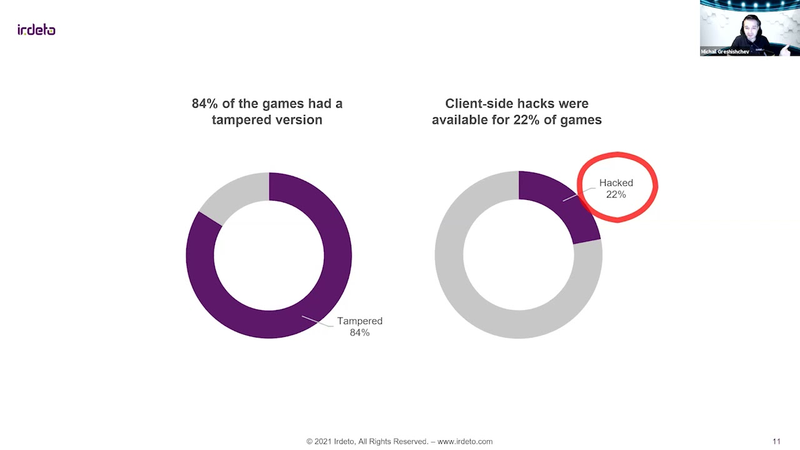
amongst amongst gamers i think it was in in the thousands or ten of thousands of uh of people that we serve it and what we found is that uh basically about you know was almost everybody 77 of people that were encountering cheating were immediately put off from the game right so there's an immediate knee-jerk reaction at that point but more importantly uh and that's that's really what what has been just said in in 50 of the cases people will be much less inclined to spend more money in the game at that point right because they're like well you know what what's the point if i'm going to be losing anyway right right exactly and it's very big right as a consequence i think the impact is tremendous if if people are going away not willing to spend money on the games yeah precisely if they if they don't want to well there's a trust issue as well isn't there why would people want to pay if they if they feel that it's it's you know there's no need to people aren't playing yeah so um let's let's look a little bit
into some of the the issues the practical issues um i'm going to come to you first with this uh push if i may um uh what do games companies and studios currently do internally to solve this problem so you mentioned about testing and so on what what solutions to what options do do companies have to deal with this so as as i said yes certainly there can be you know gaming companies do work on having specialized groups uh within the company that can focus on uh doing audits on the game and finding security loopholes at a very native level like tampering data or checking uh how a client can manipulate the data but at the end it comes down to being having to face this experience and having to have the right tool set and right monitoring in place because one of the biggest problems is to find out that something is going on behind the scenes because most of the cases by the time you find out it's already too late and one of the initiatives that we have
at ubisoft now and one of the products that we're working at uh called growtopia what we do with that is that we have a bug bounty program which is global it is open to public so we encourage players out there and even professionals to find exploits and for those exports they are paid in real money uh for the kind of exploit they find so so it's more of a community effort uh because the games are becoming big and big these days and everything is uh more of a platform a service so we we have to leverage efforts of the real players also who are interested in providing support to us that's interesting the the uh the bug bounty thing is interesting uh i'll come to xainex and then steve i'll come to you because of course your primary business in this is in the solution of this problem so i'll but so i'll come to zoe next and talk about what what what what do gaming developers have to think about so yeah what solutions do you come up with um do you guys do is it all about testing uh part of it is about testing part of
it is about uh there's ways to check if the client if the client has been by client again i mean device has been tampered with in some way or rather the program running on the device has been tampered with in some way which you know there's one thing peter said is uh completely right it requires a lot of reporting and constant monitoring right because speed is very very important here it's not really about like will you catch a cheater eventually sure anyone will catch a cheater eventually but you need someone who's going to catch them fast enough before like too much damage is done this other thing i mean like a lot of if your game lives for the most part on the server side like it's easier to build up from that um you know and then kind of at the end which are the last nuclear option and that's kind of like where you've sort of failed but now you have to do something which is just like uh these bank waves which are less meaningful for free games always right i mean it depends on like what somebody loses they can just make
another account and start doing the same thing again uh it is less meaningful and that's something we've seen a lot of pc developers struggle with as well including some of the biggest names in the business right they struggle with with just having to outright ban people and what that means for the process well that it's just that i mean yes but the fact is that they have to have a huge number of bands for anything to stick right because they're a counselor like apex legends was free to play right so you could ban someone but what's stopping like all they need is an email account yeah gotcha so actually on that note then steve perhaps this is a good time to come to you so de nuvo biodetto is a is a solution um you know an anti-cheating anti-tampering solution can you tell us what at what point what your solution is and at what point you get involved sure well so so indeed i think we have a we have kind of two or three elements uh uh uh that that answers the the need in practice so anti-temporary is there to ensure that the game is uh on on parity but also not not modified so anti-tempering uh which
is a first step because that that makes it a lot harder to actually publish a version that is patched and potentially does things that that it shouldn't be doing but also uh coming with it is the second element is anti-cheat technology which which does uh apply technology to understand the game and make sure that there is no no behavior that's unexpected out of out of the players um and a lot of the logic actually comes from from also doing ai on the back end to really understand and spot things that shouldn't be happening um and then the third element is is a is kind of what was covered already which is um kind of leaving the market and understanding what's going on in uh in the gaming community and seeing if there's news of of mods and patches and things that are available and actually testing them validating them understanding how how it's done so that new measures can be deployed if and when that's uh that's needed because a lot of it is uh is a it's a wacka mall game right you're
right it's an eternal fight between security and people that are trying to to hack or cheat right right right like an arms race yeah so uh uh so are the solutions different from mobile and pc then we've discussed a number of of games there of cpu schmitz and growtopia and then zarya mentioned uh big uh pc gaming experiences like apex legends but steve when it comes to solving this problem it does mobile present a unique challenge it is it is different just because there's uh there's completely different architectures but uh when you think of it and for example in the pc world it's so advanced that these days you you need solutions that run uh in in in in driver mode internal space etc because that's that's where the fight has been moved towards right where where the the cheaters have moved into that that space we had to to follow and fight in there right so the warzone has moved outside of the user space um i think for for the the the the ios and android again i think i think it's maybe not as advanced yet although i do expect that uh the arms
race is gonna lead us to some um advanced technological battles as well in that field right right i mean i guess the the the the the solution is to make the problem intractable rather than impossible like you said if someone wants to crack it someone will always pop up with the solution you're just making it as hard as possible for them to that's exactly right in general um and that's that's across all the segments that i'm involved to uh from from healthcare to cars to things like that but you realize it's all about actually getting the problem to go to somebody else it's making sure the pirates are focused on something else then then and it's too hard to to go after any of the things that we secure right gotcha so um i just want to remind people watching we've got a few minutes left actually so if you have any questions for uh the panelists please drop them into the q a box and i'll find them this is a great opportunity to pick people's brains about what's happening in in this space but i've got i've got a few more questions i could go for the right up until five o'clock so uh so do interrupt me folks if you have questions so let's talk about um the impact of
these solutions that we're we're trying here obviously uh we've spoken a little bit about um the impact of cheating on on you as a developer but the solution does that have an impact on the gamer um do the things that we're talking about affect performance or battery life um what have people observed steve i'm going to come to you because your solution you this is your solution is what you make how do you balance the needs to take this problem on while delivering the best experience to the gamer yeah it's i guess it's part of the magic that we provide today um realizing as well that the nouveau is uh is a team that's been added for for i think 14 14 years now so so today i think the the impact on on performance uh or uh or battery life for things that is is basically impossible impossible um and and it's worth noting actually and that's that's maybe the the most interesting part i guess for the developers in general is that it's also uh um super super easy for developers to apply because it's a post post build step so it's once the game is
actually prepared like in an apk for example for android then basically that apk is submitted to the novo which applies to technology and the magic and then gives the apk back so so there is no need to understand uh the technology in practice it's all actually done automatically gotcha uh so i mean peterson's a what's your experience of that the the solutions that developers have to to tackle problems of cheating does it impact on the game or obviously the ideal solution is that the gamers don't notice anything but the cam can a solution would be imperceptible what do you think pierce yeah would they give it steve here it's it's more of a trade-off that any game developer has to pick between you know experience and tolerance because we also strongly believe i mean security is a relative term until it's broken so you just go to the next layer after that and keep going on so it's like onion you're peeling it off uh so it definitely needs it has a trade-off and it is what one has to do
to protect the game got you as uh did you have a comment on that or yeah i mean i think um what she's saying right i don't think like there's any noticeable like if something is multiplayer anyway i don't think there's any noticeable like battery drainage or anything like that from these solutions what you do see happening is if for example you have a game that should be playable offline and it's not playable offline because uh because of these measures that's obviously an inconvenience to the player you saw that with like pc games as well back in the day and to an extent even now like things which clearly could have been playable offline which weren't um which inconvenienced paying players right like people who had bought the game at that point so it's more inconveniences like that that and i guess the possibility of uh false positive identifications right if you're sending out a strike or a ban against someone who had suspicious behavior but it turns out
they weren't actually cheating i think again depending on how good your analytics are that's pretty rare but obviously that's uh that's horrible yeah absolutely someone practices for hours to be the best shot they can and then they get accused of running an aimbot that's uh that's heartbreaking right now um but so actually you made a really interesting point there about um games that go offline are there particular areas of our business that are susceptible to this is there a genre of play or a you know or is there a geo that's particularly susceptible or is there a type of gaming obviously i'm guessing that multiplayer games are where cheating comes in but can we identify areas that are particularly at risk for it for this um what do you think steve are there sectors that need to be particularly wary uh i i in practice it's it's on every kind of game where there is a competitive environment i i think it traditionally the first the the first one that comes so always uh to mine is is the shooting games where people can see through walls and have a way to auto aim and things like that but in practice if you know if you're playing a soccer
game to driving a car you will want to find an advantage in a shape or form and a in in fascinatingly enough i think you you'll even find cheating happening on on what what might constitute um possibly you know boring game is probably the wrong term but basically you know simpler games like uh uh you know the games that that might be uh that might be only on mobile and that might be just you know playing with words and things like that you know not not mentioning any names but but any game where there's a leaderboard there is there is an intel there is you're not actually doing direct online competitions as soon as as soon as you have competition through a leaderboard you will have people that will try and find a way to get at the top so even though the gains for the cheater are really just kudos at best uh the the damage to you is can can be great because it devalues the belief in in the game itself and
puts off other players yeah yeah i see like when you you see even these these leaderboards when suddenly there's somebody at the top that has like five billion points and you you do you know every every every game earns you five points like something is wrong here so uh uh i guess we've touched on this before but just to kind of come back to it um yeah i think pierce and zaire as game makers you mentioned this is something that you have to come back to time and again but how soon in the development process should game makers be thinking about this are there developers in the audience right now who haven't even started on a game yet where your advice to them is be thinking about this as you build your game or is it something that you can retroactively fit can you make a game and then go ah right we've got a cheating problem now we can solve this problem what do you think um ps is it uh at what stage should someone in the audience start worrying about this i mean i ideally it should be at the very start of the project because it depends on what kind of uh you know like the communication or the technology you pick
uh that majorly defines on the kind of exploit that can be taken care of by by the technology or what kind of exploit it even does allow so the most idealistic scenario would be to start thinking about at the start of the development because then you can practice and develop your game and with the confidence in mind but at the end it's never too late once you find it out and try and uh work towards it and once you have enough experience of handling issues like that then perhaps next time you're not gonna do the same mistake you're going to start from when you start the project next time right right and so does that time with you as well more or less so technologically i agree with birch i would say economically you want to do it well before soft launch right because if cheaters ruin like if you just happen to have checked all the box and you've gotten the developer's dream a lot of people are playing your game especially if it's a pvp game right um a lot of people are playing it they're having fun they're being retained and then like suddenly your player
numbers and your attention numbers go off of a cliff uh because there was cheaters and you're like oh i didn't think anyone would you know when you're making it like so while yes technically you can for a lot of these things you can go back and implement this at any time the economic damage will be done so i would say like if you are making a multi a game that is meant to be competitive that is meant to be multiplayer all of those things then you have to understand that every technology uh is a vector for exploitation so you've got to be at least thinking about it's like okay so this is what we're going to do and how are we going to protect this and this one so like it can be a secondary part of your game design obviously but you can forget when you're when you're building not game design i guess technically um the project uh plan right it's got to be attached yeah absolutely that makes sense because even when a game is in soft launch during that phase if it gets a reputation as being rife with with cheating and not a fair game then that's hard to recover from um later on i'm i've got more questions
we're almost out of time but actually someone's dropped a question in here so i'm going to bring this question from the from the floor uh an anonymous attendee says great panel great topic thank you uh how much time and resources does it take for a typical pc game to put in robust measures uh to be ready for launch how soon before launch of the process begin i think we answered this a little bit just then but how in terms of kind of time and resources someone planning for this what sort of typical uh resources should they allow for this uh and how much time what do you think steve uh i i'd say i'd say i'd say a couple of weeks at the very least to apply uh technologies like genova there was antig technology um um but obviously if it's better if you started thinking about it earlier in your design rather than towards the end of it because you're uh you know you you're uh you're a little bit challenged and and you might find out that some things need to change at that point versus if you're actually factoring from day one gotcha well that's great thank you we're at
five o'clock um i uh i don't know whether peggy's going to come back in and introduce our next speaker uh i have more questions but but i'm conscious that there'll be someone else probably who wants to uh to join the uh to join the the talk so i'll i i say i say go for it dave one more question yeah oh oh i'll tell you what in that case just as i was about to uh uh ask my last question let's do this one last question from the audience then uh we have a question and a question here from uh jugg saying does it make any difference in reducing cheating incentive to use unorthodox leaderboards like histograms or or something like that what do we think um is something unorthodox uh i don't think so well no because here's the thing it's so unworth enough so nobody can tell who's on top then they're not going to value the leaderboard if they do value the leaderboard we're back at square one right which is like oh this is making happy chemicals go off in my brain how do i get it for nothing right right right gotcha um uh well look i'll tell you what um unless anyone else wants to chip on that let's let's uh wrap up there i want to say
look a big thanks to uh to be escalated hussein and steve huit thank you very much guys for being with us and i'll tell you what if people have questions about this and i think they probably will once they've seen this um can they find you on meet to match discord that kind of thing are there ways to get in touch with you here at the conference great thank you perfect well look everyone watching this if you have questions about this topic do uh grab these folks on um on one of the platforms that we're in here meet to match runs up all week and also connections on made on that can stick around for a little bit of time afterwards and if you've just joined in late and missed the start of this we're recording everything so you can watch this tomorrow when we uh we make this available on the platform so look thank you very much guys really appreciate you you join us round of applause you'll have to imagine that coming from all the people in the in the audience hopefully sometime i'll see you soon in in person that we're doing a live event in london in july so hopefully see you guys there cheers
you
Summary
The panel discussion explores the pervasive challenge of cheating in the mobile and PC gaming industries, focusing on its economic impact and the technical strategies required to mitigate it. The participants define cheating as any method used to gain an unfair advantage, categorizing it into three primary forms: server-side hacking, client-side tampering, and the exploitation of game design loopholes. While server-side hacking is relatively rare, client-side tampering and exploit abuse remain significant threats that can severely damage a game’s reputation and long-term viability.
The industry experts emphasize that cheating is a widespread issue that directly correlates with a game’s success; as a title gains popularity and a competitive player base, it becomes a more attractive target for bad actors. The economic consequences are severe, as cheating erodes player trust, negatively impacts retention, and discourages in-game spending. Data suggests that a large majority of players are immediately deterred from a game upon encountering cheaters, creating a critical need for developers to prioritize security.
To combat these threats, studios employ a combination of internal monitoring, bug bounty programs, and third-party anti-cheat technologies. The consensus among the panelists is that security should be integrated into the development process from the earliest stages rather than treated as an afterthought. While implementing robust anti-tampering and anti-cheat measures requires a dedicated investment of time and resources, it is essential for maintaining a fair competitive environment. The panelists conclude that the fight against cheating is an ongoing "arms race," where developers must continuously adapt their security measures to stay ahead of evolving exploitation techniques, ensuring that the game remains a fair and enjoyable experience for the legitimate player base.


















Comments