
Sony Group’s FY2019 filing presents a comprehensive view of its diversified operations, financial performance, and strategic initiatives amid the COVID‑19 pandemic. The company operates through four core segments—Game & Network Services, Electronics Products & Solutions, Imaging & Sensing Solutions, and Financial Services—each contributing distinct revenue streams from hardware, content, sensors, and insurance‑banking products. FY2019 sales fell 4.7 % to ¥8,665.7 bn, with operating income declining 5.4 % to ¥894.2 bn; the decline was driven mainly by weaker electronics and gaming hardware, partially offset by a 12.5 % sales rise in Imaging & Sensing Solutions. Net income contracted 36 % to ¥916.3 bn, and the effective tax rate rose to 22.2 % due to deferred‑tax asset reversals.
Operational risks are highlighted across the supply chain, regulatory environment, and natural disasters, with particular emphasis on COVID‑19 impacts on production, advertising revenue, and talent costs. Sony’s risk management framework includes significant capital expenditures—¥513 bn in FY20—to expand sensor capacity, and restructuring efforts that generated ¥22.38 bn in charges across music, pictures, and electronics units. The company maintains a robust liquidity position with ¥1.512 trn in cash and €4.5 bn of unused credit lines, while R&D spending reached ¥499 bn (7.2 % of revenue excluding Financial Services).
Strategically, Sony is consolidating its group structure, launching the PS5 and cloud services to strengthen gaming, expanding music through EMI consolidation, and pursuing sustainability under “Green Management 2020.” Governance remains aligned with Japanese law, featuring independent audit and compensation committees, performance‑linked executive remuneration, and a board of 12 directors with nine outside members. Shareholder rights are governed by unit‑share voting, and the company’s share‑repurchase program totaled 33 million shares in FY2019. Overall, the filing underscores Sony’s focus on innovation, risk mitigation, and capital discipline as it navigates a complex global market.
Sony Group · 2026
Sony Group · 2025

Sony Group · 2024

Sony Group · 2024
Sony Group · 2023

Sony Group · 2022
Sony Group · 2021

Sony Group · 2019
Sony Group · 2018
Sony Group · 2017
Sony Group · 2016
Sony Group · 2015
Capcom · 2026
Capcom Co. · 2026
Capcom · 2026
Sony Group Corporation · 2026
Square Enix · 2026
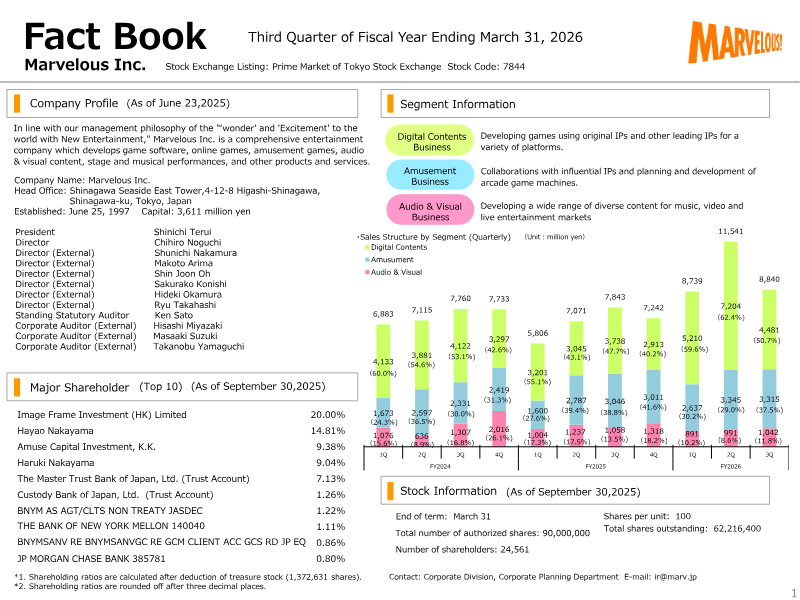
Marvelous · 2026
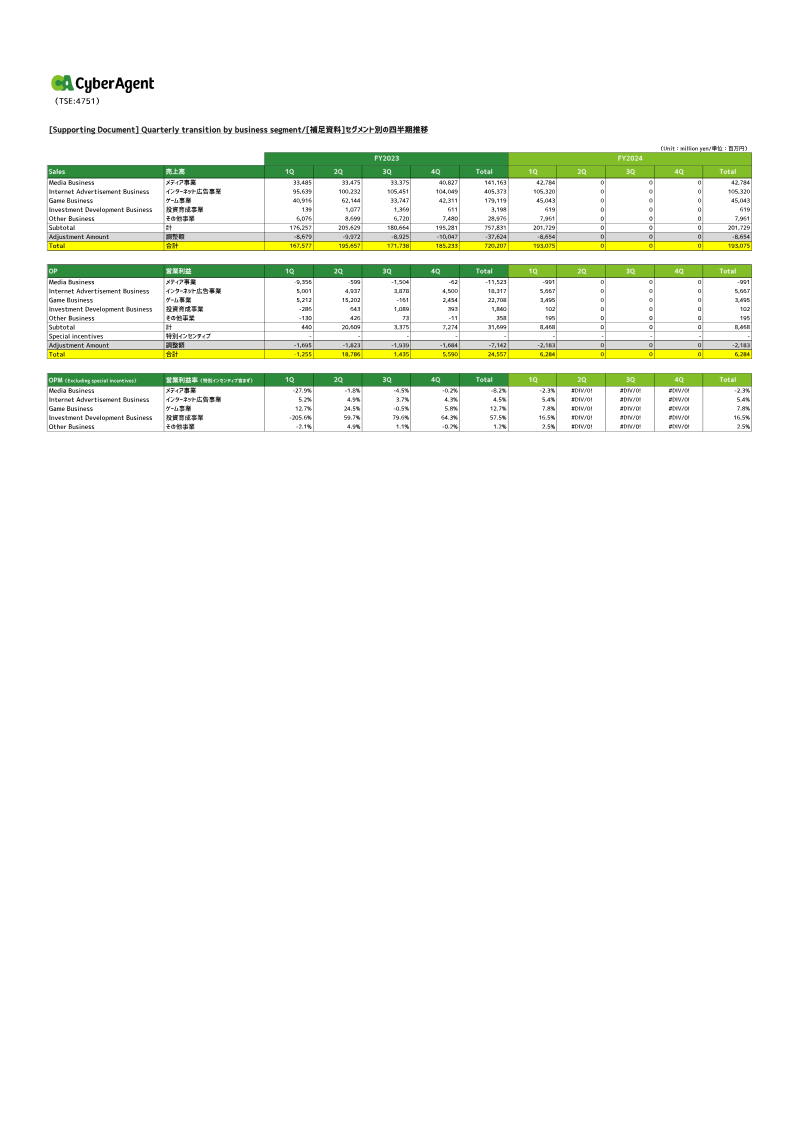
CyberAgent · 2026
Square Enix · 2026
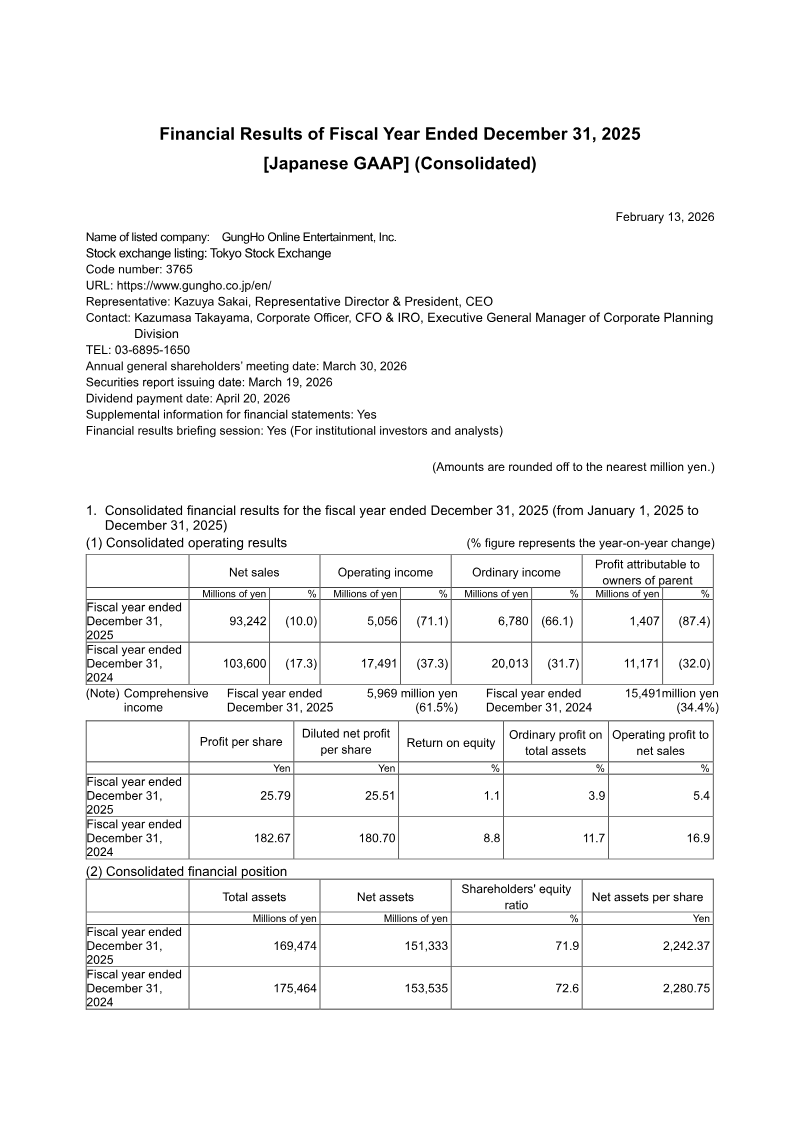
GungHo Online Entertainment · 2026
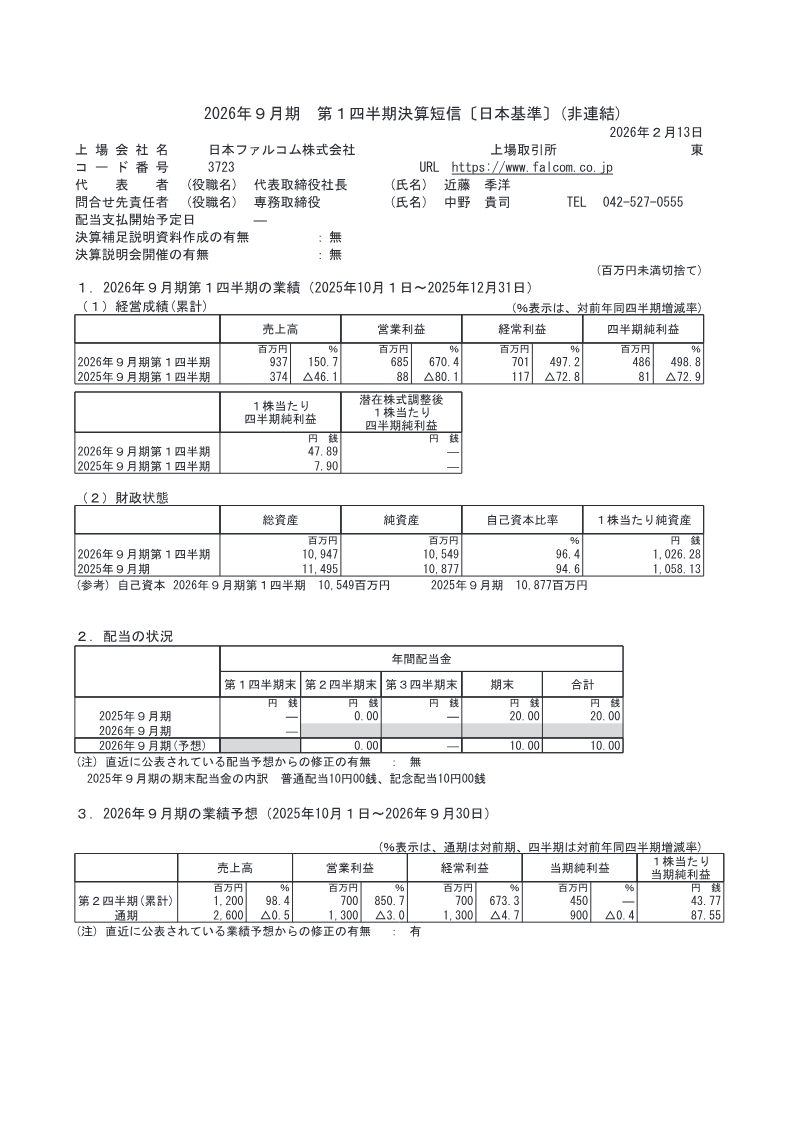
Nihon Falcom Corporation · 2026
Sega Sammy Holdings · 2026
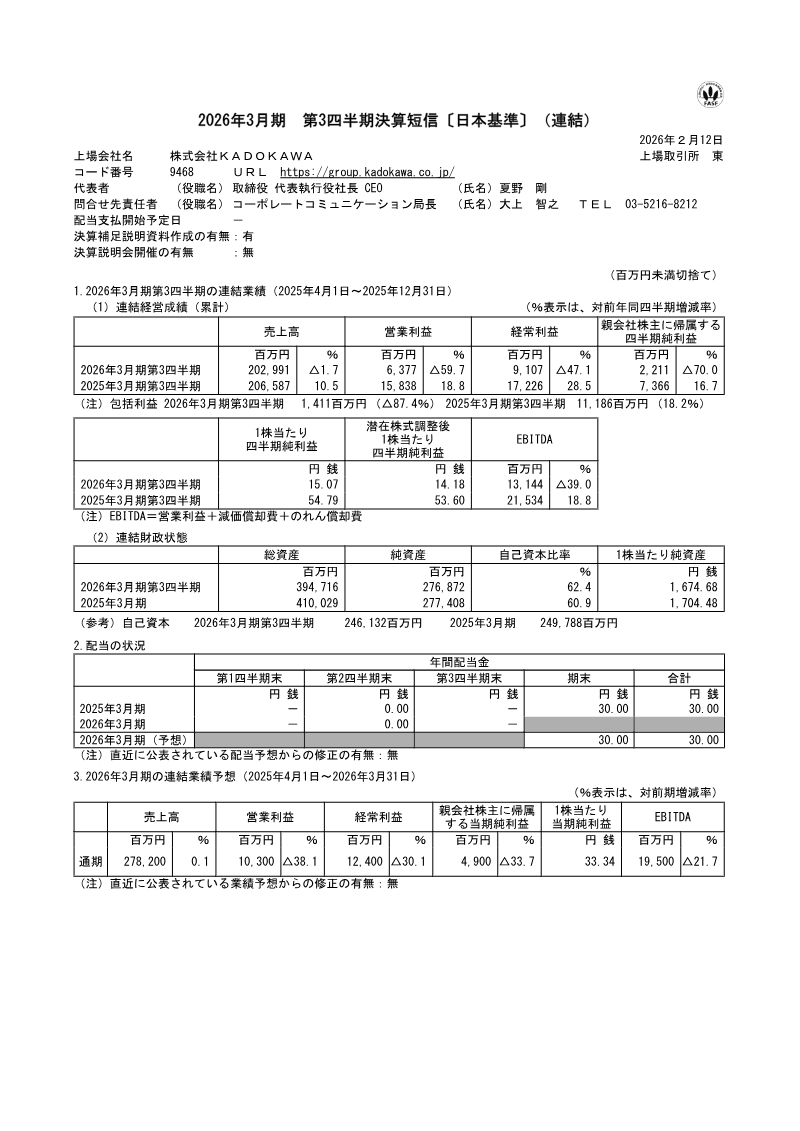
Kadokawa Corporation · 2026