FinancialSony Group
Sony Group Annual Report (Form 20‑F): Fiscal Year Ended March 31, 2015
23 Jun 20152 pages~688 min full read
Sony’s fiscal year ended March 31 2015 was marked by a challenging operating environment, intense competition across consumer electronics and entertainment, and significant restructuring costs. Sales rose 5.8 % to ¥8.22 trillion, driven largely by the PlayStation 4 and image‑sensor segments, while operating income rebounded to ¥68.5 billion from a loss the previous year. Nevertheless, net income attributable to shareholders swung to a ¥125 billion loss, largely due to operating deficits in Japan and the United States, foreign‑exchange losses, and a ¥176 billion goodwill impairment in Mobile Communications.
The company’s risk profile is heavily influenced by currency volatility, supply‑chain disruptions, and rapid shifts in consumer demand that eroded legacy product sales. Restructuring initiatives have escalated charges—¥98 billion in FY2015—and the firm warns that failure to execute these plans or adverse market conditions could materially harm results. Operational risks include component shortages, inventory mismanagement, and cyber‑attacks that have triggered write‑downs of ¥17.4 billion in FY2014 and ¥11.2 billion in FY2015. Legal and regulatory exposures encompass antitrust investigations, product‑warranty liabilities, and significant guarantees totaling ¥44.6 billion.
Financially, Sony maintained strong liquidity with cash and equivalents of ¥949 billion and a combined credit line of ¥776.6 billion, supported by robust cash‑management practices and a $475 million line of credit. Long‑term debt stood at ¥886 billion, while pension obligations reflected a net unfunded liability of ¥181 billion in Japan and ¥95 billion overseas. The company’s governance structure, comprising independent outside directors and dedicated committees, aligns with NYSE standards, ensuring oversight of audit, compensation, and nomination processes. Overall, Sony’s 2015 performance illustrates a company navigating competitive pressures through strategic divestitures, investment in high‑growth segments, and disciplined cost control while managing a complex risk landscape across global markets.
Sony Group · 2026
Sony Group · 2025

Sony Group · 2024

Sony Group · 2024
Sony Group · 2023
Sony Group · 2022
Sony Group · 2021
Sony Group · 2020
Sony Group · 2019
Sony Group · 2018
Sony Group · 2017
Sony Group · 2016

Ubisoft · 2026
Capcom · 2026
Capcom Co. · 2026
Pearl Abyss · 2026
Capcom · 2026
Sony Group Corporation · 2026
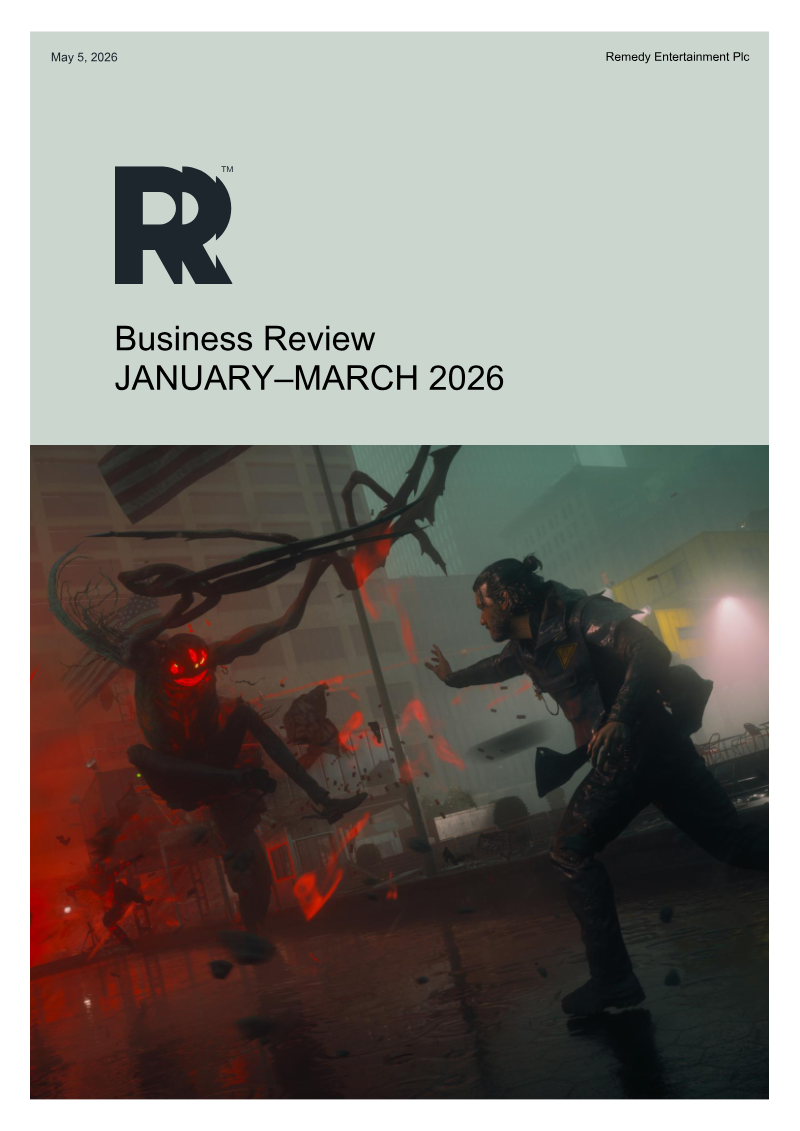
Remedy Entertainment · 2026
Giant Network Group · 2026

Archosaur Games · 2026

Enthusiast Gaming Holdings · 2026
Drake Star Partners · 2026
Aream & Co · 2026