1 free read left. Create a free account for unlimited reading + AI research.
Create free accountWhitepaper DiGRA
1 free read left. Create a free account for unlimited reading + AI research.
Create free accountWhitepaperDiGRA
The paper traces early comedic adult games such as Leisure Suit Larry and Golgo 13 through to community-made nude patches and celebrity-based adult skins.
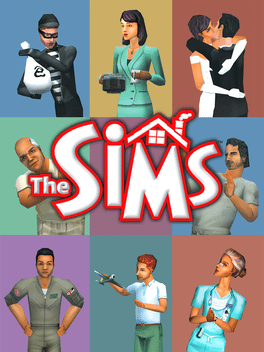
Schott's study of sexual content in games, presented at DiGRA 2005, examines how interactivity and game aesthetics are expanding pornographic territory and reshaping how desire is constituted. Its scope runs from early adult titles such as Leisure Suit Larry and Golgo 13, which handled sex through comedic insinuation, to contemporary phenomena including community-made nude patches for The Sims and celebrity-based adult skins. The analysis is distinctive in tracing how these subcultures moved from the margins into mainstream titles, with the nude-patching community producing its own cybercelebrities. Market detail is sparse but telling: Leisure Suit Larry sold roughly 4,000 copies in its first month before word of mouth carried it into the top ten.
A central argument concerns the relationship between virtual characters, celebrity culture, and pornography. Sexualized imagery such as the topless Karen Walker cut-scene in Siberia and fan-made Lara Croft nude content blurs the boundary between game characters and real figures. Interactive adult products, including Somavision's "Photo Studio" and Lara Croft image galleries, borrow game aesthetics and mechanics, a shift the author links to dehumanizing content in the sense defined by Dworkin and MacKinnon. Drawing on Baudrillard, Gaines, and Lacan, the paper contends that these digital forms generate a "hyperreal" blend of looking and touching that intensifies voyeuristic desire.
Across its survey of examples, the work contrasts adult-oriented interactive sites such as Somavision and 3d-adult-games.com with titles like Playskins, which foregrounds flirtation and touch-based communication, and Great Oyaji, which centers acrobatic moves and performance. The author finds that most of these treatments rely on clichéd and dated conventions. The overall conclusion is that the digital modalities of pornography remain underexplored relative to film, video, and photography. The paper closes by posing open questions about how virtual bodies and interactivity might reshape the pornographic experience itself.
Each row is a game or company this document names, each column a document, oldest first. A mark means that document names it. Select a row to see those documents.
DiGRA · 2018
DiGRA · 2018
DiGRA · 2018
DiGRA · 2018
DiGRA · 2018
DiGRA · 2018
DiGRA · 2018
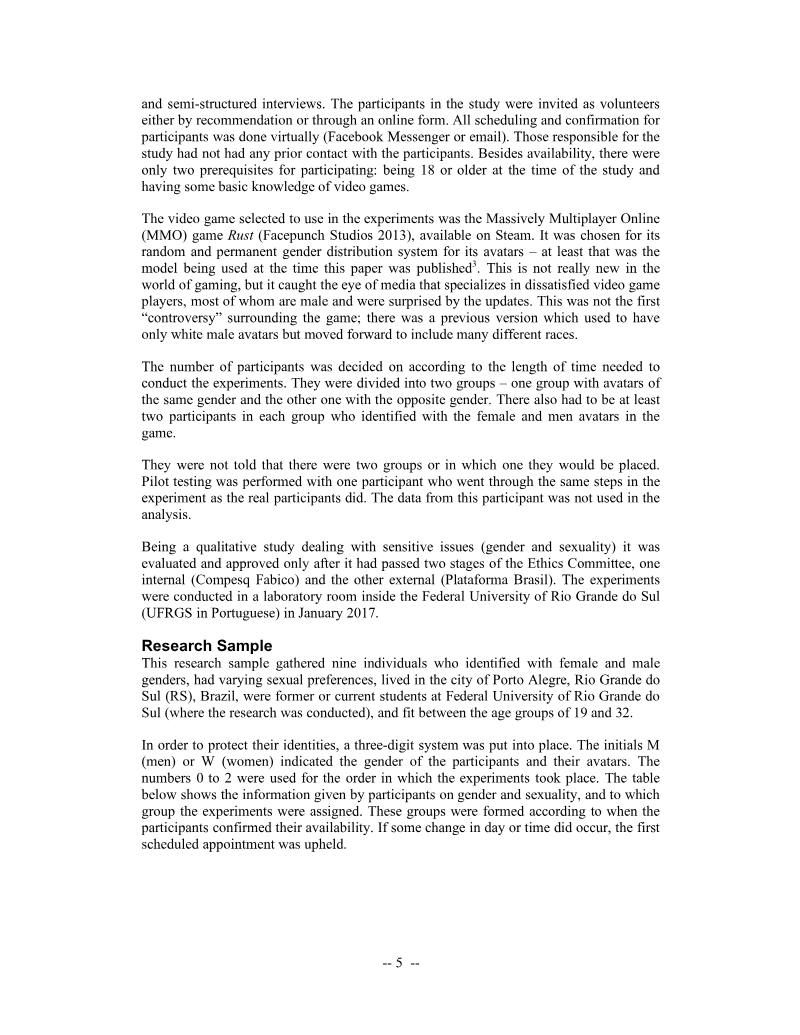
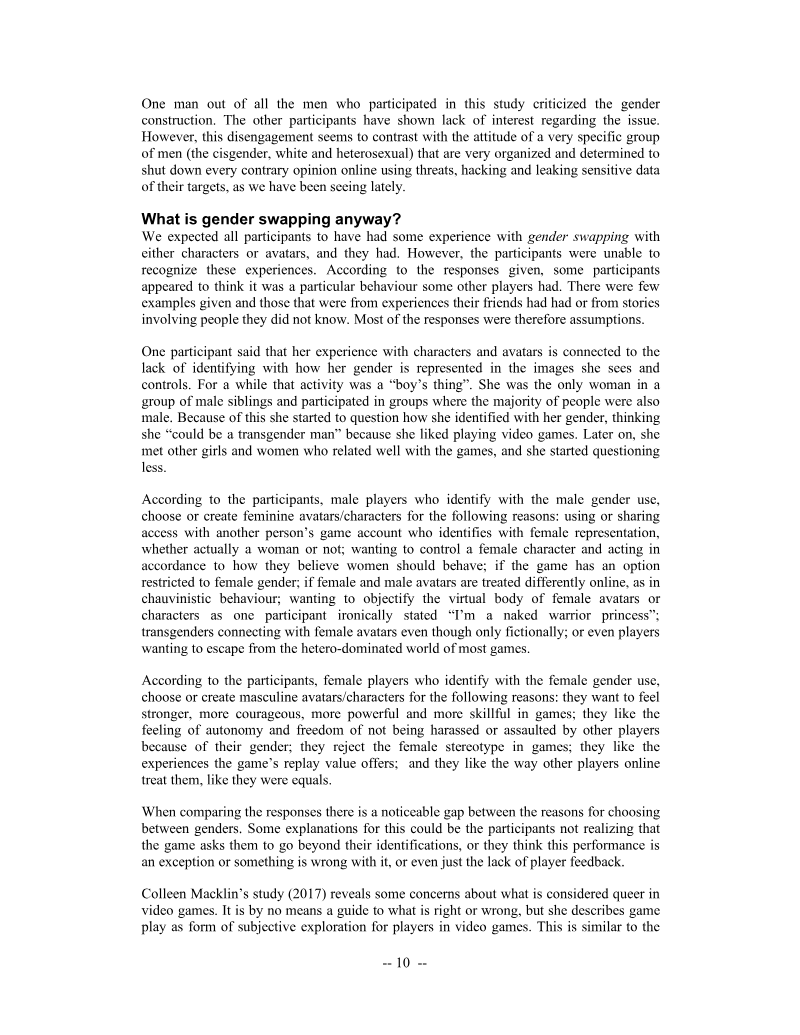
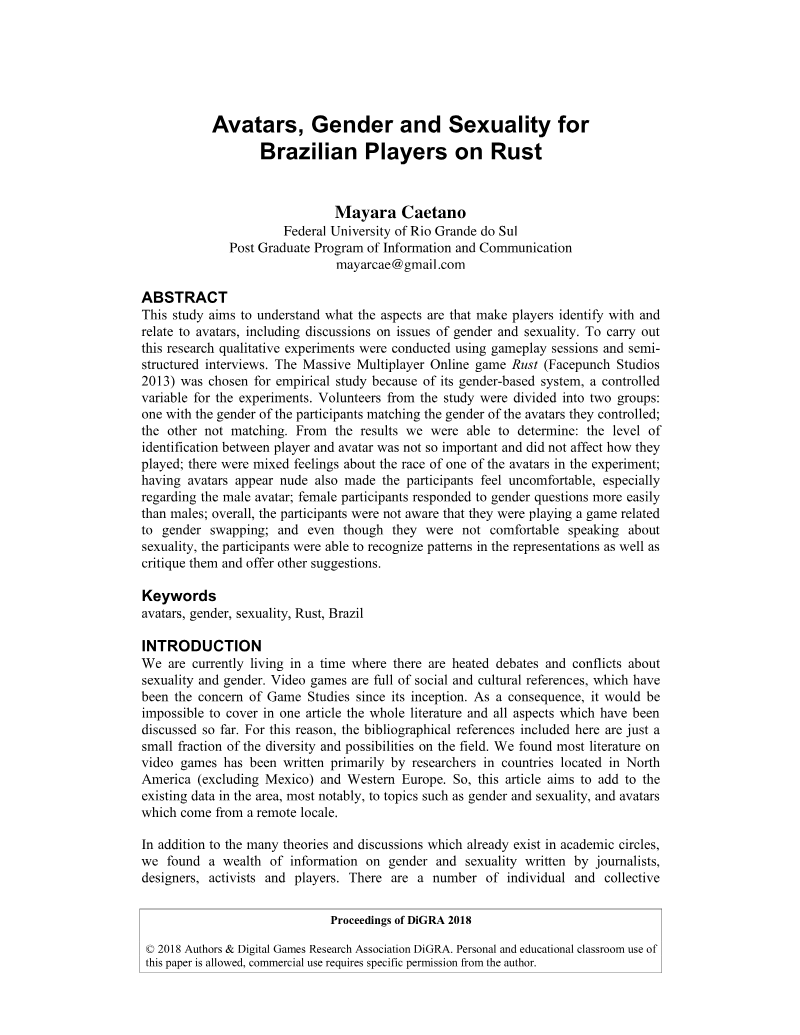
DiGRA · 2018
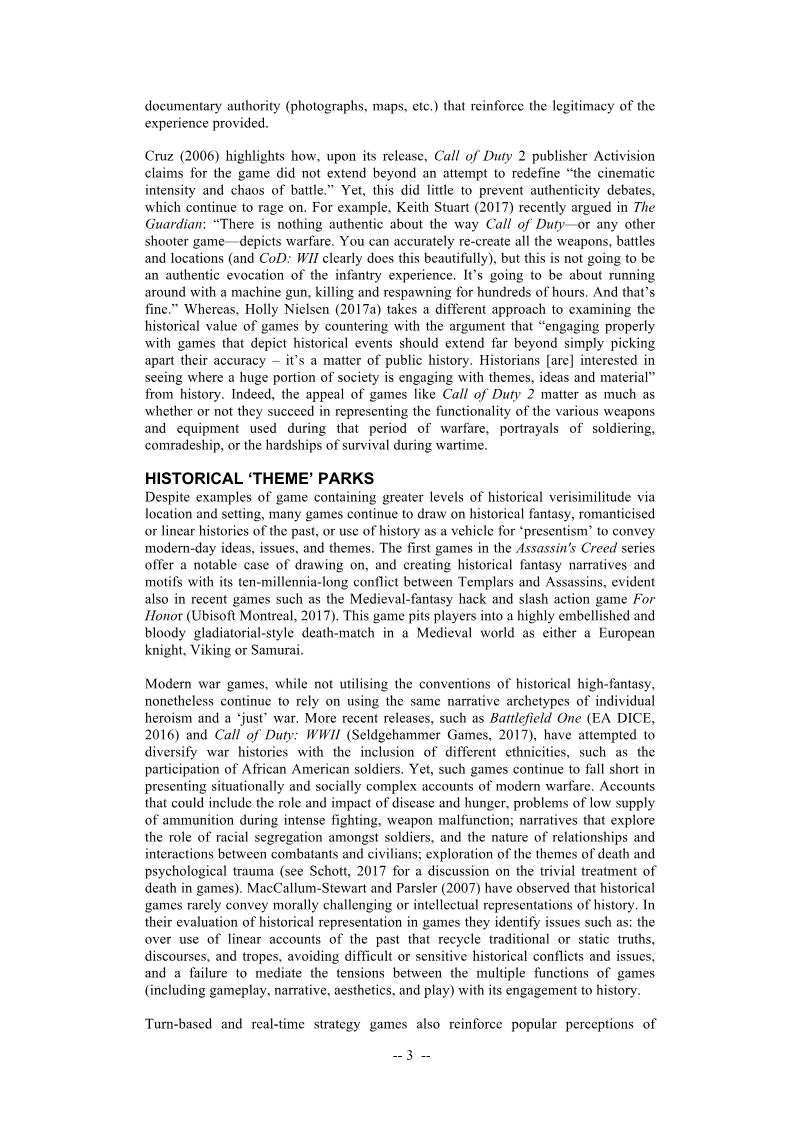
DiGRA · 2018
DiGRA · 2018
DiGRA · 2018
DiGRA · 2018