VideoPocketGamer.biz
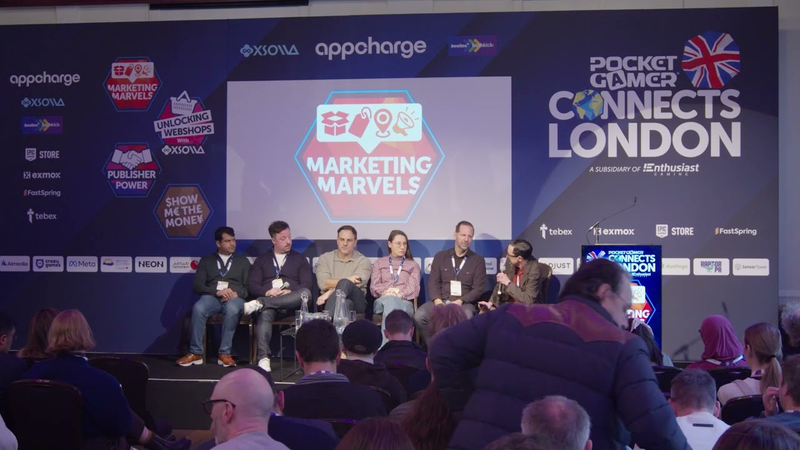
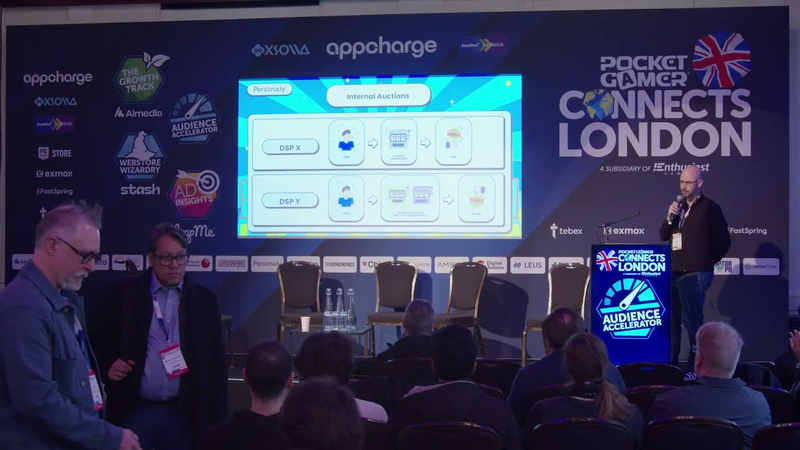
Session: Mastering Game Marketing in the era of Data Privacy - Jesse Lempiäinen, Geeklab.
18 Oct 202419 min video
Transcript
[Music] we're going to cover a topic I'm very interested in uh as I think I mentioned yesterday I um I I gave some support for the information Commission office in the UK around I think called the age appropriate design code which is all about privacy and how we handle particularly um underage people's data so I'm very interested in how we do the next topic the next topic is all about marketing uh well mastering game Marketing in the era of data privacy we've got Jesse from Geek clab who's going to come up talk about that Jesse over to you back to 2016
the good old times makes me feel old to say that but still the good old times everything that we did in this industry was fundamentally built uh in marketing around device identifiers what that allows us to do essentially was that uh we knew the entire user Journey from the very first touch Point into the very very last inner purchase they made so essentially as an example here from the very first St we could know that the same user came to our game made a small enough purchase after probably a month or so you could have churned but then went to another game of ours and then made a big purchase there which allowed us to follow this entire Journey Through the device identifiers and understand the actual roas of our campaign even though like purchas itself happened on a on a completely different different game fast forward around 5 years um Apple decided a to pull a a little trick on us and they removed this this particular identity that we used idfa
through their app tracking transparency framework and what that led us into was this complete darkness essentially uh as we know as we did not know no longer uh the entire years of Journey we weren't able to understand as an example this in this exact same example like if the user ended up making a purchase on another game and actually calculate the RWS of our campaigns fast forward another five years or so after a decade from the the good old times uh I could argue that the situation is even worse in a sense uh we're now faced in a situation where a lot of these networks have solved these issues for themselves uh we have multiple different ways of of of trying to identify these users and trying to make sense of all this mess essentially uh we still have Google's uh Advertiser ID and we're trying to model things on top of the Google data and see if the same things work on iOS news flash it it
usually doesn't and and in its sense we're we're just in a very very difficult place in terms of being able to make marketing on on iOS effectively um and that being said privacy sandbox is also on its way so even like modeling things solely on the Google Advertiser ID and applying things on iOS uh will also be something that we can't do in the near future um my name is yes lanan I did my time like probably most of the people in this conference at Robo uh 5 years at product marketing primarily launching new games uh after which we co-founded the company called gig laab uh that we've been we've been now running for five years as well and for the past two years we've been cooking up something quite cool where the entire thing that we've been doing is to fix this like issue that I just mentioned uh and today I'm going to share how we actually did it and and and also just to prove that it's not only words on paper show some
real data and real case examples with real game companies cool so at the very beginning what we actually to did we took a step back to truly like analyze and understand like how this entire industry is actually working and where are the decisions made when we do marketing because we did notice that there's a bit of a mismatch essentially the entire Foundation like I just shared was build on these user identifiers uh sorry device identifiers which meant that all the decisions were made on user level however the decisions that we're making uh are actually made uh on the creative Insight so in a greaty level so clear mismatch all the data that we're getting all the data that we're trying to collect on a user level however we're not using that to make the decisions themselves all right so that was clear to us like there's a mismatch we can actually probably build something around the creative themselves rather than the
user level data because this is this is actually where the decisions are made on top of that we wanted to take a look like is there any possibility for us to get back to using these user level uh data points essentially going to the near future uh there's way smarter people at this conference that know a lot more about these things but uh just to uh actually share sort of the the trajectory that we see is that back from 2012 until like uh the massive privacy scandal that that Facebook had with the elections to Apple removing the ATT sorry removing the Ida during the at to also now uh Google starting to roll out the the Privacy sandbox as well so we can see that there's a clear path on on on where things are going it means that first users themselves us essentially as well have become more understanding of of how our data is being used uh we we we are we voiced it out we actually if if if someone is misusing our data we we put
them into into responsibility for that second um this have led to a lot of regulations going forward um some of them good some of them bad some of them making things easier some of them a lot slower uh but essentially a lot of lot of these regulations are are are already happening and will happen more in the future as well which leads into advertising networks and platforms having to kind of cope into this making this entire space again more fragmented so we we can't really see a future where things would be Consolidated even more so with this we came to the conclusion that again user level Solutions are no longer viable the only kind of way forward would be to build a a future where everything lies in in in Creative level Solutions because in its core if you actually build something that's that's working between the game and the at networks on a creative level we could essentially do attribution and analytics
without using any of these user level Frameworks that that now has been given uh to kind of code for the loss of idfa so as an example scan with that we would completely eliminate the need to actually use those user level data points in this process we'd have something that would work here in between the at networks and the game it comes with one downside which is the fact that the more bottom of the final metrics that we're looking at and trying to to attribute and optimize of course the kind of user quality sorry the the quality of the data points themselves would get a bit worse uh so obviously if if if we have a creative and and you try to optimize towards all the users that uh are still playing after day 180 so there would be a lot of false positives but on the flip side that would still be a a certain data point that we would actually be able to to optimize toward wordss so yeah we can see that the future truly lies in Creative level Solutions uh so what we would actually
need would be a framework a a creative level framework and this is precisely what we've been now building for about two years uh and something that we call the audience lab and like I promised anyone I could have done this exact exact same speech two years ago when we kind of came up with these theories and everything uh but today uh actions speak louder than words uh so we're actually going to share one of our pilot uh like partner case study a company called talofa games and and what we did together with them and what the results actually were so tofa games itself uh is a company based in in San Francisco uh they're making a game that I feel a lot of people here uh could probably resonate with specifically given that I heard that a lot of people were running uh yesterday morning uh before the conference so this particular game combines the health and the fitness side
of things with something that we also everyone loves which is collecting new new monsters and and kind of this Pokemon type of a nostalgic feeling so with that they had a massive opportunity there's two kind of very very specific audiences that they could build this game for and Market this game for but the problem itself was that they had no idea of understanding which of these audiences worked and what would be the messages and the the entire marketing strategy that would actually make these these audiences uh convert to the game so what we did we we jumped in with our framework the technology that we have and and here's the results directly pulled out of App Store connect and meta to get the the the costs but yeah this is something that I bet like a lot of you uh that have done marketing might feel familiar with in the beginning it's quite difficult you're you're using these user level Frameworks that have these postback windows and and and attribution uh like U windows it's very hard to understand
what the actual sort of what's the outcome of your your decisions actually is which led to them being very very very sort of uh this entire daily new users chart being very very volatile and and as you can see really really hard to actually scale and and make make any understanding of we jumped in with our our tech and and basically day by day us been able to make decisions on a daily basis as well as attribute things on a creative level in real time what we were able to do was to take all the data that we had and make these decisions day by day and continuously like uh increase the daily new users to a level in which we were now able to to hit the records uh in two days in a row in relation to cost this is even better we went from extremely high to the lowest that they had leading up to taking the CPI down from 3.8 all the way down to
1.8 all right now a couple of you might think okay looks a bit good too good to be true uh you probably change the audience setup or the the GE locations so no the networks in both examples meta uh the goo in both examples United States um what about the use quality then again because of our creative level framework we were also able to identify how the users behaved Within the game itself in iOS which led to us being able to also optimize all of our campaigns towards their key metric which in this case as the game was in soft launch it was D1 retention and uh again this data is directly from the App Store connect we were able to maintain the exact same user user quality while essentially cutting the cost in half uh and and being able to scale up the game quite a bit so how do we do it again the the tech was in the core which allowed us
gave us the opportunity and all the tools to make this happen and it really came down to do two different different main things first this is something that uh well if you do steel marketing on Google you know that this is this is the hard to to to do in these creative creative tests and creative strategies but you really need to be able to make Swift decisions if you want to make make results like that uh a a a reality so in this case we had multiple different creative ideas and we had two different different audiences one for the fitness and outdoor and one for like kind of cames and Pokemon and and with the data that we had in our hand in real time we're able to adjust like the spend between these adsets and the different marketing like creatives in real time on a day-to-day basis on top of that we all know this as well so when you have a certain messaging that actually then kind of works for a specific audience so you want to iterate on that and that's also what we're then able to do because we had the real-time data So within like 10
days we were able to make multiple iterations on the ad which led to the growth that you saw earlier on top of that as we've moved away from the the user level Frameworks that we've had we've now able to utilize web- based attribution methods as well so what this leave leaves us uh we were able to communicate in real time with meta now in this case and whenever like a user installed a a specific uh well well came from a specific creative we were able to give post packs back to that creative and say like yeah spend a bit more money on this particular one so yeah what did talofa have to do in this case to to make this this a reality so first we have our SDK that you implement in your game I I quoted myself that I can install it in five minutes so if I can do it I bet everyone of you can as well so that's what they did in the in the beginning they integrated the SD into their game after that we essentially
generate different tracking links for each creative uh we have to change the campaign setup a bit to kind of fit into this this uh schema and the tracking links that we have in our hands and then it's it's the continuous optimization but with that we were able to bring the results that you guys just saw this is a reality this is something that we now now have available today uh again not any more Theory and and things on paper that I would be able to share here but actually things that we can we can we can deliver to any one of you uh very much today uh we have real-time dashboards on iOS uh you can see anything and everything that's happening on a creative level um we have our booth in in G2 right there please drop by we can show you the dashboard we can discuss how we can make this a this a possibility for you guys as well um we're very very eager to actually have a chat and share what we've been building for the last two years because yeah we truly think that
the future is privacy friendly uh a future where we can make again like great marketing and and make the decisions where on the level in which we need to make them on a creative level so we yeah we think the future is privacy friendly and we truly believe that the future itself is audience lab that we built thank you very much oh I like your bird at the end excellent uh so anyone got any questions any question I'm so for me I think this is really fascinating particularly because uh the thing I think you're nailing is the fact that we have to be content you know we have to be focusing on essentially brand skills which I would argue you know being the original advantages for Unity as we back in the day we we didn't do we were so focused on on Direct response we're so focused on the the use of data to convert somebody the actual building of a of a of a narrative of a of a a kind of engaging component in the ad was secondary I would argue is that fair or
or do you see this as an opportunity to essentially develop Brands further or do you see it as just another evolution of what we did already yeah 100% I mean like now when we've built the entire fundamentals alarms use level data and now then like those device identifiers were taken away so if you wanted to build a a a massive brand so well the next speaker knows a bit more about that but uh like uh you were forc to now like either spend massive amounts of money in scale to to understand the effect and still kind of show it in the dark to understand the actual impact of of your decisions into into how that affects your brand and how you can build up the brand with this now you can actually get that in real time and and and do that with smaller scale and start to build up the brand even even the very first day that you you you make your first ads completely get it uh last chance for a question if any wants oh we got one there I'll just grab the mic hi thank you for your speech uh just
one question like uh what's the volume of installs required to do that kind of analytics yeah that's the cool thing as well everything is in in real time and we're attributing everything on a creative level so essentially you can do this with with 10 people as much as you can do it with 10,000 great well thank you very much I can say um amazing stuff and I think the uh the changing of the idfa is she had a profound oh sorry yeah sorry oh we did you have one more question uh no no no I was I was just trying to catch up with time so okay awesome yeah because I I think I have two minutes left you do you do and I I thought that uh this is a this is a joke that we did in 24 hours and uh okay able to put this in the in the video as well so one could say now that we're finally out with this thing that we've been building for 2 years so one could say that we're taking the cat out of the bag so uh if if we can so I'd like to share a
video so yes the cat is out of the back thank you very much [Music] n [Music]
Auto-generated captions from YouTube — names and numbers may be misheard.
Key insights
Distilling the key insights…
Ask AI about this video
Cite this video
Citation
Generating citation…






















Comments