
Koelnmesse maintains a comprehensive framework for data protection and digital privacy, ensuring that all interactions across its websites and mobile applications align with General Data Protection Regulation standards. The primary objective of these policies is to balance the delivery of personalized event services, such as navigation and networking, with the fundamental right of users to maintain control over their personal information. By categorizing data processing into essential technical functions and optional analytical or marketing activities, the organization establishes a transparent environment for digital engagement.
Data collection encompasses technical access logs, user-provided registration details, and behavioral metrics, including location and interaction history. These inputs facilitate the optimization of event management and targeted communication, provided that explicit user consent is obtained. To manage these preferences, the platform integrates a centralized Privacy Preference Center, allowing users to granularly accept or reject cookies and tracking technologies. While registration remains a prerequisite for accessing advanced networking and ticketing features, users retain the right to revoke consent for profiling, push notifications, and data tracking at any time.
The scope of these practices extends to social media integration, where the company shares joint responsibility with platform operators. To mitigate privacy risks during these interactions, specialized tools like Shariff are employed to prevent unauthorized data transmission. Furthermore, the transfer of personal data to third parties or entities outside the European Economic Area is strictly governed by contractual and legal safeguards. Users are empowered with full rights under the GDPR, including the ability to access, rectify, or request the erasure of their data, ensuring that the company’s digital ecosystem remains both functional and compliant with evolving privacy mandates.

Koei Tecmo
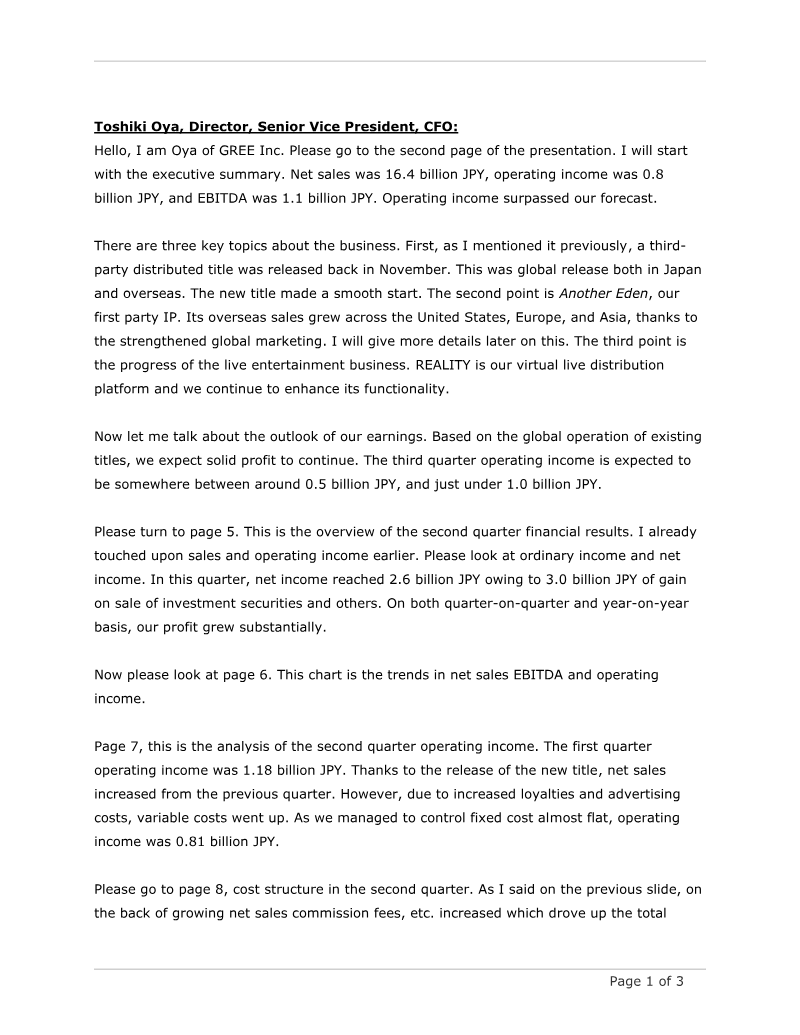
GREE

IGN Entertainment · 2026

GEEIQ · 2026

Almedia · 2026
Gamesight · 2026
InvestGame · 2026

SocialPeta · 2026
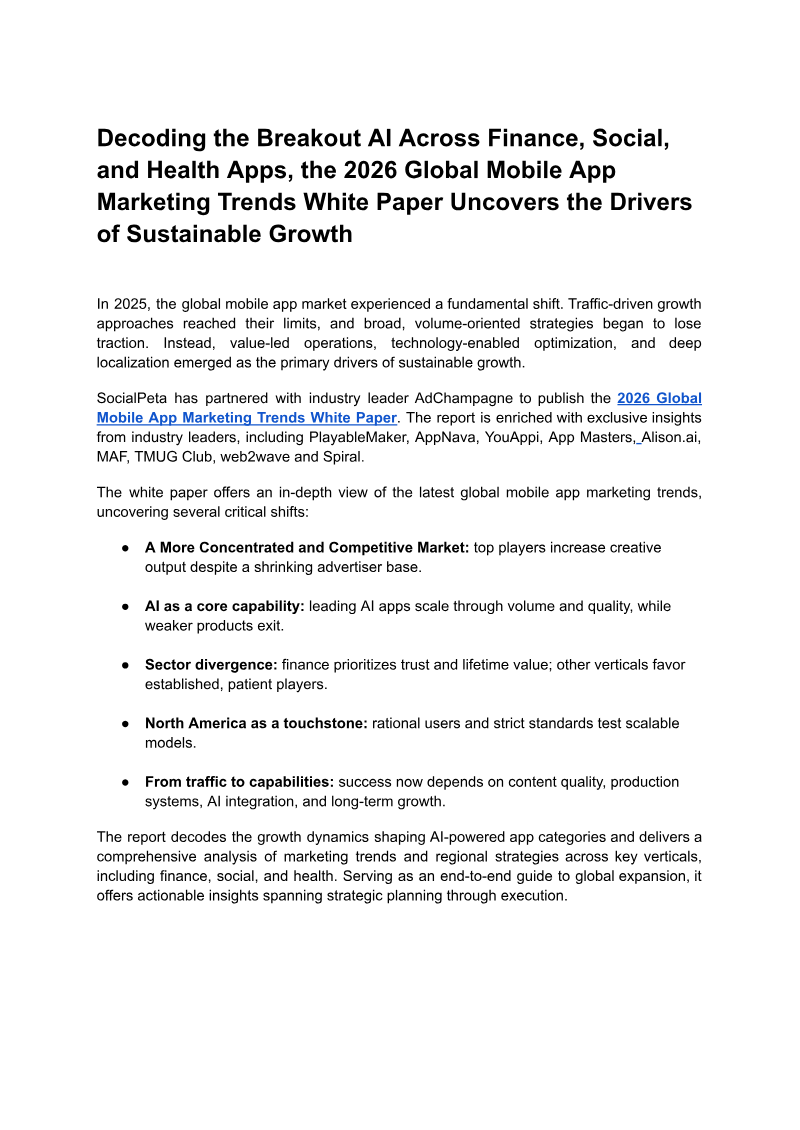
SocialPeta · 2026

Anzu · 2026
SocialPeta · 2026

tinyBuild · 2026