Roblox’s FY2025 filing demonstrates continued expansion of its creator‑centric platform while underscoring persistent financial and regulatory challenges. Revenue reached $4.89 billion, driven largely by virtual‑currency sales and a 27–28‑month average paying‑user lifetime, yet the company posted a $1.07 billion net loss due to high developer exchange fees ($1.50 billion) and intensified trust‑and‑safety spending ($1.15 billion). Bookings climbed to $6.79 billion, and free cash flow improved to $1.35 billion, reflecting strong operating cash generation from deferred revenue inflows.
User engagement metrics—daily active users, hours engaged, and bookings per user—are redefined under a new age‑verification system that eliminates comparable age data for Q4 2025, complicating trend analysis. Monetization remains diversified across experience purchases, a newly launched Creator Rewards Program, advertising, IP licensing, and studio plugins. The Developer Exchange now pays creators in fiat at $0.0038 per earned Robux, with 35,500 registered developers and a lowered payout threshold.
Geographically, revenue is concentrated in the U.S./Canada (61 %) but the platform serves 170+ countries. Regulatory exposure is significant: evolving online‑safety laws, AI and data‑protection mandates, and gambling‑related content restrictions could trigger fines up to 10 % of global revenue or higher, and may necessitate platform throttling. Legal proceedings over alleged gambling of minors remain unresolved.
Financially, Roblox carries $1 billion in 2030 notes and faces covenant compliance risks; operating losses persist, and the company relies on continued equity issuance to fund growth. Cybersecurity governance is robust but acknowledged as an ongoing risk, especially with AI integration and open‑source dependencies. Overall, Roblox balances aggressive platform investment against mounting regulatory, compliance, and profitability pressures as it seeks to sustain creator engagement and user growth.
Roblox · 2026

Roblox · 2026
Roblox · 2025
Roblox · 2025
Roblox · 2025
Roblox · 2025
Roblox · 2024
Roblox · 2024
Roblox · 2024
Roblox · 2023
Roblox · 2023
Roblox · 2023
Ubisoft · 2026
Sony Group Corporation · 2026
Roblox Corporation · 2026

InvestGame · 2026
Enthusiast Gaming Holdings · 2026

Aream & Co · 2026
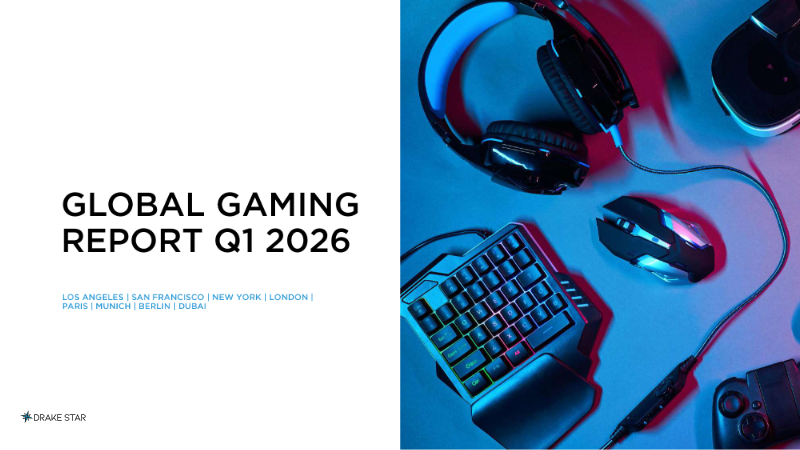
Drake Star Partners · 2026
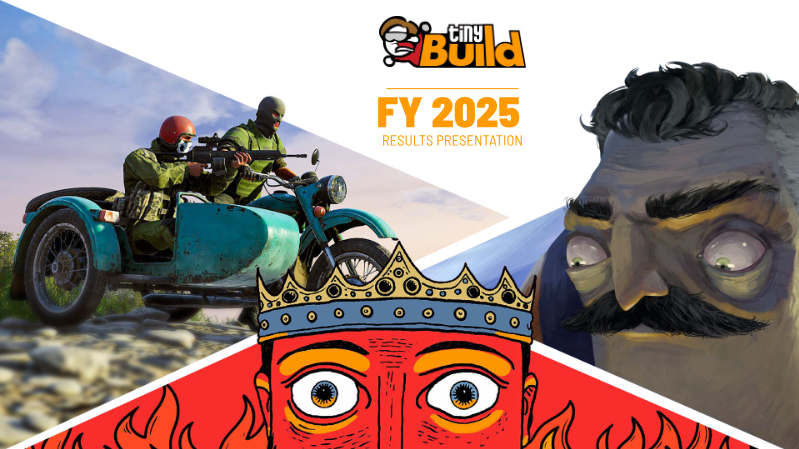
tinyBuild · 2026
Capcom · 2026
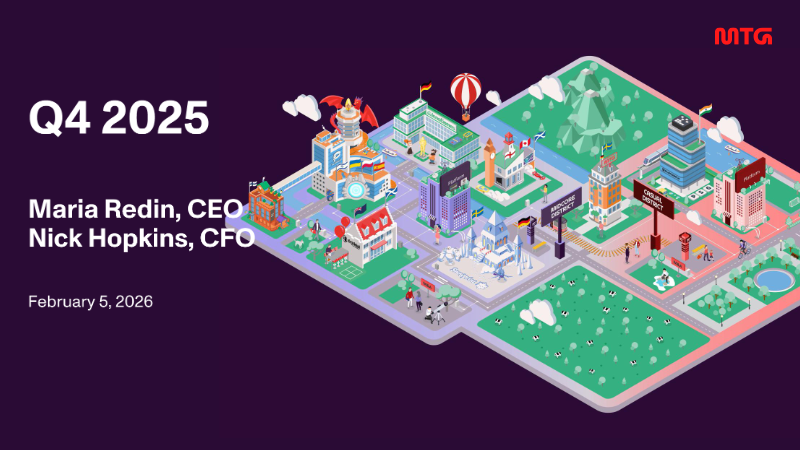
Modern Times Group · 2026
AppLovin · 2026
Bandai Namco · 2026