Loading the document
1 free read left. Create a free account for unlimited reading + AI research.
Create free accountWhitepaper DiGRA
1 free read left. Create a free account for unlimited reading + AI research.
Create free accountWhitepaperDiGRA
The paper argues that installation games can prompt critical-ethical reflection by moving players beyond the magic circle, the boundary separating play from real-world consequence.
The document explores the capacity of game design, specifically through artistic installation games, to cultivate critical-ethical reflection in players. Its central thesis posits that these unique game formats, by integrating physical environments, multi-sensory elements, and bodily interactions, can evoke profound emotional responses and connect abstract ethical dilemmas to players' lived experiences, thereby fostering autonomous moral reasoning. The research emphasizes the strategic use of thought experiments and metaphors as core design principles to engage players with complex social and ethical issues.
An illustrative example, the game "I Don't Know Who I Am," demonstrates this approach by employing a three-stage narrative—watching, acting, and dialoguing—to investigate themes of online manipulation and the erosion of individual identity. The game presents players with an ethical dilemma centered around a character named Bow, a cow grappling with identity, inviting players to "eat grass" to blur the boundaries between the game's narrative and their own reality. This design aims to prompt reflection on how external forces and technology influence personal desires and sense of self.
The analysis concludes that installation games represent a burgeoning, interdisciplinary field with substantial academic and artistic promise. They are shown to facilitate collaboration and interaction across diverse disciplines, including art, psychology, sociology, and philosophy. This form of artistic research within game design is identified as a particularly fertile ground for generating innovative ideas and promoting critical-ethical engagement.
Each row is a game or company this document names, each column a document, oldest first. A mark means that document names it. Select a row to see those documents.
DiGRA · 2026
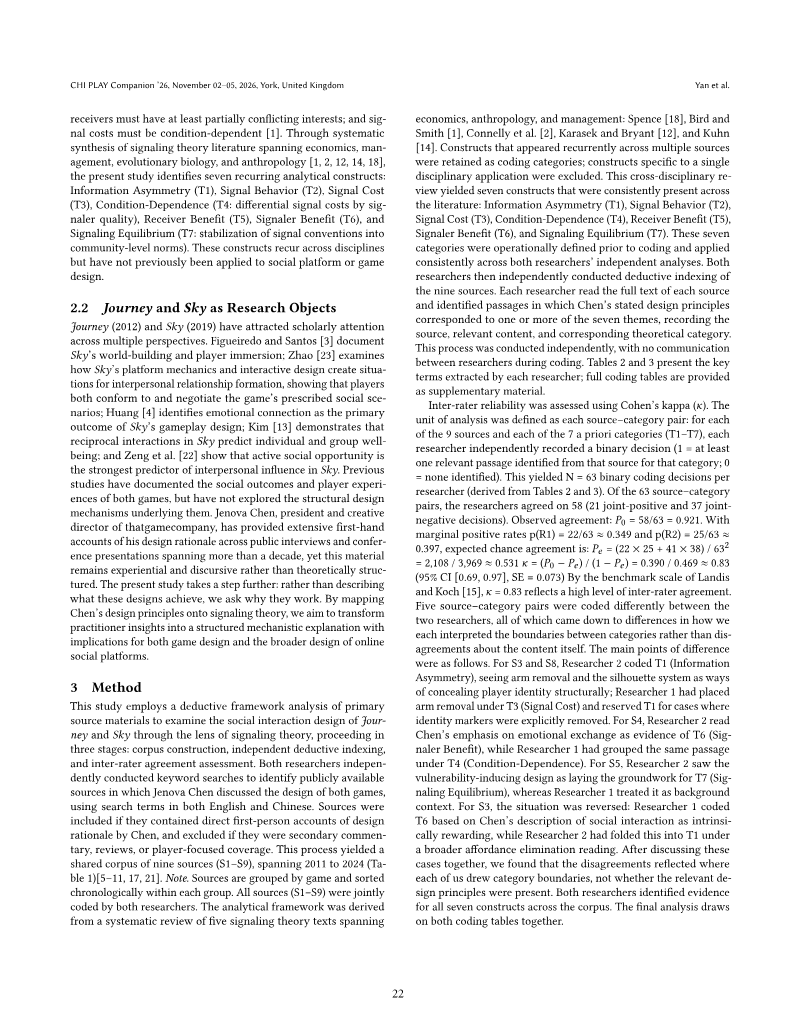
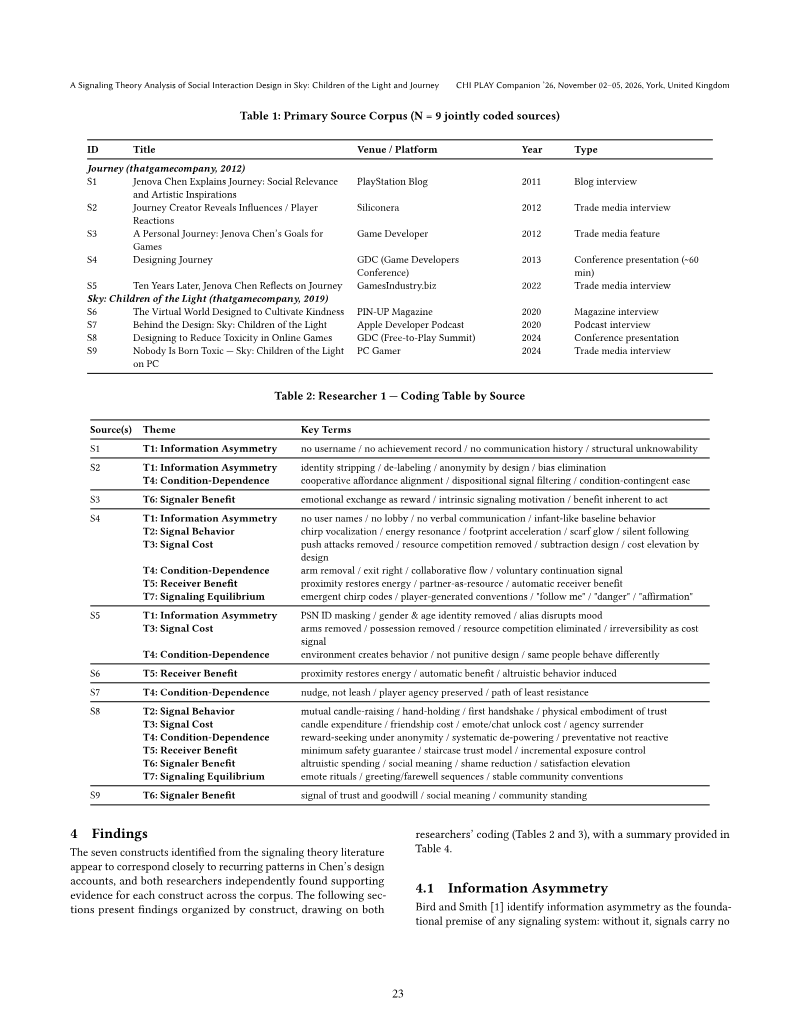
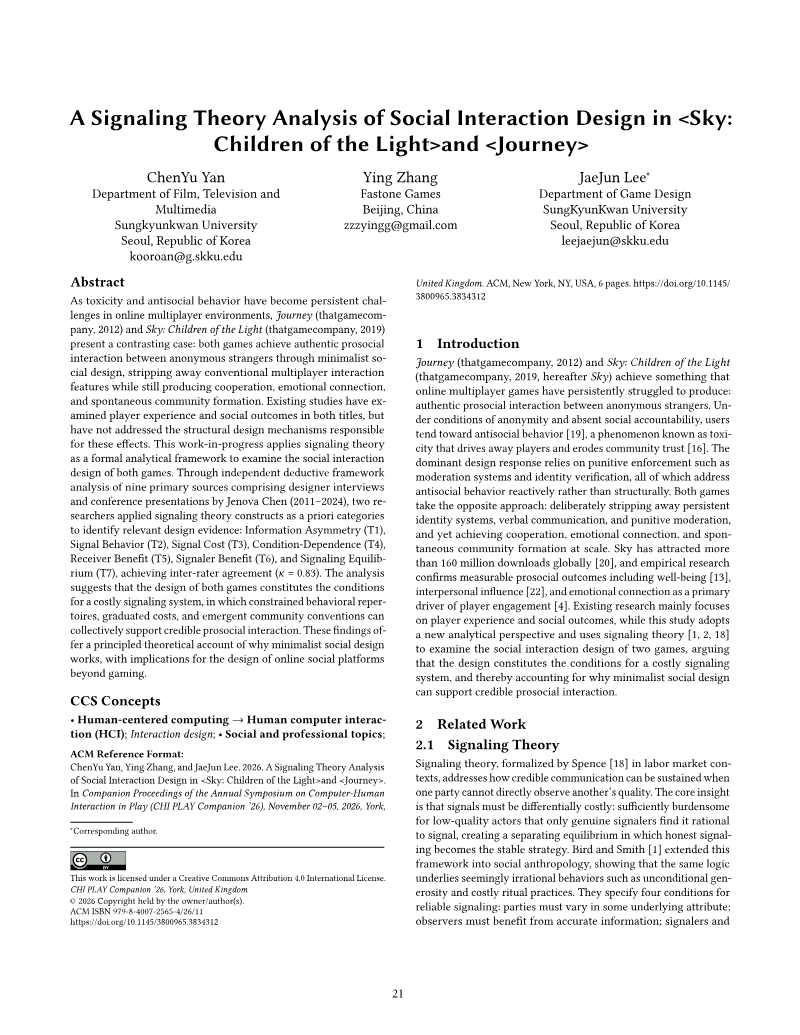
Sungkyunkwan University · 2026
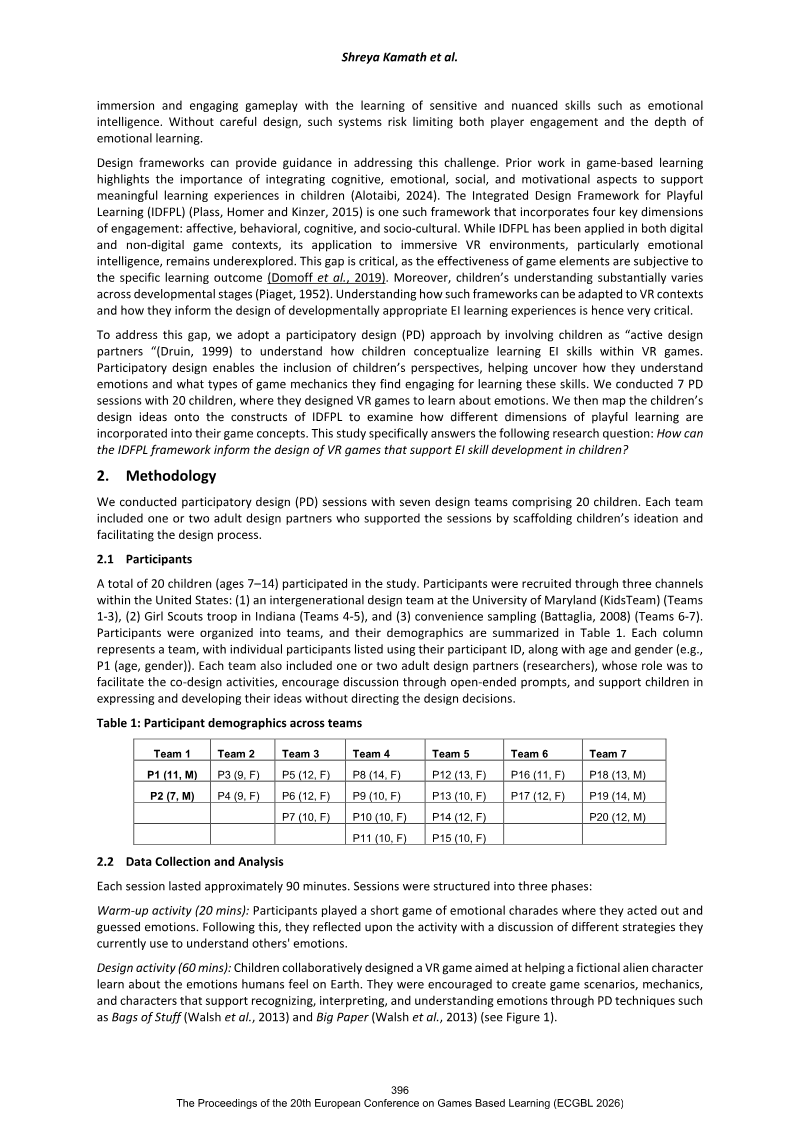
European Conference on Games Based Learning (ECGBL) · 2026

Jason Schreier · 2026

Thomas Brush · 2026

Extra Credits · 2026



Breda University of Applied Sciences · 2026



DiGRA · 2026
DiGRA · 2026
DiGRA · 2026
DiGRA · 2026
DiGRA · 2026
DiGRA · 2026