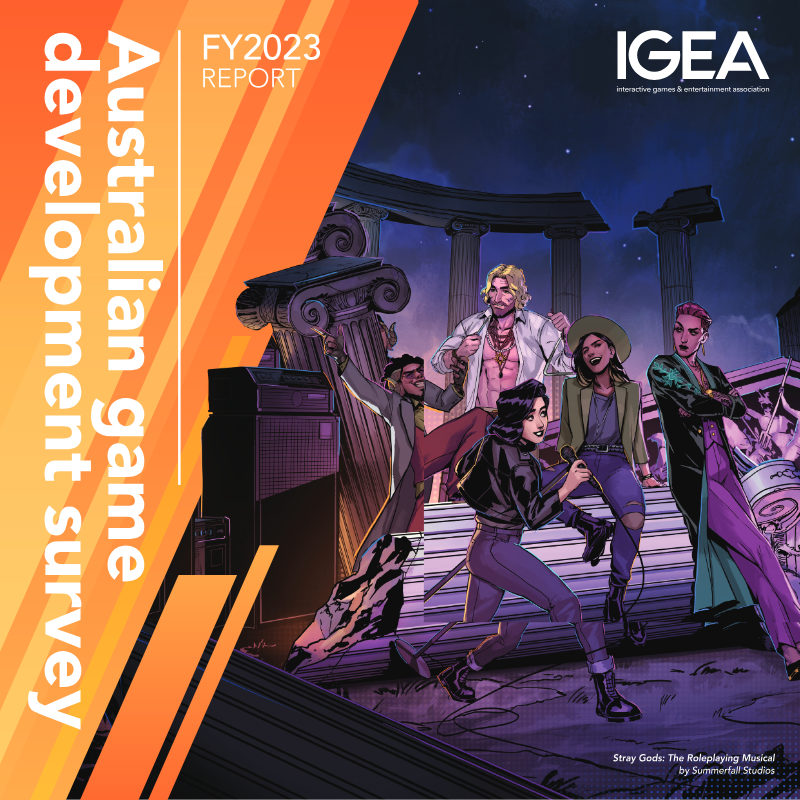
Australian Game Development Survey FY 2023
202314 pages~11 min full read
The Australian Game Development Survey FY2023 reveals a maturing industry experiencing significant growth in both revenue and employment. Total income generated by local studios reached $345.5 million, a 21% increase over the previous year, while the workforce expanded by 17% to 2,458 full-time equivalent employees. This growth is largely attributed to increased federal and state government support, including the Digital Games Tax Offset (DGTO), which has bolstered developer confidence and attracted international interest.
The sector is heavily export-oriented, with 87% of revenue derived from markets outside of Australia. While the industry is diversifying, it remains concentrated in the eastern states, with Victoria housing 29% of studios and 41% of the workforce. The ecosystem is characterized by a mix of established and emerging entities; 32% of studios have operated for over a decade, yet 45% are five years old or less, and 29% are currently developing their first title. Small businesses dominate the landscape, with 79% of respondents employing fewer than 20 people.
Despite this upward trajectory, the industry faces notable headwinds. The primary challenges identified include difficulty hiring staff with specialized technical skills, attracting early-stage development funding, and securing international publishing deals amidst tightening global economic conditions. Nevertheless, 63% of studios intend to hire more staff in the coming year, and 68% predict continued income growth.
The findings are based on a survey of 111 Australian game development studios conducted by Bond University on behalf of the Interactive Games & Entertainment Association (IGEA). The data covers the financial year from July 1, 2022, to June 30, 2023, and includes metrics on gender diversity, which showed an increase in the representation of women and gender-diverse individuals within the workforce.
Interactive Games & Entertainment Association · 2026
Interactive Games & Entertainment Association · 2026
Interactive Games & Entertainment Association · 2026
Interactive Games & Entertainment Association · 2025
Interactive Games & Entertainment Association · 2024
Interactive Games & Entertainment Association · 2023
Interactive Games & Entertainment Association · 2020

Direcció General d’Innovació i Cultura Digital · 2025
Polish Agency for Enterprise Development · 2025
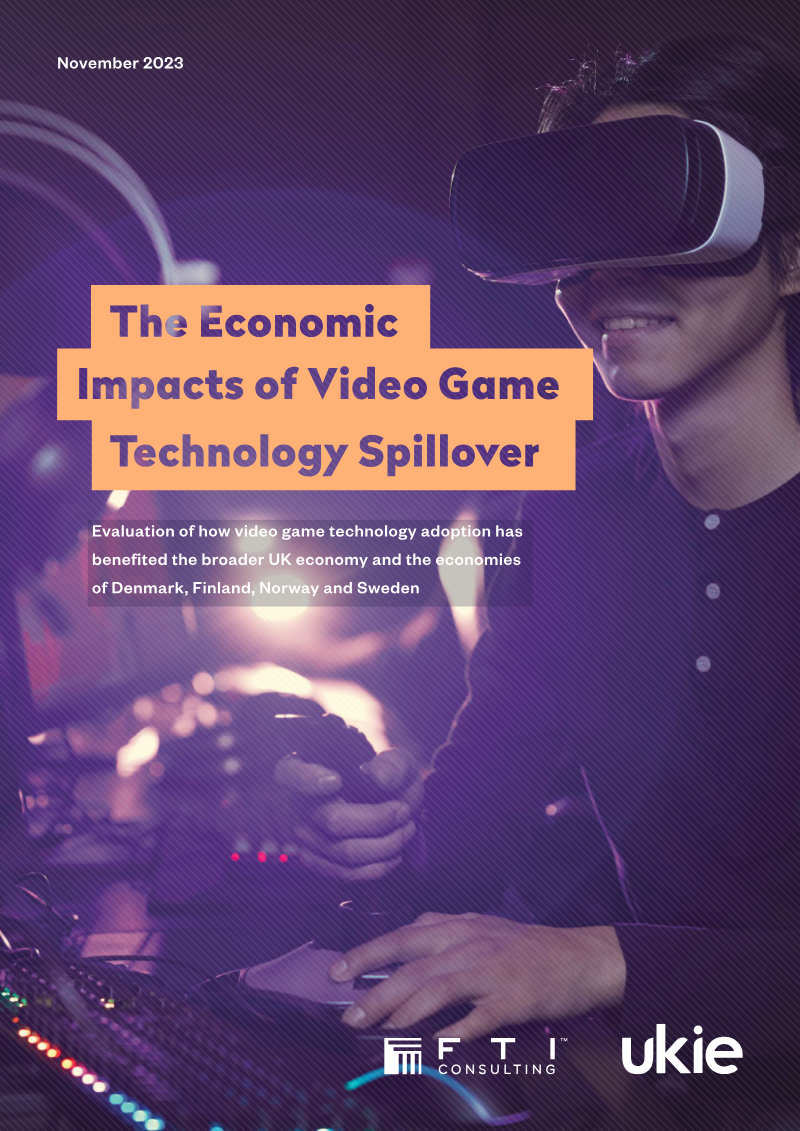
Ukie · 2023
AEVI · 2023

PCF Group · 2023

DEV · 2023
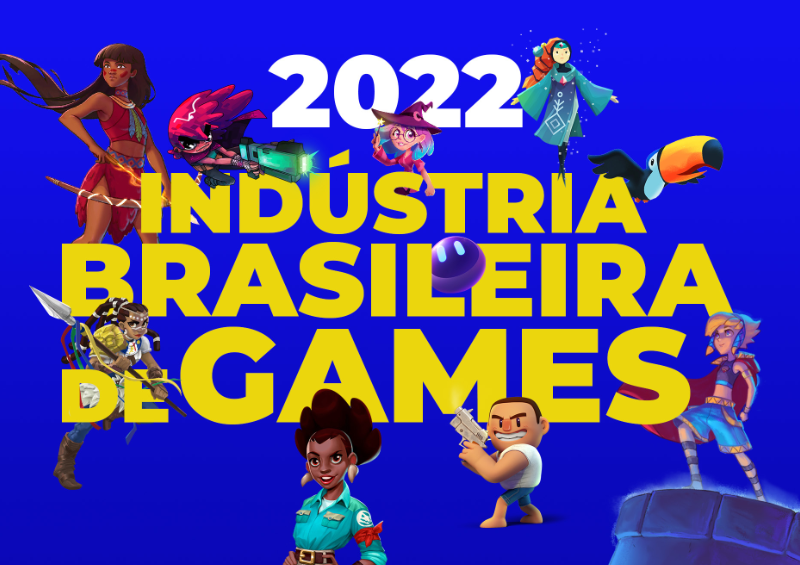
Abragames · 2022
PCF Group · 2021
game – Verband der deutschen Games-Branche e. V. · 2020

SGA · 2019
AEVI · 2018
AEVI · 2016