
ArticleGFR Fund
Consumer AI: Where the Market Is Actually Taking Shape
9 Feb 20261 pages~5 min full read
The consumer artificial intelligence market is currently characterized by a significant imbalance between capital allocation and product maturity. While foundation models and infrastructure receive the majority of investment, consumer-facing and entertainment-focused AI products remain undercapitalized relative to their potential. The primary thesis posits that the sector is currently in a pre-hype phase, where infrastructure constraints—specifically regarding speed, cost, and hardware efficiency—limit product delivery. However, these technical barriers are diminishing rapidly, suggesting that widespread adoption will occur abruptly once user experience and infrastructure capabilities align.
Methodologically, these insights are derived from qualitative research and interviews with founders across various layers of the AI stack, including leaders from companies such as Mage, Atmanity, and Moescape. The analysis emphasizes that in the consumer and entertainment segments, AI is a tool for enabling expression and community formation rather than a standalone product. Consequently, competitive differentiation is increasingly shifting toward the user experience (UX) and community-building layers, rather than relying solely on proprietary model ownership.
The scope of this analysis covers the global consumer AI landscape as of early 2026, with a specific focus on the evolution of AI-driven chat, image, video, and avatar technologies. Key findings highlight that content, safety, and intellectual property considerations are emerging as critical product constraints. Ultimately, the market is expected to mirror historical patterns seen in gaming and social platforms, where cultural relevance and user behavior precede institutional validation. Startups that prioritize vertically focused, experience-led products while navigating current infrastructure limitations are identified as being best positioned for future growth.
GFR Fund · 2026

GFR Fund · 2026

GFR Fund · 2026
GFR Fund · 2026
GFR Fund · 2026
GFR Fund · 2026

GFR Fund · 2026

GFR Fund · 2026
GFR Fund · 2026
GFR Fund · 2026
GFR Fund · 2025

GFR Fund · 2025
Konvoy · 2024
GDev · 2024
Konvoy · 2023
Konvoy · 2023
GDev · 2020
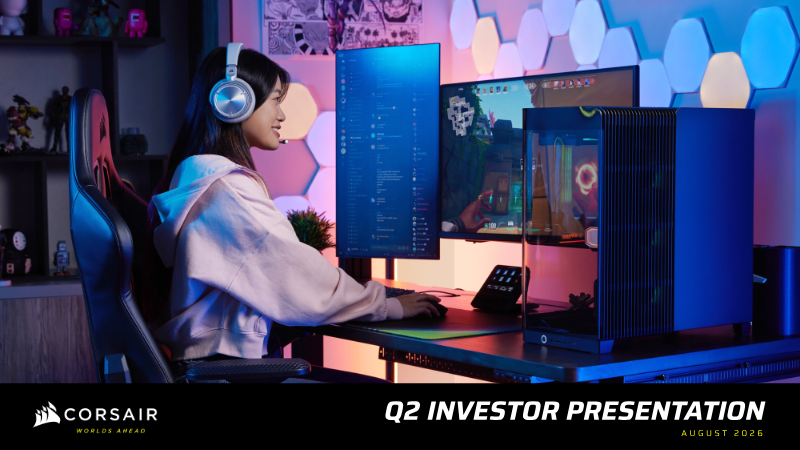
Corsair Gaming
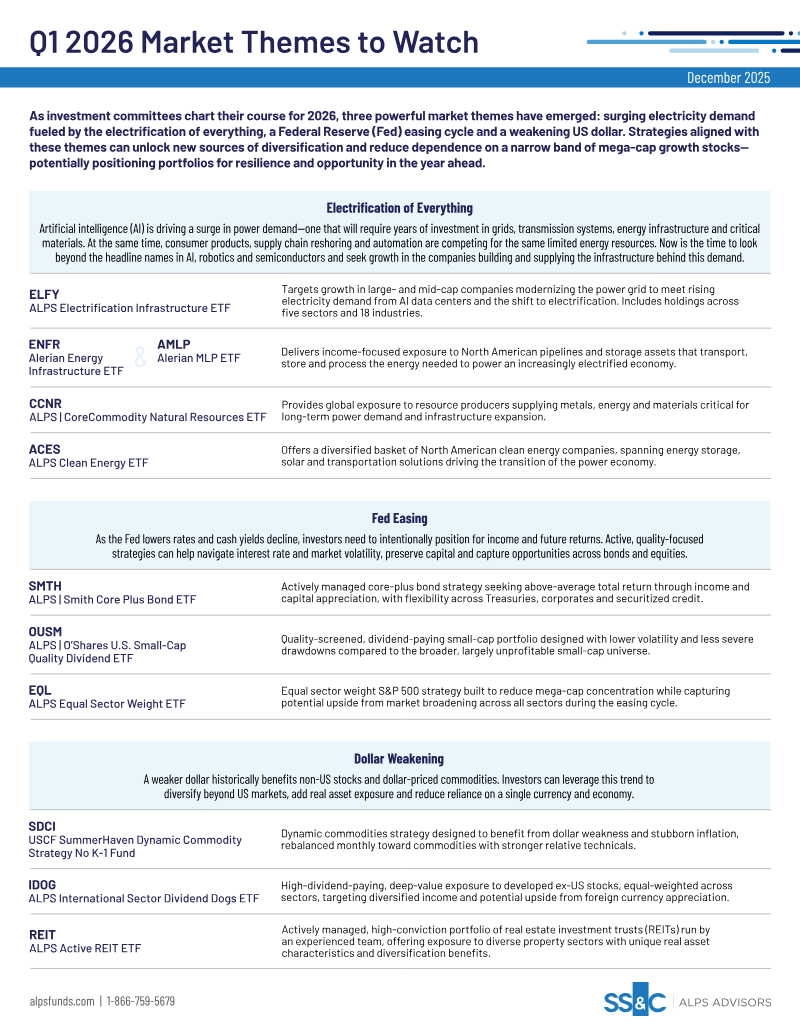
GameVault System
Ubisoft · 2026
Sensor Tower · 2026
Sony Group Corporation · 2026
Enthusiast Gaming Holdings · 2026
Drake Star Partners · 2026