
The consumer and entertainment artificial intelligence sectors remain in a pre-hype phase, characterized by a structural mismatch between heavy capital investment in infrastructure and the relative underdevelopment of consumer-facing applications. While significant funding currently flows toward foundation models, data centers, and GPU hardware, the long-term economic value in the consumer space will ultimately be defined by distribution, experience design, and community engagement rather than raw technical capability alone.
The primary bottleneck for the industry is infrastructure maturity rather than a lack of end-user demand or creative ambition. High inference costs, particularly in video generation, combined with latency issues and workflow complexity, currently constrain the ability of AI products to scale effectively. As these technical barriers diminish, the industry is expected to see a rapid transition from niche utility to mainstream adoption, as the underlying infrastructure will finally support the performance requirements of mass-market consumer platforms.
The current landscape is shifting from AI as a productivity tool to AI as an interactive interface, fundamentally altering how users engage with software through avatars and character-driven systems. Because the experience layer remains underbuilt, there is a significant opportunity for AI-native companies to establish defensibility through vertical focus and cultural integration. By positioning these sectors as pre-hype, the analysis suggests that the most impactful consumer platforms are only now beginning to emerge, creating a meaningful asymmetry for capital allocation as infrastructure costs continue to decline.
GFR Fund · 2026

GFR Fund · 2026

GFR Fund · 2026
GFR Fund · 2026
GFR Fund · 2026
GFR Fund · 2026

GFR Fund · 2026

GFR Fund · 2026
GFR Fund · 2026
GFR Fund · 2026
GFR Fund · 2025

GFR Fund · 2025
Konvoy · 2024
GDev · 2024
Konvoy · 2023
Konvoy · 2023
GDev · 2020
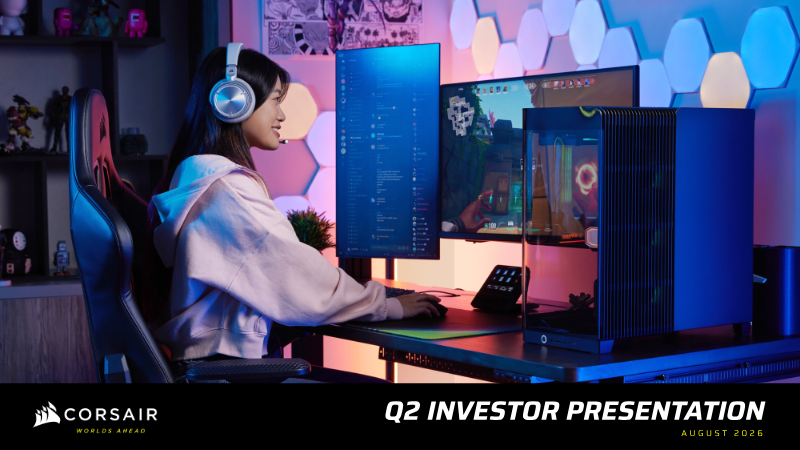
Corsair Gaming
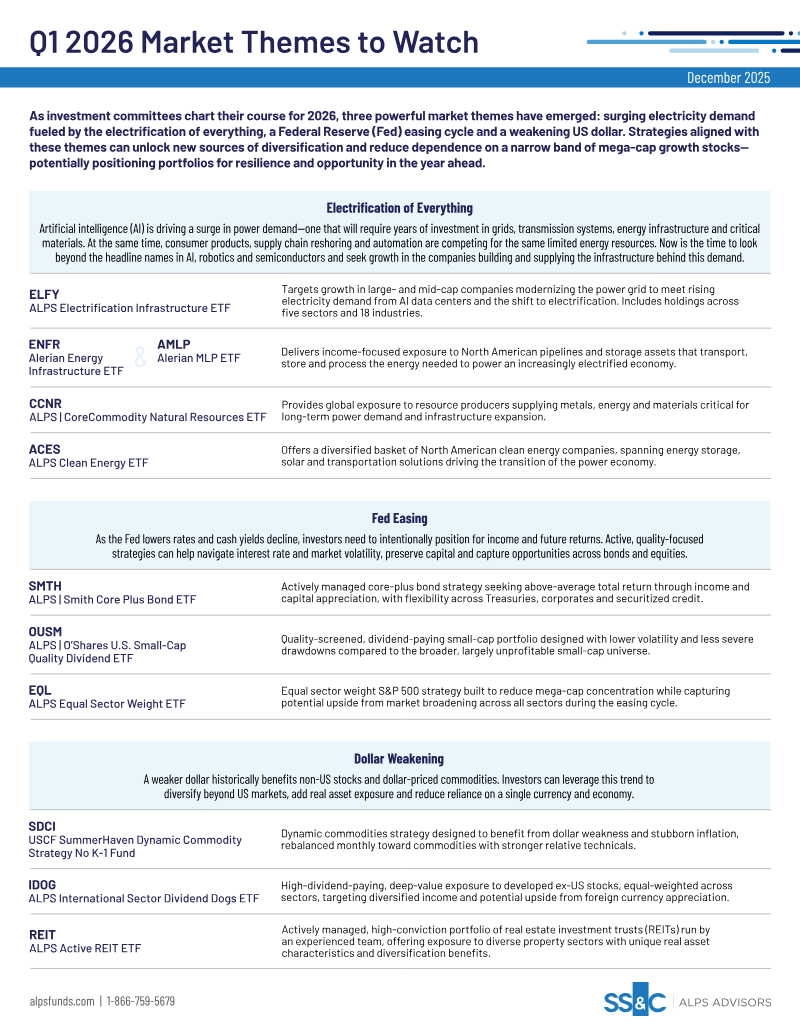
GameVault System
Ubisoft · 2026
Sensor Tower · 2026
Sony Group Corporation · 2026
Enthusiast Gaming Holdings · 2026
Drake Star Partners · 2026