ArticleGFR Fund
The Collectible Super-Cycle: Why Pop Mart, Pokémon, and One Piece are 2026’s Big Bets
5 Mar 20261 pages~8 min full read
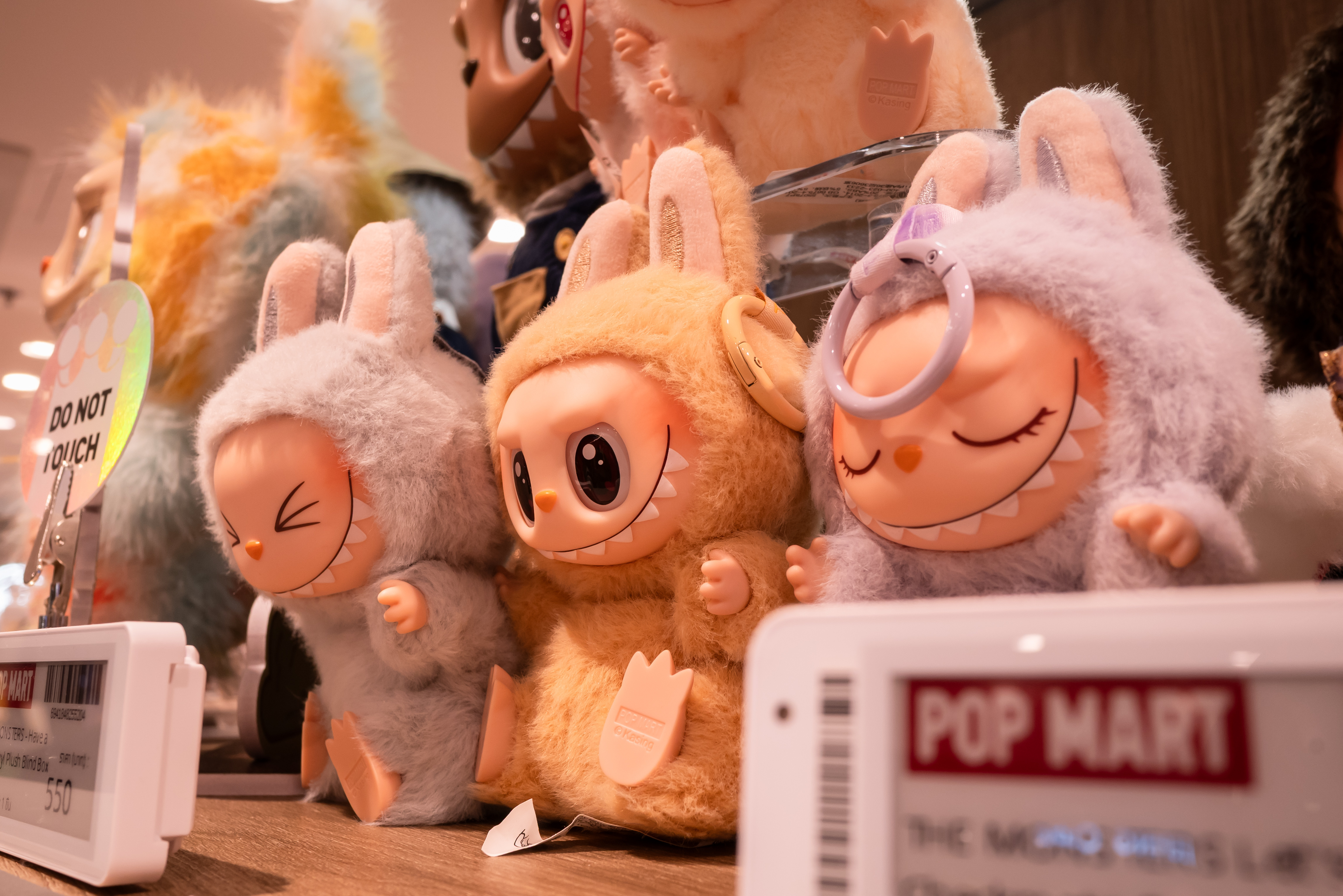
The collectible market is experiencing a significant global resurgence in 2026, driven by a shift toward physical goods that serve as markers of identity, status, and emotional connection. This "Collectible Super-Cycle" posits that in an era of AI-generated digital content, physical items have become a primary social currency. The analysis focuses on three key pillars—Pop Mart, Pokémon, and One Piece—to illustrate how legacy brands and modern IP houses are leveraging digital-first strategies to fuel physical sales.
Pop Mart demonstrates the efficacy of IP rotation, moving beyond the initial hype of Labubu to establish Skullpanda as a dominant force, evidenced by a 132% surge in sales volume in early 2026. Meanwhile, the Pokémon brand utilizes a self-sustaining flywheel model where digital onboarding through apps like TCG Pocket drives users toward physical card collecting, further bolstered by the brand's 30th-anniversary celebrations and high-value "Chase Rare" cards. Similarly, the One Piece trading card game has achieved rapid growth by aligning global release schedules and targeting high-end collectors, with early booster boxes seeing returns of approximately 500% from previous stabilization levels.
The scope of this trend is global, with a demographic shift toward "kidults"—adults who now account for one-quarter of all toy sales. Data from the Toy Association and Zamplia indicates that the collector market is approaching a 50/50 gender split, as women increasingly participate in investment-heavy trading card games and men engage more with aesthetic-driven art toys. By integrating digital engagement with physical scarcity and secondary market validation, these companies have successfully transformed collectibles into a sophisticated, resilient global asset class.
GFR Fund · 2026

GFR Fund · 2026

GFR Fund · 2026
GFR Fund · 2026
GFR Fund · 2026

GFR Fund · 2026

GFR Fund · 2026

GFR Fund · 2026
GFR Fund · 2026
GFR Fund · 2026
GFR Fund · 2025

GFR Fund · 2025
Modern Times Group · 2026
InvestGame · 2025
Ubisoft · 2025
G5 Entertainment AB · 2024
Paradox Interactive · 2024
Bandai Namco · 2021
King · 2021
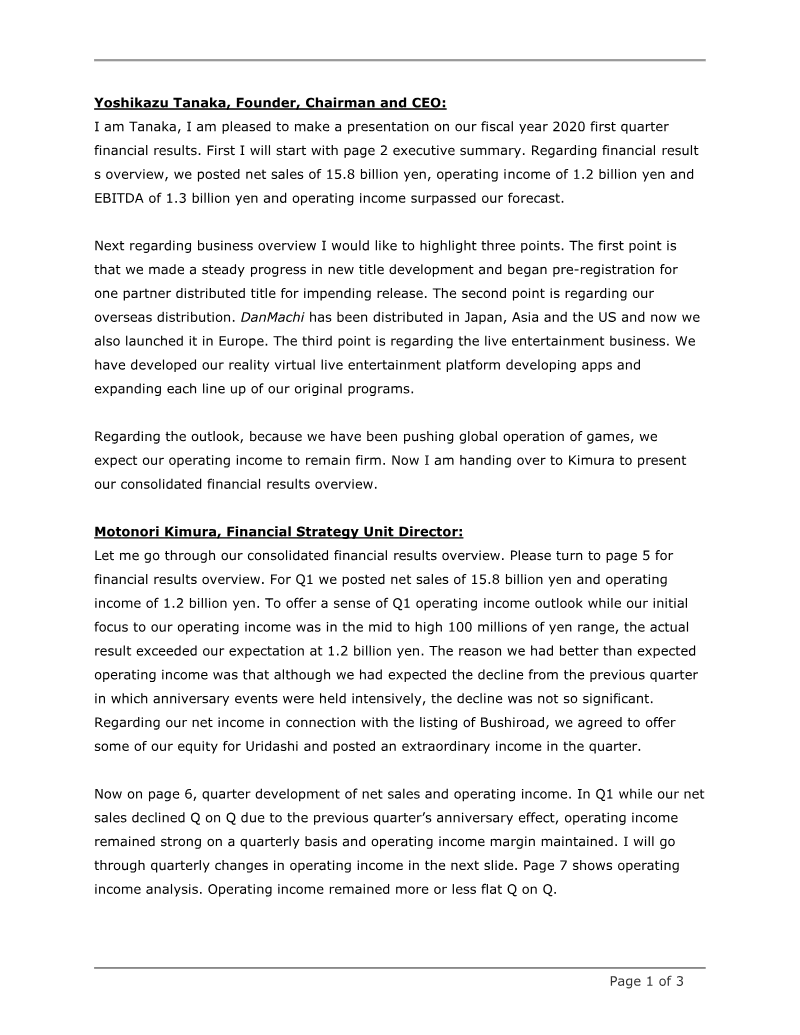
GREE · 2020
GREE · 2017
Modern Times Group
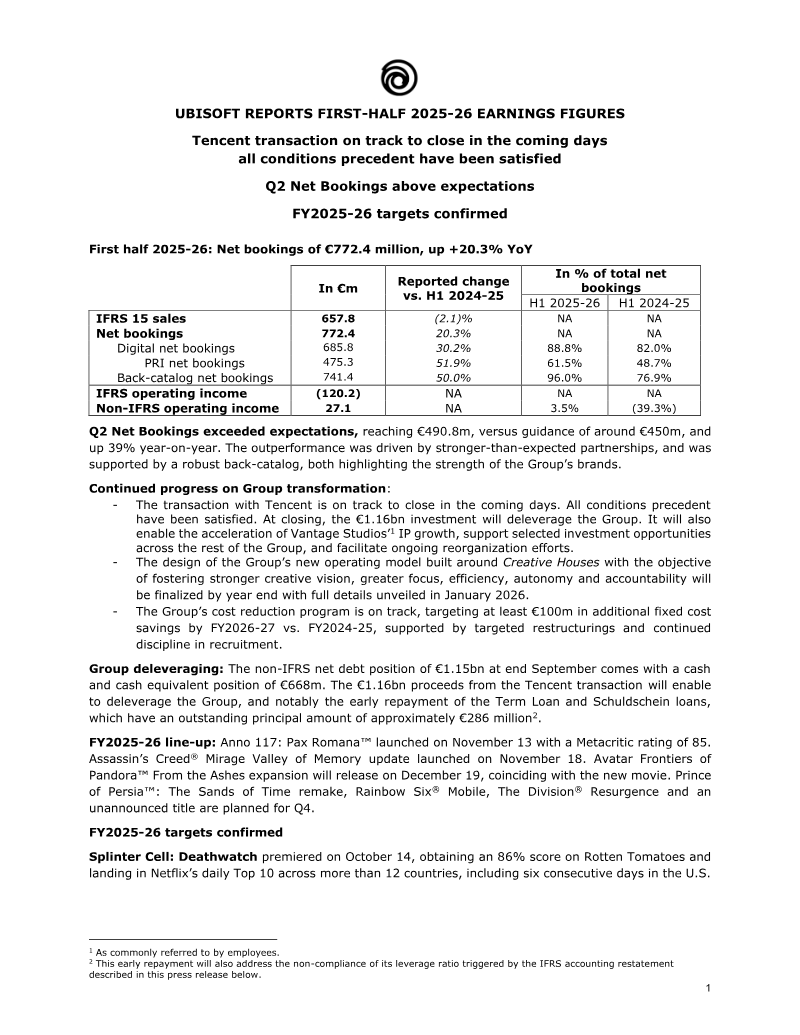
Ubisoft
Stillfront