
ArticleGFR Fund
Three Consumer Apps That Broke Out With Zero Paid Ads: Here’s How
24 Nov 20251 pages~8 min full read
The modern consumer application landscape has shifted away from traditional paid acquisition models toward organic, product-led growth. As customer acquisition costs rise and traditional advertising effectiveness wanes, the most successful early-stage startups are those that integrate shareability, community, and cultural relevance directly into their core user experience. The thesis posits that sustainable growth in the current market is driven by products that function as cultural engines rather than relying on performance marketing.
The analysis categorizes successful zero-ad growth into three primary archetypes. First, creative playground apps, such as Midjourney and CapCut, leverage user-generated content as a distribution mechanism, where the output itself serves as marketing. Second, community-focused apps like Discord and BeReal prioritize social belonging and rituals, utilizing peer-to-peer networks to drive adoption. Finally, playable moments apps, including Animal Crossing and Among Us, capitalize on highly shareable, aesthetic, or chaotic gameplay moments that encourage users to document and distribute their experiences across social platforms.
Across these segments, successful apps share four core traits: they design for shareability from the outset, utilize early users as primary distribution nodes, generate distinct cultural value, and prioritize a "Minimum Lovable Product" over a standard MVP. The findings suggest that for 2026, founders should focus on building "public-by-default" features, cultivating power users, and prioritizing emotional resonance. By embedding these growth loops into the product architecture, startups can achieve scale without the reliance on paid advertising, transforming users into active participants in the brand’s expansion.
GFR Fund · 2026

GFR Fund · 2026
GFR Fund · 2026
GFR Fund · 2026
GFR Fund · 2026
GFR Fund · 2026

GFR Fund · 2026

GFR Fund · 2026

GFR Fund · 2026
GFR Fund · 2026
GFR Fund · 2026
GFR Fund · 2025
Tenjin · 2023
Tenjin · 2022
AdQuantum · 2022
SocialPeta · 2021
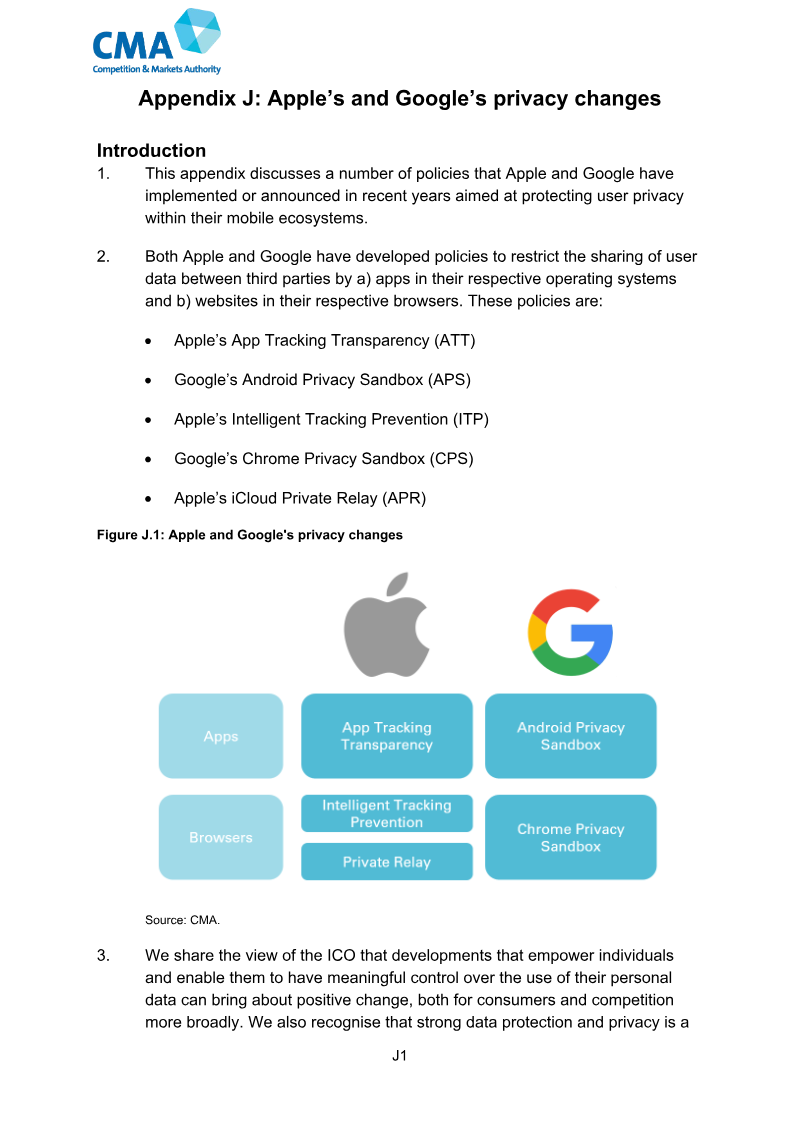
Competition · 2026

Almedia · 2026
Gamesight · 2026
SocialPeta · 2026

SocialPeta · 2026
InvestGame · 2026

SocialPeta · 2026
SocialPeta · 2025