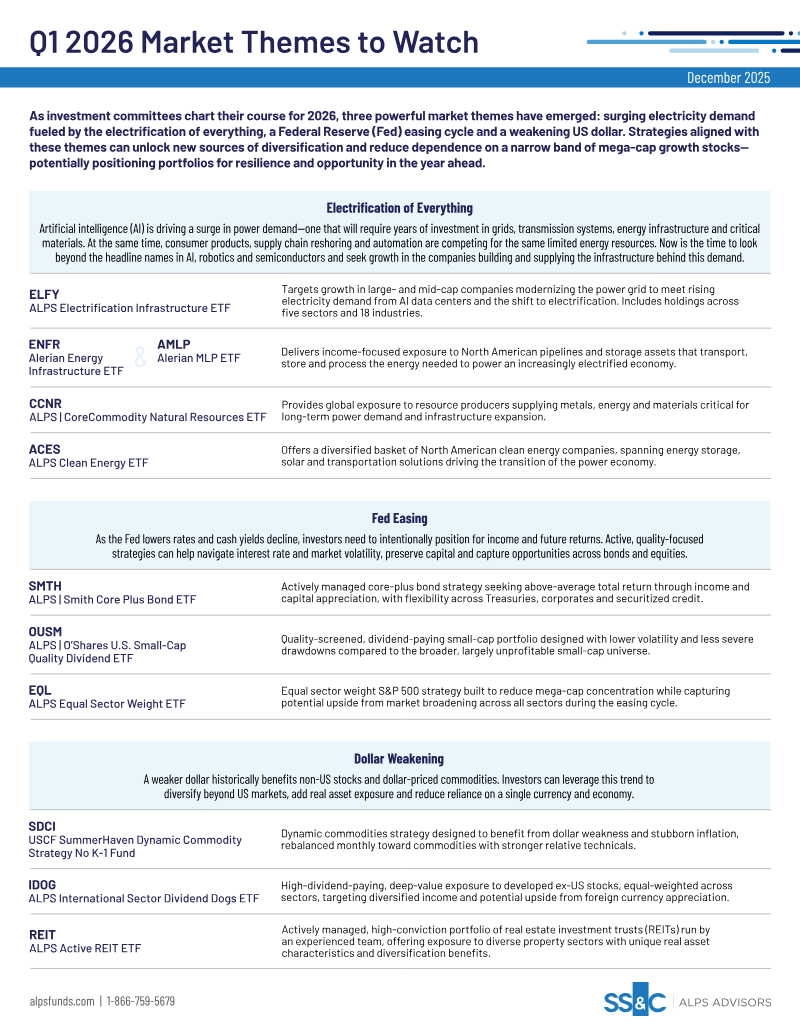
Investment committees navigating the 2026 landscape are advised to pivot toward three primary market themes: the widespread electrification of the global economy, the Federal Reserve’s interest rate easing cycle, and the depreciation of the US dollar. These trends offer a strategic framework for diversifying portfolios beyond the narrow concentration of mega-cap growth stocks, potentially enhancing resilience and capturing emerging opportunities across various asset classes.
The surge in power demand, driven by artificial intelligence, data center expansion, and industrial automation, necessitates significant capital allocation toward infrastructure. Rather than focusing solely on headline technology firms, investors are encouraged to target the underlying grid modernization, energy transmission, and critical material supply chains. This thematic shift encompasses North American energy pipelines, clean energy solutions, and global natural resource producers, all of which are essential to sustaining an increasingly electrified economy.
Simultaneously, the transition toward lower interest rates requires a shift in focus toward quality-oriented income strategies. As cash yields decline, active management in fixed income and the inclusion of quality-screened, dividend-paying small-cap equities can help mitigate volatility and reduce reliance on unprofitable market segments. Furthermore, the anticipated weakening of the US dollar provides a catalyst for diversifying into non-US developed markets and real assets, such as commodities and real estate investment trusts. By rebalancing toward these sectors, investors can hedge against currency risk and inflation while positioning for broader market participation across international and domestic landscapes.

Corsair Gaming

Aream & Co · 2026

AlixPartners · 2025
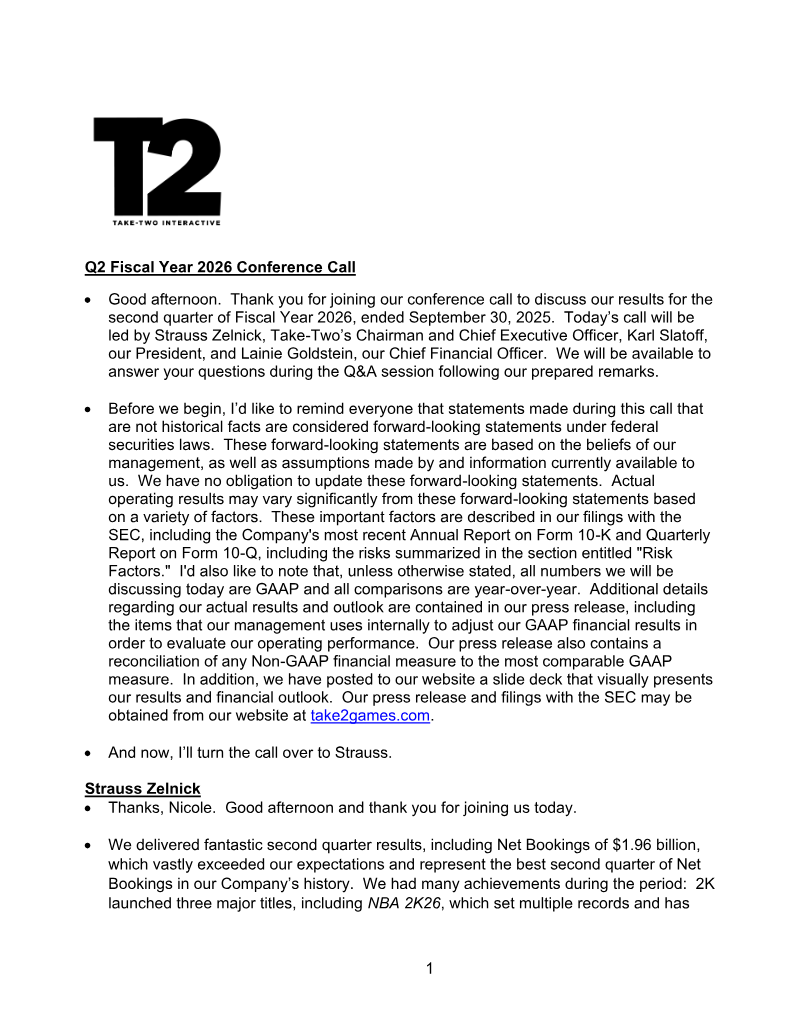
Take-Two Interactive · 2025

Aream & Co · 2025

Boston Consulting Group · 2025
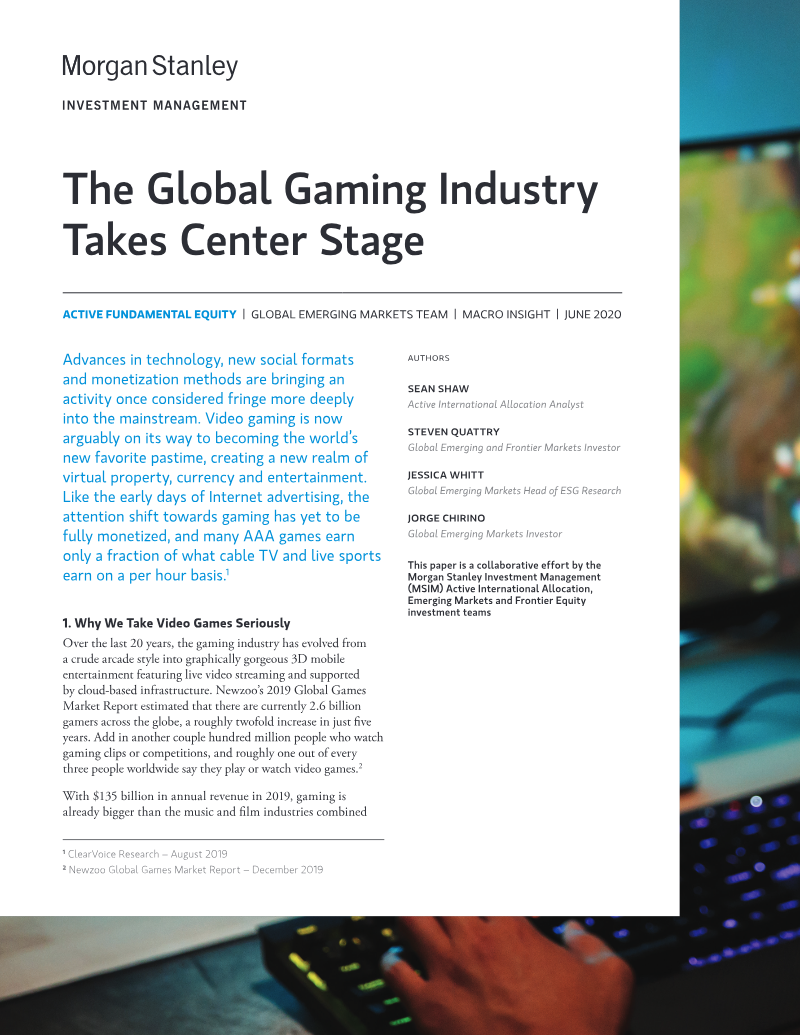
Morgan Stanley · 2025
Konvoy · 2024
Konvoy · 2024

GDev · 2024
Konvoy · 2023
Konvoy · 2023