1 free read left. Create a free account for unlimited reading + AI research.
Create free accountWhitepaper DiGRA
1 free read left. Create a free account for unlimited reading + AI research.
Create free accountWhitepaperDiGRA
A change that looks superficial on screen can require extensive edits to dialogue data and file structures.
Cass Zegura's paper argues that queer modding reveals how a game's file system and code both enable and constrain queer representation. Its central claim is that the line between "cosmetic" and "mechanical" modifications is unstable: changes that appear superficial on screen, such as making a straight character bisexual in Dragon Age: Origins, often require extensive edits to dialogue data and file structures. Modding is framed as a form of play that occupies game space, with the modified file system itself becoming a playground for queer expression.
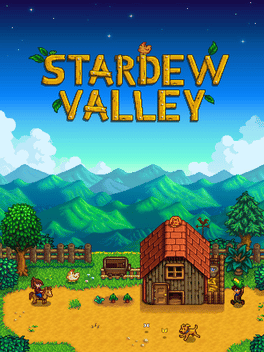
The analysis focuses on how these dynamics play out in Stardew Valley, whose open, engine-free file structure is contrasted with the proprietary engine of Dragon Age: Inquisition, which the author argues effectively straightens queer NPCs. Because most queer mods emphasize explicit sexuality, the paper contends that aromantic and asexual (aroace) identities remain underrepresented in games, making accessible data and code essential for reconfiguring intimacy. The central case study is the Platonic Partners and Friendships (PPAF) mod, which replaces romantic and sexual dialogue and mechanics with platonic partnership options through labor-intensive edits to JSON event data, including a rewritten version of Penny's ten-heart cutscene.
The paper concludes that code and representation are deeply intertwined, so queer meaning resides in underlying files as well as in narrative and mechanics. It also acknowledges limits: PPAF retains the game's quantified relationship-progression logic, which constrains how far the mod can depart from romance-oriented design. The author further notes far-right modding efforts that remove LGBTQ content from other games, underscoring that modding cuts both ways. The work draws on game studies and games journalism to situate queer modding as a growing area of scholarly and industry attention.
Each row is a game or company this document names, each column a document, oldest first. A mark means that document names it. Select a row to see those documents.

DiGRA · 2026

DiGRA · 2026



DiGRA · 2026
DiGRA · 2025