1 free read left. Create a free account for unlimited reading + AI research.
Create free accountArticle Game Production Alchemist
1 free read left. Create a free account for unlimited reading + AI research.
Create free accountArticleGame Production Alchemist
The core thesis is that producers who fail to adopt advanced AI tools will be displaced by those who leverage them for efficiency and output gains.
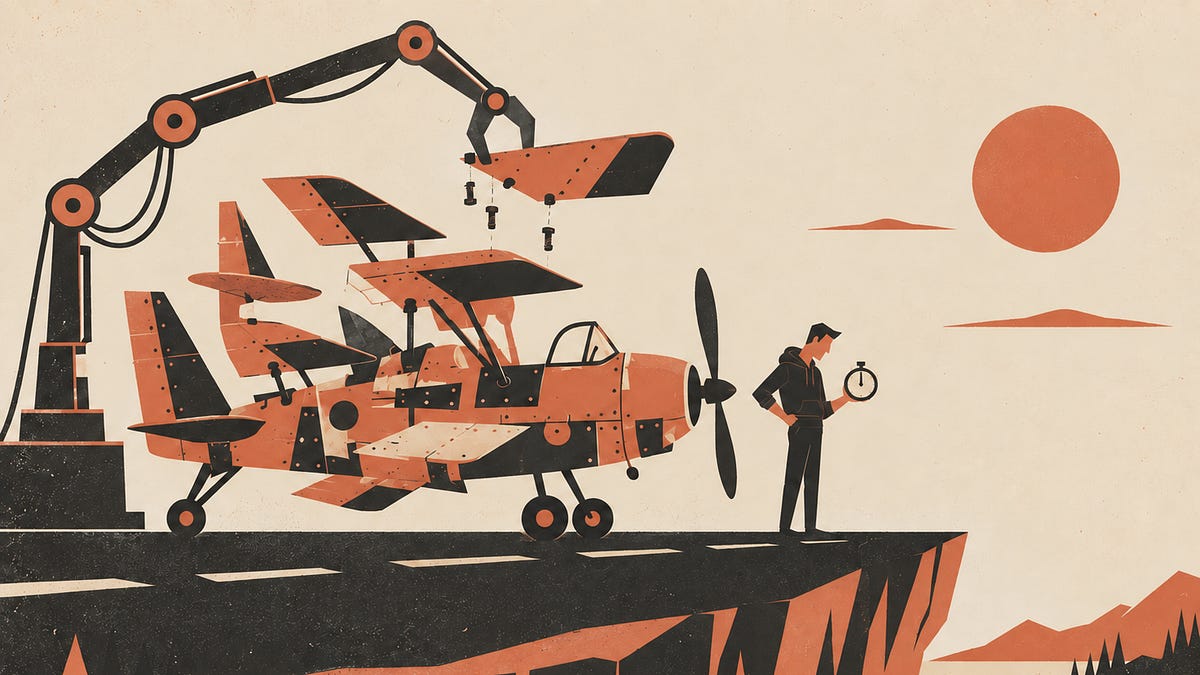
The core thesis of this analysis is that the role of a game producer is undergoing a fundamental shift due to AI-driven automation. Rather than being replaced by artificial intelligence itself, producers who fail to adopt advanced AI tools will be displaced by those who leverage them to achieve significant gains in operational efficiency and output. The primary argument is that AI, specifically tools like Claude Code, enables a single producer to perform the administrative and coordination tasks that previously required a team of two or three individuals.
The analysis highlights a transition from manual administrative labor to automated architectural management. By integrating AI into documentation and project management workflows, producers can programmatically generate Jira epics, stories, and labels directly from specification documents. This system ensures that project requirements, decision trails, and task tracking remain synchronized, effectively eliminating the need for manual reconciliation and policing of project data. These efficiencies allow a single practitioner to manage complex scope changes and maintain project context with a level of speed and accuracy that was previously unattainable.
The scope of this shift is centered on the game production industry, specifically focusing on the intersection of project management, technical documentation, and team coordination. The findings are based on the author’s personal experience and professional observations within the industry as of early 2026. The conclusion is that studios will increasingly prioritize leaner production teams, as the ability to automate non-value-added tasks—such as ticket maintenance and documentation updates—drastically reduces the headcount required to manage development cycles. Ultimately, the analysis posits that the future of game production lies in the ability to build and maintain these automated systems, which fundamentally redefine the capacity and value of the individual producer.
The games and companies this document names on the inner ring, other documents about them on the outer one. Select a cover to see it up close and open it in a new tab; drag to move, pinch or Ctrl + scroll to zoom.

Game Production Alchemist · 2026

Game Production Alchemist · 2026

Game Production Alchemist · 2026
Game Production Alchemist · 2026

Game Production Alchemist · 2026

Game Production Alchemist · 2026

Game Production Alchemist · 2026
Game Production Alchemist · 2026

Game Production Alchemist · 2026

Game Production Alchemist · 2026

Game Production Alchemist · 2026

Game Production Alchemist · 2026
PocketGamer.biz · 2026