1 free read left. Create a free account for unlimited reading + AI research.
Create free account
Playmob's Parker Crockford on combining charitable giving and IAPs
Key insights
6 takeaways- 01Cause marketing platforms integrate philanthropic in-app purchases (IAPs) into mobile games to boost user engagement, retention, and the conversion of non-spending players into first-time purchasers.
- 02Charitable IAPs serve as a strategic tool to improve the industry's public image by providing a transparent, structured alternative to perceptions of aggressive free-to-play monetization.
- 03Historical data from a Farmville earthquake relief campaign demonstrated the model's effectiveness, raising $1.5 million in one week with 80 percent of contributors being first-time buyers.
- 04Charitable organizations, ranging from large entities like the WWF to specialized groups like Cybersmile, have increasingly adopted gaming as a channel for both financial support and brand exposure.
- 05The industry aims to scale these efforts by integrating charity-based IAPs at the platform level through partnerships with major publishers and platform holders.
- 06The long-term objective is to establish charitable giving as a standard industry practice that simultaneously drives sustainable business growth and generates measurable social impact.
Ask AI about this video
Transcript
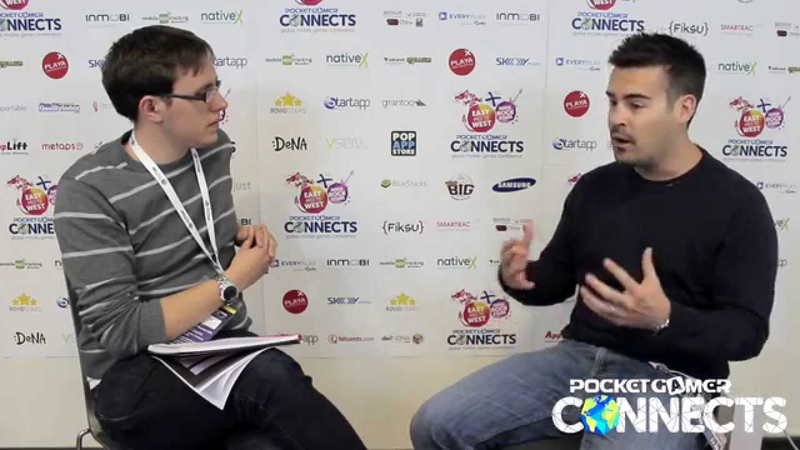
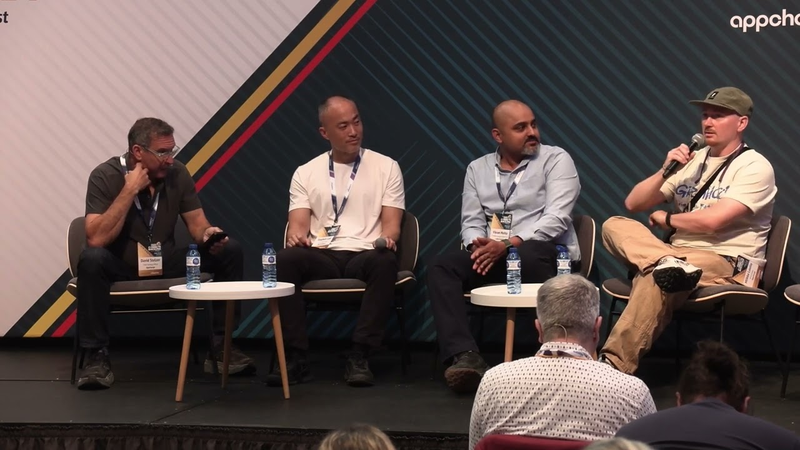
uh my name is Parker Graford I'm the CEO commercial director of playmob um and playmob is a cause marketing platform um what that means is we work with games companies to uh put charity items into their games that where if you buy this item part of the proceeds will go to support a charity so increases engagement retention and helps convert non-s Spenders to Spenders it's really interesting why did you decide to go for this charity angle I mean there's lots of these platforms out there and they focus on making loads of money for the individual person but you decided to go for a more charitable bent to this what what's your thinking um well the thinking was Jude the Jude over our ceio CEO was uh building games for Education and Training purposes and Charities were coming to us going can you build us a game that will monetize
like you know the Angry Birds of this world and as we all know um that takes a fair amount of money and a lot of expertise and more importantly growing a user base um so we are looking into how could we do that without with without having to build that user base and so by looking into how could we do in-game fundraisers uh where where would it fit when there's already a user base there and during during that sort of Discovery process Zinga ran their campaign uh in Farmville that raised $1.5 million for the Haiti earthquake in one week now the interesting thing about that is 80% of those users were first-time buyers um and we're like voila that why isn't everyone doing this it's converting users it's great brand you know great brand affiliation it's great retention and we've looked into the process of it and the cause marketing is is is something that is difficult for
corporate to do um so we're creating a platform and a process that makes it easier and more transparent for corporate to to do that okay so which causes and Charities have you been working with and how have they been how have they been finding this process I mean have they been finding this really transformative to them um it's that's a really good question um when we first started talking to Charities a year ago it was like we were speaking Chinese to them um the whole gaming world you know talking about the process was was very foreign and the way we positioned it was you get free money and free marketing to a user base that you would Lop off your right arm for um so they are they're coming around to it some of the bigger ones we've worked with WWF in the past and they're you know they're a big a big machine of of a charity um and you know they're they're getting their heads around how does that work and then you know we have very Nimble small hunger Charities like likes of cyber smile who who will say yes to any game no matter
how violent no matter what it is they just they want to get out there they want to be involved they want you know they they're they're hungry for for the cash and the exposure okay so there's lots of different approaches by the causes there but what I think is quite interesting is that Mobile gaming and particularly freet toop Play It's always had a bit of a bad rep that it's had this bad reputation I mean do you hope in some way that playm could become the equivalent of I don't know Corporate social responsibility within the gaming industry is that kind of what you think could happen you're hired um um I think that's that's really where we're trying to position ourselves you know you're right you know talking about you know just got off of watching a ilas panel and you know and there's a lot of a lot of money in the industry and you know and a lot of people don't get into the industry to make a lot of money but the reality on the on the ground is people in this freeo play in at purchase the negative sort of approach or not approach or just the perception in the market we think this is a great antidote to
you know there is a the there is the corporate responsibility side of this but you know there is you know a real sort of business case of why a developer would give up you know part of their revenue off of one in that purchase to um to to do this when it's good for the the image is good for business and it's great for charity we can we can really make some some things happen in the world okay well that's really great and so what what are your hopes then for this is our last little question what are your hopes for the next year I mean where are you hoping Playmobile perhaps be in a year's time and what what could it be what could you be doing um I mean what we could be doing is is is getting us many Publishers um and and big developers into the process you know our one of our biggest hurdles is is sort of you know getting Apple to open up their their their idea to to allowing us to be that partner for them and and really going up to more of a platform level cuz you know the the pitch we give to developers and Publishers is again it's the engagement the reten the the con you
know converting of non-s Spenders to Spenders um and the great story that it generates for those users the platforms we really believe should be sort of championing that and getting getting everyone to be doing it because the questions are being asked and and we really think we're a good anecdote to to the industry to help say look it's not all bad look at the power that we can you know we can wield with our with our user base involved in it um you know the user is not making the donation but they're making the purchase to make sure that that that donation is being sent across so that that then a year from now we'd love to you know every major PL on a platform level we were there prefer Partners if being completely you know just 100% ambitious that's what you know we would love where we' love to be I mean that sounds like a really ambitious goal and I think I think all I can say is best of luck in trying to bring more charity into the industry why thank you very much
n
Summary
Cause marketing platforms serve as a bridge between the gaming industry and charitable organizations by integrating philanthropic in-app purchases (IAPs) into mobile games. The primary objective is to facilitate a business model where a portion of proceeds from specific virtual items is donated to a chosen cause. This strategy aims to improve developer metrics by increasing user engagement and retention, while simultaneously converting non-spending players into first-time purchasers. The model is supported by historical data, such as a notable Farmville campaign that raised $1.5 million for earthquake relief in one week, with 80 percent of the contributors being first-time buyers.
The industry faces a significant challenge in overcoming the negative public perception often associated with free-to-play monetization. By providing a transparent, structured process for corporate social responsibility, these platforms offer an antidote to the industry’s reputation for aggressive monetization. While initial outreach to charities was difficult due to a lack of familiarity with gaming mechanics, organizations ranging from large entities like the WWF to smaller, agile groups like Cybersmile have increasingly embraced the potential for both financial support and brand exposure within digital environments.
Looking toward the future, the goal is to scale these efforts by integrating charity-based IAPs at a platform level. By partnering with major publishers and platform holders, the industry can leverage its massive user base to generate significant social impact. The ultimate ambition is to establish charitable giving as a standard industry practice, transforming the perception of mobile gaming into a powerful tool for global good while simultaneously driving sustainable business growth for developers.

















Comments