1 free read left. Create a free account for unlimited reading + AI research.
Create free accountArticle Eludamos: Journal for Computer Game Culture
1 free read left. Create a free account for unlimited reading + AI research.
Create free accountArticleEludamos: Journal for Computer Game Culture
Jan-Noël Thon argues that indie is best understood through three analytical dimensions: audiovisual, ludic, and narrative aesthetics. It is not simply shorthand for retro pixel graphics.
Jan-Noël Thon's "Playing with Fear: The Aesthetics of Horror in Recent Indie Games" argues that "indie" is best understood as a discursive construct grounded in three analytical dimensions of aesthetics, audiovisual, ludic, and narrative, rather than as a shorthand for retro pixel graphics. Working from film philosophy and Perron's extension of horror theory to gameplay, the article contends that fear in horror games operates simultaneously as a fiction emotion, tied to atmosphere and narrative framing, and as a gameplay emotion, tied to the player's sense of control and the threat posed to game goals. The study's case studies are four indie horror titles, Amnesia: The Dark Descent, Neverending Nightmares, Darkwood, and The Forest, all examined through close analysis of their design rather than empirical audience research.
The analysis finds that the balance between these two forms of fear varies considerably across games. Amnesia's tight integration of audiovisual design, sanity mechanics, and narrative framing produces intense fiction and gameplay fear alike, while Neverending Nightmares' uncanny visual style and dream narrative soften lethal consequences and thereby reduce gameplay fear. Crafting-and-survival hybrids such as Darkwood and The Forest, which let the protagonist fight back, present a more complex picture: crafting systems increase player control and can loosen the connection between a monster's narrative menace and its mechanical threat, yet the games' challenge often preserves an intense horror experience for most players.
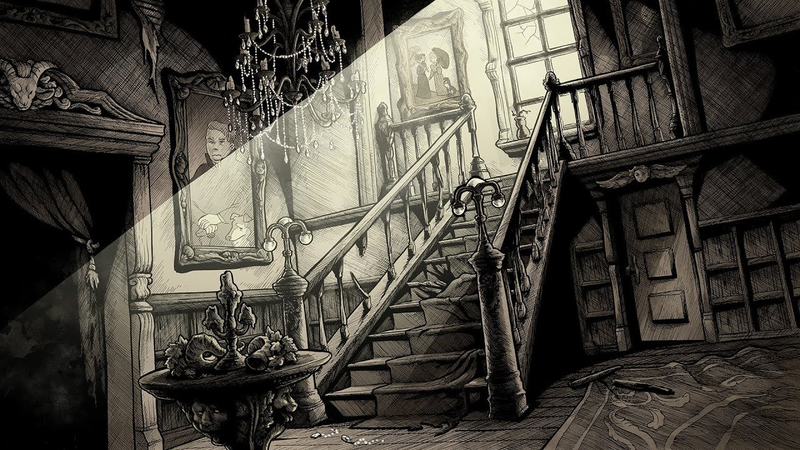
The article's later sections extend these findings to production and reception. It emphasizes that analyzing indie games requires attention to developer interviews and critical reviews alongside aesthetics, noting that Neverending Nightmares' Edward Gorey–inspired style was praised despite modest commercial success. It also observes that co-operative play in The Forest can shift the experience from fear toward social emotions such as happiness and trust. The overall conclusion is that horror games afford a range of emotional experiences shaped by player skill and mode of play, and that no single unified indie horror aesthetic exists.
Eludamos: Journal for Computer Game Culture · 2026
DiGRA · 2026