1 free read left. Create a free account for unlimited reading + AI research.
Create free accountReport DiGRA
1 free read left. Create a free account for unlimited reading + AI research.
Create free accountReportDiGRA
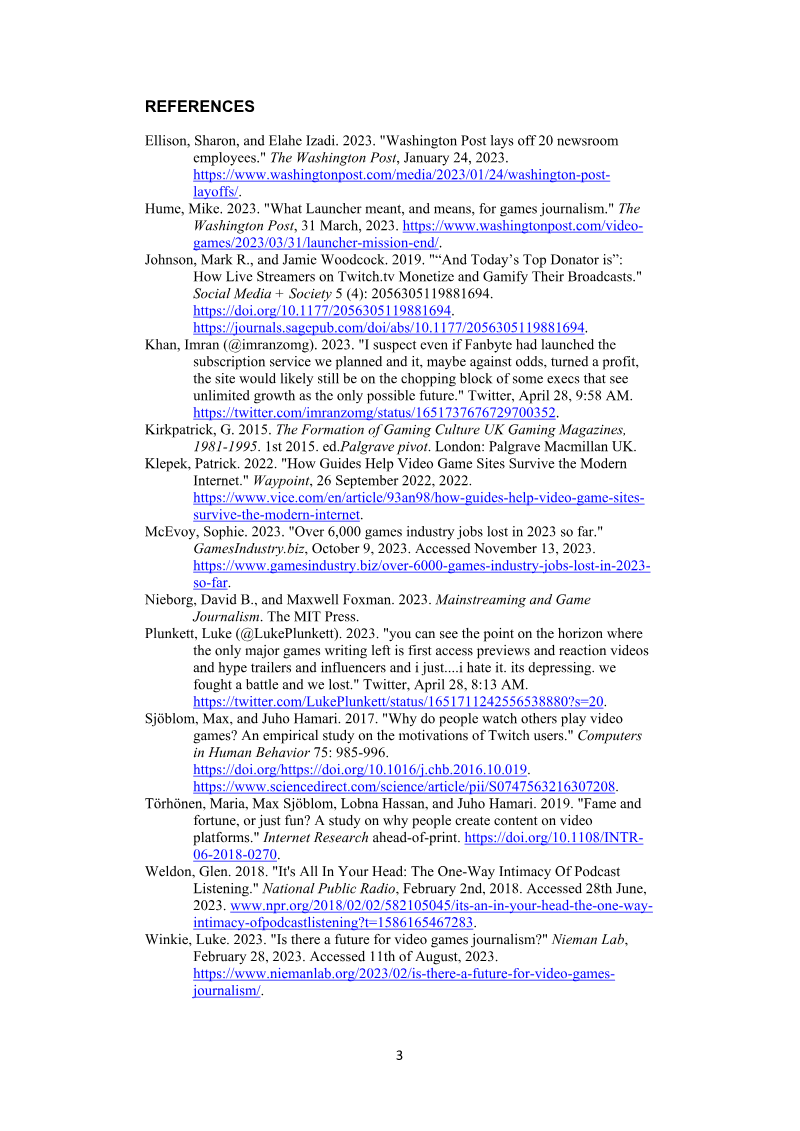
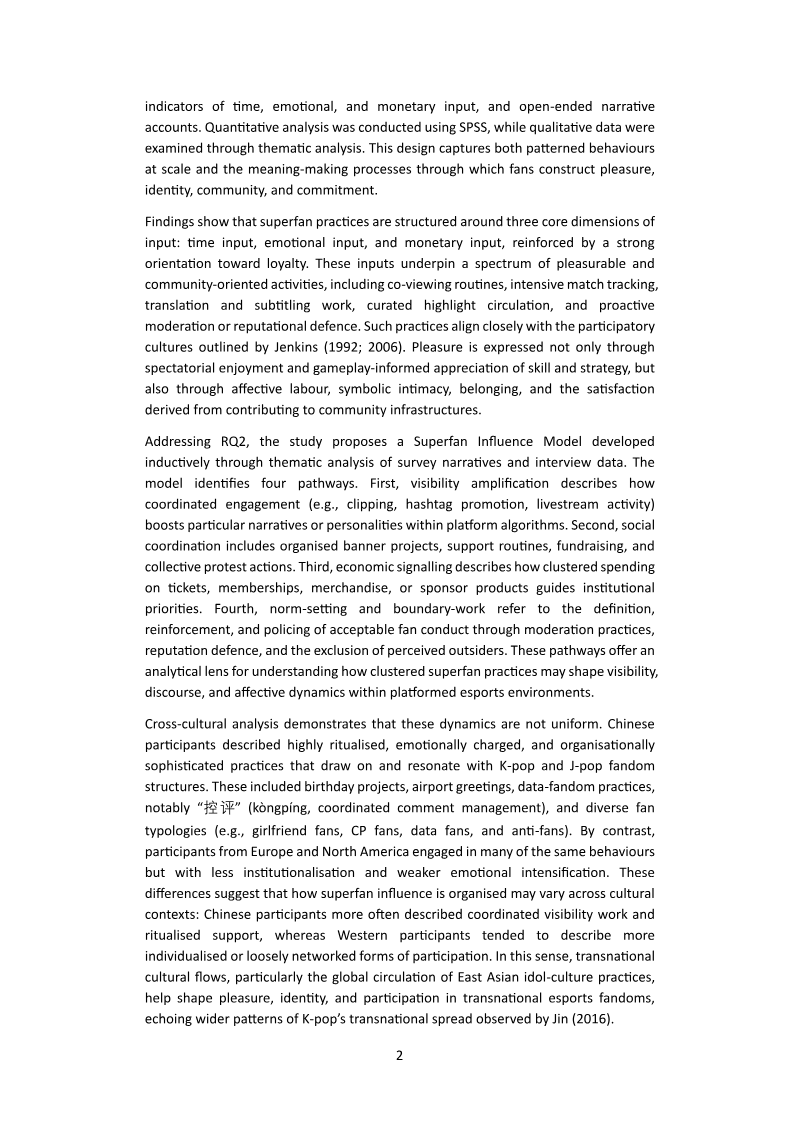
This doctoral study, presented at DiGRA 2024, is framed as the first sustained analysis of gaming podcasts on their own terms.
This doctoral research paper, presented at DiGRA 2024 and authored by Ryan Stanton of the University of Sydney, argues that gaming podcasts have been overlooked in academic study despite their growing prominence within games media. The author positions the work as the first sustained analysis of gaming podcasts on their own terms, addressing gaps around creator motivations, production processes, audience reception, and the podcast format's place in the wider media ecosystem. The paper situates this gap against a backdrop of declining traditional games journalism, shifting from magazines to websites and now to creator-driven formats.
The study employs a mixed methods approach with a grounded theory framework. Data was drawn from 23 gaming podcasts selected to reflect the diversity of the field. The methods included interviews with podcast creators lasting 55 to 140 minutes, a survey of listeners that drew over 2,000 responses and combined open and closed questions, and extensive listening to representative episodes totaling more than five weeks of audio. Because the data collection is described as nearly complete, the findings are presented as emerging rather than final.
Early results challenge the perception of podcasting as a meritocratic or democratic medium. Creators reported substantial labor involved in producing shows regardless of whether they were hobbyists or professionals, and they emphasized that pre-existing cultural capital and name recognition greatly aided success. Overall sentiment among creators was positive, with many describing independent, fan-supported production as liberating, in contrast to the precarity and layoffs affecting established games media outlets. Audiences frequently described feeling personally connected to hosts, a dynamic linked to the intimate, conversational "chumcast" style and to parasocial attachments carried over from other media.
Despite these strengths, the paper finds that few individual podcasts generate enough income to sustain their creators, who typically supplement their work with subscriber bonus content, other jobs, or video and streaming output. The author concludes that gaming podcasts reflect the broader industry's pivot toward personality- and influencer-driven content and are an increasingly important part of games media. The thesis is framed as both a foundational study and a call for future research into the format's ongoing role and effects.

DiGRA · 2026

DiGRA · 2026



DiGRA · 2026



DiGRA · 2026



DiGRA · 2026



DiGRA · 2026



DiGRA · 2026



DiGRA · 2026

DiGRA · 2026



DiGRA · 2026



DiGRA · 2026

DiGRA · 2026
DiGRA · 2025