1 free read left. Create a free account for unlimited reading + AI research.
Create free accountArticle GameRefinery
1 free read left. Create a free account for unlimited reading + AI research.
Create free accountArticleGameRefinery
It adds a layer of strategic depth to the gameplay.
Like choosing a different tool for a specific task, players can adapt their strategy to the level's needs.
Protagonist Choice. The game allows players to choose between Penny or Flo before each level, altering power-ups and board dynamics.
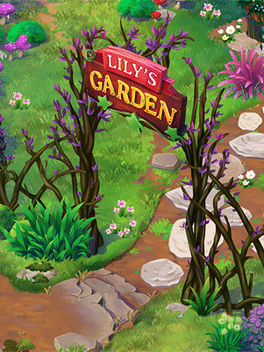
Penny & Flo: Finding Home, a free-to-play tap-to-blast puzzle game from Tactile Games, is presented as a well-judged sequel to Lily's Garden that follows a "more of the same but different" formula. The analysis, a guest post by Rovio game design lead Harshal Karvande, argues that the game succeeds by preserving the predecessor's narrative universe, theme, and meta loop while altering its core puzzle mechanics enough to feel fresh.
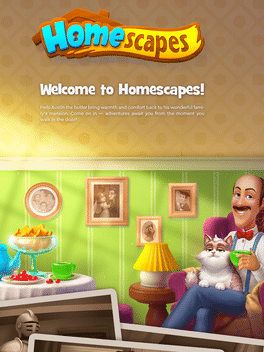
On the continuity side, Tactile follows the Playrix playbook, shifting from garden renovation (Lily's Garden, Gardenscapes) to home restoration (Penny & Flo, Homescapes) while keeping the invest, express, and expand loop and a story with mature themes. Its user acquisition strategy also carries over: short creatives under 15 seconds that dramatize taboo subjects such as infidelity and pregnancy, aimed at an audience that responds to adult drama. The game also extends the shared fictional universe in both product and marketing.
The key design departure is that players choose between two protagonists before each level, which changes both the purchasable pre-level boosters and the power-ups created on the board. Penny yields Line Rockets for 6–7 tile matches and Bombs for 8–11, while Flo yields Paper Planes that target level goals and Cross Rockets at the same thresholds. Matches of 12 or more tiles produce Magic Flasks for either character. Lily's Garden, by contrast, awards Line Rockets at 5–7 tiles, Bombs at 8–9, and Magic Flasks at 10+. Flo suits puzzle-heavy levels with hard-to-reach objects, whereas Penny's Bombs help when objects must be brought down the board. The choice also softens the frustration of failure, since players can retry with a different toolset, and the game sometimes recommends a character.
Narratively, the game centers on female friendship across generations, featuring Penny in her 20s, Flo in her 40s, and the elderly actress Daphne. The author concludes that this balance of familiarity and differentiation answers the central sequel dilemma of which elements to keep and which to change. A retention chart comparing Daphne, Flo, and Penny against D1, D7, and D30 benchmarks by age is referenced, but no figures are given in the text.
Each row is a game or company this document names, each column a document, oldest first. A mark means that document names it. Select a row to see those documents.
GameRefinery · 2026
Deconstructor of Fun · 2026
Deconstructor of Fun · 2025

Two & a Half Gamers · 2024

Extra Credits · 2026

Two & a Half Gamers · 2026

Two & a Half Gamers · 2026

Two & a Half Gamers · 2026

Two & a Half Gamers · 2026
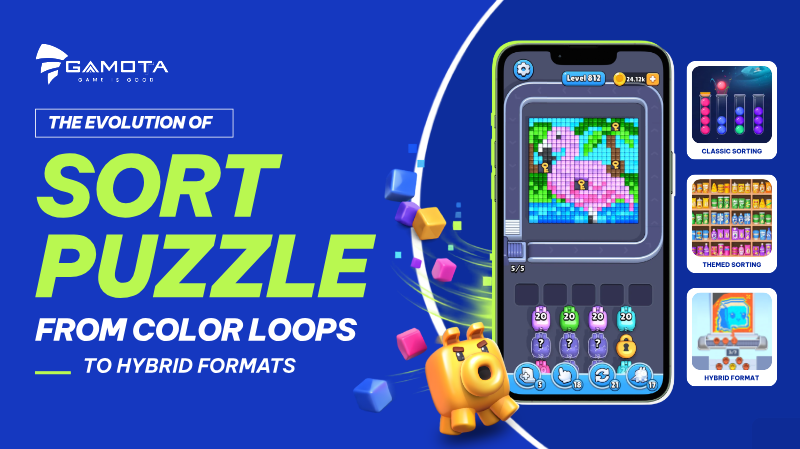
Gamota · 2026

Deconstructor of Fun · 2026

Two & a Half Gamers · 2026
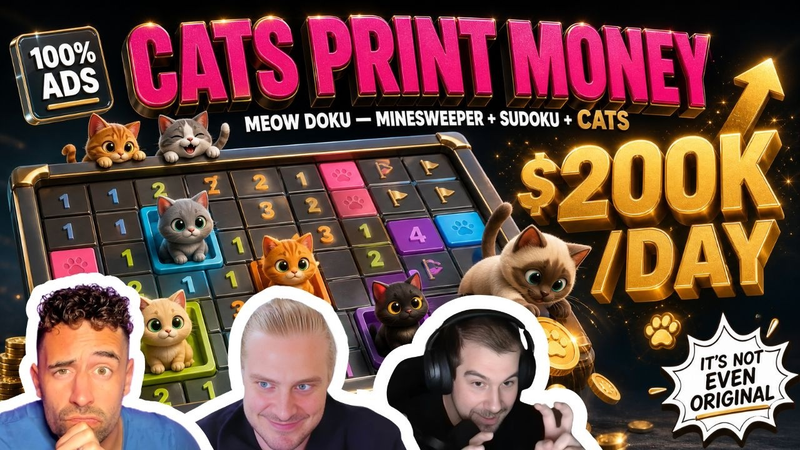
Two & a Half Gamers · 2026