1 free read left. Create a free account for unlimited reading + AI research.
Create free accountWhitepaper DiGRA
1 free read left. Create a free account for unlimited reading + AI research.
Create free accountWhitepaperDiGRA
The project argues that edutainment games made the technology accessible to children while easing the anxieties of parents and educators.
This doctoral research project by Diego Calderara examines the evolution of historical computer games in the United States, focusing on the emotional and pedagogical relationships they fostered between players, machines, and historical understanding. Its central argument is that edutainment games were instrumental in helping Americans learn to live with personal computers, making the technology accessible to children while easing the anxieties of parents and educators. The project builds on Danielle Bunten Berry's concept of "orientation," which she used to distinguish thing-oriented games, centered on the individual's relationship to the machine, from people-oriented games centered on affective and relational play.
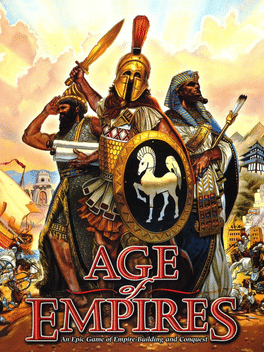
The research is structured across three periods and settings. It begins with classroom computer play in the 1970s, using The Oregon Trail as a primary case, then turns to the 1980s domestication of personal computers and the rise of the edutainment category through The Seven Cities of Gold and Bunten Berry's design influence, and finally considers the 1990s shift toward individual, bedroom-based play exemplified by Age of Empires. Across these sections, the author analyzes how games produced disorientation and emotional engagement as pedagogical tools, and how they moved people toward computers and each other within schools, homes, and bedrooms.
Methodologically, the project draws on the theory and history of emotions and on feminist game studies, particularly work on affect and domestic space. Its sources include archived blog posts, interviews, and designer memoirs, physical materials from American archives, educational reports, contemporary anthropological and sociological studies, advertisements, and personal accounts gathered from archived websites and social media. The work is presented as an ongoing project, with its findings and conclusions still in development.
Each row is a game or company this document names, each column a document, oldest first. A mark means that document names it. Select a row to see those documents.

DiGRA · 2026

DiGRA · 2026



DiGRA · 2026



DiGRA · 2026



DiGRA · 2026



DiGRA · 2026



DiGRA · 2026



DiGRA · 2026

DiGRA · 2026



DiGRA · 2026



DiGRA · 2026

DiGRA · 2026
European Conference on Games Based Learning (ECGBL) · 2025