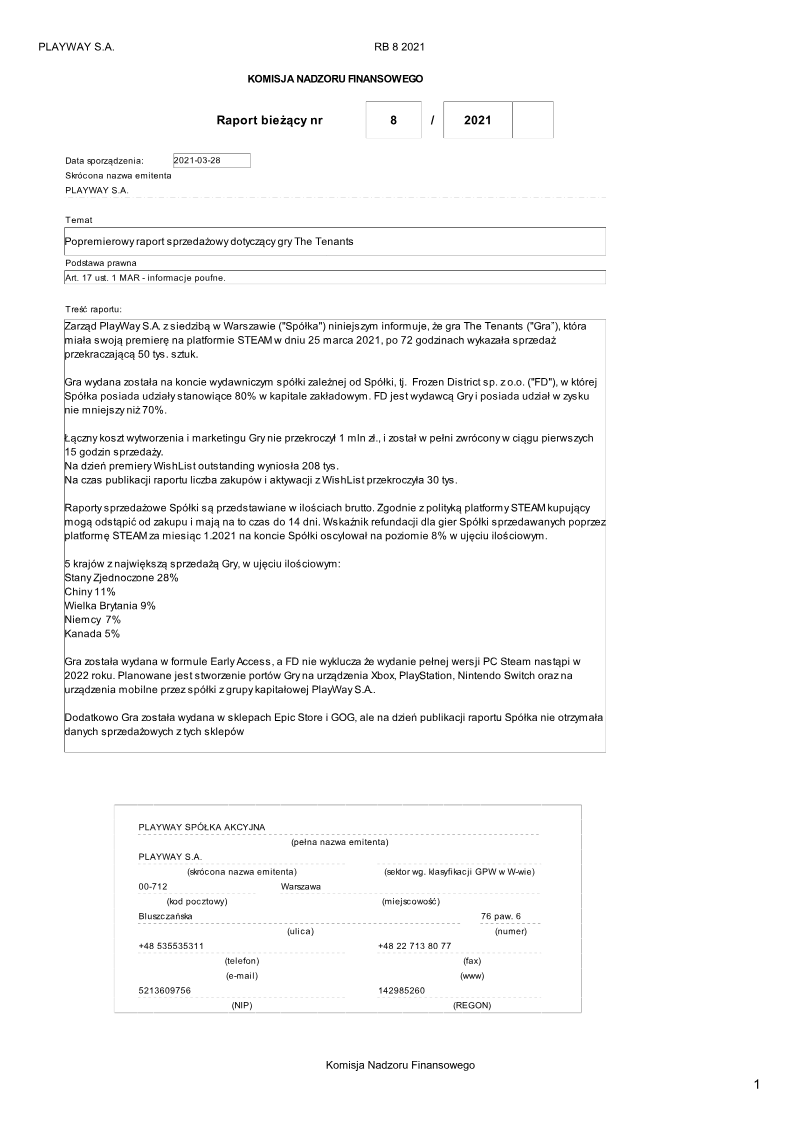
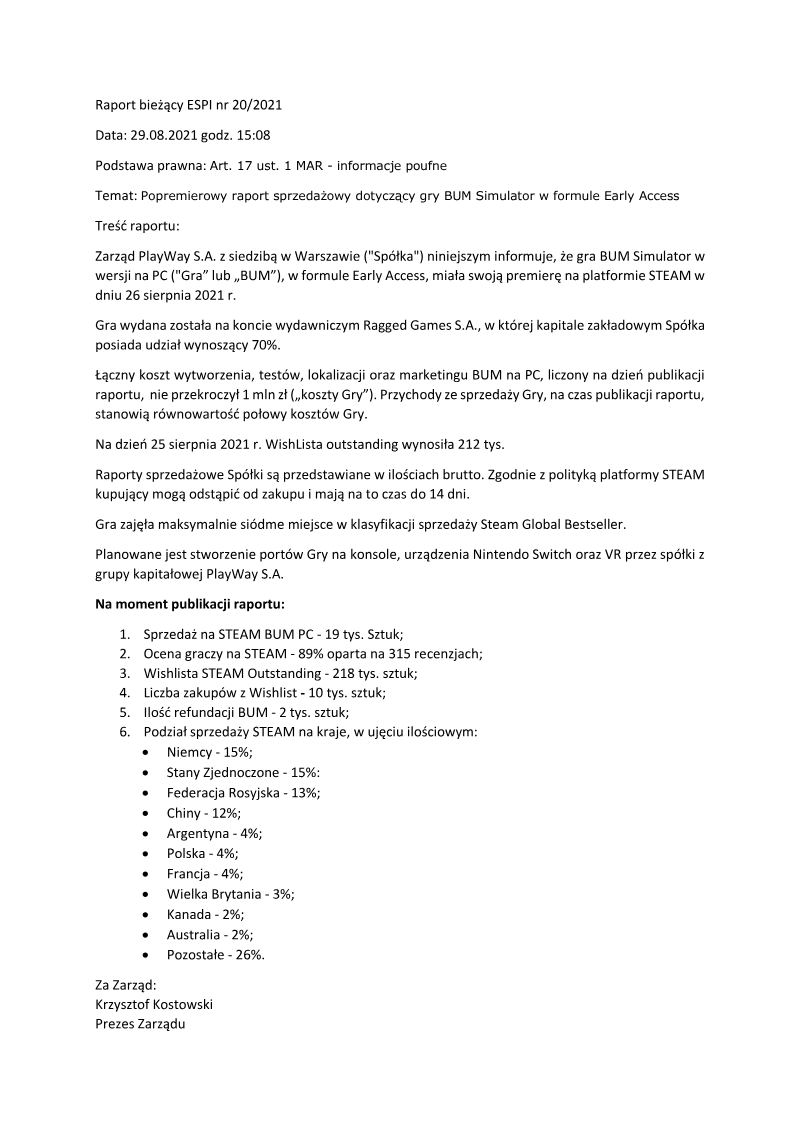
The current landscape for independent game development favors smaller, highly replayable titles, marking a period of significant opportunity for studios willing to pivot away from long-term, large-scale projects. By analyzing the success of the autobattler roguelike How Many Dudes, it becomes clear that development duration does not dictate commercial performance. Despite a modest initial reception, the game achieved 242,000 units sold on Steam within its first month, driven by a one-year development cycle and a strategic approach to platform visibility.
The findings emphasize that early wishlist performance is not a definitive indicator of a game’s ultimate success. While social media and viral content provide short-term spikes in interest, they function primarily as "kindling" rather than sustained drivers of growth. The most critical factor for long-term visibility is the activation of the Steam algorithm through a demo launch and participation in major store events. Specifically, the game’s decision to launch a demo during the Steam Winter Sale allowed it to occupy the "New & Trending Free" widget for 24 days, securing nearly 37,000 wishlists and demonstrating the power of store-bound visibility over social media alone.
Ultimately, the case study serves as a rebuttal to the industry assumption that studios must continuously scale up project size to remain viable. Established teams can achieve their highest concurrent user counts and financial success by returning to smaller, focused development scopes. This strategy not only mitigates the burnout associated with multi-year production cycles but also allows studios to capitalize on the current market appetite for concise, high-quality indie experiences. Success in the modern era is defined by agility and the effective utilization of platform-native discovery tools rather than the sheer scale of the production.