1 free read left. Create a free account for unlimited reading + AI research.
Create free account
Panel: Working with Publishers from Different Cultures
Key insights
5 takeaways- 01The global gaming industry is valued at approximately $170 billion, with the COVID-19 pandemic driving a 30% surge in engagement that necessitates a shift from simple translation to deep culturalization for long-term retention.
- 02Emerging high-growth regions like India and Africa are mobile-first landscapes that require developers to account for unique infrastructure constraints and a strong preference for free-to-play models.
- 03Monetization strategies must be tailored to specific regional behaviors, such as prioritizing high-value in-app purchases in the GCC versus advertising-heavy models in India and France.
- 04Partnering with local publishers is a critical strategy for developers to navigate complex regional regulatory environments, manage attribution, and overcome technical barriers in diverse markets.
- 05Successful market entry requires nuanced cultural adaptation, such as integrating local sports or festivals, to ensure content resonates with mass-market audiences in both established and emerging territories.
Ask AI about this video
Transcript
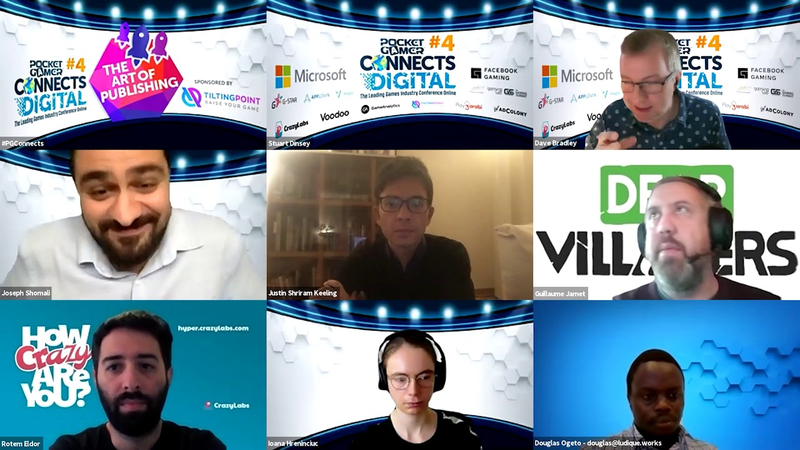
we've got a panel which is going to discuss um working with publishers from different cultures um it's quite a large panel so there are a number of people being patched into this conference it's going to be hosted by dave hello dave how are you hi stu i'm well how are you i'm all right has it been a long week you've been doing this since monday oh yeah absolutely and you know uh today is going to be a long one as well because we've got the launch pad event later on as well so it's an exciting week but yeah it's good we've got another day tomorrow uh but it's been going very well i think uh see it's you've been looking forward to the most this is the best panel right absolutely well the art of publishing is a it's a fantastic track always and um and i've got a great panel here a real international lineup which i'm really excited to introduce to you okay well i'll get out of the way then
and i'll let you uh introduce your fantastic panelists great thank you thanks jim welcome everybody and i hope you're enjoying the art of publishing uh track so far here this morning at pocket gamer connects digital four um we uh have a great panel here um well i have as you said i've been very much looking forward to you it's my pleasure to introduce them so the panel you're watching now we'll go for about uh 40 to 50 minutes we'll um we've got plenty of questions lined up but also if you're watching this and you have questions for our panelists please do drop them into the q a box at the bottom of your zoom window and i'll curate those and um and put them to the to the panelists later so this is the working with publishers from different cultures uh panel um in 2020 it truly is an international games industry it's um what are we talking about now the latest news figures 170 billion dollar potentially international uh games business um and the barriers to entry and
publishing have never been low we've been talking about it a lot this morning but you know you can develop a game anywhere in the world press a button and uh have players on the other side of the planet playing your game but that also makes it not only more competitive but also makes it means that you have to be mindful of the different territories where your game might be placed not just language there's regulations in every country possibly even cultural differences that you have to be mindful of when releasing your game so we've assembled uh a great panel of people with insight from all over the world it's my pleasure to introduce them and i'm going to put some questions to them about well what the local market is like uh what publishing looks like in their region so i'm gonna i'm introduced i'm very happy to have here i've got um guillaume from plug-in digital i've got justin from uh lima k fun i've got douglas um from new geek works i've got ioana from game analytics i've got joseph from playgaraby and i've got rotten from crazylabs uh i want them to say a little bit about themselves now so what i'm gonna do is i'm gonna i'm gonna bring them in uh joseph let's start with you if you don't mind um can you just say a little bit about yourself um
what role you have your company and which territories you primarily do business in and we'll go around i'll start with you joseph yeah thank you thank you dave um nice uh being gonna come with you again it's great uh so i'm joseph from clay arabi we are a publisher that that focuses on the mina region specifically the arabic speaking markets um so i'm i'm one of the founders uh currently the the ceo of the company um so i'm i'm not super expert in a lot of stuff but uh yeah but when it comes to our region uh which is a bit different uh i had a session about it uh earlier during the week uh so yeah happy to be here great thanks joseph fantastic um and justin uh what about yourself can you introduce uh your role and uh and where you're based and where you operate sure thanks dave uh yes i'm justin uh i'm representing the india market but
i'm currently uh tuning in from tokyo where i've been stuck to you to covert for the last six months um i'm not complaining about at all um i've been in the games industry for about 18 years about half of that in global markets and half in india mainly as a founder operator building media publishing businesses production side businesses and more recently m a and venture financing i'm actually not a publisher but i have background in publishing um i'm the co-founder and general partner of lumikai fund which launched this summer as india's first gaming and digital media vc uh we're backed by some of the largest game companies worldwide that are investing into india for the first time many of whom are publishers uh and uh very glad to be here with you guys great thank you um that's and in fact all experience irrelevant i think everyone here has a slightly different background and in fact for the people in the audience watching who maybe are developers or publishers insight from all areas of the game's
business i think will be relevant um guillaume uh let's uh let's let's go to you next uh tell us a little bit about yourself and your your role in your territory sure i'm the head of kubishank for plug-in digital that means that i i do manage both saw publishing branch we are well disabled edges right here and we announced a new a new level last week which is which is called pid publishing so mainly i'm managing publishing for pc console mobile games on wednesday western markets so europe and the u.s mostly and we also have a division in china because you know china is a very specific market so we office we opened a subsidiary there so we are able to to work there that's great yes i'm sure we'll talk about china later on uh fantastic thank you douglas let's go to unix i'm working my way around my zoom screen and i know it's probably different for everyone the way that they're organized so douglas uh yeah i'll come to you next so what's your role and uh and what territories do you work in
uh thanks sir dave my name is douglas ghetto i'm calling it from [Music] which is africa's favorite video game publishing company um our market primarily for now is africa um where we are sector agnostic supporting um anyone any good game developer building mobile pc or console game but my background really is in a business advisory education um and mostly uh you know business development so happy to be here and looking forward to sharing more about the insights from this lovely part of the of the of the world perfect thank you douglas and yes so uh ioana i'm coming to you next uh if i may so uh you're from game analytics yes tell us a little bit about your role and where your territories are so i'm the ceo of game analytics we work i mean so far we've tracked more than 100 000 games globally we truly do have global presence so we have players and um studios on every continent um
with of course you know there's a certain distribution but apac for instance is to us equal to the to europe and the us uh in terms of size so um and again but we also see um studios in latin america in africa in the middle east and so on so i think we kind of capture a bit of what's happening all over the world uh and have a global perspective but i wouldn't say we're experts on any individual region at the same time uh where are you zooming to us from today are you based in london yeah yeah i'm based in london um and the game analytics team is split between uh london copenhagen and the world right now as we're becoming more and more remote absolutely thank you uh and uh then rotten i'm coming to you last of all um last but not least can you tell us a little bit about your role and where you will operate of course um so my name is autumn i'm a publishing manager here in crazylabs i've been working in the gaming industry
for about eight years and i'm a gamer since i'm a child the company itself publishes games all over the world from studios all over the world and of course we have global presence our main offices are based in tel aviv which is where i am now we also have offices in china macedonia germany and ukraine and we also have gaming hubs in india and israel the gaming hub in india is the one that gave us and our latest success which is acrylic nails you can see it in top charts basically since uh september so we're publishing games from all over the world and of course we distribute it to everyone absolutely well that's great thank you very much for introducing yourselves lovely to have you all here and a real international insight into it which just goes to show as uh as so many have said here that companies have international interests that's very much the case but um let's um let's talk a little bit about the games markets in your region then um
we have potentially people in our audience today who are working on a game and want to publish it in another part of the world let's talk about um uh about the kind of relative sizes of markets uh and and where success can be found um because um there's uh there's a lot a lot to get around what i'd like to do is dive into my first question and just ask can you give a little bit of an indication of how big the market is in the territories where you operate those who uh operate in a number of territories maybe feel free to give us a a broader overview but how big is the market and an additional question has it been affected by the covert crisis and i'm going to put those two together because uh that's something that comes up so i'll tell you what i'm joseph i'm going to go and dive into into your region first um can you give us a little bit of oversight into how big the um the market is then in the uh in the mena region and has has covered changed that well that is that is haskell retreat that is a very interesting question so it is it
is a it is known to be the fastest growing market in the industry and you know a lot of reports are mentioning that it is very hard for me to put a number on it because it's very interesting some some people were reporting anywhere between 2.3 billion dollars in digital up to 6.8 that's a very big range which basically tells you you don't have uh reliable data uh but that's sad but true um i am i like to you know to just look at that at the point that it's it is going very very very fast yes it has been growing rather faster recently according to a new zoo report affected by by covet however in what we work with in play rb is mostly mid-core and hardcore games and and i think if you look at the person personality of that player these people they were already very dedicated to playing games before the cover then it's pretty hard to recruit them over we see a lot of new gamers coming uh
so which which which definitely increases the size so it has been it did uh get a positive effect some sort of in in terms of size but most of these are are our new gamers um you know yeah okay that's interesting uh the fact that it's brought in new gamers is interesting yeah i've heard it said that mina is um uh the potentially the fastest growing region in terms of gamers in in the world uh we have some dedicated content about uh the meena region tomorrow i should say tomorrow morning so i'll be back again for that so maybe we'll see there so let's uh let's talk about actually douglas i'm interested in talking about the the market where you are um in uh you're based in nairobi there just like i asked um joseph can you tell us what the market's like in your region how big is it and has it been affected in in 2020 by kobet uh thanks uh dave so excuse me yeah so um we have been affected by kobe but uh possibly in that more positive kind of
way um you know we've seen more people get into gaming you know more people have been trying to figure out you know other avenues for entertainment so we're happy to say that um you know we're getting we're seeing more interest in gaming what um you know what gaming has to offer um in terms of how big the market is i'd say it's probably shy of one billion right now if it hasn't been crossed um you know just like joseph you know africa is usually paired with the middle east uh but slowly we we believe that you know uh we time africa will be able to stand by its own um i'm happy to say that you know unlike other continents um africa is unique in the sense that um as of uh 2019 uh you know we have seen over 477 unique mobile subscribers um you know in terms of people who actually have mobile phones um 272 of this have mobile mobile internet users and what we see is that by 2025 200 of 272 of this will have grown to
um 475 million so you know that's a very positive number um for those who are actually looking to build mobile games um i'm happy to say that you know 27 of these connections uh will be on 4g uh with three percent uh being estimated to be on 5g um and one interesting outlook is that you know by 2025 africa will also have the largest number of youth um under 25 years so if if we take the demographics of you know the number of mobile visas the young people and the games being building then this is definitely something that will lead to the growth of mobile um gaming but also mobile gaming on the continent yeah absolutely that's interesting about the demographics um uh let's let me go to um let me go to guillaume next um again can you um give us a little bit of uh an introduction to the market in your region its size and and how it's uh changed this year perhaps
i can i can tell you specifically about france because uh we actually have a studies that was published last last week by the cell which is the french union for companies working in the in the in the video game industry uh actually it shows that 30 percent of people played more during covet than before and i would say what was more interesting almost 40 percent of those people said it was a way for them to keep contact with their friends so i think that's always a nice nice thing to say about about our industry it's also about you know playing together and for us i would say globally because we have global number uh we we show we are we are selling mostly in the in europe and the u.s and also in some asian markets and we globally saw like a 30 percent raise of our sales compared to last year during the curry you know the the first
uh q1 and q2 when people were knocked at home so we we we've seen a clear race of people playing games that make sense in some way and and compared to other industry i talked to a lot of my friends we work in other industries and we are kind of lucky because many people suffered of of these situations but in the video game industry cannot complain because we kind of we are kind of beneficiary of this uh context yeah absolutely i think the um the games industry and perhaps uh streaming tv as well have uh have been uh beneficiaries of the of the situation but as you say for positive reasons i think is keeping people together um let's go to um let's go over to tel aviv and uh rotem uh what about in uh your region now you're um uh you're based in tel aviv but to give us an oversight into the size of the market that you operate in and again i'm assuming it's been affected positively by covert but any insight you've got
there would be good as well so uh we're in the stitch between europe and in the middle east uh basically we are based in the middle east we don't see uh a huge activity of at least hyper-casual gamers in this area most of our sales of course are coming from u.s then europe and of course southeast asia we do have a big industry in terms of gaming in israel um we have big companies like platik and plarium and of course uh the hyper casual studios that are popping out uh as gamers ourselves we still wake up every weekend and play with our friends on pc games online and that's been very fun regarding of the kovid effect so of course like everyone we did see initially big jump in downloads and of course organic downloads uh starting late march into early may after that we did see a bit of a
regression back to the average um we can guess that you know when people use less or time in the bus or standing in lines and they don't have these spare five to ten minutes to play hyper casual games they use it less personally if i have a spare two hours now i wouldn't play a hyper casual game i would play a pc game something more heavy um but we did see that of course regressing back to to the numbers that we see the major you know benefit of us turning to non-gamers is that we have specific game times when people play so if it's waiting for something or having spare 10 minutes or watching tv netflix we did see an increase in current correlation between these uh points in time where people used to see watch tv and play hyper casual games um and of course you know we can't complain too much
that uh you know of loss or gain of of users and value since the gaming industry was one of the major beneficiaries of this uh of this cov19 pandemic yeah that's interesting about how people's playing behavior has changed you're right those those territories where there's a big commuting culture they've seen a change in the way people you know play maybe previously played games there but uh yeah second screening in front of netflix or something has gone upright and certain types of game have benefited um uh justin is that true of um the indian market where uh where you're an investor what's the what's the size of the market there uh can you give us a bit of an overview and and and how coverts affected it sure i think there's a lot of commonalities with what we've just heard i think you know india obviously is a is a very large-scale market um and um you know joseph and i can arm wrestle about this another time but you know we also hear that india is the fastest growing games in the world um i think you know and and you know because we're not a publisher
we're a fund we have a fairly kind of top-down macro view on the market and and as of last month i think you know in terms of the overall market numbers we have about 370 million gamers now in india um 80 of those on mobile it's a mobile first market driven by reliance jio and 4g um the rest is split between pc and console in fact this year india overtook the us to be the second biggest game download market in the world with six billion downloads uh so it's number two up to china uh so we have massive scale um the flip side of course is monetization has traditionally been low we're seeing signs of that changing we can maybe come on to that later yeah definitely um in terms of covid um again it's it's really around the sociology of the country um you know broadly and we've spoken to 300 game companies just this year and so just based on that sample size you know it we've seen an increase in usage of between 30 to 70 percent uh depending on the
genre and again this is kind of tied into the sociology of india and i think for indians specifically and india has been hit pretty badly by covert so we're seeing um you know people coming back home going back to their home towns um family culture is very big in india um we've seen a thousand percent increase in searches for multiplayer social games games with family games with friends um and so you know i think specifically for us um we've seen a massive spike in the number of downloads engagement um and also just exploration as it's an adoption market at the moment um specifically in social and multiplayer games and i think that's interesting because you know even though we have a large number of gamers three 400 million now there's still another three four hundred billion to go and so you know india is kind of in an adoption phase at the moment but but i think the result of covert has been that you know the speed of adoption has increased that's it's an acceleration
story um and you know with that the social graph was being built out faster um so i think you know broadly you know size of the market um you know obviously massive scale um there's also you know it's an increase in certain genres i would say more focused around social gaming um and i think you know more broadly um i think that's having really interesting and you know this is again kind of a separate discussion perhaps but we're seeing some really interesting new genres pop up in social specifically which are quite unique i think to the indian digital sociology because you know india again you know we don't have a culture of gaming that stretches back to 2d 3d you know we didn't get introduced to gaming over 20 years most of these 300 400 million gamers kind of came online in the last two or three years they were introduced to gaming social media facebook whatsapp tech talk all at the same time and so the proclivity of indian gamers to be social right from day one is i think a lot
higher um than in uh than in other cultures and that's something i think that's quite unique about india that's that's fascinating and absolutely i didn't realize that it was such a um so it's a recent introduction to gaming for so many people because obviously i'm based in the uk i'm zooming to you from about 100 miles outside london and my experience is uh the people people have had a game culture here since the 80s kind of thing and there's a big kind of console experience here yeah so what i'm going to do i'm going to come to you i iowa and with game analytics perhaps a little bit of an overview of everywhere is your experience of all the different territories that you operate in match what's been said here we've discussed some common answers there what's your sense of the market and how it's been affected by by co-word and the sizes of what people have been talking about yeah so we saw uh changes kind of happening with covet so as kovitz swept let's say from east to west then there's kind of there was this following wave of new gamers coming into the market um the impact was interesting i would say it's something that's been said already and
that i would echo is that um behavior of existing gamers didn't change that much but there were a lot of new gamers uh coming in uh which led to a significant increase of total time spent playing in the industry so it was i think about 30 percent at the peak of the lockdown in march in kind of europe and the us it was happening at the same time um and we did see like similar impact in apac but that started earlier um and so on so and then it kind of stuck uh at around 15 uh extras of the industry just stayed for a few months at a higher level than it was before and then it kind of started going back to normal we saw it around august so around holiday season and then but really in earnest when schools started so when school started you could see just the clear people um just going back to the weekly pattern of you know five days not playing as much and then playing at the weekend
for the whole of the summer across the industry there was just kind of a flat line like there was no weekend seasonality almost which was very interesting for us i would say that was different in region by region and aipac there was more of a seasonality of weekly seasonality and in the west somewhat less so that's one of the things we saw one of the other things we saw is that this affected the games very differently so we mentioned this but retention was dropping so it really seemed like as an individual studio maybe you were benefiting especially the top studios seemed to have benefited um but there was also a possibility that because people were cycling through more games you would actually be negatively affected even if the industry as a whole was positively affected so there could be that if you weren't super competitive your traffic would get eaten up by other games that people were trying so i would say that there's this of course this message that yes the
industry is growing uh but i wouldn't be surprised if some studios actually struggled a bit or they found that they were getting new gamers as part of this wave of people trying stuff out but weren't able to keep them especially those organic gamers that was just were just kind of playing around let's say right right right people kind of snacking and spreading their attention across across different things yeah um uh so we're um obviously there's so there's so much to cover and and time is short i'd like to skip ahead to some kind of aspects of the market to do with doing business and talk about monetization a little bit and i i suspect that um from region to region that there's some difference in how games are uh how games are monetized how people spend money so let's tell you what let's go to uh douglas first in nairobi um douglas um can you give us a bit of an insight into how games monetize in your part of the world do people spend money on premium games or is it a free-to-play market what's your experience um for us uh africa is largely uh free to play uh most of these developers
are looking to monetize uh from in-app purchases and in-app advertising um you know for the most part most of the games from the continent are android-based games but most of this game developers also build like other versions uh ios version for the international market but i'd say mostly android games we've seen apple also recently set up shop on the continent so we do believe that you know with their presence on the continent this will help uh perhaps see more monetization um strategies uh coming come into mobile right right at least um that that's uh when it comes to mobile games um i think for the pc um and console that's uh you know premium games um so you know for this type of for these two categories um their strategy will definitely be a premium and then maybe with with an angle of in-up or micro transactions right in that in that regard yeah right right right that's interesting and the um
so you see that apple just setting up up there at the moment is the the biggest um store for mobile games google play or is there fragmentation how how do people how do people get their out there or their mobile games um so most people get the games through the store so if you have android that's play store uh um so we don't have an in between um for this market yeah right got you nurse i said i'm i'm gonna come back to you um because apac region um am i right in thinking there's still a lot of fragmentation of um uh uh uh of android stores and mobile in um in in asia what's the what's the the kind of main way that people get their games still in um uh in the east yeah so we um we spoke a lot about uh india and also china so i i think and the fact that china is still you know the largest player market so you know china is pretty much in volume as big as north america and europe combined um
and together i think only china and india have more than a billion gamers right now so just getting those two markets right is just massively important um in terms of china the majority of the market like is on android um and the majority of studios are and and publishers are not on android and china um which is a big uh it leaves a big gap right there about 500 million uh mobile game gamers on android and china of course these pla these people are playing of course they have games and some publishers and studios in the west are experimenting with this um but it's not been i think yet truly done in a meaningful way we can see this move with people now setting up offices starting to hire locally and starting to go after this market uh what we know was that in general for platform providers um you know like all the other android stores the huawei's xiaomi's oppose uh oneplus and so on uh
the way that that gap of content was filled was essentially by copycats uh so people would see like a successful game in the west copy and release it on android and china because the publisher wasn't doing it themselves um and it kind of led to this thriving copycat market um and then you know you could even publish some of these copies back in the west and and so on um i would say that kind of getting an ownership of that market is probably the next big thing in the industry like you can tell people are setting up shop and like the next area of competition is is over there um in this space but it's very difficult primarily due to the monetization so all of these different platforms have different modernization services they're not all supported um you know by current mediation tools and so on necessarily that people use so it requires adopting a whole other uh tool set essentially to just monetize android players on non-google play stores in china and to measure them so the other thing
is that of course attribution is a lot different there's no standard google id that people can refer to and this means that tracking is then somewhat different in that industry as a whole um so it's important to also consider that you won't be able to monetize yours won't be able to measure in the same way and having a dedicated team is very useful to get a handle on that yeah absolutely that's interesting i think that there's um we'll come on to about publishing with a business partner in the region i think shortly but i just want to take some points that you ran with there about monetization go back to justin and talk about your region there um can you give us a little bit of an insight there into how people monetize then in in india as well is it is it similar to um the way that um ioanna was talking about in in uh in china what's the kind of market like with regard to stores and how people make money from games yeah so uh i mean india is primarily a play store android market uh that's you know 95 percent uh the the balance being
well let's say 90 the balance being uh ios and um we also have you know fairly healthy super app economy um you know in early stages like where china is going ktm geo which is one of the telcos over there um we also have a pretty healthy side loading market around a category called real money gaming i don't know if you guys have this in your territories but real money gaming is you know a multi-billion dollar gaming industry in india where it's kind of like skills you basically have people wagering you know five or ten rupees that's like maybe 50 cents or or 10 cents on the outcome of a game um and i think you know that we've seen some unicorns emerge in this space so i mean this is something which because it's real money gaming it's not on the play store but we have spoken with developers who have taken their their legacy games their catalog games put them on some of the real money gaming platforms and have had five six hundred thousand downloads within a day or two and recouped their entire development costs within that period
i think play store is there it's you know primarily advertising based there is an increase in in-app purchases um you know i think it's it's very broadly i think in advertising markets still but if you're building with some of the more sophisticated game matters you really understand how to integrate iep into your game design then some of the studios we're looking at have maybe 30 40 iap but broadly it's still advertising but rmg is something which we're seeing a lot of developers now monetize very quickly through and that's not that's not on the play store that's not on ios that's interesting that's very interesting um uh you know what i'm hearing lots of topics here that i think we should probably come back to in a pocket gamer.biz article for for reasons of time here so we'll talk about that joseph i'm just going to come over to you you mentioned at the top of this panel about maybe some lack of data perhaps in in in the region which which um uh which makes it hard to track these things but what's your experience of monetization then how does a game launching in uh in the mena region primarily monetize or
you know what the your experience there so um while the munition is is one region altogether it's it's also divided into sub-regions in our uh in our focus so there is parts of north africa and even we treat egypt differently from the rest of north africa there's gcc there's the want and each monetizes rather differently uh most of the revenue generated and and uh that you the people generate from religion is coming from the gcc gcc would be countries like saudi arabia kuwait uae are the gcc countries uh in there um you you make money by in-app purchases basically it's it's it's close to eighty percent in our 20 ads and and uh an example would be uh saudis being reported to have an average young prepared user of over 200 so 270 dollars for that and we're seeing
it in our games so it's it's a it's a it's a place where you make money from in-app purchases other countries have lower gdp per capita less ability to to make purchases sometimes or less technology and and and all that it makes it harder and adds a good way to make money uh still you would make most of the revenues in in in the gcc um yeah basically um when it comes to premium premium hasn't done very well in our region right uh i would say specifically because you know you cap premium with uh two ten twenty dollars maybe and you obviously can make a lot more uh using uh free to play business models um another interesting thing we still have rather low conversion rates uh so the um high rppus is actually very helpful in a in a region with somewhat low conversion rates which is why fl is flipping the entire site towards
inapp purchasing rather than uh advertising because again yes lower conversion rate but a lot higher average journey preparing user results in actually making more money in in in-app purchases right right that makes sense and um you're uh in geographically quite close rotten but um but but the market is different what is it is your experience the same though what what's uh what's your experience of monetization and what advice do you have for people about how to make money in your region so first origins if you're looking at our country uh it's very small it's about 8 million people so i wouldn't trust it as a major fund for monetization we do mainly see people monetizing through ads and this is something that is very of course in our industry in the hyper casual industry which most of the money is coming from either interstitial ads or rewarded video ads without you know it being too intrusive in-app purchases are next to nothing of course there are
many premium games that people play here but when playing those uh free-to-play games they trust less the in-app purchases and prefer monetizing through ads or watching ads no that makes sense and and guillaume is your primarily your business model advertising or in-app purchases what how do you how do you monetize oh you're muted still i think that's never sorry for that uh well as i said before i mostly premiere myself as as we said pc in customer games and even on mobile we mostly have premium games even if we do have a free uh a few free to play that are working quite well actually um but i would say on my side premium is quite a clear and obvious way and on on the french market to be specific with that i would say consoles in value is still the main uh market uh for video games also
because you can't control itself yeah so it had the value uh to to to the to the to the market uh so console is clearly mostly uh premium also uh but if i come to mobile gaming i would say the trend is is likely to be uh more free to play and so when we when we come to mobile uh free games uh mobile free games we mostly monetize with advertisement too and even if we are as i said we are trying to be efficient with a large portfolio of premium games on mobiles and we we do manage to monetize that but what we do there is not the what everyone does most of the studios in france sell their game for free and monetize with the in-term selling and advertisement we try to have a nice premium uh portfolio on on mobile and it's working too but it's i'm not another good example right
let's i want to remind everyone who's watching this that if they have uh questions for the panel they're welcome to drop them in the q a box at the bottom there or i should say look for our panelists in meet to match and and on discord as well so i'd like to talk a little bit about doing business in your uh in your region um i'm kind of mindful of the fact that for instance some territories like uh let's say china i'm i i can correct me if i'm wrong but i think in china it's impossible to self-publish you know you're gonna need a local network partner in order to get your game out there but um but but even if that's not the case in some territories uh as we've heard this morning on our publishing track uh a developer working on a game is is often best uh best served by by partnering with a with a publishing partner to get their game out there what are the what are the pitfalls of doing business in your region all the kind of tips and tricks of um does a person need to have a publisher um to publish a game in your region uh and is there a certain way that that business is done do you
simply go to a conference like this and and meet a publisher there uh so let's talk a little bit about this how should a person approach doing uh doing a publishing deal in in your territory i'm going to come over to you joseph um first of all talk about mina again um is it essential to have a publisher if not if someone in the audience here is working on a game and wants to get it published in uh in the gcc region like you said do they must they have a local partner and how would you advise they go about finding one i mean um i am a publisher so i'm probably gonna have to say you can plug it you can plug yourself that's all right yeah yeah here's the thing um if um if you're not from the region it would be very difficult so you need the experts from the region whether it's a publisher or your entire own team or not so that's what we um firmly believe um of course if you're that means a publisher can generally be a great partner whether it's in publishing or co-publishing and there are a few active in the region uh
including ourselves uh babel stef france pablo and tomato that are actively publishing in the region with the different games and different focuses uh you can reach any of these publishers in conferences or or you know even reach out to them um yeah but i would actually be one to say it is not just about our region it's about different regions so if you're going to china i would say you should work with someone who has expertise on the market there same goes for india for example uh if we ever want to go to india i don't think it it is reasonable to do that without having actual regional or local partners same goes for a lot so i'm someone who believes that um while you can have a great success as a global game if uh if if that game has uh if that game is presented differently
has a few changes that fit a certain culture regulations and all that it should uh perform better in that uh in that place yeah absolutely i mean it's not just the um uh the language but also the local local regulations and as we've discussed here the local way of monetizing as well perhaps the game your game is not developed in a way that fits locally and um douglas from your experience um you spoke a lot about the um uh the growing african market if someone had a game that they wanted to to bring to your region uh again is the region receptive to games published outside the territory or is a local partner essential um i'd say both both options work um currently at least for majority of the continent is english speaking so if if either you are a self um you know self publishing um or or you are a publisher um you know you could either work with a local partner at least to help
distributed in the continent uh but also given that majority of the continent is english-speaking means that adoption is actually quite uh much much more faster um well because the continent is a bit uh segmented into you know most of sub-saharan and west africa is english-speaking um and then a bit of west to the north you know that's both english and arabic um and then we have like a small uh portuguese speaking french when you move down down south um so depending on what genre or genre or and what language you're publishing um will determine you know what option are you able to take but if it's for the most part uh english and french uh then one has the option of either you know publishing with a local partner or publisher or then doing it yourself yeah yeah that makes sense yes so so there really isn't much of a hindrances it just depends on what the strategy is at that particular point yeah
absolutely um uh justin um we we mentioned there about the the um the the market languages um the the indian market for for games um just out of interest is it is it receptive to english language games or is there a lot of localized language gaming going on and and also if you could maybe speak to how someone should go about publishing in your region is it is it best to approach approach a local publisher and if so what's what are the what best advice do you have about finding that yeah so i think to your first question uh i mean india is massively diverse in terms of population culture language um and so and obviously very large scale so i mean you know broadly i think you we divided into t1 t2 t3 t3 you can kind of forget about but like t1 is a kind of urbanized middle class sophisticated user many of eight out of ten of whom are gamers they speak english um they are very receptive to western content and global content
that's not just in gaming that's just generally they watch game of thrones star wars marvel movies etc um and you know if you look at the senate seven out of the ten top grad the top grossing games on the play store it's you know a lot of the usual suspects you know pub g which has been phenomenally successful in india etc uh garden skate supercell so i think there's no barrier to entry for accessing that tier one audience which is about ten percent um i mean and ten percent is of india is still 150 million people so that's a fairly fairly meaningful time but if you're looking to if you're looking for a long-term investment into where india is going and you want to access the tier 2 audience which is the next 400 million users then you do need to localize you need to culturalize and that's where you you want a publisher we talk about in india the four gods the four touchstones of india being you know abcd astrology bollywood cricket and deities um and you know and you don't have to build games around that but you know if you see what pubg has done they've come
in and you know we have diwali tomorrow the festival of lights and they've created an entire battle pass around um you know fireworks and whatnot and so they've they've culturalized their game very carefully and i think for that you either need to if you have are at scale you can you can hire you can build um but you know ultimately um i think most developers won't be there but you you will i think if you have a long-term horizon for india which you should given the scale of the market um you you may want to think about a partner and there's there's a raft of really great publishers at different scales you can talk to zara you can talk to go live uh you guys are welcome to hit me up on on you know the the matchmaking uh tool or uh just drop me a line directly and you know if you have a game i'm happy to put you in touch i mean where so i'm giving you kind of the agnostic view because we're not afraid um but uh but yeah there's plenty of options no that's that's great i um i i appreciate that we're kind of coming to the end of our time here i'm going to carry on until stuart throws me off i had a couple of questions from the audience and i realized that i didn't get there to
guillermo 101 particularly on on that instance there um but i am but i will just very briefly there before i put these questions to you uh rotten um in uh in in tel aviv then and uh in the uh the israel region what's the is it the same does a person how should a person go about publishing a game in your region is it a simple case of finding a local publisher uh and and do english language games farewell in that region or do they need a heavy amount of localization once you've got a partner so the vast majority of the country again it's a very small country so i wouldn't go further in localizing it but the vast majority does speak english very well most of the games that are turning here are in english we do see some edge cases where games were intentionally developed in hebrew and we did the localization to english chinese japanese of course for them when publishing the game outside of
israel um also there are some edge cases where an israeli right uh right to left like uh like in the other middle eastern countries there's a lot of technical issues translating it but yeah if you want to publish a game in israel or in this area you can do it in english there is like everyone said there is a huge gap in china and when you're trying to publish a game in china or even in japan you will need a local partner that's why we also opened two offices in china to be able to publish these games there because otherwise it's uh there is a big gap between what we know and what uh we're supposed to do there yeah that's interesting that's very interesting um uh i didn't realize that you'd opened offices in in china as well specifically for this purpose that's good um what i'll do is i'll i'll come to you on finally just for for a question for um for for you and i'm gonna just take a different question here while
while we uh kind of reach the end of this um what are the big challenges that you think you're to face in the year ahead uh that could be specific to the games industry it could be um it could be social it could be political it could be industrial but what what it what are you kind of preparing for in the in the year ahead as you publish internationally oh so you start with me with the odd question right sorry we're running out of time i've got it i've got to start somewhere just to uh to to give a french insight also uh in france you need to localize in french right if if you go if you go to the app stores most of the game on localized are filled with comments that you need to put that in french and like let's you have like 200 000 comments on that so that's what for the yeah actually sorry a good intro because on that question are there regulations in france about having products available in french um okay no no no no so you can release a game in any language but if you want
success you need french and you probably need good french but because we see many games translated you know very poorly i'm a big mobile player myself and i see some very funny stuff in into not french stuff in french games so so yeah i i i so but yeah that's a fair point i think you're no i think that's a fair point because actually i think um developers should realize that another advantage of an internet of a local partner is um good language language use right and yeah localization because it's but what works for for friends also work for for germany actually because most of people say you know first feeding is why german people speak good english but there's a huge difference in sales if you go with the localized german versions right and if you if you want success whatever kind of game that you are making i would say german is a must-have into your languages for sure
absolutely now i think you might have escaped my hard question because i see stuart has popped up i think i'm going to be pushed off the stage physically hi stuart how was that we're running a little bit over them yeah we gave you an extra five minutes sorry um sorry dude it's a big panel big panel yeah it's a brilliantly handled large panel uh it's uh it's been really interesting nice to see justin i think justin i last spoke to each other 15 years ago yeah it's been a while buddy and you were at ign i think about 15 years ago maybe longer um and uh william um curved us in business with plug-in digital and you've been a great partner for us so i can vouch for you in terms of uh global distribution of steam keys and new retailers that's great some of you i don't know crazy labs i've had a look at and i'm definitely going to download your dentist game i'm definitely up for that but um thank you very much an absolute pleasure um and we're going to move on now so i'm going to say goodbye to all of you thanks thank you to my panel and thanks stuart
you
Summary
The global gaming industry, currently valued at approximately $170 billion, is defined by rapid expansion and increasing fragmentation across diverse geographic territories. While the COVID-19 pandemic acted as a universal catalyst for growth, driving a 30% surge in engagement and attracting new demographics, the resulting player behavior often leaned toward short-term, high-turnover consumption. This shift necessitates a strategic move beyond simple translation toward deep culturalization and localized operational models to ensure long-term player retention.
Market dynamics vary significantly by region, with the Middle East and North Africa emerging as high-growth areas, while India and Africa represent massive, mobile-first landscapes characterized by unique infrastructure constraints and a preference for free-to-play models. In these regions, success is contingent upon understanding local connectivity, such as the transition to 4G and 5G networks, and navigating complex, fragmented Android ecosystems. Furthermore, monetization strategies must be tailored to specific regional behaviors, ranging from high-value in-app purchases in the GCC to advertising-heavy models in India and France.
Navigating these international markets requires more than just technical adaptation; it demands a nuanced approach to cultural touchstones, such as incorporating local sports or festivals to resonate with mass-market audiences. Because of the complexities inherent in regional regulatory environments and consumer preferences, partnering with local publishers is a critical strategy for developers. By leveraging local expertise, studios can effectively overcome technical barriers, manage attribution in diverse markets, and ensure that content is sufficiently localized to achieve commercial viability in both established and emerging territories.


















Comments