1 free read left. Create a free account for unlimited reading + AI research.
Create free account
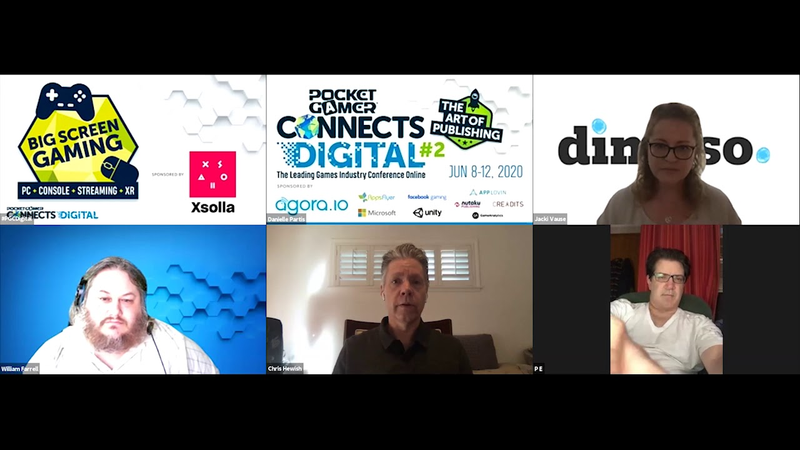
Panel: Best Practices for Keeping Your PC Game Relevant PG Connects Digital #2
Key insights
7 takeaways- 01Implement data-driven monetization strategies that allow for flexible transitions between business models, such as free-to-play or tiered subscriptions, to match evolving player spending habits.
- 02Achieve global market penetration through deep culturalization and localization, utilizing regional teams and local influencers to tailor content drops to specific cultural contexts.
- 03Prioritize direct-to-consumer relationships and transparent development roadmaps to build player trust and bypass traditional platform limitations.
- 04Extend the lifecycle of a game by fostering user-generated content and leveraging player ambassadors to create a sustainable, community-driven ecosystem.
- 05Treat live operations as a core, long-term commitment integrated into the initial design phase rather than a secondary post-launch activity.
- 06Secure six to twelve months of dedicated post-launch funding to ensure operational stability and the ability to maintain consistent content updates.
- 07Invest in robust internal tools that facilitate rapid content deployment, ensuring that even linear or narrative-driven titles can remain competitive in a crowded digital landscape.
Ask AI about this video
Transcript
our first piece of content is a panel and it is the best practices for keeping your PC game relevant and I should have Jackie somewhere in the ether to come and host this panel for us you there Jackie hello hello how are you today I'm good how are you good I'm great thank you very much and joining Jackie we have William from game scribes Chris from Axela and Philippe from robot cash who should also be joining us very shortly yeah thank you I can't share a lot right now but you will be hearing a lot more in the in the coming months is something to get
excited about isn't it those well M hey William can you hear us yes yep all good welcome in and we've got Chris as well hello hey Chris how you doing I'm good how are you today good I'm great thank you very much Jackie William hey Chris how you doing brilliant and Philippe is on his way it looks like he's running a few moments late but if you're okay to go from here Jackie and take the panel I will disappear into silence once mom let you get on with it absolutely thanks Danielle brilliant thank you hello gentlemen and while we wait for Philippe I think it'd be a great idea for us all to just start introducing ourselves so I'll start hello everybody I'm Jacky friend mo so doumoto is a PR agency specializing in video games from PC console through to mobile games and been really exciting to take part in the whole conference and thanks again to
external for the sponsorships it's been a really really good conference and looking forward to the panel talk today so I'm gonna hand over to will will and talk about his background great hi everybody my name is William Ferrell I've been in localization and video games for about 15 years now ten years ago we founded up game scribes who focuses in all aspects of video game localization and yeah I'm here to chime in when I can and talk about how localization culture ization can affect your PC games fantastic and Chris from axilla I so yeah my name is Chris I've been in the games industry for quite some time and worked at a lot of different companies run a number of studios and recently joined X Ola as their president just to continue the journey on the video game side and really help us connect with
with our partners congratulations Chris on the new Rose fantastic thank you I think so we'll get Filipe to introduce himself when he when he joins us so the primal is about keeping your PC game relevant and I suppose with that the assumption is that you already have a great PC game you know you've got some traction you've got some good players and so this is all about how to use sort of keep keep that momentum going and keep that relevance and I think the first thing that we really sort of think about then is not just the game itself but also the business of the game and the business behind the game and perhaps you know how do we look how do we analyze our business models and think about what we've done in the in the background how we've built it and how can we maybe look at that and look and see how we can adapt maybe I could pass that to you Chris yeah absolutely so you know that's something that I've been
fortunate enough to do a number of times and that is look at the business models of games help games go to market help them succeed or continue to succeed even when they're in market and you know I think it's it's really important to look at the kind of game you have look at your audience what they're engaging with and really think about your business model around that you know before you launch the game obviously you want to really get some good feedback some good testing to see what's working not working building your business model from the beginning just like another does a core design pillar your monetization should be a core pillar as well that your game sort of is built around integrated with but then once you launch you have a successful game and you're out there and that game is growing or you know maybe it's not maybe it's starting to get stagnant a mistake a lot of companies make is they they don't think about adjusting their business model right they'll think about content and okay we've got to keep engaged with
the community give them the content that they want you know that sort of stuff which is very true you have to do that but you also need to look at what's happening with the community with your business and respond to that accordingly so an example might be that your game has been out for a while perhaps the game started off as a paid game with some micro transactions or paid DLC in it but you're starting to see those paid sales really drop off but you know you have a great game so maybe it's time to flip the model to not to not necessarily maybe a price reduction which is obvious but maybe you go to a free-to-play model and lean more on your micro transactions and and your DLC because you've built up a large enough community to actually be able to support that kind of model or maybe you look and you say you know we've got a really active cohort of sort of premium players and they are you know sort of capping out on what the spend is to spend depth within the game maybe
there's a subscription service that we can add in here that isn't gonna sort of be a pay to win or put content that's not accessible to other people but maybe it provides sort of special VIP access to things that really appeal to that premium cohort or you know you may offer another subscription for the players that maybe can only spend a couple of dollars a month maybe they're younger and they have an allowance so they can't actually engage with your DLC or your you know your battle pass or whatever it might be so you give them a subscription model and you're at a large enough scale that that can start to generate revenue as well and it's not replacing your current revenue model but it's sort of adding a new revenue stream so just really thinking about it that way of like how can we add more diversify shift to match our audience that's really brilliant advise me how would you sort of advocate advice doing advice to do that go about the process of choosing which things to go with and how long to give
it in terms of modeling yeah there's no magic you know sort of methodology there are sort of standards there it really is looking at what's happening with your player base you know I'm always a big advocate of having conversations with your players obviously you want to track the data or and data can show you a lot right they can show you where people are you know dropping off if you're in engagement times or shortening if you're spends are dropping all of that but also talk with your audience and see what it is that they find valuable or that may be missing right or things that they may want you know the aforementioned subscription idea with with kids who have are younger people maybe kids teenagers who have an allowance that idea actually came there was a large triple-a game company with with a card game a digital card game and you know their model is purchasing packs and I was talking with them with somebody there and they said you know we're
really trying to figure out we know we know we can get people buying packs of cards but we do have some people that they can only spend $5.00 a month and that's not really enough to remain competitive in the model of buying packs of cards when they launched the game that was no consideration because that cohort of players really was too small to make any kind of difference right but now the game is at such a scale that that that $5 a month allowance person right persona is actually quite large and they're trying to figure out how do we create a new sort of monetization feature for them that they feel good about that doesn't disrupt our existing player base and our existing revenue model so you know that's the kind of thing where after a few years in market it was like okay we've identified this opportunity we've talked with players we've heard what their pain points are and now we're thinking of how we can put a new monetization model in our business model that addresses them and helps them
that's really interesting I think William maybe you'd be able to talk to the fact that maybe just like that example that Chris just gave us about having to look at those that younger audience with the with the lesser budget maybe you see different factors geographically or culturally influencing those kind of decisions on your business model absolutely yeah we all have to remember that in different territories well one thing is you know look at the territories that you want to target and obviously look at your cost of localization and really help define what whether your game is going to target well in those territories and a good localization company can usually help you with those decisions but also when you are looking at the different territories you also want to consider what type of spends how do they differ from a US market what type of revenue do they have the free-to-play I think Chris will agree
with me that probably 15 years ago 10-15 years ago the free-to-play model was not something that worked well in in the US market it was really seeing a lot big in over in Asia and that's really changed and a lot more territories now are opening up to the free-to-play model and seeing it and leaving the whole subscription-based model for PC gaming especially when it comes to mmo's so doing the research it might differ your strategy for each territory might differ a lot and you really need to dig in and do your research to see what's going to benefit you for each territory that's great I think we might just seen Phillipe joining us from robot caches are you there Phillipe no I think I see him in the screen but I don't hear him so there's a few technical issues there so just looking at against um how we've got two different cohorts and different things influencing the the business model and how do geography scan can can do so what about
content what about you know the kind of things that you can clear your content to try and keep yourselves your game relevant in in this very broad PC landscape yeah I mean content is is such a great lever for remaining engaged and relevant with the community and you know I'll come back to the earlier point talk with your community you know they are actually going to be the closest to what kind of content will be meaningful you know I think this is going way back but you know team fortress way back in the day with valve when they opened up sort of their their store their marketplace within the game and started to allow user-generated content I believe initially it was something like 90% of the content was created by by valve and 10% was created by the community but very quickly they found that that 10% of community created
content was outselling the content that the developers were making right and the reason for that was that the community was just a step ahead of the developers on what the trends were what was going to be appealing and even though the developers were creating very high quality thankfully very high quality assets that the the community was creating assets that was much more meaningful and on point so have that conversation with the community stay engaged with them and you know kind of listen to what they have to say and include them in those content decisions obviously you know your game the best and you want to you know holistically help guide those things you don't want to hand the keys all the way over but to ignore your community and what they are looking for is is where companies stumble and start to lose that engagement yeah and if I could actually just jump in and add on to that point too is also don't forget about you're gonna have different communities across
different territories and it's very easy to get comfortable with the language that you developers speak and just paying attention to your core community but I think so many companies now are finding that a significant amount of their revenue are coming from other territories than the United States or England non-english speaking territories so it's important to be able to find ways to communicate and allow a voice for those other territories that may speak in different languages I mean from the community as aspects you know what what sort of is there a big difference in the kind of content that appeals to different geographies or is there some merit in thinking about new ways of engaging through content as well there I mean obviously yes there there definitely is especially between eastern and western cultures there can be a very big different in gameplay styles that appeal in different types of content things like games adding vanity items or
different skins to items certain things are gonna appeal differently between different territories and markets but I think good sticking with the communication theme I think the biggest thing that appeals to a player more than anything is feeling like they're being heard from the developer and feeling like they're a part of that indeed those LiveOps continuing where the games you know in PC gaming games don't stop being developed nowadays they just continue on and on I think that part of the the player interaction is knowing that they're now become a part of this whole system and I here at time and time again we're players from other countries it's obvious when it's not being developed by there someone in their country because they feel like they're an outsider looking in rather than being able to join it whereas just bringing in a community and extra community manager that maybe speaks three or four languages or bringing outside support can suddenly tie everything back together and make them feel involved and
actually just a tie on to that well I think you mentioned live ops and you know I know sort of it may sound like we're talking about free to play sort of games and how to keep those communities going but it's also paid games can take advantage of this you know one of my favorite games sunless skies biphale better games you know that's a paid premium game but they are always releasing additional content and talking with the community and remaining engaged so this is you know these are tips that can apply even if you're a premium paid game not just a big free-to-play you know sort of battle royale type thing this is interesting case I was listening to another panel on mobile track and they were talking about you get as much data in the world and you can do as much analysis and there's many you know look at all the different neat groups that you've got in your cohorts however the human touch seems to be something that really comes through and really you know plays a part in even down to game design and monetization and
everything else is still bringing in that sort of human idea and it still applies to the communities with them communities that use would go hand and hand with influences and how do you feel that the influences can help with the keeping of the relevant that keeping the game relevant yeah I mean influencer as well what's such a big topic and yeah obviously influencers can really help a game succeed I mean a great example is escape from tarkov right that was a game that had been in market for a while it was kind of just coasting along there you know wasn't really known by anybody and then by influencers it just blew up right it got very very active and the influencers were able to bring in a lot of new players you know I think that that's sort of the example of the that we're all familiar with of just oh you get some influencers they start playing and streaming the game on Twitch and and people start watching and they join in
but I think we're starting to see that whole idea of influencers and working with them start to evolve and mature as a business model of its own you know we're starting to see new models emerge which are not just hey we're gonna pay you a big boatload of cash to play our game for a few days and and you're gonna kind of half-heartedly play it and then you're gonna walk away and and you're the influencer was the only winner we're starting to see new tools emerge that allow for more of an affiliate kind of partnership more of hey influencers are being provided unique content or unique tools or even becoming part of the conversation around new content that can be focused on their particular audience to help them stay engaged with their audience to help them actually profit from you know recommending the game and and you know staying with it so you know it's it's it's an interesting field there's a lot of new tools coming into play I would encourage people if they're looking at Lewin sirs don't think that your your
priced out right you know find the influencer that's right for your content right for your gain and as we talked about with different business models for monetizing users there are different business models and tools that can allow you to help monetize with the influencer so it's a win-win for both of you and provide exclusive or unique content to their audience so search out those tools you know that's something that we we do as well but I think it's really important to not just think of influencers as a paid commercial that you now can create a partnership and benefit from that I think Philippe I think yes so I think you have some thoughts on the way the blockchain could potentially work yeah so you know I again followed use for my delay apparently technology without of stuff but I'm here on my mobile phone my big things you know harkening back to the original question which is not how do you keep PC games relevant right which is kind of the overall topic so sorry if
I go over some stuff you guys discuss but the two big things for me that you know why don't I just go to console and mobile well I think you guys talked about it there's a different demographics to a certain degree they overlap different games etc but it's always been what I've loved about PC why I'm deep in the PC side of things is its talent and disruption the talent part is look you you're an indie you're an indie group you're a startup you're a a small studio the easiest way to get your cool game and be heard because there's a difference between obviously getting a mobile game out can be fairly easy right that's small game play etc but you're gonna be drowned out by the thousands and thousands of games coming out every day is - is that PC platform right this is like still today when you think of indie you don't think as often about indie although it doesn't happen on the mobile you think of PC so I think there's a talent piece and then I'm segue into where you taking me which is disruption where else can use some fun stuff with completely novel ways to build games the blockchain right now there's a lot one
out there in terms of blockchain based games some are using it as a Star Trek game out there where you basically can buy an enterprise and I think somebody spent $70,000 to have the special enterprise autographed by someone because it's an NF T right non fungible token as they call it so there's a lot of that happening but the blockchain has so many more uses than just creating sort of a situation where I own a specific asset because I bought it all that school it's a way to encrypt your game it's a way to do a whole bunch of things for example which you can also do with the blockchain is what we're doing at robot caches we're demystifying the whole concept of mining right so basically you're in a situation where now we're seeing people in the store where else can you go buy a game only game and mine for blockchain and better yet if this game that I bought this PC game which traditionally was something that's easily copyable now is its own unique little snowflake
in the world what does that mean that means that if I'm playing this game and I basically put in 2000 hours worth of work on it and I'm a nobody but I'm still gonna sell it for more than I bought it for thanks to the blockchain because everything in there is unique in time and space my character my +10 sword my whatever right but now let's go back to your influence or situation right I think we talked about this offline which is all of a sudden I've got a ninja who played my game does that value go higher so he has a copy of whatever game he loves to play let's say it's fortnight he's got but it's his fortnight or it's his call of duty or it's his whatever right and so in addition to the fact that he's gonna give me a character that gonna certainly be more leveled up than mine he's also gonna have that cachet that he played it so the blockchain has this whole element that doesn't exist today on console or mobile and so I think that disruption factor is what makes PC on the cutting edge of all this that's really fascinating do you think that that's it do you think we're at the start of that it's only the beginning
because you know I had this interesting meeting or somebody some in the outside investor was talking to us and he goes that look guys here's my problem I totally buy into the fact that the blockchain in games there's something to be done there but I feel today it's still too early days to figure out what the right application that's kind of like VR in the early days you know to do a really good VR game and again I'm not a VR specialist so I'll defer to those who are you know it's one thing you should take a normal game and put it into 3d space okay put a hey play you take a game that's cool put it on oculus and it's a VR game but is it really have you really optimized and tapped into what VR can do same again with blockchain is it just because I made you know a spaceship or a car an NF T is it really making the best use of it so we're just at the beginning and I think there's a whole but I'm a firm believer by the way and then you're seeing courts around the world doing this where you're gonna we all we all know science fiction
which is no longer science fiction you're gonna own these digital assets and they're gonna be at one place and what this is the matrix the good part of the matrix right so you're gonna own these digital assets and you're gonna do some really phenomenal things in that world that you've created no longer you dependent on somebody's server on some third-party publisher that owns your future you're gonna for example if you're playing a game that you love whatever it is you know your autograph and your your your another MMO fan I know there's many MMO fans out there who are PC gamers once that company shuts down what happens to your character what happens to your castle what happens to your whatever your loot it's gone what if that was no longer the case you take it with you that's really yes and do you think in terms of the blockchain and where people could go and we're talking about keeping your game relevant do you think it's another way that you potentially work when competitors coming up to bite you maybe if a Studios boo
tag there's a question that's just come up on that on the stream there if a studio brings out a game that's very similar in design and theme to yours for example Call of Duty's back a royal excuse me mode is similar to the pub pub gee what steps could you take quickly to stay relevant despite fresh competitors do you think you could sort of use the blockchain to potentially do that it was yeah I mean you bring up but that's it that's another example which is look you're looking at Club G you're looking at fortnight you're looking at Call of Duty right all these battle royale modes once you're playing in that arena you're on a different level okay so what they're doing is they're basically go we have quasi on resources how do I look at what you've done and do it better so I'm not sure that applies to everybody that applies to the big big players but you're right for the players who can't really compete with a pub gee they don't have you know at Baker Tencent or Activision Blizzard behind them right because they're playing it in a different ballpark for the other ones for the rest of us then I think yeah I think you can find a niche
and stick to it do something really cool and add a value add it could be something simple initially but if you have already it's much easier if you have an established game and you're you do want to make sure somebody doesn't steal your idea and you disappear right because you can't if step one is you have the eyeballs already because you had a cool game you're the first market whatever then you're in an ideal position okay what are you gonna do now to stay relevant so the person who just learns from you because they're saying all you're doing a good job Philippe I'm gonna copy what you did so that's when you come up with interesting things and you got to innovate you're right it's part of live mas my mom is not just you know okay I'm checking my analytics and I'm making sure that my kpi's are good and you know say we're doing a/b testing selling more ping trucks it's what I'm doing is I'm basically going okay how do I innovate and other people are not going to quite see it so it's too late and then after that I need to innovate again so it is a challenge but it's a fun challenge yeah well how do you see people innovating in maybe you thinking about different Gio's thinking about different cultures did
with that Howdy's have you seen that happen well yeah just to add on to Philippe's point which is a really good case study is probably what happened with the whole survival game genre that was the whole survival game genre respond basically by an ARMA 3 mod by Daisy called Daisy and everybody else beat the standalone game to market Daisy now is is on market but is certainly not the number one survival game out there right now and that's that's a big thing is is other companies came in with a lot of money and sort of beat it and Daisy in some sense is kind of failed to stay relevant in that end when it comes to territories and your other target territories I think that it's the one thing that you have to remember too is that the distribution platforms one thing that I think blockchain hell is that distribution platforms vary a lot a lot of people don't realize that if you're you know if you want to get into China your distribution platform is
not going to be steam or other you know popular platforms it's going to vary a lot and as as a blockchain potentially grows and becomes a bigger player in the PC game world that allows distribution now to overcome sort of some of the territorial or even political challenges of getting your game released globally yeah and I think just a tie on to that concept of distribution you know if you are as we're talking about how to keep your game relevant so you've had a game that's out there you've had some success you you know you're selling well on Steam maybe you're on some other digital stores there comes a time where you maybe add enough of a size and scale that it makes sense to start selling directly to the players yourself right and spin up your own store so that you can actually start to you know you don't pull off of the other stores but starting to sell direct to the customer yourself allows you not only to get a better margin but you get to own that relationship with your players even deeper right which then gets into that
sort of cycle of getting to know your players understanding them responding to them that whole theme even applies to on the battle royale side you know with all these battle royale games you know Call of Duty apex fortnight it may seem like they're all doing the same thing but they actually all sort of address something a little bit different two different types of players right and that's the reason there are several big players in that genre is because they're able to appeal to slightly different desires from slightly different player bases right so they may seem the same on the surface but they are actually all a little bit nuanced and different so that whole concept I think is is very important and relevant and then if you get to the point of selling directly to the players yourself you can even you could get more data get more insights which allow you to then have an advantage over your competitors in regards to stay in relevant yeah and I guess that helps you again fuel that's
one's one thing if the the human touch and helps you with your bonuses and you know giving away the right kind of things as well that your community would actually would actually want and would feel would would be a good bonus to get you know on that subject have you seen you know that kind of real connection helping or new bonuses or new types of tactics help that connection that help the games come back to being more relevant if you seen people use those sort of tactics well yeah I mean certainly you know I I mean we we've we have see I mean you're starting to see that there was I mean it was a little bit of a controversy recently as well but that whole concept of allowing influencers to do drops right in into their channels with you know new content for players and you know whether it's
game keys or assets right skins that are unique but creating new sort of bonus content or items that the influencers can drop out to their players or developers can you know I think this also ties into the some of the benefits potentially a blockchain when it comes to provenance you know that Philippe was talking about you know if you've created if there's ten skins that have been used by a big influencer and now that influencer you know maybe the part of the marketing campaign is they play with those skins for a month right and people see that happen they build up some maybe some progression around those those skins or those characters and then they drop those out to the community you know in in months two three right you know now you have created a good three months sort of marketing campaign around new content and influencer you know owning an asset and that would drive high engagement with your audience definitely well we're a great fan of fashion shows here in this household and
I want to see a history of fashion shows going backwards now so we'll see as I do League of Legends right they teamed up with not Prasad not Prasad but who is the right - yeah so but they teamed up to you know do some really cool things bringing over from the fashion world and that's a great example of bringing in content that you wouldn't really think of but they know their audience right and they know that you know they've got an audience that is sort of very brand aware that you know they were able to find a hip you know sort of high-end fashion brand that matched their game brand and it was a benefit for everybody yeah it's interesting because if you think about it as other fashion shows and then you think about real world events you know you have love Fashion Week for example and if they can find those interestingly we see a lot of things that seem very North American in
terms of events and people are sort of reflecting on those in their games there is a question that's popped up on the stream about real time events and do you think time you're going to real-time events or risks limiting the games long-term relevance and lifespan do you think that's the risk or do you think the risk is that you're not respecting you geography or global because we are weren't working in much more global environment now you know is it you have to be careful with how you do it I guess right you don't want your game to appear like it's just a commercial you know shelling out different brands or you know trying to take advantage of every new you know thing that's happening out in the world right but at the same time you do want to be relevant you know I think we'll probably has a much better perspective on this but even regionally you know one of the things that helped League of Legends succeed early on is they distributed a lot of they're sort of not marketing but
they put a lot of power into the hands of the regional teams to sort of drive engagement that matched what was happening within that region instead of taking just in North America you know sort of centric approach where it's a 4th of July we're gonna do a big event for the whole world right it's like okay great but most of all don't care so distributing that outputting power out into the hands of your regional sort of teams or partners whether that's influencers or team members or whatever I think is very important but loser does a very good job at respecting all territories they didn't at years and years ago but if you look at now the promotions that they do an overwatch or hearthstone or World of Warcraft where it's always respecting Chinese New Year you're seeing all these other different cultural events come out but of course not everybody has blizzards financial backing and regional offices to be able to do that I think most important the easiest thing to do is
remember your time zone differences in your peak if you're gonna have live events your peak times in different territories even if you don't have somebody on staff the day your you know office that can speak directly in their language and speak in English at least making sure that the events that you have if it's a unique or live event takes place during their peak hours that's probably the least that you can do to make sure that that resonates with all your different regions yeah and you can also let lean on your player base you know you can jet you can find sort of advocates or ambassadors from your player base who may be fluent in a language in a region and they're very active in that region you know should show them some support you know bring them bring them on board not as team member or higher but bring them on board sort of as an ambassador or somebody who has a little bit more voice in your social channels right and engage with them to try to drive events and and you
know keep things relevant in there yeah the big thing the big thing I found just a tap into that is finding local influencers in streamers that is a game changer if you've got the right amount of people involved in each region that's gonna help you a lot so I totally agree with that one quiz so I always like to ask this question because I recently reengaged with some games myself through various reasons have you had any favorite games that you liked yourselves and sort of drifted away and got into other things and then re-engaged from your own perspective is there anything that strikes at any any game that's sort of got you back on board it's a good question PC only or it could be anything it could be because anything I think these tactics don't necessarily just talk to PC only although PC is as we know the most embedded method of playing
a game across the world but there might be something from any other kind of genre that would bring you in yeah I mean look for me certainly like I mentioned earlier sunless skies you know that's a game that I've drifted in and out of overtime and through there just continued engagement right with their community and seeing that there's updates and they have a really unique voice and they for me at least they they sort of hit that sweet spot of they're not doing it too much they're not doing it too little and they keep your mind it's like oh yeah you know and I just enjoyed that game so I'll keep coming back to it and then there's the other end of the spectrum the big sort of unlimited resource apex legends that sort of through their just their great use of dropping new content tying characters into a narrative story that is starting to evolve right and make it feel like much more of a narrative based universe as opposed to just a battle
royale shooter you know that keeps bringing me back and they have their twitch integration which is really cool to get new skins so those two for me yeah for me yeah yeah we've got a lot of answer on this I'm a die-hard PC gamer I've always been I you know I played console here and there but I love the freedom that comes with PC gaming one game that always brings me back that I never can stay away from is the original EverQuest one they even do something called progression servers which is they roll it back to the game before they release any expansions and then they release the expansions through a sort of ramped up cycle so you get to play through your original experience of again with different crowds of people and going through all of that so I really think when it comes to the pinnacle of MMO development and I think every quest 1 I'm still
waiting for the next game that brings that that topples that for me I think it hasn't been done better yeah for me I would say it is too because I've over the past couple of years I've shifted more to to some mobile with kids kind of a no choice there but you know it's interesting that now that I think about this question more deeply was the two games that or two or three games that I'd go back to his Starcraft just loved it it's old-school but I dive back into a big RTS fan you know command and conquer when it was hot I was on it was a whole bunch of games I played on that one um on mobile strangely enough the only game that I kind of because I play as much mobile less of a casual gamer but for some reason and I'm not even a big PvP guy clash Royale it just got me hooked I don't know why clash of clans not hooked clash right out and every once in a while I sneak a peek and I go back and I you know what lucky two years ago I maxed it out or whatever was nothing max it out but got to level on those thirty and now it's just way more
content so now I'm intrigued but the reason why I really like your question is not just because it makes me think about I wish I had time to go play those and I love RPGs but RPGs take my life away I mean that that's my true you know like a dive in another 100 hours the Skyrim or fallout or whatever I'm a happy camper it's like I try to explain to somebody who's not a gamer imagine watching you're a really good movie right that's what three hours on a good day yeah imagine that for 300 hours it's like whoa so but if 300 wait that's small I'll call myself like mid cause that way you get the price but you know what you know what if a lot of those games that are really really embraced like Starcraft is you can go back to it because it's about RTS it's the stories there but I don't need story to have fun but for me in an RPG I do need narrative and I need some some new features that around that narrative but like I'm not a big MMO guy I know will I know him he's a big MMO guy but the way you get me to be an MMO guy is you gently take me from
my single-player experience where I'm maybe I do I go to co-op or whatever it is and you keep giving me content like the one disappointment I do have is there's always a couple great DLCs I'm fallout you know I play in my downloadable but they're always really big packs you do them and then at some point you're done right fallout for the most part the non multiplayer versions of fallout you're done so and I know that the last version didn't quite do so well for all the reasons we know but if there was a really um and and will maybe you have the answer to this how do you keep me coming back for more on Mass Effect how do you keep me coming back for more on Skyrim without you know knowing I have whatever time I have but what what's like if I'm able to come back and I know it's a different genre but I'm throwing out sort of a curved question that you a curveball just like Starcraft I have no problem going back I know I'm gonna dive in have my hour even because I'll play a couple couple Maps and get out so what how do I do that for RPGs one of the biggest ways walton
multiplayer i mean adding in multiplayer ready for that in that's a lot of like a lot of what you're talking about like the old Fallout games and what I think follow 76 is a good case study because sort of the the community since fallout 3 had been asking for a multiplayer and people had tried to mod it and allow multiplayer and things like that and what happened is follow 76 came out and people were saying we just want fallout 4 multiplayer 76 came out with a lot of they tried to change a lot of different things get very creative and try a lot of different things and the community kind of came back and said why didn't you listen to us we just wanted what you normally do with multi-phase multiplayer right that's a good example of they went above they went beyond the community that listen right and then the other end the other thing that you can really do is add some level of competition a competitive gameplay will keep your game alive so
much longer that's Japan than anything else if you give people a reason to compete with each other that competition becomes its own content instead of having to constantly release more lower more story which you should do but obviously that takes time and money whereas player generated content competing against each other is one way to really extend the life yeah I think you're absolutely interesting you all of your your answers came back to the essence of the game and being really tied into the essence of the game and I loved the point you've just made about the competition introducing the element of competition in because it doesn't need big new content drops and stuff like that and user-generated is where it's all going now so so it's quite very interesting I see Danielle's pops back on the screen which means that we've had a panel time we have we've got a little bit of time left for some Q&A if you want to rattle through them quickly there's a few questions in the Q&A box down there for you so I thought pop in and let you know
it's about eight minutes i five minutes my fee which is how do you start pitching a game to influence is three or four years into his life cycle why would they want to play an old game I'm not part of this panel but yeah if if you want my advice there I guess you have to give them something new and give them you know an update or something that's a little bit relevant to them you know you can't just go like I've got this game it's it's been out for four years would you like to play it they might not be interested it's not going to be in their interest to play an old game that's somewhere down on twitch that nobody's watching unless they are you know in that top ten you know where they play anything and people will come in but yeah you have to offer something in their interests you simply bring in Philippe's idea with the blockchain and bring that influencer and owning part of that game mmm absolutely so another
question that came up was in your experience panel do developers underestimate that the amount of people power time and expense the live up side of the post release life cycle will require any answers to that yeah yeah your question your question is the answer is yes 100 live ops has become this and I don't know Chris well you know you've got a lot of experience in that so I'd love to hear your answer as well it's become this ill-defined term that could mean three totally different things that three totally different people right it's because you know some people live ops is just I'll just do DLC others is it's all about analytics KPIs and how to a/b test yet others it's it's a it's another situation right so it's community management and building but to me that that's been one of the biggest challenges is to because traditional games you know way back in the day you made the game and then you waited right like making a movie now no longer the case yes go ahead so yeah absolutely
Philippe you're a hundred percent right you know live ops is something that I really advocate teams think about from the very beginning you can't the mistake a lot of games make and you can recover from this but it's really hard to bolt live ops on sort of towards the end of development you know you need to not only be thinking of the type of content or coming back to your core mechanics your core gameplay loop you know how is that actually going to work in a live setting what are the tools that you need to build to support live ops that's where a lot of teams get tripped up is they they just aren't prepared to create content or engage with the community actively enough post-launch with the tools that they may or may not have built during development so being able to rapidly support live ops and then just being able to fund it you know you need to be able to think if you're going to do live ops with your game you need a bank at least you know six preferably twelve
months worth of funding before launch so that you can sustain through the initial period of figuring out what live ops are working and what ones aren't you know the worst thing and I've been through this the worst thing ever is to launch a game have really good metrics around engagement but not be a not have the money to be able to lean into that and drive up your monetization right and and to fall short a few months after you've launched when you know you have a good game you just aren't well-funded enough to be able to support and build up you know the features that are going to monetize so making sure you plan accordingly and get the right tools and have things that support your core gameplay are all crucial and don't forget the localization doesn't stop when you launch the game your live ops is always go defines your communities always going to find bugs and certain things that can be improved upon or changed with the localization even if you have the best translators in the world working on the
game and even if you've done proper linguistic testing those updates and those fixes for other territories often get neglected once you go live by a lot of developers who are meaning well they just can't even read the comments maybe sometimes in somebody reporting something that's erroneous in a different language and just one other tip I think that that's right people so often forget about localizations and continuing that just remember also with live ops it's a it's your building a contract of trust with your players if you say we're going to be doing live ops so you need to show a road map right when you launch it like what's coming even if it changes just you need to communicate that with your players but one of the things you can do is put your initial set of content releases on your live op schedule sort of in the bank before you launch you know have a couple of months worth of live ops material already created so that when you launch and you hit all the bugs and all the craziness that happens around launch you
still can maintain your live ops cadence even if your team is distracted on just trying to keep you know fight the fires right and that'll give you some runway to be able to get maintain that trust that you're releasing on a cadence that you've promised to your players good advice there's a question that's come in saying that if your game is relatively short and cinema has limited replayability for example a visual novel how do you keep it relevant oh that's that's a really good question actually I've always struggled with that one because it could be the best game in the world but if it's fairly linear and there's a story do you really want to replay that story it's like yes if I love a movie that I saw I'm probably not going to see that movie again tomorrow I'm going to wait a while so the first answer I have for that is localization right because the odds are you did that's a good will segue basically if you've done it in who knows we probably initially drew a small team you might
have hit a figs English you know Frenchie Tyne Spanish but you may say hey you know what maybe with small tweaks and a little bit of localization I can hit so many more markets so that's one easy way to do it slightly more complex way to do it is and there's a lot of these you know narrative games even on mobile that you see you know episodes and things like that pixel Berry's got a series two choices you know they've figured out how to become a Content Factory so that's hard to do obviously if you've got one game and you're kind of tied to that story but what you can do if you're short of becoming that content Factory is developing alternate endings you know having you know as you develop the game the odds are you went through multiple iterations of the story the odds are you have characters you may have lost you may have gained whatever keep track of all of that and keep it as additional content because if somebody's hooked in the main story especially if it's a good story they're gonna want to know more because once I'm in that world I remember when I was watching that I forget what movie it was it was I think
it was uh there was oh yeah it was um Blade Runner right Blade Runner came out 2014 I know when it came out a couple years ago and then I was like yeah I'll go watch it and after I watched it I found out online it was all this little mini content right he's five minute four minutes that on their own and never would have watched it was side care it was like you know ancillary characters with stories not quite as exciting some was animated but after I saw the movie I was eating that up so I think that that's a way to go to it but we'll thoughts on that because you probably see a lot more of this on the localization side yeah well actually I'll as you kicked it over to me I will probably make a suggestion and kick it over to Chris which is building a community around your game and allowing the community to start running events and things a lot of the story driven content you have you leave the players waiting for more because you're trying to develop more story and that takes time but getting you know community events getting the community involved
with certain things having supporting fan based sites and giving showing them some love by doing live Q&A things like that will allow the fans to come up with their own kind of content in the meantime while they're waiting for your next DLC absolutely well I mean you've seen examples of that across all game genres with things like fan art right supporting what your community is doing you know getting fan art into your official channels right and supporting that and recognizing it when it comes to linear and narrative content yeah encourage fans to create their own fiction right and share that with one another you know a mistake a lot of developers make is they think that all of their efforts should be focused on generating revenue but the reality is you should focus a lot on generating engagement and and you the developer don't have to do all of the engagement driving right your community is there to drive engagement and if you are engaged
and aware and appreciative of what they're doing right and sort of provide a guiding hand that will come back and benefit you in the sense that that community will be active and ready for more of your paid content when you're ready to drop it and the other piece yes very own Chris no the last piece is just tools you know we travelers tales we all know they ran into trouble because they didn't have a good tool set that would allow them to iterate and provide release content rapidly and they're they're the audience's appetite outpaced the ability to release content so if you're going to do narrative to games or any game make sure that you invest in the time to create tools that allow you to quickly and efficiently get content into the market comment that I love family to come back to community we sort of rounded the whole we started off on the community side of things we rounded back to community and about the game itself and you know how much it means your actual your players and really looking to a player's to keep you
relevant it's a it's a it's a good thing to bear in mind all the time for any game so thank you all for being on panel Danielle I'm aware that we're sort of like two minutes over time I don't know whether you had anything more to add no that's absolutely fine we do have to quickly wrap up those we could get the the next panelist on but thank you guys so much for coming in so great insight there thank you thank you pleasure being Hey you
Summary
Sustaining relevance in the PC gaming market requires a fundamental shift toward treating live operations as a long-term commitment rather than a secondary post-launch consideration. Success hinges on integrating monetization as a core design pillar, allowing business models to evolve alongside player behavior. By utilizing data-driven insights alongside direct community feedback, developers can effectively transition between models—such as moving to free-to-play or implementing tiered subscriptions—to better accommodate diverse spending habits and global market demands.
Global reach is best achieved through deep culturalization and localization, which extend far beyond simple translation. Empowering regional teams and local influencers to tailor content drops and engagement strategies ensures that games resonate within specific cultural contexts. Furthermore, fostering user-generated content and leveraging player ambassadors creates a sustainable ecosystem that extends a title’s lifespan beyond traditional content cycles. This human-centric approach, combined with transparent roadmaps and consistent narrative updates, builds the player trust necessary to maintain a loyal audience.
Operational excellence requires significant foresight, including securing six to twelve months of post-launch funding and investing in robust internal tools to facilitate rapid updates. While emerging technologies like blockchain offer potential for unique asset ownership and alternative distribution, the most effective strategies remain rooted in community-driven competition and direct-to-consumer relationships. By prioritizing these elements, studios can bypass traditional platform limitations, improve profit margins, and ensure that even narrative-driven or linear titles remain competitive in an increasingly crowded digital landscape. Ultimately, the industry is moving toward a model where constant innovation and niche-focused engagement are the primary drivers of long-term commercial viability.