1 free read left. Create a free account for unlimited reading + AI research.
Create free accountArticle Eludamos: Journal for Computer Game Culture
1 free read left. Create a free account for unlimited reading + AI research.
Create free accountArticleEludamos: Journal for Computer Game Culture
Gieselmann argues that war video games influence how players see real conflict more than sensational horror or gangster titles. They do so by concealing violence behind technically accurate simulations.
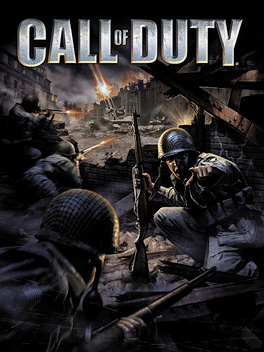
Hartmut Gieselmann's essay, published in the 2007 inaugural issue of the journal 7eludamos, argues that war video games shape players' views of real conflict more powerfully than the sensational violence of horror or gangster titles, precisely because they conceal violence behind technically accurate simulations of weapons, vehicles, and tactics. The author contends that public concern focuses on gruesome content while overlooking the subtler influence of realism, control fantasies, and the blurring of boundaries between game worlds and reality. Drawing on examples such as Counter-Strike, the U.S. Army's recruitment shooter America's Army, flight simulators tied to real defense contractors, and World War II shooters like Day of Defeat and Call of Duty, the essay traces how these games present war as clean, sterile, and honorable.
The argument rests largely on qualitative observation rather than systematic data. Gieselmann cites the age profiles of Counter-Strike players, with an average age of 19 and players beginning as young as 11 or 12, and notes that a strong majority of war gamers are male, though the sample and method behind these figures are not detailed. Much of the analysis relies on forum discussions, clan websites, developer interviews, and marketing materials, including a German advertisement for Sudden Strike 2, as evidence of how players and publishers frame wartime violence. Scholarly sources on memory and genocide, such as Browning's study of Reserve Police Battalion 101 and Welzer and colleagues' work on family memory of the Nazi past, anchor the essay's concerns about historical revisionism.
The essay's central claim is that World War II games, in particular, encourage young male players to romanticize their grandfathers' military service, sometimes sliding into sympathy for the SS and neo-Nazi revisionism, and that the genre evolved from lone-hero power fantasies in the Doom and Rambo tradition toward caring, team-oriented soldier images aligned with post-9/11 military propaganda. The author concludes that by masking real violence in clean simulations, these games impede younger generations' ability to confront historical atrocities, a claim that rests on interpretive reasoning rather than measured effects on players.
Each row is a game or company this document names, each column a document, oldest first. A mark means that document names it. Select a row to see those documents.

Eludamos: Journal for Computer Game Culture · 2026
DiGRA · 2025