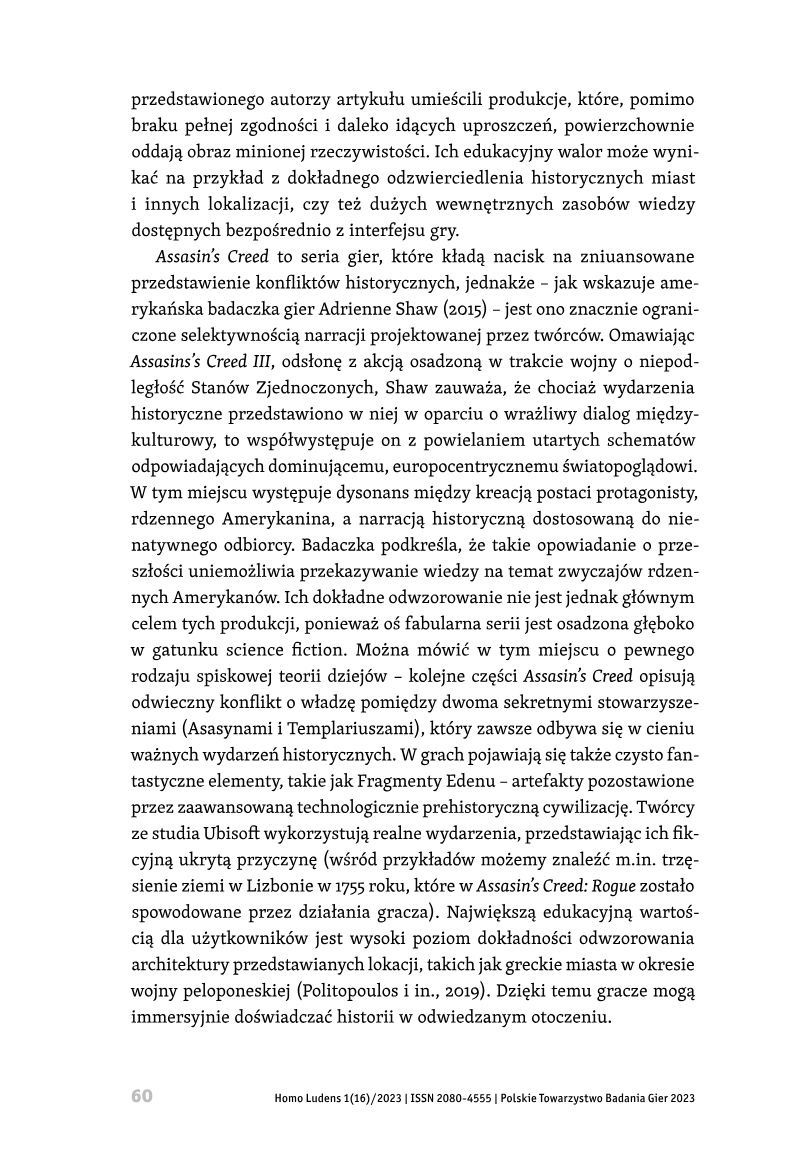
Szymański's article, published in Homo Ludens in 2021, examines how fantasy computer games reproduce historical art styles, particularly Nordic and Gothic visual traditions, as commonplaces of visual culture. Its central argument is that games rely on recognizable visual stereotypes that simplify complex historical styles, and that these simplifications are better understood as creative, intertextual reinterpretations than as historical documents. The author traces this practice from early text adventures such as Perseus and Andromeda (1983) through strategy titles like Civilization (1991 onward) to the Assassin's Creed series, noting that commercially successful titles typically blend historical settings with fantastical elements, while educational serious games remain less popular.
The analysis of Norse representation focuses on Civilization, Medieval Total War: Viking Invasion, and The Elder Scrolls V: Skyrim, which perpetuate conventions such as horned helmets derived from nineteenth-century visual culture. The author attributes many of these simplifications to marketing and gameplay requirements rather than deliberate distortion, and argues that games blend myth and historical reality in continuity with a long cultural tradition of mythologizing the past. God of War (2018) and Skyrim are described as drawing extensively on Norse material culture, mythology, and runic motifs to build immersive worlds.
The study's examination of FromSoftware's Dark Souls trilogy identifies Gothic and neo-Gothic architecture as a defining visual model, with cathedrals, portals, and sacred symbolism shaping both aesthetics and gameplay structure, including the placement of bonfires, boss arenas, and enemy design. The author concludes that this sustained engagement with Gothic style significantly shapes atmosphere, aesthetic reception, and the linear, combat-driven design of these games.
Bloodborne (2015) receives particular attention for its dark neo-Gothic depiction of the nineteenth-century city of Yharnam, which draws on real-world references such as Prague's Charles Bridge and a Gatling gun-inspired design, alongside Romantic landscape motifs associated with Caspar David Friedrich and Carl Gustav Carus. The ambiguous ending of the dream-like Hunter's Dream location is read as deepening the blurring of real and imagined. The article concludes that selective, subtle historical allusions enrich fantasy worlds, strengthen narrative coherence, and
 Assassin's CreedGame · Ubisoft Montreal · 2007 · 346 documents
 FromSoftwareCompany · Japan · founded 1986 · 74 documents
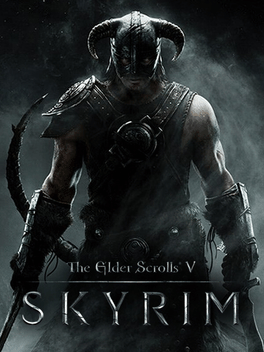 The Elder Scrolls V: SkyrimGame · Bethesda Game Studios · 2011 · 26 documents
 BloodborneGame · FromSoftware · 2015 · 25 documents