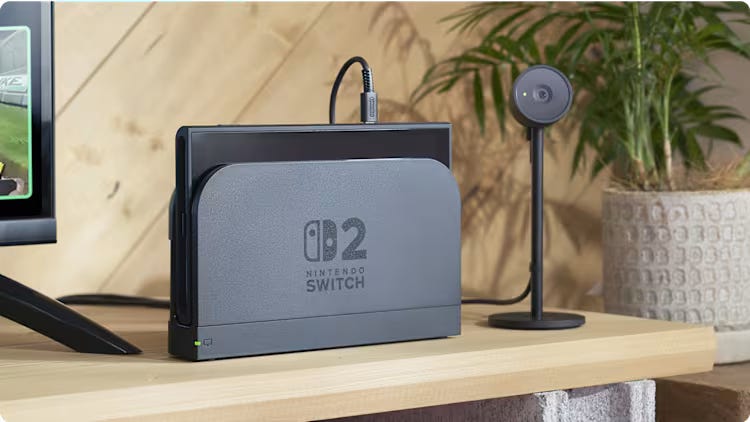
ArticleVideo Games Industry Memo
Nintendo Switch 2 Launch: Nine Experts Weigh In
5 Jun 20251 page~16 min full read
Key insights
6 slides
The approach
Nintendo prioritizes hardware continuity over radical innovation.
The company aims to maintain its market position through iterative design. It faces a maturing gaming landscape and increased competition.
Strategy. Nintendo is pursuing a strategy of hardware continuity and iterative design rather than radical innovation.
Key specs
Switch 2 performance matches a portable PlayStation 4 Pro.
The hardware supports 4K resolution when docked. It also features enhanced Joy-Con functionality.
Launch anchor
Mario Kart World anchors the console launch.
The title is identified as a critical system seller. However, the broader first-party software lineup is perceived as thin.
Software. The console launch is anchored by the release of 'Mario Kart World,' which is identified as the primary system-selling title.
Expert doubt
Experts doubt the impact of secondary features.
Industry experts remain skeptical about integrated game chat. They also question mouse-style controls' immediate consumer impact.
The consensus
Nintendo bets on steady, long-term growth.
The consensus suggests Nintendo leverages its brand strength. It prioritizes steady growth over radical innovation for its core audience.
Sales outlook
Switch 2 may struggle to match predecessor sales.
The console may struggle to match the record-breaking lifetime sales of its predecessor. Its improved specs position it for a successful initial year.
1 / 6
Ask AI about this report