Games and companies in this document

Connections
Each row is a game or company this document names, each column a document, oldest first. A mark means that document names it. Select a row to see those documents.
More on Esports
View all

Whitepaper
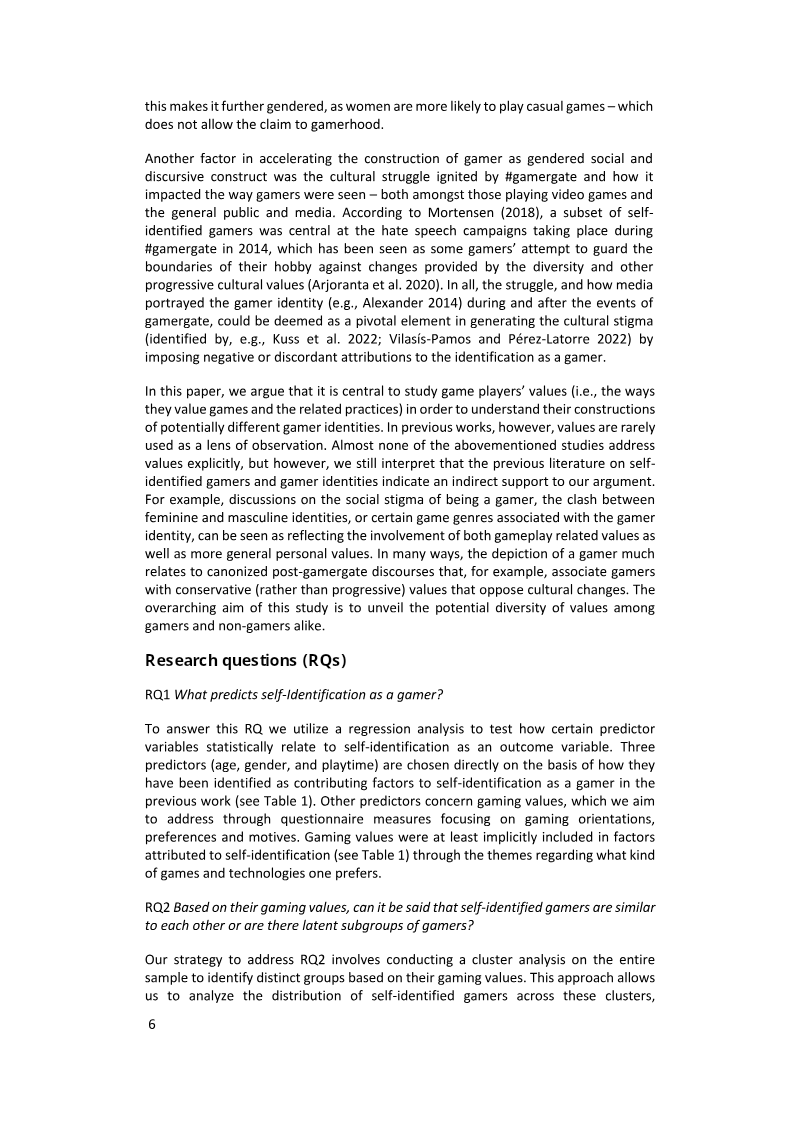
Intersectional Pleasures and Limits of Game Cultural Participation and Belonging in Finland
DiGRA · 2026
Report
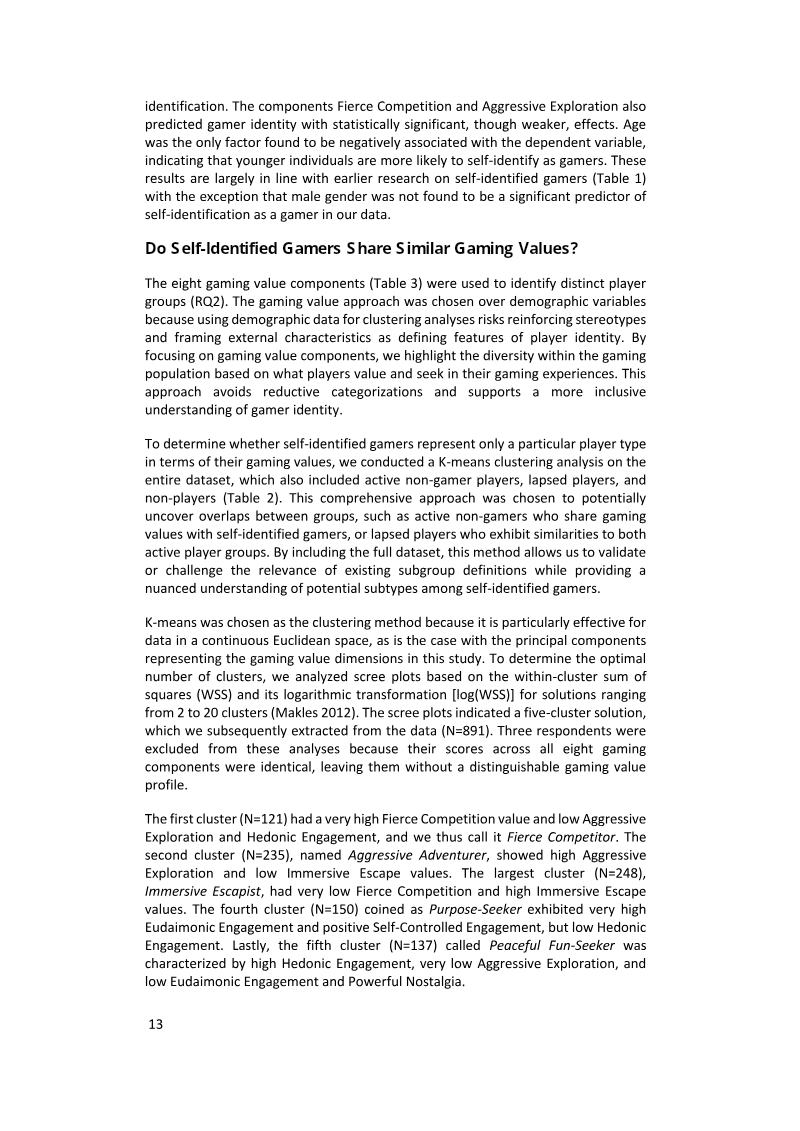
Outlining the Spectrum of Values of Self-Identified Gamers
DiGRA · 2025
Whitepaper
Lagging Behind: An Examination of Digital Inequality in Gaming and Esports
DiGRA · 2020
Whitepaper
Video Games in Context: An Ethnographic Study of Situated Meaning-Making Practices of Asian Immigrant Adolescents in New York City
DiGRA · 2007
Whitepaper
Pretty Good for a Girl: Gender, Identity and Computer Games
DiGRA · 2005



Report
Qualitative Analysis of Games and Gamers
GAMEHEARTS · 2026

Extra Credits
Competitive Gaming and Neurodiversity With The Good Game Project! | Design Club
Extra Credits · 2026
Whitepaper
A Mixed Methods Investigation into the Social Impact of Small-Scale Esports Events
International Journal of Esports · 2026
Whitepaper
Advocating Netnography for Esports Research
International Journal of Esports · 2026



Whitepaper
Rolling Together: Intergenerational Dungeons & Dragons, Onboarding, and Infrastructures of Care
DiGRA · 2026



Whitepaper
The Esports Generation: Who They Are, and Why They Spend
Niko Partners · 2026
Whitepaper
How General Game Expertise Shapes Player Experience and Problem-Solving Across Different Onboarding Approaches in a Puzzle Video Game
DiGRA · 2026