1 free read left. Create a free account for unlimited reading + AI research.
Create free accountWhitepaper Sage Publications
1 free read left. Create a free account for unlimited reading + AI research.
Create free accountWhitepaperSage Publications
The Path serves as a definitive case study in how interactive media can successfully execute tragedy, a genre traditionally considered incompatible with the goal-oriented nature of gaming. By dismantling the conventional ludic contract—which typically prioritizes player agency, victory, and antagonistic progression—the game establishes a new framework centered on exploration and sympathetic co-creation. This shift forces players to move beyond the role of a competitive participant, transforming them into active directors of the protagonist’s inevitable downfall.
The core of this narrative strategy lies in the deliberate subversion of player expectations. By presenting a choice between a hollow, non-progressive ending and a tragic, player-initiated encounter with the Wolf, the game imposes a sense of moral culpability. This design choice ensures that the player is not merely a witness to the tragedy but a primary agent in its realization. Through the use of surreal imagery, ambiguous pacing, and a rejection of traditional reward structures, the game fosters deep emotional investment and a profound sense of helplessness.
Ultimately, this approach demonstrates that games possess the capacity to function as sophisticated vehicles for complex, interactive storytelling. By prioritizing thematic resonance over mechanical mastery, the experience highlights the potential for the medium to evoke pathos through player complicity. This analysis confirms that when games move away from the binary of success and failure, they can effectively leverage the unique properties of interactivity to create a more intimate and devastating tragic experience.
Sage Publications · 2024
Sage Publications · 2024
Simulation & Gaming · 2024
Sage Publications · 2019
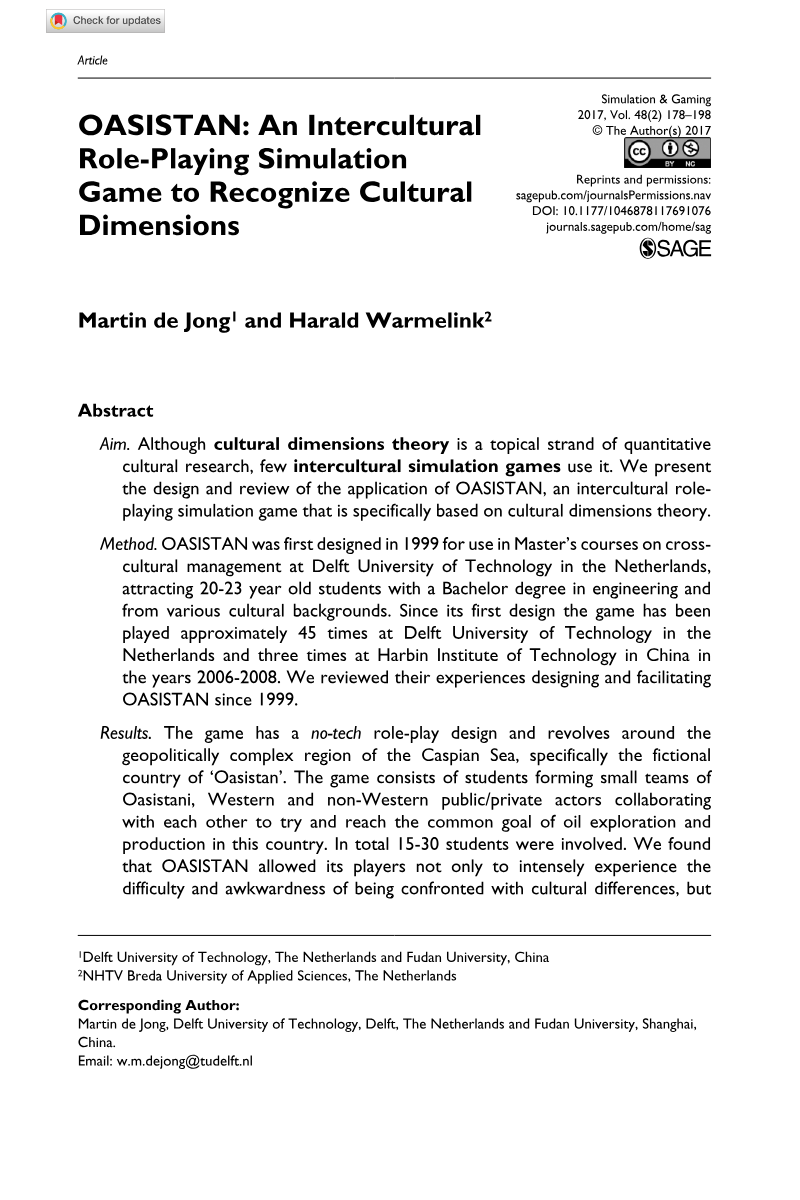
Sage Publications · 2017
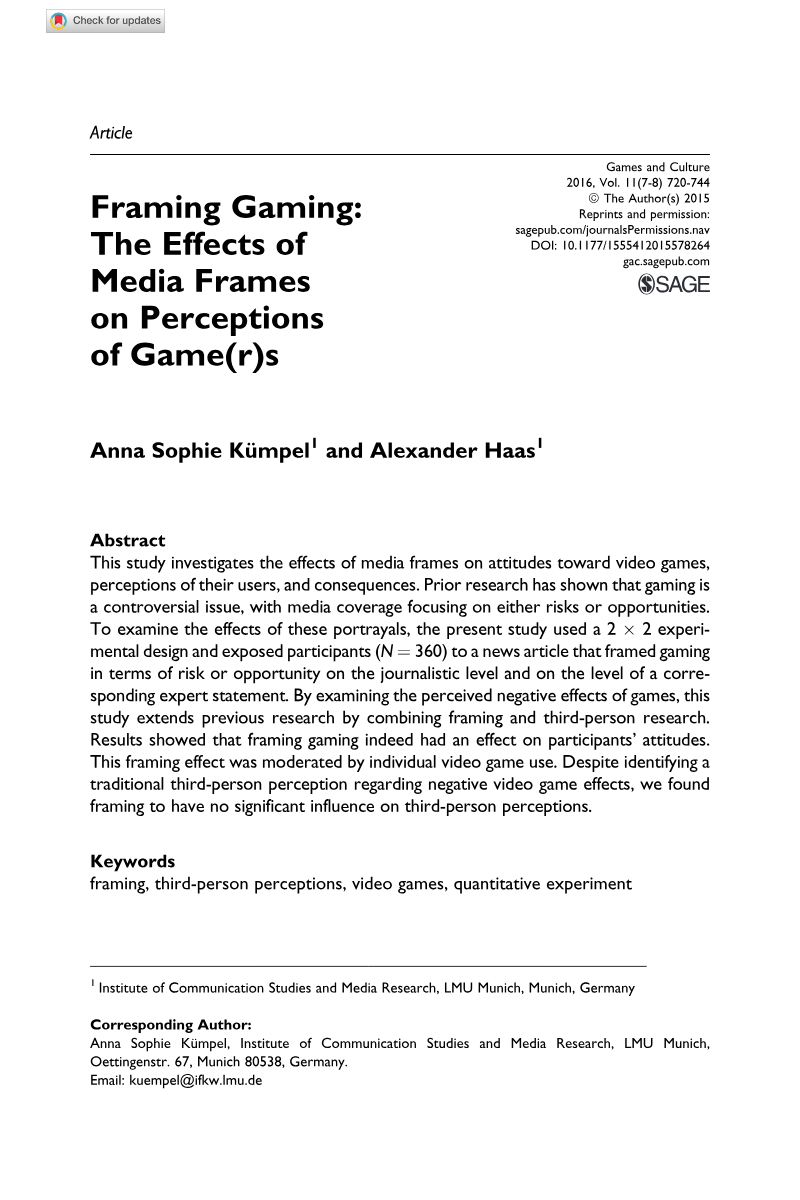
Games and Culture · 2015
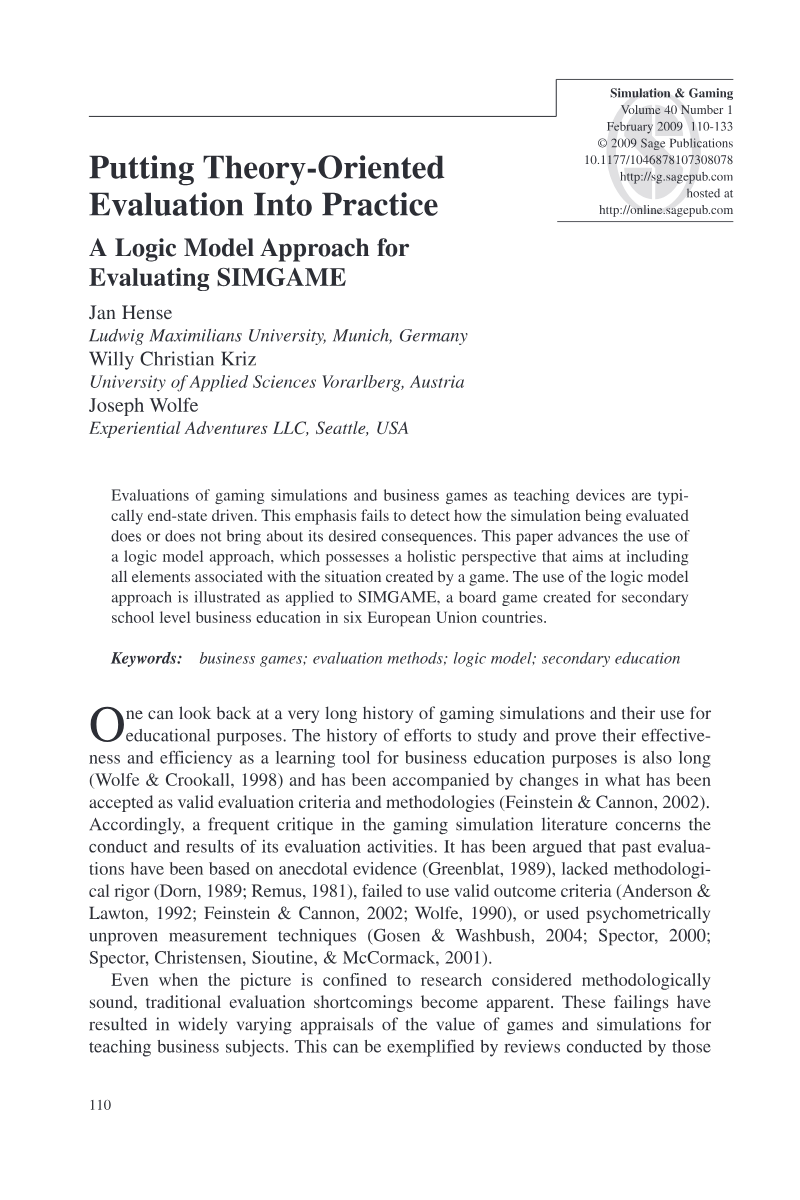
Simulation & Gaming · 2007
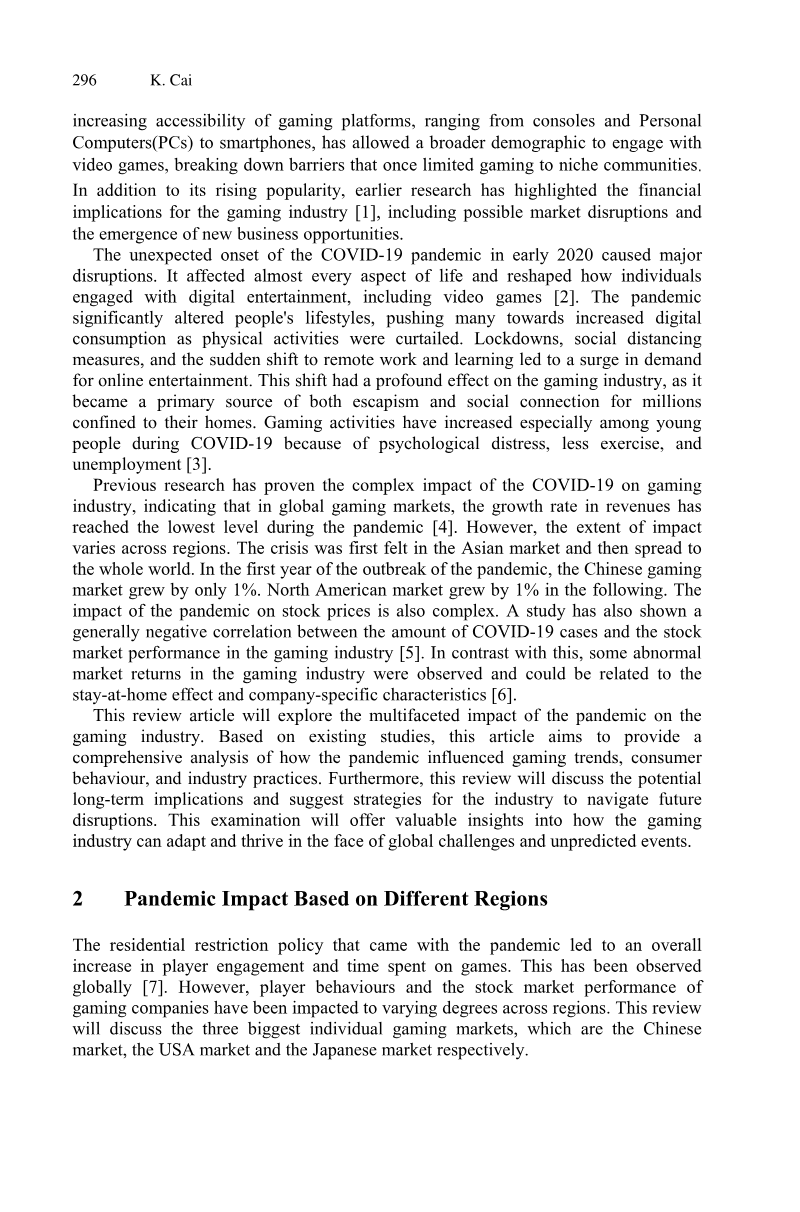
University of New South Wales
Canadian Game Studies Association · 2025
Loading... The Journal of the Canadian Game Studies Association · 2020
Press Start · 2019