1 free read left. Create a free account for unlimited reading + AI research.
Create free accountArticleGames and Culture
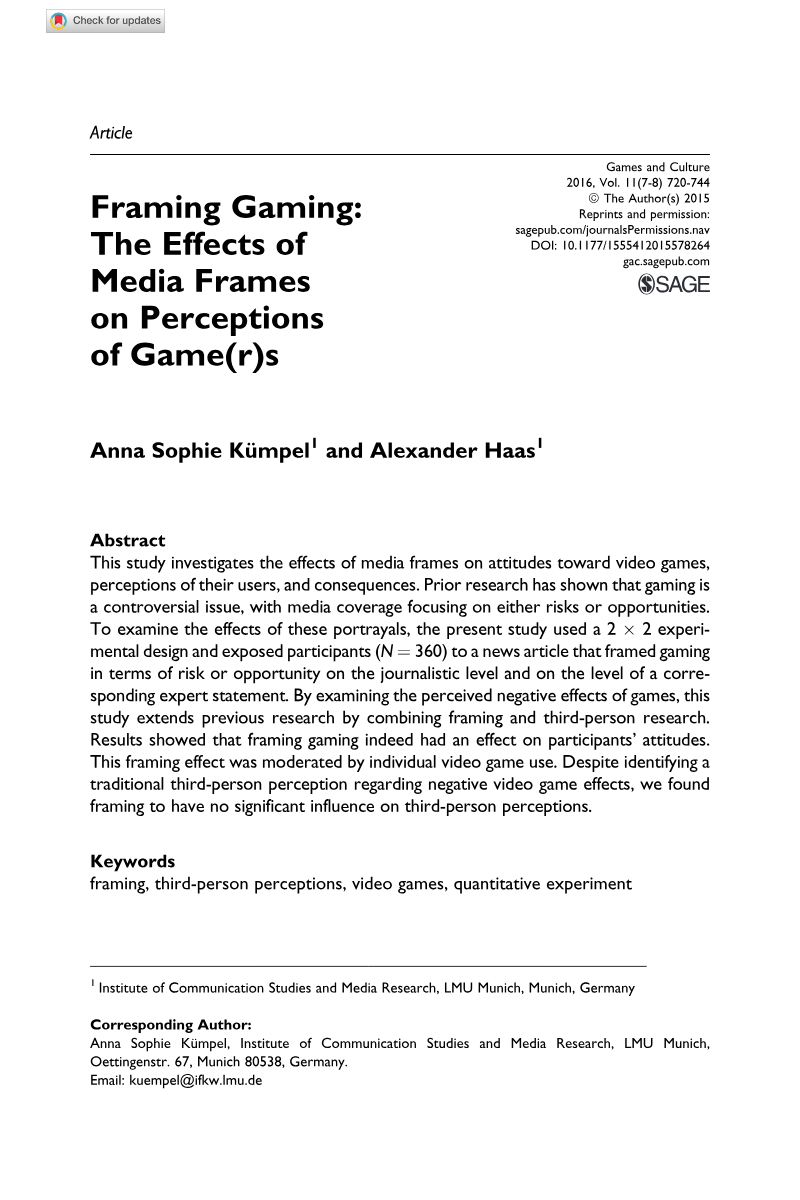
Media framing plays a critical role in shaping public attitudes toward video games and the gaming community. By contrasting risk-oriented narratives with opportunity-focused perspectives, news media significantly influences how the medium is evaluated. Opportunity frames consistently foster more favorable perceptions, whereas risk-focused reporting drives negative sentiment and increases public support for restrictive policies and censorship. These effects are particularly pronounced among nongamers, who demonstrate a higher susceptibility to media framing compared to individuals with established gaming habits.
The research confirms the presence of a robust third-person effect, wherein individuals consistently perceive others, especially children and adolescents, as being more vulnerable to the negative impacts of gaming than they are themselves. While media framing effectively shifts general attitudes toward the industry, it does not significantly alter this perceived vulnerability gap. Instead, the intensity of the third-person effect, alongside gender and personal gaming experience, serves as a primary predictor for an individual’s support for regulatory measures.
Conducted through a controlled experimental design involving 360 university students, this analysis highlights the persistent tension between media representation and public policy. The findings suggest that the prevailing journalistic focus on potential harms creates a climate conducive to regulation, regardless of the actual effects of gaming on the individual. Ultimately, the study underscores that while personal experience acts as a buffer against negative framing, the broader public remains susceptible to media-driven narratives that prioritize risk over the potential benefits of interactive media.
Games and Culture · 2025
Games and Culture · 2024
Games and Culture · 2024
Games and Culture · 2024
Games and Culture · 2024
Games and Culture · 2024
Games and Culture · 2024
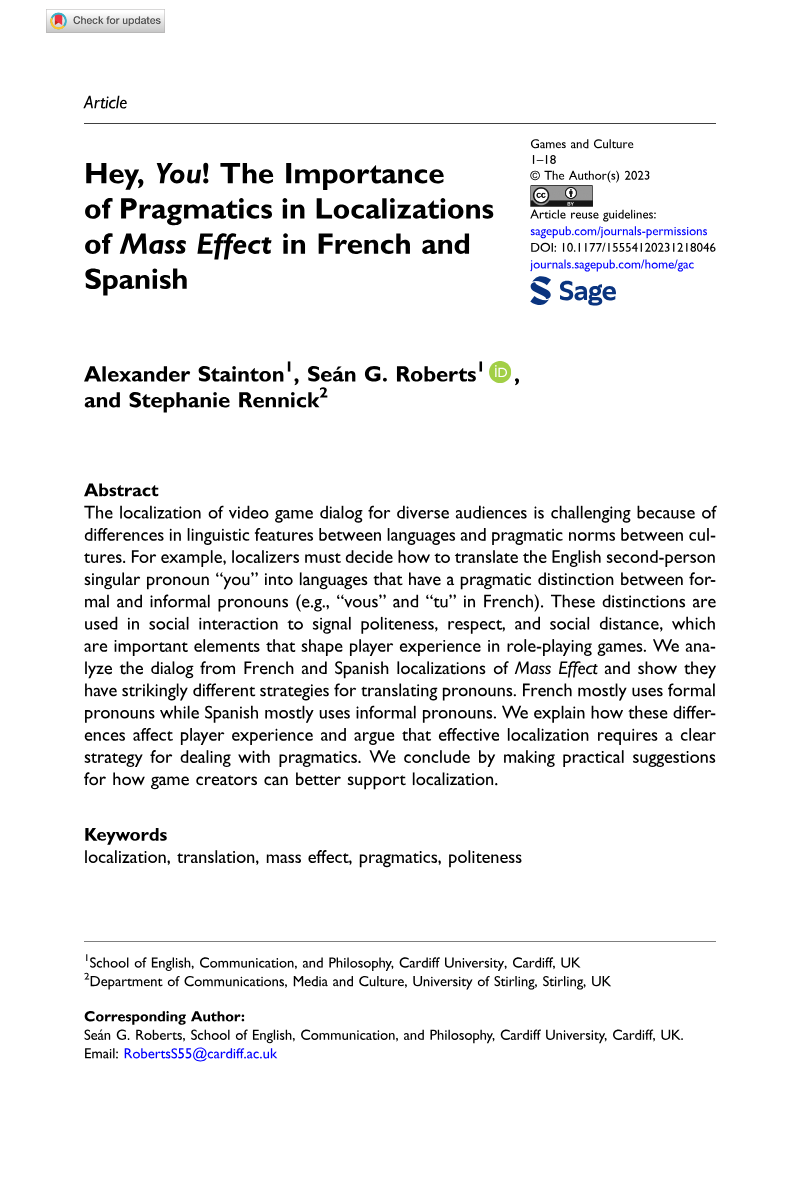
Games and Culture · 2023
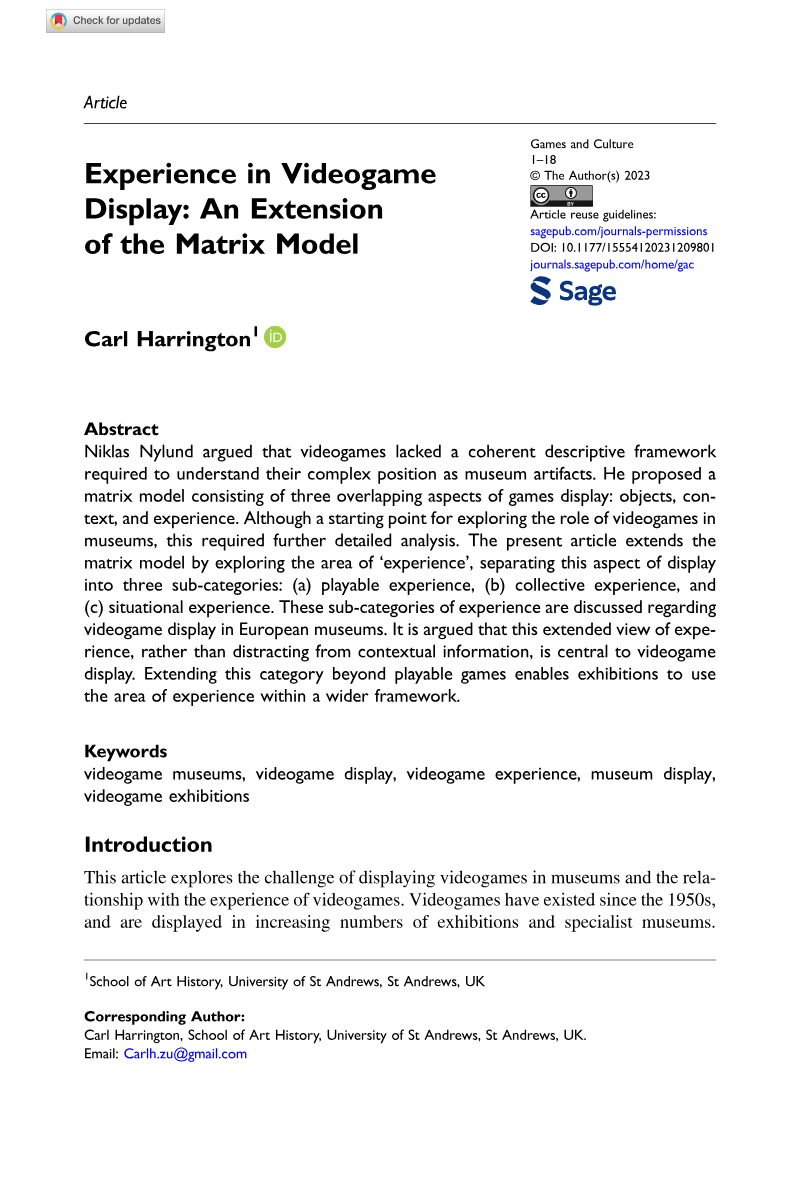
Games and Culture · 2023
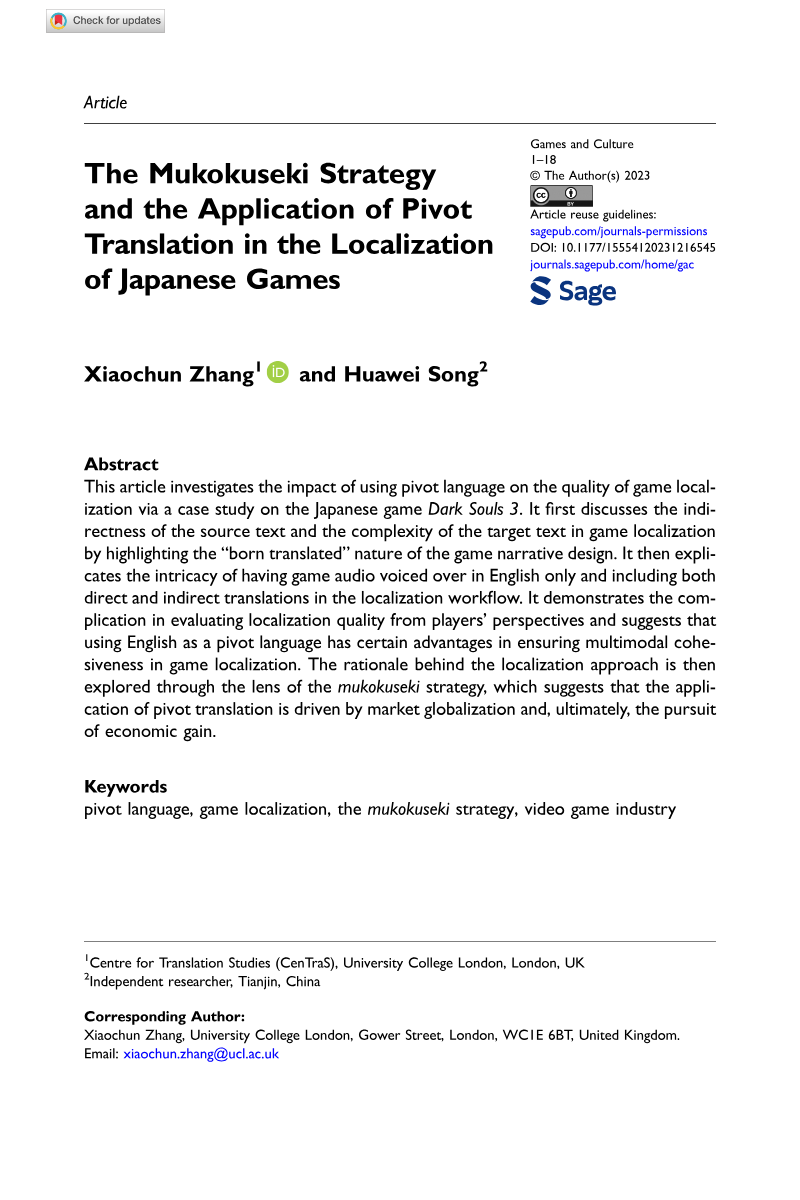
Games and Culture · 2023
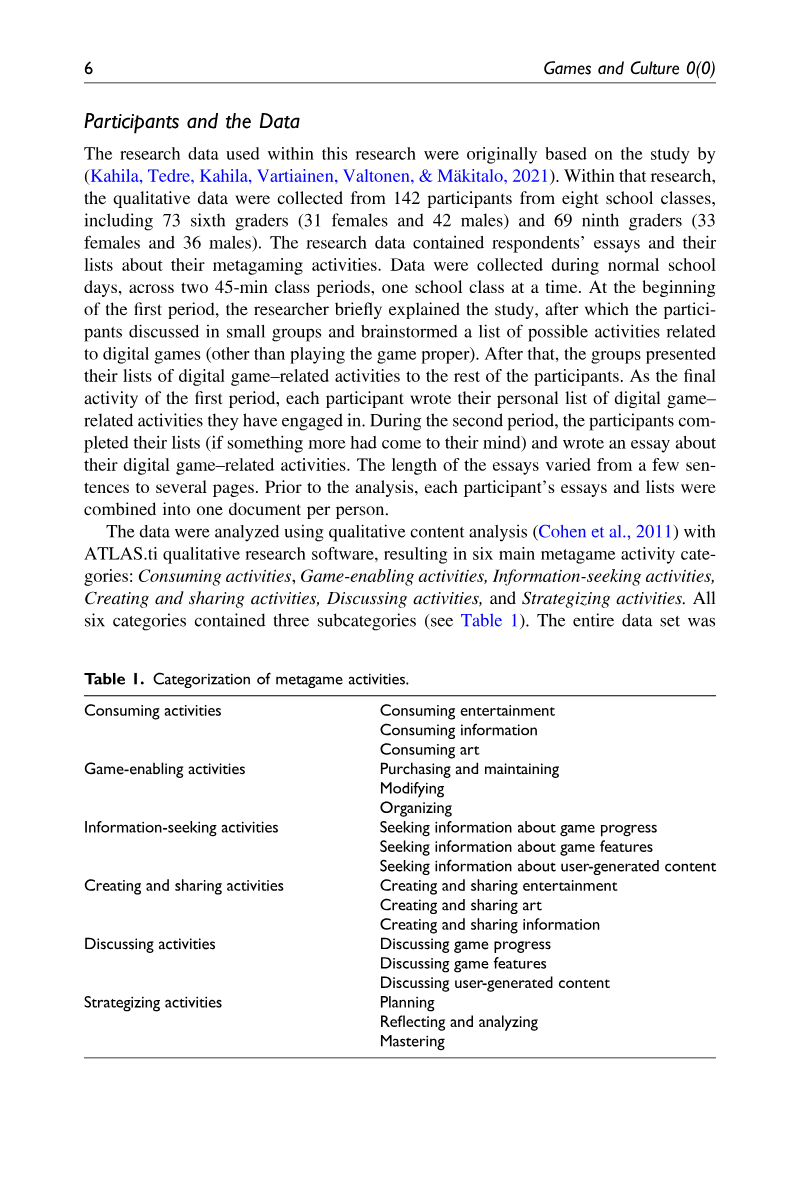
Games and Culture · 2023
Games and Culture · 2023
Replay. The Polish Journal of Game Studies · 2026

































Comments